
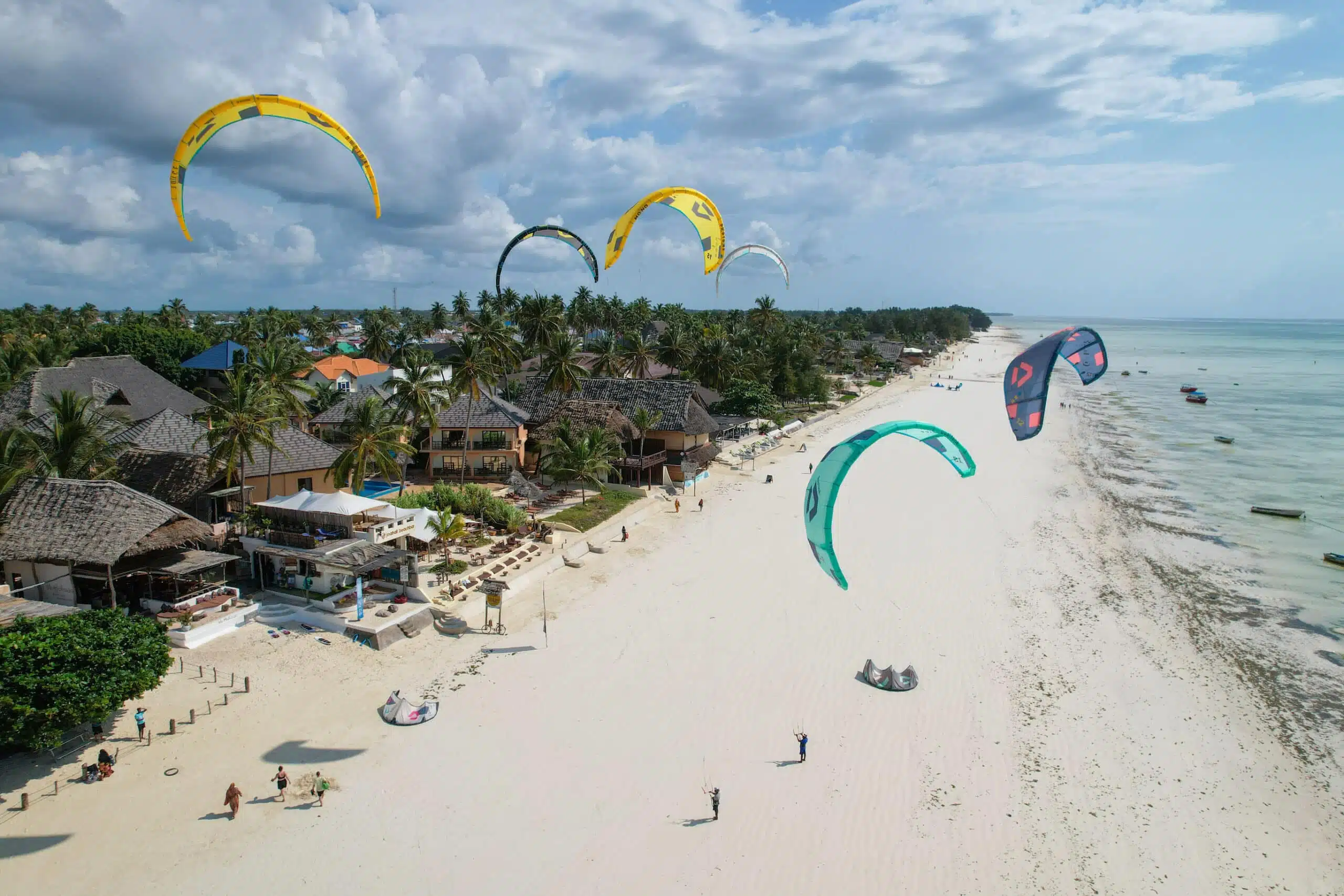
Kite surfing in Paje: best season, lessons and gear rental
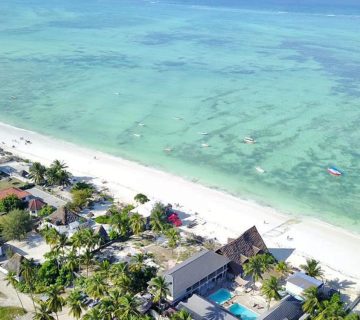
Paje, on the southeast coast of Zanzibar, is one of the Indian Ocean’s best-known destinations for kitesurfing. Its long white-sand beach, warm turquoise water, seasonal trade winds and shallow lagoon attract beginners, experienced riders and travellers looking for an active beach holiday. Unlike traditional beach destinations where swimming and sunbathing dominate the experience, Paje has developed a strong watersports culture, with kite schools, equipment rental centres, beach cafés and accommodation designed around outdoor activities.
Kitesurfing combines a surfboard-style board with a large controllable kite that uses the wind to pull the rider across the water. It requires coordination, balance and an understanding of wind conditions, but beginners do not need previous surfing experience to start learning. Professional instructors provide structured lessons covering kite control, safety procedures, body dragging and eventually riding on the board.
However, planning a kitesurfing holiday in Paje requires more than choosing a hotel and arriving with a swimsuit. Zanzibar has two main wind seasons, and the changing tides influence when and where you can practise. Understanding these conditions, choosing a reputable school and knowing whether to rent or bring your own equipment can make a significant difference to your experience.
Why Paje is popular for kitesurfing
Paje’s popularity comes from the combination of a broad coastal lagoon, seasonal trade winds and warm tropical water. An offshore coral reef helps protect parts of the lagoon from larger ocean waves, creating relatively flat or gently choppy conditions in many riding areas.
The shallow water is particularly useful for beginners. During suitable tidal conditions, learners can stand in the lagoon while practising basic techniques. This makes it easier to recover after falling, retrieve the board and repeat exercises without immediately having to swim in deep water.
The beach also has a well-established kitesurfing community. Several schools operate along the shoreline, offering beginner courses, private instruction, equipment rental and coaching for experienced riders. Visitors can watch lessons, meet other kitesurfers and find instructors who understand the local conditions.
Paje is also a convenient destination for people travelling with friends or family members who do not kitesurf. While one person attends lessons, others can enjoy the beach, visit cafés, explore the village or arrange other activities around Zanzibar.
Best season for kitesurfing in Paje
Zanzibar has two main kitesurfing seasons influenced by the northeast and southeast trade winds. These are locally known as Kaskazi and Kusi. Both can provide good riding conditions, but they differ in wind strength, weather and suitability for different experience levels.
Kaskazi season: December to March
Kaskazi is the northeast trade wind season. It generally runs from December to March, although the most reliable conditions are often concentrated between late December and February.
The wind is usually lighter than during the main Kusi season, making this period attractive to beginners and riders who prefer moderate conditions. The weather is generally hot, and the water remains warm, creating comfortable conditions for spending several hours on the beach.
January and February are particularly popular months for kitesurfing holidays. Visitors can combine lessons with other activities, including snorkelling, swimming, sightseeing and beach relaxation.
The lighter wind does not mean every day is suitable for every rider. Wind strength changes, and instructors must select appropriate kite sizes according to the conditions and the learner’s weight and ability.
Kaskazi is a good choice if you are learning for the first time or travelling with people who want a traditional tropical beach holiday alongside kitesurfing.
Kusi season: June to October
Kusi is the southeast trade wind season and generally provides stronger conditions than Kaskazi. It usually runs from June into October, with July, August and September among the most popular months for riders seeking consistent wind.
The stronger wind attracts intermediate and experienced kitesurfers who want to improve their skills, practise manoeuvres and enjoy longer riding sessions. Beginners can also learn during Kusi, but the instructor must select suitable conditions and equipment.
June to September is generally a drier period in Zanzibar, making it attractive for outdoor activities. The atmosphere in Paje can become particularly lively during July and August as international visitors arrive for the main kitesurfing season.
Kusi is a strong option if your main reason for visiting Zanzibar is to spend as much time as possible on the water. However, stronger wind can make some sessions more challenging, particularly for lighter riders and complete beginners.
October and November: transitional conditions
October is often a transition period as the Kusi wind begins to weaken. Some good kitesurfing days remain possible, but consistency can decline towards the end of the month.
November is associated with the short rainy season and the transition towards Kaskazi. Wind conditions can be variable, with periods of lighter wind between stronger days.
These months may suit visitors who want a quieter beach holiday and are flexible about when they ride. They are less suitable for travellers planning a short trip specifically around kitesurfing because there is no guarantee of consistent wind.
April and May: long rainy season
April and May are generally the least reliable months for a dedicated kitesurfing holiday in Paje. These months fall within Zanzibar’s long rainy season, when heavier rainfall and weaker or inconsistent winds can interrupt activities.
Some kite schools reduce operations or close temporarily during this period. Visitors may still enjoy other aspects of Zanzibar, but those travelling specifically to kitesurf should consider choosing one of the main wind seasons instead.
Which season is best for beginners?
Both Kaskazi and Kusi can offer opportunities for beginners, provided lessons take place under suitable conditions. However, many first-time learners prefer Kaskazi because its generally lighter wind and warmer conditions can make early practice more comfortable.
Kusi can also be suitable for beginners when instructors select moderate wind conditions and use appropriate equipment. The stronger wind may be more demanding, so a professional assessment is particularly important.
If you are completely new to the sport, choose a school based on instructor qualifications, safety procedures and teaching quality rather than assuming that one season guarantees an easy experience.
What happens during a beginner kitesurfing lesson?
A beginner course is designed to take you from understanding the equipment to controlling a kite and eventually riding a board. The process is gradual, and the time required depends on your coordination, confidence, physical fitness and the conditions during your lessons.
Introduction to equipment and safety
Your first session normally begins on the beach with an introduction to the equipment. The instructor explains the kite, control bar, lines, harness, board and safety systems.
You learn how the kite generates power, how to control its movement and how to release it when necessary. The instructor should also explain wind direction, launch areas, landing procedures and the importance of keeping a safe distance from other beach users.
Safety training is essential because a kite can generate considerable force. Beginners should never attempt to launch or control unfamiliar equipment without proper instruction.
Learning kite control
After the introduction, you practise controlling a smaller training kite or a suitable beginner kite, depending on the school’s teaching method and the conditions.
The main objective is to understand how the kite moves through the wind window and how small movements of the control bar affect its direction and power.
You will practise steering, controlling the kite with both hands and responding to instructions. This stage builds the foundation for everything that follows.
Body dragging in the water
Once you demonstrate basic control, the instructor may introduce body dragging. This involves using the kite to pull your body through the water without standing on a board.
You learn how to move in different directions, maintain control and recover a board after losing it. Body dragging is an important skill because kitesurfers sometimes fall or become separated from their equipment.
The instructor also teaches water-based safety procedures and how to use the kite’s depower and release systems.
Water starts and first rides
The next stage is learning how to position the board on your feet while controlling the kite. You practise generating enough power to lift your body out of the water and move across the lagoon.
This is called a water start. It requires coordination between kite movement, body position and board direction.
Your first attempts may involve repeated falls, but that is a normal part of learning. With practice, you gradually develop the ability to ride short distances and maintain control.
Learning to ride independently
After achieving your first rides, lessons focus on improving balance, controlling speed and changing direction. You also learn how to stop safely, maintain distance from other riders and understand right-of-way rules on the water.
Some learners can begin riding short distances after a relatively short course, while others need additional sessions. Completing a beginner course does not automatically mean you are ready to ride independently in every condition.
How many lessons do you need to learn kitesurfing?
The time required depends on your previous experience and how quickly you develop the necessary skills. People with experience in windsurfing, sailing, wakeboarding or other board sports may find certain aspects easier, although they still need to learn kite-specific safety procedures.
A beginner course commonly involves approximately nine to twelve hours of instruction, often spread across several days. Some learners progress faster, while others need more time to become comfortable with water starts and independent riding.
It is better to focus on learning safely than to rush through lessons to meet a fixed holiday schedule.
When booking, ask the school how many hours are included, whether the course can be divided across several days and what happens if the wind is unsuitable. A reputable school should not pressure beginners to continue when conditions are unsafe.
Kitesurfing schools in Paje
Paje has several established kite schools offering different lesson formats and equipment packages. Some focus on beginner instruction, while others provide advanced coaching, private lessons and rental services.
Examples of schools and operators visitors may encounter include:
Kite Centre Zanzibar: Offers beginner and advanced lessons, equipment rental and instruction through structured courses.
B4 Kitesurf Zanzibar: Provides kitesurfing instruction and equipment-related services in the Paje area.
Paje Kitesurf Zanzibar: Offers private, semi-private and group lesson arrangements, as well as coaching for riders with previous experience.
Zanzibar Kitesurf Academy: Provides instruction and information about local wind conditions and suitable lesson arrangements.
These are starting points for comparing available services, not a ranking of the schools. Prices, instructors, equipment and lesson schedules can change, so contact the operator directly before making a booking.
How to choose the right kitesurfing school
The quality of instruction is more important than choosing the cheapest available lesson. A good school should have qualified instructors, suitable equipment, clear safety procedures and a structured teaching programme.
Check instructor qualifications
Ask whether instructors hold recognised kitesurfing teaching qualifications, such as certification through the International Kiteboarding Organization or another established training body.
Certification alone does not guarantee excellent teaching, but it provides a useful indication that the instructor has completed recognised training.
You should also consider experience teaching beginners. An experienced rider is not automatically an effective instructor, so choose someone who can explain techniques clearly and adapt lessons to your progress.
Ask about student-to-instructor ratios
Private lessons provide individual attention and allow the instructor to focus entirely on your progress. They are particularly useful for complete beginners who want to learn at their own pace.
Semi-private lessons usually involve two students, while group lessons may include three or four learners. Group instruction can be more affordable, but you may spend less time practising directly with the kite.
Ask how many students will share one instructor and how much individual practice time is included. Avoid assuming that a low advertised price offers the same level of instruction as a private course.
Inspect the equipment
Kitesurfing equipment must be suitable for the rider and current conditions. Ask whether the school regularly checks its kites, lines, control bars, harnesses and boards.
Safety releases should be functional, and equipment should be free from obvious damage. If something appears worn or defective, request a replacement before entering the water.
A professional school should welcome questions about its equipment and explain how the safety systems work.
Read recent reviews
Recent reviews can help you understand the quality of instruction and customer service. Look for comments about instructor patience, equipment condition, lesson organisation and how the school handles days with unsuitable wind.
Pay attention to repeated complaints rather than relying on one unusually positive or negative review. A school with clear communication and consistent feedback is generally a safer choice than an operator offering an unusually low price without verifiable information.
Kitesurfing lessons and rental prices in Paje
Prices vary according to the school, instructor, lesson duration, group size and season. Private instruction generally costs more than shared lessons, while longer courses may provide a lower hourly rate.
As a broad planning guide, beginner courses of approximately nine to twelve hours may cost around US$350 to US$750, depending on the provider and whether instruction is private or shared. Some schools advertise individual private lessons at around US$60 to US$100 or more per hour.
Equipment rental for independent riders may cost approximately US$60 to US$90 per day, although rates vary with the equipment package and rental period. Weekly arrangements may offer better value than paying for each day separately.
These figures are indicative rather than fixed prices. Always request a current quotation directly from the school and establish whether the price includes the kite, board, harness, control bar and any required safety equipment.
Do not choose a lesson solely because it is significantly cheaper than other offers. Confirm the instructor’s qualifications, group size and equipment arrangements before paying.
Kitesurfing gear rental: what is included?
Visitors who already know how to kitesurf often prefer renting equipment instead of transporting their own gear. Most established schools and rental centres offer packages that allow experienced riders to access suitable equipment without bringing everything from home.
A standard rental package may include the kite, control bar, lines, board and harness. Some providers also supply helmets and impact vests, depending on their equipment policy.
Before accepting a rental package, check exactly what is included. A price advertised for a kite alone may not cover the board, harness or other accessories.
Kites
The kite is the main piece of equipment used to generate power. Different sizes are suitable for different wind strengths and rider weights.
Larger kites are generally used in lighter winds, while smaller kites are suitable for stronger conditions. The correct size should be selected according to the wind, rider weight, skill level and equipment type.
Do not select a kite simply because another rider of similar height is using it. Ask the rental team to recommend the appropriate size for the conditions.
Control bar and lines
The control bar allows you to steer the kite and adjust its power. It is connected to the kite through several lines.
Check that the lines are in good condition, properly connected and free from knots or visible damage. The safety release should work correctly, and you should understand how to activate it before launching.
Board
The board provides the surface that allows you to ride across the water. Twin-tip boards are common for beginners and recreational riders because they can be ridden in both directions.
The size and shape should suit your weight, experience and riding style. Beginners often benefit from larger boards because they provide additional stability and make water starts easier.
Harness
The harness connects the rider to the kite through the control system. Waist harnesses are common, while seat harnesses may be preferred by some beginners because they provide additional support around the lower body.
Choose a harness that fits comfortably and does not move excessively during practice. Ask the rental team to help adjust it correctly.
Helmet and impact vest
A helmet provides head protection, while an impact vest offers additional cushioning and flotation support. Some schools provide these items as part of their lessons or rental arrangements.
Their use depends on the activity, conditions and operator’s safety policy. Beginners should follow the instructor’s recommendations rather than deciding that protective equipment is unnecessary.
Reef shoes
Reef shoes are useful in Paje because the lagoon contains coral, sea urchins and other natural hazards. The exposed seabed can become uncomfortable or unsafe to walk across, particularly when the tide is low.
Wear suitable footwear when walking into and out of the water if the instructor recommends it. Avoid stepping on coral or disturbing marine life.
Should you bring your own kitesurfing equipment?
Bringing your own equipment can be convenient if you are an experienced rider with a preferred kite size, board and harness. You also avoid the possibility of arriving during a busy period when the school’s preferred rental equipment is already in use.
However, travelling with kitesurfing equipment can increase airline baggage costs and create additional handling requirements. Some airlines impose special sports-equipment rules, so confirm baggage allowances before travelling.
Renting locally is often more practical for beginners because lessons normally include the necessary equipment. Experienced riders should compare the total cost of airline transport with the price of renting equipment in Paje.
If you bring your own gear, inspect it before departure and carry essential repair items where permitted. You should also confirm that your equipment is appropriate for the expected wind range.
Understanding the tides in Paje
The tide is one of the most important factors affecting kitesurfing in Paje. Unlike northern Zanzibar beaches, where the sea remains relatively accessible throughout much of the day, the southeast coast experiences substantial tidal changes.
At high tide, water fills much of the lagoon, creating more space for riding. At low tide, the sea retreats and exposes wide areas of sand, seagrass and coral.
This means that a day with good wind does not necessarily provide suitable riding conditions at every hour. The available water space changes throughout the day, and the best session time may be different from one date to another.
Kite schools normally organise lessons around the tide and wind forecast. Beginners should follow their instructor’s schedule rather than entering the lagoon independently.
The tide also influences where equipment can be launched and landed. During some low-tide periods, riders may need to walk farther across the exposed beach or wait for water levels to improve.
Before booking a course, ask whether the school adjusts lesson times according to the tide. This is especially important if you have a short stay and want to make the most of your available days.
Safety tips for kitesurfing in Paje
Kitesurfing is an exciting activity, but it involves powerful equipment and changing weather conditions. Beginners should always learn through a recognised school and avoid practising independently before developing the necessary skills.
Always check the wind forecast and listen to the instructor’s assessment before entering the water. Conditions can change, and a kite that is suitable in one wind range may become difficult to control when the wind strengthens.
Keep a safe distance from other riders, swimmers, boats and beach users. Paje is a popular coastal destination, so different activities may take place in the same general area.
Learn how to use the quick-release system and practise the basic emergency procedures explained by your instructor. You should also understand how to recover your board and return safely to the beach.
Protect yourself from the tropical sun by applying water-resistant sunscreen, wearing suitable clothing and drinking enough water. Sessions can last longer than expected, particularly when you are enjoying favourable conditions.
Do not ride beyond your ability or attempt advanced manoeuvres simply because other people are doing them. Beginners should progress gradually and remain within the areas designated by the school.
What to wear for kitesurfing in Paje
The water around Zanzibar remains warm throughout the year, so a thick wetsuit is generally unnecessary for most visitors.
Board shorts, swimwear or a lightweight rash vest are suitable for many sessions. A long-sleeved rash vest provides protection against the sun and reduces irritation from the harness.
During the cooler months from June to September, some people may prefer a lightweight neoprene top, particularly during longer sessions or when the wind is strong.
Bring reef shoes if recommended by your instructor, as the lagoon floor can contain sharp coral and sea urchins. A towel, change of clothes and water bottle are also useful.
Avoid wearing jewellery or loose accessories that could become caught in the equipment.
Where to stay in Paje for kitesurfing
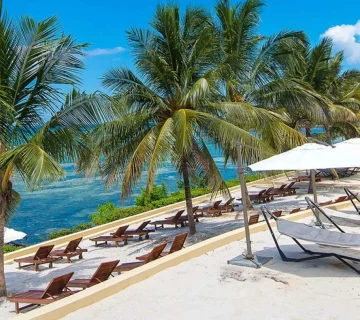
If kitesurfing is the main reason for visiting Paje, staying near the beach is usually the most convenient option. Several schools and rental centres operate along the shoreline, and beachfront accommodation can reduce the time needed to reach your lesson.
Budget guesthouses and hostels suit independent travellers who want affordable rooms and easy access to the kitesurfing community. These properties may provide simple facilities while placing you close to cafés, restaurants and beach activities.
Mid-range hotels often offer private rooms, swimming pools, restaurants and comfortable shared spaces. They are suitable for couples and travellers who want a balance between convenience and comfort.
Luxury accommodation provides additional facilities such as larger rooms, private beach access, spa services and organised excursions. These properties may be suitable for couples or families combining kitesurfing with a more comfortable holiday.
Before booking, check the distance between the accommodation and your chosen school. A hotel described as being in Paje may still require a walk or transfer to reach the main kitesurfing area.
Other activities to enjoy in Paje
Kitesurfing may be the main attraction, but Paje offers several other experiences for visitors who want to explore the southeast coast.
You can take long walks along the beach, particularly during low tide when the exposed sand creates a wide coastal landscape. The changing water levels also provide opportunities to observe seaweed farming, an important activity for many local communities.
Beach cafés and restaurants serve seafood, Swahili dishes and international meals. These establishments provide places to relax after a lesson or spend an afternoon watching the lagoon.
Visitors can also arrange snorkelling excursions, depending on the location and sea conditions. Other options include cycling, yoga, village visits and trips to nearby Jambiani.
For a different experience, you can visit Jozani Chwaka Bay National Park, which is known for its Zanzibar red colobus monkeys and forest environment. It can be included in a wider island excursion from Paje.
Combining Paje with other Zanzibar destinations
Paje can be combined with other coastal destinations if you have enough time. Jambiani lies just south of Paje and offers a quieter atmosphere, with traditional fishing activities, seaweed farming and a long stretch of coastline.
Bwejuu is another nearby destination with a more relaxed accommodation environment. It may appeal to visitors who want to stay close to Paje’s activities without being directly in the busiest area.
Nungwi and Kendwa, on the northern coast, provide a different beach experience. Their tidal patterns allow easier swimming throughout much of the day, making them useful additions for travellers who want to combine kitesurfing with conventional beach relaxation.
Stone Town offers another contrast through its historic streets, markets and Swahili architecture. You can spend time exploring the island’s cultural heritage before or after your stay on the southeast coast.
How long should you stay in Paje for kitesurfing?
A stay of three to four nights may be sufficient for visitors who want to experience a few lessons and enjoy the beach. However, a longer visit provides more flexibility when wind and tide conditions change.
Beginners may benefit from five to seven days because learning takes time and suitable conditions are not guaranteed every day. This allows you to spread lessons across several sessions rather than trying to complete everything in a short period.
Experienced riders may also prefer a week or longer, particularly if they are travelling during a period when they want several good sessions.
If your main objective is to learn kitesurfing, avoid planning every day around other excursions. Leave enough time for lessons, practice, rest and changes to the weather schedule.
Is kitesurfing in Paje worth it?
Paje is an excellent destination for visitors who want to combine a tropical beach holiday with an active watersport. Its seasonal trade winds, shallow lagoon, warm water and established kite schools create favourable conditions for both learning and improving.
Kaskazi, from December to March, generally provides warmer and lighter conditions that many beginners appreciate. Kusi, from June to October, usually brings stronger winds and attracts experienced riders looking for more demanding sessions. April and May are less reliable because of the long rainy season, while October and November can have variable conditions.
The most important part of planning is choosing the right school and allowing enough time for lessons. Confirm the instructor’s qualifications, equipment arrangements, student-to-instructor ratio and policy for unsuitable wind conditions. Also remember that the tide determines how much of the lagoon is available for riding.
Whether you are taking your first lesson or returning to improve your technique, Paje offers a distinctive way to experience Zanzibar. With suitable conditions, professional instruction and proper preparation, kitesurfing can become one of the highlights of your stay on the island.

No comment