
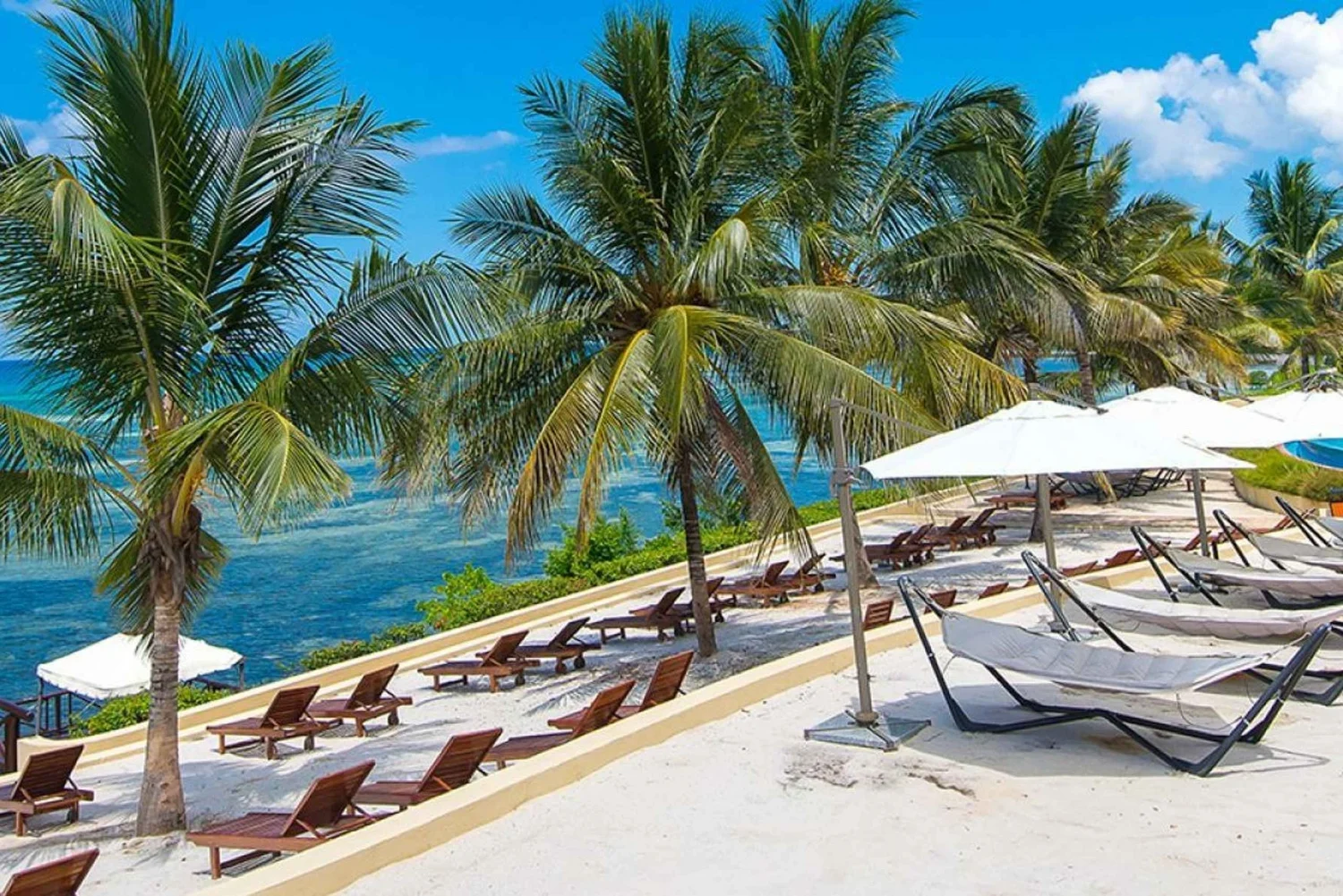
Prison Island in Zanzibar: Giant tortoises and a short boat trip
A visit to Prison Island is one of the easiest excursions to organise during a holiday in Zanzibar. Located a short distance off the coast of Stone Town, this small island offers an interesting combination of wildlife, history, swimming and beautiful Indian Ocean scenery. Its most famous residents are the giant Aldabra tortoises, some of which have lived for more than a century.
Known locally as Changuu Island, Prison Island is reached by a boat trip that usually takes around 20 to 30 minutes from Stone Town. The journey itself is part of the experience, offering views of the historic waterfront, traditional wooden boats and the surrounding turquoise water.
Despite its name, the island is not simply an abandoned prison. Its history includes the slave trade, colonial administration and quarantine operations during periods when infectious diseases threatened coastal communities. Today, visitors come mainly to see the giant tortoises, explore the old buildings and enjoy the small beaches surrounding the island.
The excursion is suitable for couples, families, solo travellers and visitors with limited time in Zanzibar. You can explore the main attractions in a few hours, making it easy to combine Prison Island with a Stone Town walking tour or another activity along the coast.
Where is Prison Island in Zanzibar?
Prison Island lies approximately 5 to 6 kilometres northwest of Stone Town, on the western side of Unguja, Zanzibar’s main island. It is also known as Changuu Island, a name commonly used by local residents and boat operators.
The island is relatively small, measuring approximately 800 metres in length. Its compact size makes it easy to explore on foot, and most visitors can see the main attractions without spending an entire day there.
Boats usually depart from the Stone Town waterfront, including areas around Forodhani Gardens. The crossing takes approximately 20 to 30 minutes, depending on the type of boat, sea conditions and departure point.
Visitors staying in Stone Town have the easiest access because they can reach the departure area without a long road transfer. Those staying in Nungwi, Kendwa, Paje or other beach destinations can also visit, but they should allow additional time for travelling to and from Stone Town.
Why is it called Prison Island?
The name Prison Island comes from the island’s historical association with detention and a prison complex built during the late nineteenth century. However, the history is more complicated than the name suggests.
During the 1860s, the island was associated with the detention of enslaved people. Historical accounts describe its use by Arab traders who held enslaved individuals there before they were transported or sold through the slave trade networks connected to Zanzibar.
In 1893, British First Minister Lloyd Mathews acquired the island for the Zanzibar government and arranged the construction of a prison complex. The buildings were completed in the 1890s, but the prison was never used to house convicted criminals as originally intended.
Instead, the island became a quarantine station. Ships arriving in the region could be required to isolate passengers suspected of carrying infectious diseases, particularly yellow fever. Travellers were kept away from the main settlement until they were considered safe to continue their journeys.
The old buildings remain part of the island’s historical landscape. During your visit, a guide can explain how the intended prison became a quarantine facility and how the island later developed into a tourist attraction.
Understanding this history gives the excursion more depth. Prison Island is not only a place to see giant tortoises. It also provides a glimpse into Zanzibar’s maritime history and the difficult events connected to the island’s past.
The giant Aldabra tortoises
The main attraction on Prison Island is its population of Aldabra giant tortoises. These large reptiles originate from the Aldabra Atoll in the Seychelles, where they developed in an isolated island environment.
The tortoises on Changuu are descended from animals brought from the Seychelles in 1919. Four tortoises were reportedly sent as a gift to Zanzibar’s British governor, and the population gradually increased over time.
Aldabra giant tortoises are among the largest tortoise species in the world. Adults can weigh well over 100 kilograms, with some exceptionally large individuals weighing considerably more. Their long necks, thick legs and heavy shells make them easy to recognise.
Their slow movements can make them appear relaxed, but these animals are strong and should always be treated with care.
How old are the tortoises?
Aldabra giant tortoises are famous for their exceptional lifespans. Many can live for more than 100 years, and some individuals may survive considerably longer.
Visitors may see tortoises identified as being over a century old. Some age claims are based on historical records and traditional estimates rather than complete birth documentation, so exact ages should be treated cautiously.
The impressive age of these animals is one reason people enjoy visiting the sanctuary. Seeing a tortoise that may have lived through several generations provides a memorable wildlife experience.
Can visitors feed the tortoises?
Visitors are generally allowed to feed the tortoises under the supervision of sanctuary staff. Keepers provide suitable leaves, allowing tourists to offer food while learning about the animals.
You may also be able to observe the tortoises walking around their enclosure, resting in shaded areas or feeding on vegetation.
Follow the staff’s instructions throughout the visit. Do not bring your own food, throw objects at the animals or attempt to force them to move. Never sit on, ride or place weight on a tortoise’s shell.
Feeding should remain controlled and should not interfere with the animals’ normal care. Avoid pulling their heads, legs or tails, even when taking photographs.
Why the tortoises need protection
Giant tortoises have faced threats from habitat loss, hunting and the illegal wildlife trade in different parts of their range. Their slow reproductive development also means that population recovery can take many years.
The tortoises on Prison Island form part of a managed collection that attracts considerable public attention. Responsible tourism should support their care and encourage visitors to understand the importance of protecting long-lived wildlife.
A good guide should explain how the animals are cared for and why visitors must follow the sanctuary’s rules. Avoid treating the tortoises as photographic props. Their welfare should come before close-up pictures or entertainment.
What to expect during a Prison Island boat trip
A typical Prison Island excursion takes approximately three to four hours, including the return boat journey and time spent exploring the island. The programme may vary depending on the operator and whether swimming or snorkelling is included.
Departure from Stone Town
Most trips begin at the Stone Town waterfront. You meet your guide or boat operator, confirm the arrangements and board a motorboat or traditional-style wooden boat.
The boat crossing normally takes 20 to 30 minutes. During the journey, you can enjoy views of Stone Town’s waterfront and the Indian Ocean.
Some boats are open, so bring sun protection and follow the crew’s instructions when boarding. Depending on the departure point and tide, you may need to walk through shallow water to reach the boat.
Arrival at Changuu Island
After reaching the island, visitors usually walk from the landing area towards the tortoise sanctuary. The route is short and generally easy, although some surfaces may be uneven.
Your guide may begin by introducing the island’s history before taking you to see the giant tortoises. Some tours follow the opposite order, visiting the animals first and exploring the historic buildings afterwards.
Visiting the tortoise sanctuary
You will have time to observe the tortoises, take photographs and learn about their origins and behaviour. Depending on the sanctuary’s rules, you may also feed them using leaves provided by the staff.
This is usually the main part of the excursion and can be particularly enjoyable for families and wildlife enthusiasts.
Exploring the historic buildings
The island contains old prison and quarantine-related structures that provide a connection to its colonial history. Your guide may explain how the buildings were used and why the island became important for controlling the spread of infectious diseases.
Do not assume that every building is open to visitors. Access may depend on maintenance, safety restrictions and local management arrangements.
Beach relaxation and swimming
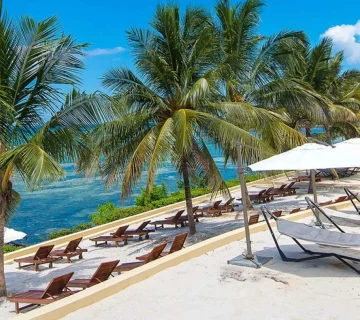
Prison Island also has a small beach where visitors can relax, enjoy the scenery or swim when conditions are suitable.
The surrounding waters are attractive, with clear views over the Indian Ocean. Some excursions include snorkelling, although visibility and marine conditions vary.
If swimming or snorkelling is important to you, confirm that the activity is included in your package. A basic island visit may focus mainly on the tortoises and historical sites.
Return to Stone Town
After exploring the island, you board your boat for the return journey. Most half-day trips return to Stone Town around midday or early afternoon, depending on the departure time and programme.
This leaves enough time to enjoy lunch, explore the historic town or continue with another excursion.
Snorkelling and swimming around Prison Island
The waters surrounding Changuu offer opportunities for swimming and snorkelling. The island is surrounded by coral reef environments that support tropical marine life, although the quality of the experience depends on visibility, tides and sea conditions.
During a snorkelling trip, you may see colourful reef fish and different types of coral. However, do not expect every excursion to provide the same marine sightings.
Some operators provide masks, snorkels and fins, while others expect visitors to bring their own equipment or pay an additional rental charge.
Before entering the water, listen to the guide’s safety instructions. Be careful around shallow coral and sea urchins, and avoid standing on or touching living coral. Reef shoes can help protect your feet when walking through shallow areas, but they do not make it safe to walk across coral formations.
If you are not a confident swimmer, tell your guide before the activity begins. Ask whether flotation equipment is available and remain within the designated swimming area.
How much time do you need on Prison Island?
Most visitors need approximately one to two hours on the island itself. This provides enough time to see the tortoises, learn about the history and enjoy a short walk around the main visitor areas.
When you include the boat journey, boarding arrangements and optional swimming, the complete excursion usually takes three to four hours.
A morning departure is often convenient because temperatures are more comfortable and you can return to Stone Town with time available for other activities.
If you want a longer day, consider combining Prison Island with Nakupenda sandbank. This adds another marine experience and allows you to enjoy a beach setting with time for swimming and lunch.
Combining Prison Island with Nakupenda sandbank
Nakupenda sandbank is one of the most popular additions to a Prison Island excursion. It is a white sandy area that emerges from the Indian Ocean during suitable tidal conditions, creating an attractive setting for swimming, sunbathing and photography.
The sandbank changes in size and visibility according to the tide. At certain times, it appears as a long stretch of white sand surrounded by shallow turquoise water. At other times, much of it may be covered.
Combined trips usually include a visit to Prison Island followed by time at Nakupenda. Some operators provide fresh seafood, tropical fruit and refreshments as part of the experience.
This combination can turn a short island visit into a full-day excursion. It is particularly suitable for couples, families and travellers who want to enjoy both wildlife and beach activities.
Before booking, ask whether the boat will visit both locations, how much time is allocated to each and whether lunch, drinks and entrance fees are included.
How much does a Prison Island tour cost?
The cost depends on the boat type, group size, departure location and services included. Shared excursions are generally cheaper per person, while private boat trips offer greater flexibility and usually cost more.
As a broad planning estimate, shared boat excursions from Stone Town may cost around US$30 to US$60 per person. Private boat arrangements can be considerably more expensive, particularly for small groups.
Some packages include the boat, guide and island entrance fee. Others advertise a lower price but charge separately for entry, conservation fees, snorkelling equipment or refreshments.
For this reason, confirm the complete price before departure. Ask whether the quotation includes:
- Return boat transport.
- Island entrance charges.
- Any applicable marine conservation fees.
- A guide or guided historical walk.
- Tortoise sanctuary access.
- Snorkelling equipment, if required.
- Drinking water and refreshments.
- Lunch, if the trip includes Nakupenda sandbank.
Prices and official charges can change, so confirm current fees with your operator before travelling. Carry some cash for any charges that are not included in your booking.
Best time to visit Prison Island
Prison Island can be visited throughout the year, but the weather and sea conditions influence the comfort of the boat journey and optional water activities.
June to October is generally a favourable period for visiting Zanzibar. These months are usually drier, with comfortable conditions for sightseeing and outdoor activities.
December to February is another popular period, with warm weather and generally good opportunities for boat trips and beach activities.
March to May is the long rainy season. Heavy showers may affect boat departures and outdoor activities, although excursions can still operate when conditions allow.
November is associated with the short rainy season. Rainfall is often less persistent than during the long rainy season, but weather conditions can change.
Morning visits are generally recommended because temperatures are more comfortable and the island can be less crowded before the busiest visitor periods. If you plan to snorkel, ask the operator about the day’s sea conditions and visibility.
What to wear and bring
You do not need specialised clothing for a Prison Island excursion. Comfortable holiday clothes are suitable for walking around the island, while swimwear is useful if you intend to enjoy the beach.
Pack sunscreen, sunglasses and a hat because much of the island has limited shade. Bring drinking water, a towel and a waterproof bag if you plan to swim or snorkel.
Comfortable sandals or shoes are useful for walking around the historic areas. Waterproof footwear can also help when boarding boats from shallow water or walking along rocky sections.
Carry a small amount of cash for optional purchases, tips or charges that are not included in your tour. Keep your phone and camera protected from water during the boat journey.
If you have a specific interest in photography, consider bringing a camera with a suitable zoom lens. This allows you to capture the tortoises without getting too close or disturbing them.
Is Prison Island suitable for families with children?
Prison Island is a family-friendly excursion because the boat journey is relatively short and the main attractions are easy to reach.
Children often enjoy seeing the giant tortoises at close range. Their size and slow movements make them particularly interesting to young visitors, while the guide can explain their origins and behaviour in simple terms.
Parents should supervise children throughout the visit. Children must not climb onto the tortoises, pull their limbs or feed them anything that has not been provided by the sanctuary staff.
The boat crossing may be uncomfortable for very young children if the sea is rough. Check the conditions before departure and ask the operator whether child-sized life jackets are available.
Families planning to combine the island with snorkelling should also consider the children’s swimming ability and whether suitable flotation equipment is provided.
Responsible tourism on Prison Island
Responsible behaviour helps protect the island’s wildlife and natural environment. The giant tortoises are the main attraction, but their welfare should remain the priority throughout your visit.
Follow the instructions of sanctuary staff and guides. Feed the tortoises only with approved food, avoid disturbing animals that are resting and never attempt to ride or sit on them.
When visiting the beach or snorkelling, avoid leaving plastic waste behind. Take your rubbish back to the mainland if suitable disposal facilities are not available.
Do not collect coral, shells or other marine materials from protected areas. Avoid standing on coral reefs and keep a respectful distance from marine animals.
You can also support the local economy by using reputable boat operators and purchasing refreshments or locally made products where appropriate. Ask questions about the excursion and make sure the services you pay for are clearly explained.
Combining Prison Island with Stone Town
Prison Island is particularly easy to combine with a visit to Stone Town because the two destinations are close to each other.
Stone Town offers a different experience, with historic buildings, narrow streets, markets and cultural landmarks. You can explore the Old Fort, visit the former slave market area, walk along the waterfront and learn about Zanzibar’s trading history.
A practical arrangement is to visit Prison Island in the morning and spend the afternoon exploring Stone Town. Alternatively, you can explore the town first and arrange a boat trip later, depending on the departure schedule and weather.
This combination gives you a better understanding of Zanzibar’s history. Stone Town explains the island’s importance as a trading centre, while Changuu provides another perspective through its maritime and quarantine history.
Is Prison Island worth visiting?
Prison Island is worth visiting if you are staying in Stone Town or have enough time to include a short boat excursion in your Zanzibar itinerary. The journey is convenient, the giant Aldabra tortoises are impressive and the island offers a useful introduction to a lesser-known part of Zanzibar’s history.
It is particularly suitable for travellers who enjoy wildlife, photography, light sightseeing and short marine excursions. Families can also enjoy the experience because the island is relatively small and does not require strenuous walking.
However, visitors expecting a full-day wildlife experience should keep their expectations realistic. The main attractions can be explored within a few hours, and the island does not offer the same scale of activities as a national park or large nature reserve.
For a more complete excursion, combine Prison Island with Nakupenda sandbank. This adds swimming, beach relaxation and the opportunity to enjoy lunch by the Indian Ocean.
Final travel advice
A Prison Island excursion is a simple way to add wildlife and history to your Zanzibar holiday. The short boat journey from Stone Town makes it accessible, while the giant tortoises provide an experience that is difficult to find elsewhere on the island.
Book with an operator who explains the full price, departure arrangements and included activities. Visit early if possible, follow the sanctuary’s rules and allow enough time to explore the historic buildings rather than rushing directly to the tortoises.
If you have only a few hours available, a morning trip to Changuu is a practical choice. If you have a full day, combining the island with Nakupenda sandbank gives you a wider experience of Zanzibar’s coastal environment.



No comment