
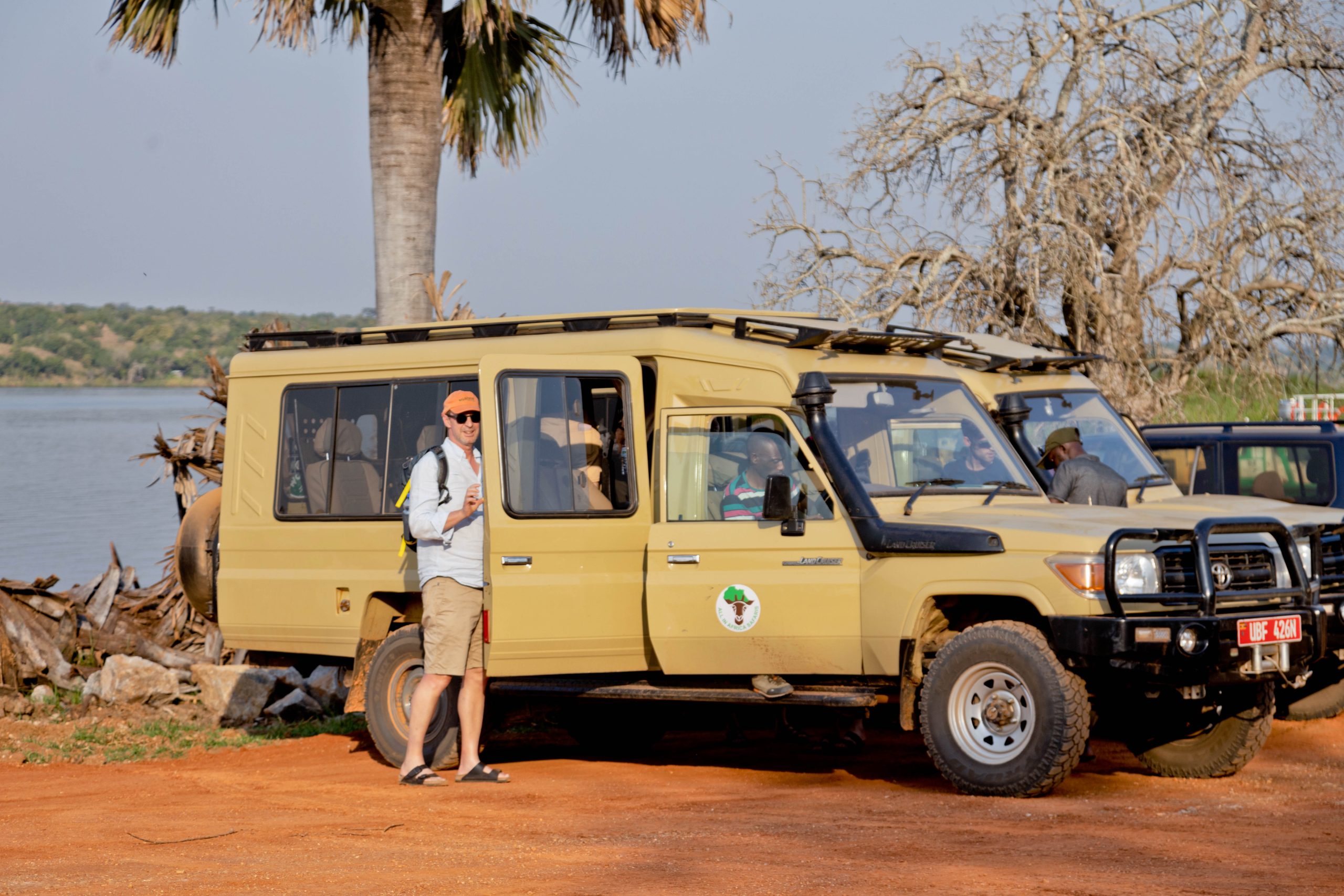
Wi-Fi and Mobile Data on Safari: What Actually Works in the Parks
Staying connected during an African safari is possible, but you should not expect the same internet access you enjoy at home. Mobile data and Wi-Fi work well in some towns, lodges, and visitor centres across East Africa, while remote national parks, forest trails, and wildlife viewing areas often have weak signals or no connection at all. If you are planning a safari in Uganda, Rwanda, Kenya, or Tanzania, understanding where connectivity is reliable will help you prepare for navigation, communication, online payments, photography, and work.
Many travellers assume that booking a luxury lodge guarantees fast internet everywhere on the property. Others expect a local SIM card to provide a strong signal throughout a national park. Neither assumption is always correct. A lodge may offer Wi-Fi in its main lounge but have weak coverage in guest rooms. A mobile network may work near a park gate and disappear several kilometres farther into the wilderness.
Your connection depends on the country, mobile network, terrain, distance from a tower, accommodation location, weather conditions, and the equipment used by the lodge. Mountains, thick forests, deep valleys, and long distances between settlements can affect signal strength. Before travelling, plan for periods without internet rather than relying on a continuous connection.
How Mobile Data Works During an East African Safari
Mobile data is usually the most practical way to access the internet while travelling between towns and established tourism areas. A local SIM card or eSIM can provide access to maps, messaging applications, email, online bookings, and social media, depending on network coverage and your data allowance.
In Uganda, mobile internet is widely used in Kampala, Entebbe, and other major towns. Coverage can also be available along popular tourism routes and around some national park entrances and accommodation areas. However, signal strength varies considerably inside remote parks and forests.
Rwanda has relatively compact road distances and mobile coverage across much of the settled parts of the country. Visitors may find it easier to maintain a connection while travelling between Kigali and established tourism centres, although coverage can still weaken in mountainous areas and remote parts of national parks.
Kenya has extensive mobile coverage in major cities and many populated areas, but connectivity becomes less predictable in remote wildlife reserves and conservation areas. Tanzania also offers mobile data in cities, towns, and many tourism corridors, while remote sections of large parks may have limited or no service.
Do not judge a network only by its coverage map. A signal shown on a map does not guarantee fast internet at your particular lodge or campsite. If connectivity is important, ask your accommodation which networks work best in its location and whether guests can access mobile data inside their rooms.
Wi-Fi at Safari Lodges and Camps
Wi-Fi is available at many safari lodges, hotels, and camps, but the quality differs from one property to another. Accommodation in cities and established towns generally has more reliable internet infrastructure than remote camps deep inside national parks.
At some properties, Wi-Fi works throughout the lodge. At others, the connection is limited to the reception area, restaurant, lounge, or a designated workspace. Some camps rely on satellite internet, while others use mobile networks or fixed connections where available.
Satellite internet can help remote properties provide connectivity where conventional broadband is unavailable. However, actual performance depends on the equipment, available bandwidth, weather, network congestion, and how many guests are online at the same time.
A lodge may advertise Wi-Fi but still struggle to support video calls, large file uploads, or continuous streaming during busy periods. Messaging, email, simple web browsing, and sharing a few photographs may work well even when more demanding tasks fail.
If you need reliable internet for work, ask specific questions before booking. Find out whether Wi-Fi is available in guest rooms or only in communal areas, whether there are limits on usage, and whether the connection supports video conferencing. Ask whether backup power is available because electricity interruptions can affect routers and network equipment.
What to Expect in Uganda’s National Parks
Uganda offers several safari destinations with different connectivity conditions. Your experience in a major town will differ from what you encounter in a remote forest or savannah reserve.
Bwindi Impenetrable National Park
Bwindi is known for mountain gorilla trekking, dense rainforest, steep terrain, and remote accommodation. Mobile coverage varies by sector, lodge location, and network. Some properties have usable connections, while others experience weak signals or interruptions.
Do not expect reliable mobile data while trekking through the forest. Once you leave the lodge or approach the trekking area, the signal may disappear. Download your essential travel information before setting out and follow your guide’s instructions throughout the trek.
Some lodges offer Wi-Fi through local mobile networks or satellite connections. Ask about actual coverage at your chosen property rather than assuming every lodge in Bwindi offers the same service.
Queen Elizabeth National Park
Connectivity around Queen Elizabeth National Park varies between accommodation areas, nearby communities, and remote wildlife viewing routes. You may find mobile data near some lodges and developed tourism areas, but service can weaken during game drives.
Wi-Fi may be available at selected lodges and safari camps, particularly around reception or dining areas. Its speed depends on the property’s internet provider and the number of people using it.
Download maps and booking confirmations before leaving your accommodation. Do not depend on live navigation throughout a game drive because some routes pass through areas with little or no mobile signal.
Murchison Falls National Park
Murchison Falls National Park covers a large area, and mobile connectivity differs between its gates, accommodation areas, roads, and wildlife viewing locations. You may have a connection near a lodge or nearby settlement and lose it while travelling deeper into the park.
Some properties provide Wi-Fi, but availability and performance depend on their location and infrastructure. If you need to contact someone at a particular time, arrange the communication in advance rather than assuming you can make a call from any part of the park.
Kibale National Park
Kibale is a popular destination for chimpanzee trekking and forest walks. Accommodation around the park may offer Wi-Fi or mobile data, but signal quality varies. Connectivity can be weaker in forested areas than in nearby towns.
Before your chimpanzee trek, save your permit information, meeting time, accommodation details, and transport arrangements offline. Forest activities are best planned around the instructions of your guide rather than an internet connection.
Internet Access in Rwanda’s Safari Destinations
Rwanda’s smaller geographical size can make travel between major towns and tourism centres convenient, but it does not guarantee uninterrupted connectivity inside protected areas.
Volcanoes National Park
Volcanoes National Park is a major destination for mountain gorilla trekking and golden monkey tracking. Lodges around Musanze and the park may offer Wi-Fi, while mobile data is available in many surrounding settlements. Coverage can become less reliable in mountainous and forested areas.
Before leaving for a trek, save the details of your permit, meeting point, transport, and accommodation. You should not expect dependable mobile internet while walking through the forest.
Akagera National Park
Akagera National Park offers savannah wildlife viewing, lakes, wetlands, and game drives. Connectivity depends on the route, accommodation, and distance from populated areas.
Some accommodation properties provide Wi-Fi, but coverage during game drives may be intermittent. If you plan to share photographs or contact family during the day, ask your lodge when and where internet access is normally available.
Nyungwe Forest National Park
Nyungwe is a mountainous rainforest destination known for chimpanzee trekking, other primates, birdlife, and forest trails. Mobile connectivity can vary because of the terrain and dense vegetation.
Your lodge may provide internet access even when there is no usable signal on a forest trail. Download the information you need before heading out and avoid relying on cloud-based maps or online documents during activities.
Mobile Data in Kenya’s Safari Parks
Kenya has strong mobile connectivity in major cities such as Nairobi and Mombasa, as well as in many towns along popular tourism routes. Remote conservation areas present a different picture.
Maasai Mara National Reserve
Mobile coverage in the Maasai Mara varies by camp, location, and network. Some camps offer Wi-Fi, and mobile data may work in certain areas, but neither is guaranteed throughout the reserve.
If you are staying at a remote tented camp, ask whether internet access is available in guest tents or only in the main area. Satellite connections can provide service where conventional networks are weak, but speeds may vary.
Amboseli National Park
Amboseli is known for elephants and views of Mount Kilimanjaro. Coverage varies between accommodation areas and game drive routes. Some lodges provide internet access, but mobile data may be unreliable in parts of the park.
Prepare for periods without connectivity, particularly during wildlife viewing. Your driver or guide should manage the route and timing without depending on live internet access.
Mobile Data in Tanzania’s Safari Parks
Tanzania offers major safari destinations such as the Serengeti, Ngorongoro Conservation Area, Tarangire, and Lake Manyara. Connectivity differs between towns, lodges, camps, and remote areas.
In the Serengeti, the size of the park means that some routes pass far from reliable mobile coverage. Certain lodges and camps provide Wi-Fi through mobile or satellite services, but you should not assume that every property offers high-speed internet.
Around the Ngorongoro Conservation Area, coverage varies with altitude, terrain, and accommodation location. You may find a connection at a lodge and lose it during a game drive.
Tarangire and Lake Manyara also have varying signal strength. Download your maps, permits, and travel documents before entering areas where coverage may be limited.
If your safari follows the Great Migration, remember that the animals’ movements and your route can take you far from established settlements. Internet access should be treated as a convenience rather than a service that will always be available.
Which SIM Card Should You Use?
A local SIM card is often a practical choice if you expect to spend several days in one country. It can provide affordable calls and mobile data compared with some international roaming packages.
In Uganda, travellers commonly compare MTN Uganda and Airtel Uganda. In Rwanda, MTN Rwanda and Airtel Rwanda are options to investigate. In Kenya, Safaricom is a major network, while Tanzania has several operators, including Vodacom, Airtel, and Yas.
The best option depends on your itinerary and the coverage available where you will stay. A network that works well in Kampala may not provide the strongest signal at your lodge in Bwindi. Ask your safari operator or accommodation provider which network guests use successfully in the area.
Check the current SIM registration requirements before travelling. You may need your passport or other identification to register a local SIM. Confirm the available data packages, validity periods, and any restrictions on hotspot use.
An eSIM can be convenient if your phone supports it. You can purchase a compatible plan before departure and connect after arriving, depending on the provider’s coverage and activation instructions. However, some international eSIM plans use roaming agreements and may perform differently from a local SIM connected directly to a domestic network.
Can You Use One SIM Card Across East Africa?
A single SIM card does not automatically provide the same local rates and coverage in Uganda, Rwanda, Kenya, and Tanzania. International roaming may work across borders, but charges and data allowances depend on your home operator or the travel plan you purchase.
Some regional packages cover multiple East African countries, but you should check the participating countries, data limits, expiry dates, and fair-use conditions. Do not assume that a plan advertised as regional includes every destination on your itinerary.
If you are travelling through three or four countries, compare a regional eSIM with separate local SIM cards. A regional plan may be easier to manage, while local SIM cards may provide better value or more suitable coverage in particular areas.
Check that your phone is unlocked and compatible with the relevant networks before departure. If you rely on your main number for banking verification or emergency contact, understand how your SIM and roaming settings will work when you activate another plan.
What Actually Works Without Internet?
A successful safari does not depend on being connected every minute. Several useful tools continue to work offline if you prepare them in advance.
Offline maps can help you identify roads and destinations without mobile data. Download the relevant areas while connected to Wi-Fi, and check that your preferred navigation application supports offline use. GPS positioning may still work without mobile internet, but live traffic updates and some search functions will not.
Save accommodation addresses, booking confirmations, permit details, emergency contacts, and flight information on your phone. Keep important documents available offline instead of relying on email or cloud storage.
Download entertainment, music, podcasts, and reading material before entering remote areas. If you need to work during your safari, save files locally and identify which tasks you can complete without internet access.
Messaging applications may allow you to send messages once you regain a signal. However, messages will not necessarily reach their recipients while your phone is offline. If you need to coordinate a pickup or communicate an important change, arrange a clear meeting time and location rather than relying entirely on messaging.
How to Stay Connected While Protecting Your Equipment
Power access and internet access are different issues, but both affect your ability to communicate. Bring a suitable power bank and charging cables, and check whether your accommodation provides charging facilities in guest rooms.
If you carry multiple devices, organise your charging routine so your phone remains available for essential calls and navigation. Keep your power bank and electronics protected from dust, moisture, and high temperatures.
Use secure connections when handling sensitive information. Avoid accessing banking accounts through unfamiliar public Wi-Fi networks unless you have taken suitable security precautions. A trusted mobile connection or reputable virtual private network may be appropriate for certain tasks, but neither guarantees complete security.
Ask lodge staff for the correct Wi-Fi network and password. Avoid connecting to similarly named networks that you cannot verify. Keep your phone’s software updated before travelling and use a strong screen lock.
How to Plan if You Need Internet for Work
If you must attend online meetings, respond to clients, or upload large files during your safari, tell your tour operator before confirming the itinerary. Your accommodation choices and daily schedule may need to reflect your connectivity requirements.
Request specific information about Wi-Fi availability, typical performance, power reliability, and whether the connection reaches guest rooms. If a meeting is essential, consider scheduling it while staying in Entebbe, Kampala, Kigali, Nairobi, Arusha, or another location with more established connectivity.
Avoid planning important video calls during long transfers or game drives. Even if your phone shows a signal, bandwidth may be insufficient for a stable call. Download work files beforehand and prepare a backup communication method.
Remote lodges may have limited bandwidth shared among guests and staff. Ask whether large uploads or video conferencing are practical rather than relying on a general statement that Wi-Fi is available.
Final Advice on Wi-Fi and Mobile Data During an East African Safari
Mobile data and Wi-Fi can work well in East Africa, but coverage changes significantly between cities, lodges, roads, and remote national parks. Uganda, Rwanda, Kenya, and Tanzania all offer internet access in many tourism areas, yet forests, mountains, valleys, and large wildlife reserves can have weak or nonexistent signals.
Choose a SIM or eSIM that suits your route, ask your accommodation about actual internet performance, and download maps and important documents before leaving areas with reliable connectivity. If you need internet for work, confirm that your lodge can support your requirements before booking.
Most importantly, plan your safari so that a temporary loss of internet does not disrupt your activities. Keep essential information available offline, arrange important transfers in advance, and treat connectivity in remote parks as a bonus rather than a guarantee.



No comment