
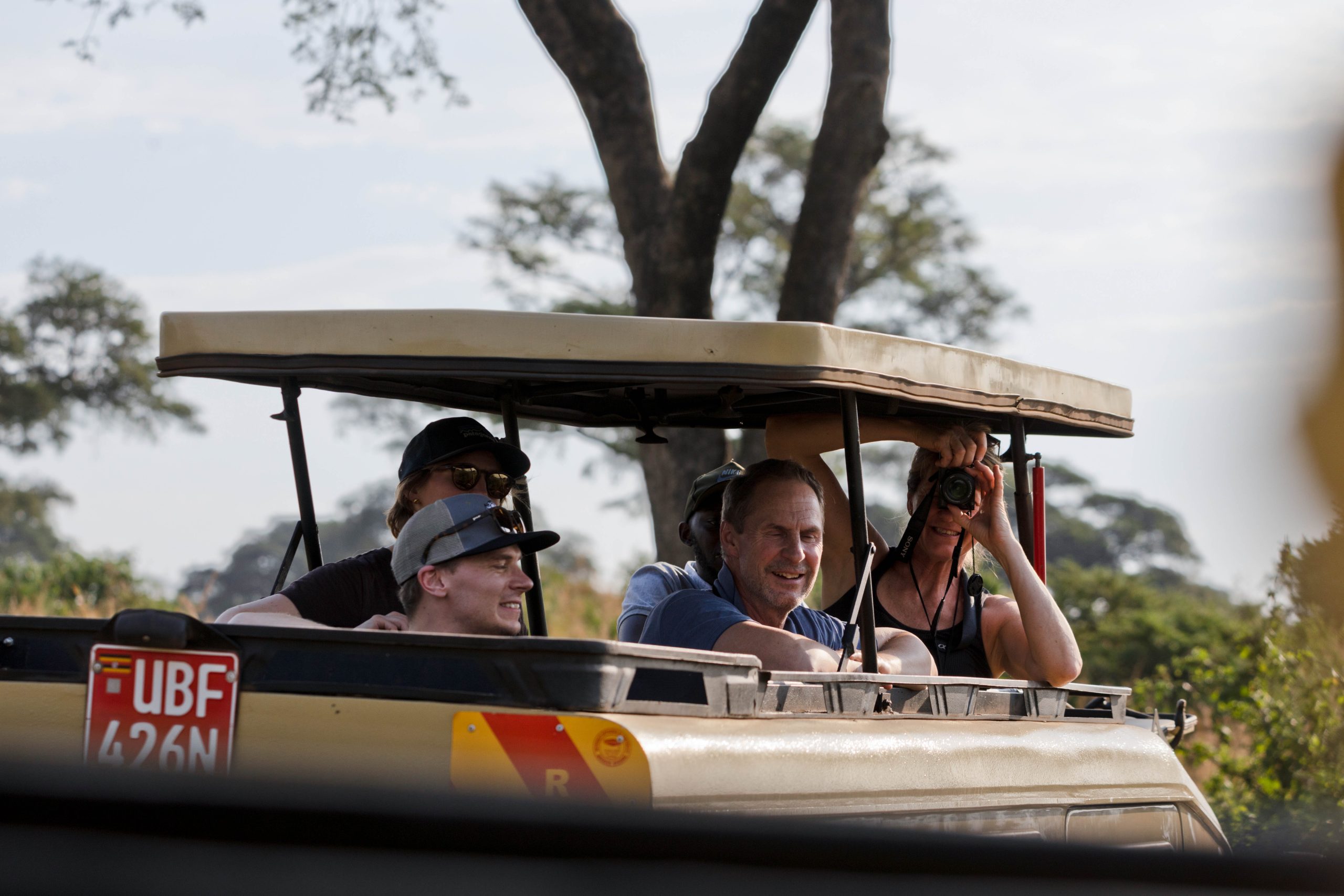
Safari Packing List for Men: Practical Essentials Without Overpacking
Packing for an African safari is easier when every item in your bag has a clear purpose. You need clothing that handles warm afternoons, chilly mornings, dusty game drives and, depending on your destination, sudden rain. You also need comfortable footwear, personal care products and a few practical accessories that make long days outdoors easier. The challenge is preparing for different conditions without carrying more luggage than necessary.
For men, a practical safari wardrobe usually consists of lightweight trousers, breathable shirts, comfortable underwear, suitable walking shoes and a few adaptable layers. The exact combination depends on the itinerary. A week of game drives in Kenya’s Maasai Mara requires different equipment from a gorilla trekking adventure in Uganda’s Bwindi Impenetrable National Park. A walking safari also calls for more attention to footwear and protective clothing than a trip spent mainly in a vehicle.
Overpacking can create unnecessary problems, especially when your itinerary includes small aircraft, several lodges or long road transfers. Extra bags take up space, make transfers less convenient and leave you carrying items you may never use. A smaller, carefully planned wardrobe is often more useful than a large suitcase filled with separate outfits for every day.
The best approach is to prepare for the activities you have booked, check the expected weather and select clothes that work together. With a few versatile essentials, you can remain comfortable and prepared throughout your safari without travelling with excessive luggage.
Understand Your Safari Before Packing
Your itinerary should determine what goes into your bag. Africa has a wide range of climates, and conditions can change considerably between destinations. The dry savannah, tropical rainforest, mountain slopes and coastal regions each create different packing requirements.
In Tanzania’s Serengeti National Park and Kenya’s Maasai Mara National Reserve, early morning game drives can feel cold, particularly when a vehicle moves across open plains. By late morning, temperatures may rise considerably. A lightweight shirt may be comfortable in the afternoon, but you could need a fleece or jacket before sunrise.
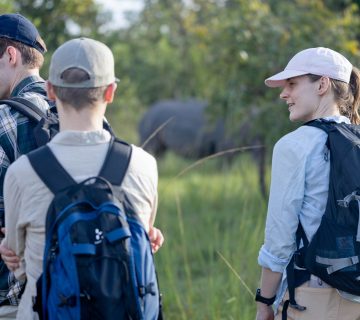
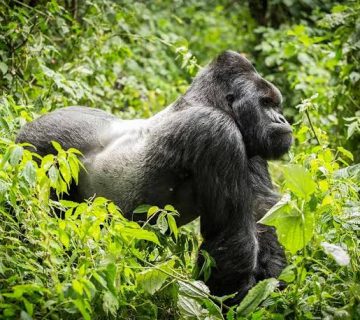
Uganda’s safari destinations offer a different combination of conditions. Murchison Falls National Park and Queen Elizabeth National Park often experience warm days, while Bwindi’s forested highlands can be cooler and wetter. Gorilla trekking may involve steep slopes, muddy trails and dense vegetation, so protective clothing and reliable footwear become more important.
Rwanda’s Volcanoes National Park also requires preparation for mountain weather, rain and challenging walking conditions. A traveller who packs only for warm weather may find that the clothing is inadequate for an early start or a long trek.
Before choosing your clothes, consider how much time you will spend in a vehicle, whether you will walk through forests, and whether your accommodation offers laundry services. Check the expected weather for the actual dates of travel. These details will help you avoid packing for conditions that are unlikely to occur.
Choose Clothing That Works for Multiple Activities
The most effective safari wardrobe contains pieces that can be combined in several ways. Rather than packing a separate outfit for each day, select trousers, shirts and layers that coordinate with one another. This approach reduces luggage while giving you enough flexibility to respond to changing weather.


No comment