
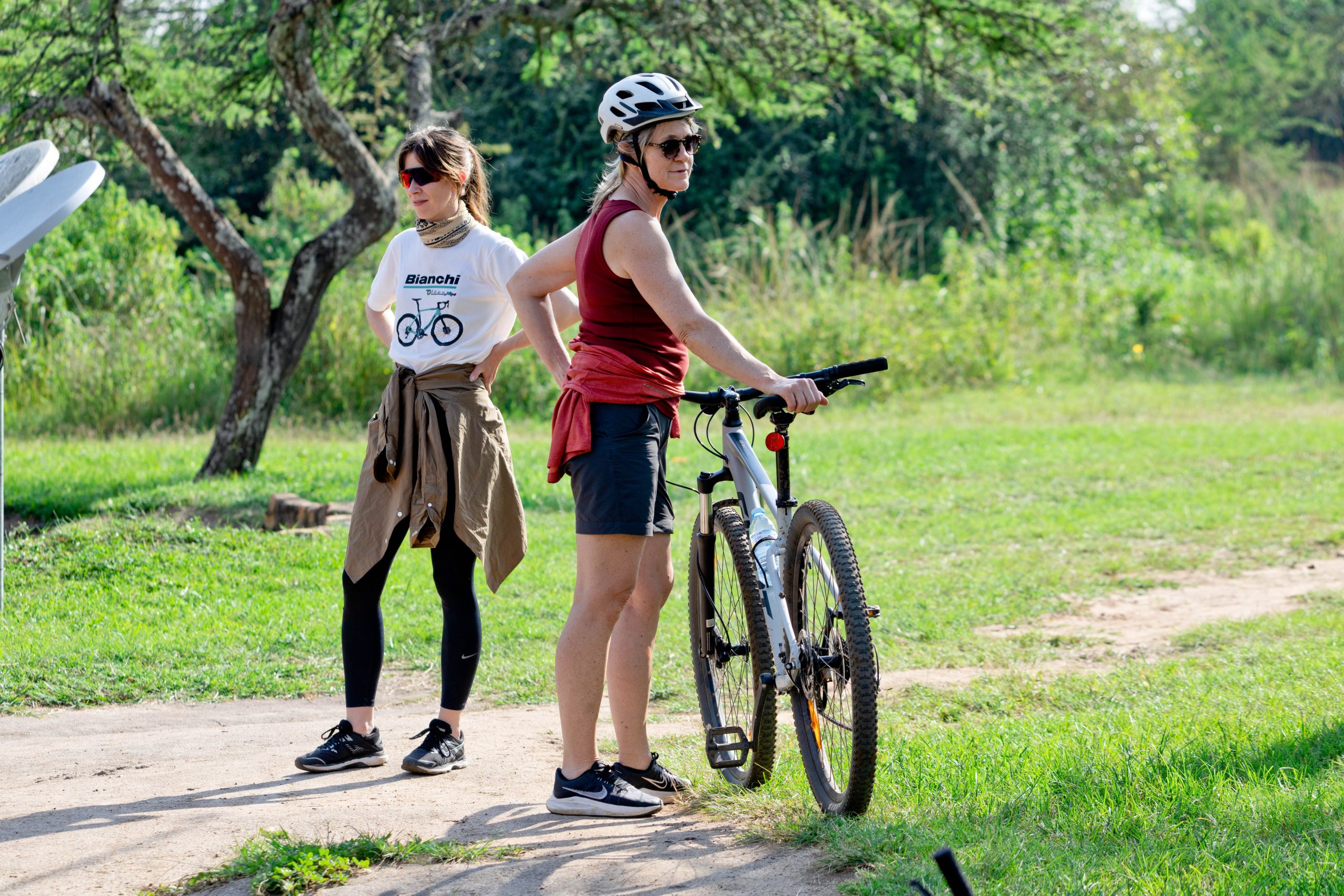
Safari Packing List for Women: Fit, Fabric and Layering Tips
Packing for an African safari requires more thought than choosing a few comfortable outfits and placing them in a suitcase. The right clothing can make early morning game drives more comfortable, help you manage changing temperatures, protect your skin from the sun and reduce irritation during long hours in a safari vehicle. For women, fit, fabric and layering deserve particular attention because safari days often involve several different activities, from sitting in an open vehicle before sunrise to walking through warm forests or spending an afternoon at a lodge.
Your packing choices should reflect the destination, season, planned activities and length of your trip. A woman travelling to Uganda for gorilla trekking will need different clothing from someone spending several days on game drives in Tanzania’s Serengeti National Park. A walking safari in Zambia also requires different footwear and clothing from a relaxed lodge-based safari in Kenya.
The aim is not to pack an entire wardrobe. It is to select versatile pieces that work together, feel comfortable throughout the day and dry quickly when necessary. With a practical approach, you can travel with fewer items without sacrificing comfort, personal style or preparedness.
Understanding the Conditions You Will Face on Safari
African safari destinations do not share one uniform climate. Temperatures, rainfall, humidity and altitude vary considerably between countries and even between parks within the same country. Your packing list should therefore begin with your itinerary rather than a general idea of what safari clothing should look like.
In Tanzania’s Serengeti and Kenya’s Maasai Mara, early morning game drives can feel surprisingly cold, especially when the vehicle is moving across open plains. The same day may become hot by late morning, with strong sunshine during the afternoon. Clothing that works well in the cold hours may feel uncomfortable once temperatures rise.
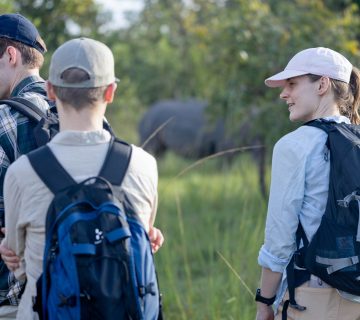
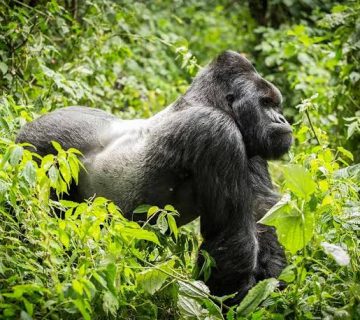
Uganda presents a different range of conditions. Queen Elizabeth National Park and Murchison Falls National Park can experience warm days, while Bwindi Impenetrable National Park has a cooler, wetter forest environment in many areas. Gorilla trekking often involves steep terrain, muddy trails and thick vegetation. Clothing must accommodate movement, moisture and changing conditions rather than simply looking appropriate for a photograph.
Rwanda’s Volcanoes National Park also requires preparation for cool mountain weather, rain and demanding forest walks. Even when conditions appear pleasant at the lodge, temperatures and ground conditions can change during a trek.
Before packing, check the expected conditions for every destination on your route. Consider the month of travel, altitude, time spent outdoors and whether your activities include walking, boating, cycling or extended game drives. This information will help you decide how many warm layers, lightweight tops, protective trousers and changes of clothing you actually need.
Choosing Safari Clothing That Fits Properly
Fit is one of the most important considerations when selecting safari clothing. Clothes that feel comfortable in a hotel room may become restrictive after several hours in a vehicle or during a long walk over uneven ground. A good safari wardrobe allows you to sit, stretch, bend, climb and walk without constantly adjusting your clothing.
Trousers That Allow Easy Movement
Safari trousers should provide enough room around the hips, thighs and knees to support natural movement. Very tight trousers may become uncomfortable when climbing into a high safari vehicle, stepping over obstacles or walking uphill. Extremely loose trousers can also cause problems if the fabric catches on branches or becomes awkward during movement.
Straight-leg, relaxed-fit and lightweight outdoor trousers are useful options. Stretch panels or a small amount of elastane can improve comfort, particularly for women who plan to spend time trekking. A flexible waistband may also help when sitting for long periods or moving between activities.
For forest trekking, choose trousers that cover the legs and fit securely around the waist. The lower legs should work comfortably with long socks and sturdy boots. Depending on local guidance, you may need to tuck trouser legs into socks or secure them around the boots to reduce gaps where insects or vegetation could reach the skin.
Avoid relying exclusively on leggings. Although they can be comfortable for travel or light activities, thin leggings may offer limited protection against scratches, biting insects and rough vegetation. If you prefer leggings, choose a durable outdoor pair and consider wearing them beneath more protective trousers when the activity calls for it.
A practical safari wardrobe usually includes two or three pairs of trousers for a week-long trip, depending on laundry availability. Choose colours that coordinate with your tops so you can create several outfits without packing unnecessary extras.
Shorts, Skirts and Dresses
Shorts can be comfortable during warm weather, particularly at a lodge, around the pool or during relaxed travel days. However, they are not suitable for every safari activity. Some walking excursions require longer clothing, and gorilla or chimpanzee trekking usually calls for protective trousers because of dense vegetation and possible contact with stinging plants.
Skirts and dresses can be useful for lodge dinners, city visits and relaxed afternoons. Lightweight dresses made from breathable fabric are particularly convenient in hot weather. They take up little space and can provide a comfortable alternative to trousers after a dusty game drive.
When choosing a dress or skirt, consider how easily you can sit in a safari vehicle, climb steps and move around outdoor dining areas. Very short or restrictive designs may be less practical for these activities. A longer, relaxed fit can offer greater flexibility while still allowing you to maintain your personal style.
There is no need to avoid feminine clothing on safari. The key is to match each outfit to the activity. Pack practical outdoor clothes for wildlife viewing and trekking, then include a small number of comfortable pieces for evenings and time at your accommodation.
Shirts That Sit Comfortably
Safari shirts should allow airflow without becoming so oversized that they interfere with movement. A relaxed fit works well in warm conditions because it leaves room for air to circulate around the body. For cooler mornings, a long-sleeved shirt can provide an additional layer beneath a fleece or lightweight jacket.
Button-up shirts are useful because they can be worn open over a vest or lightweight top. They also allow you to adjust ventilation as temperatures change. Choose designs that do not pull tightly across the chest, shoulders or upper back when you reach forward or lift your arms.
Women who prefer a more fitted style can choose shaped outdoor shirts, provided they remain comfortable during movement. There is no requirement to wear loose, oversized clothing throughout a safari. Fit should support the activity rather than follow a rigid dress code.
For a week-long safari, four or five versatile tops are often enough if laundry is available. Include a mixture of short-sleeved and long-sleeved options so you can respond to weather changes without packing a separate outfit for every day.
Selecting Fabrics for Heat, Humidity and Rain
Fabric choice affects how comfortable you feel throughout a safari. Some materials hold moisture against the skin, while others dry quickly and allow better airflow. The best option depends on whether you are dealing with dry heat, humid conditions, cool mornings or frequent rain.
Lightweight Synthetic Fabrics
Technical polyester and nylon blends are common choices for outdoor clothing because many versions dry quickly and resist wrinkles. They are particularly useful when travelling between lodges, spending long hours in a vehicle or washing clothes during a multi-day trip.
Quick-drying fabric can be valuable in Uganda and Rwanda, where forest trekking may involve rain, wet vegetation and humid conditions. If a shirt becomes damp during a trek, it may dry faster than a heavy cotton garment once you return to your accommodation.
However, not all synthetic fabrics perform equally. Some retain odours more readily than others, and poorly ventilated designs can feel uncomfortable in high humidity. Look for lightweight fabrics with good airflow, especially for tops worn directly against the skin.
Outdoor clothing does not have to be expensive to be useful. A well-made, lightweight shirt from an affordable brand may perform perfectly well if it dries quickly, fits comfortably and withstands repeated washing.
Merino Wool for Temperature Regulation
Merino wool can be useful for safari travel, particularly in socks, base layers and lightweight tops. It can help regulate temperature, manage moisture and resist odours during repeated wear. Thin merino garments are especially practical for cool mornings followed by warmer afternoons.
A merino base layer may be useful for an early game drive in the Serengeti or Maasai Mara. It provides warmth without the bulk of a heavy sweater. When temperatures rise, you can remove the outer layer and continue wearing the base layer comfortably.
Merino wool is not essential, and it may cost more than synthetic alternatives. Some travellers also find wool irritating against sensitive skin. If you are unsure, test the garment before travelling rather than discovering discomfort during a long day outdoors.
Cotton and Linen in Hot Weather
Cotton is comfortable for everyday wear and can work well during relaxed lodge activities or city visits. The main limitation is that heavier cotton garments tend to absorb moisture and dry slowly. This can become inconvenient during humid weather, sweaty walks or rainy forest excursions.
Lightweight cotton shirts may still be appropriate for dry, relaxed days. The important distinction is between using cotton where it performs well and relying on it for every activity.
Linen is breathable and attractive in hot weather. Loose linen shirts, trousers and dresses can be excellent choices for lodge settings or warm afternoons. However, linen wrinkles easily, and some versions are less practical for rough outdoor activities. A linen outfit is better suited to relaxed travel than to a muddy gorilla trek.
For most safari itineraries, a mixture of technical outdoor fabrics and comfortable natural fibres provides the greatest flexibility. Use quick-drying clothing for active days and reserve softer, more delicate pieces for the lodge or town.
Waterproof and Water-Resistant Materials
Rain protection is essential for many East African safaris, particularly when trekking in forested areas or travelling during wetter months. A lightweight waterproof jacket can protect you from rain without occupying much space in your bag.
Water-resistant fabric may shed light rain, but it should not be treated as a substitute for a waterproof garment during prolonged rainfall. If you expect serious rain, choose a jacket with reliable waterproof protection and a hood that fits securely.
Breathability matters as much as water resistance. A jacket that traps heat and perspiration can become uncomfortable during uphill walks. Look for a balance between weather protection, ventilation and weight.
A compact rain jacket is generally more versatile than a heavy coat. For cold mornings, wear it over a fleece or other insulating layer. For warm, rainy conditions, a lightweight base layer beneath the jacket may be sufficient.
Mastering the Art of Layering
Layering allows you to adapt your clothing to changing temperatures without carrying several bulky outfits. It is particularly useful on game drives, where the morning may begin in darkness and cold air before progressing into bright sunshine.
The most practical system uses a lightweight base layer, a warm middle layer and a protective outer layer. You do not need all three at every moment. Instead, add or remove layers according to the conditions.
Start With a Comfortable Base Layer
The base layer sits next to your skin, so it should feel soft, fit comfortably and manage moisture effectively. Lightweight synthetic fabric or merino wool can work well for early starts and active days.
Avoid choosing a base layer that is too tight or difficult to remove beneath other clothing. You should be able to move your shoulders and arms freely, particularly if you will be climbing into a vehicle or carrying a daypack.
For warm destinations, a breathable short-sleeved top may be enough beneath a shirt. In cooler highland areas, a thin long-sleeved base layer can provide additional warmth without adding much bulk.
Consider how each base layer works with the rest of your wardrobe. Neutral colours are easy to combine, and a simple design can be worn beneath different shirts or jackets.
Add a Warm Middle Layer
A fleece jacket, lightweight pullover or thin insulated jacket is useful during cold mornings. Fleece provides warmth without the weight of a thick winter coat, and many designs can be packed into a small space.
For a dawn game drive, wear a long-sleeved top beneath a fleece and add a wind-resistant jacket if needed. As the sun rises, remove the outer layer first. You can then take off the fleece when temperatures increase.
A lightweight insulated jacket may be useful in colder highland destinations or during travel in the cooler season. However, it is rarely necessary to pack a heavy winter coat for a typical East African safari. A combination of lighter layers usually provides more flexibility.
Women who feel cold easily should pay attention to their hands, neck and head as well as their torso. A light scarf, beanie or thin gloves may make a significant difference during an early game drive. These accessories are small enough to carry without taking up much luggage space.
Finish With an Outer Layer
The outer layer protects you from wind and rain. It should fit over your other clothing without restricting your shoulders or making movement difficult.
A lightweight windproof jacket is useful on open plains, where moving vehicles can create a strong wind chill. A waterproof shell offers greater protection when rain is expected. Some jackets provide both features, which can reduce the number of items you need to pack.
Avoid relying on a thick jacket as your only source of warmth. If the weather becomes warmer, you may have to carry it around or wear something too heavy for the conditions. Several light layers offer better temperature control.
Before travelling, try on your base layer, fleece and jacket together. Raise your arms, bend forward and sit down. The clothing should remain comfortable in all these positions. A jacket that fits well over a T-shirt may feel restrictive when worn over two additional layers.
Choosing the Right Colours for Safari
Safari clothing is often associated with khaki, olive green, beige and brown. These colours are practical because they generally conceal dust better than very dark or very bright fabrics and coordinate easily with one another.
Neutral clothing can also make packing simpler. If your trousers, shirts and jacket share a similar colour palette, you can create several combinations from a small number of items. This is especially useful when luggage space is limited.
For game drives, earth-toned clothing is a sensible choice. Avoid wearing strong camouflage patterns in places where local regulations restrict them. In some African countries, camouflage clothing is associated with military or security services and may be prohibited for civilians.
Bright colours are not universally forbidden on safari, but practical considerations still apply. Light-coloured garments can show dust and mud quickly, while very dark fabrics may feel hotter in strong sunshine. Some travellers also prefer to avoid highly reflective clothing during wildlife viewing.
For gorilla trekking, choose durable clothing that provides protection against vegetation. Colour is less important than coverage, fit and suitability for the terrain. Follow your guide’s instructions and the park’s guidance rather than assuming that a particular colour is compulsory.
At lodges and camps, you can wear brighter colours or patterned outfits if you prefer. There is no need to keep every piece of clothing within a traditional safari palette. A few neutral outdoor basics combined with personal favourites can create a practical and attractive travel wardrobe.
Footwear That Supports Your Activities
Footwear deserves as much attention as clothing because the wrong shoes can affect your comfort throughout the trip. The best option depends on whether your itinerary focuses on vehicle-based wildlife viewing, forest trekking, walking safaris or a combination of activities.
Shoes for Game Drives
For ordinary game drives, comfortable walking shoes, trainers or lightweight hiking shoes are usually sufficient. You may spend much of the day seated, but you will still need to get in and out of the vehicle, walk around camp and move across uneven ground.
Choose shoes that fit properly and have already been worn several times. New shoes can cause blisters, particularly when your feet swell slightly in hot weather or you spend longer walking than expected.
Breathable footwear can improve comfort in warm conditions. However, open sandals are not always the best choice for outdoor activities because they provide limited protection from dust, insects and rough surfaces.
You do not need heavy hiking boots for every safari. If your itinerary consists mainly of game drives in open savannah parks, lightweight shoes may be more comfortable and easier to pack.
Boots for Gorilla and Chimpanzee Trekking
Gorilla trekking in Uganda or Rwanda often requires sturdy footwear with good grip. Trails may be muddy, slippery, steep or covered with roots. Waterproof hiking boots can be useful, especially when conditions are wet.
Look for boots that support your ankles, provide reliable traction and fit comfortably with the socks you plan to wear. The toe box should allow your toes to move naturally, while the heel should remain secure without excessive rubbing.
Break in your boots before the trip. Wear them on walks of increasing length so you can identify pressure points and adjust your socks if necessary. Do not wait until the morning of your trek to discover that the boots are uncomfortable.
For chimpanzee tracking, the terrain and vegetation vary between destinations. Forest trails may be wet, uneven and slippery, so suitable walking footwear is important even when the hike appears short on paper.
Socks and Foot Comfort
Socks help control moisture, reduce friction and protect your feet inside boots. Lightweight hiking socks made from merino wool or synthetic blends are useful for long walks. Cotton socks can work for everyday use, but they may remain damp after heavy sweating or rain.
Pack enough socks for your itinerary, including spare pairs for trekking days. If your boots become wet, a dry pair can improve comfort after the activity. Consider carrying blister plasters and a small amount of foot-care supplies if you are prone to rubbing.
Your shoes and socks should be tested together. A boot that feels comfortable with thin socks may become tight with thicker hiking socks. Similarly, socks that bunch around the toes can create pressure during a long descent.
Underwear, Bras and Clothing for Long Days Outdoors
Comfortable underwear is easy to overlook when preparing for a safari, yet it can make a substantial difference during long drives and active days. Choose breathable, moisture-managing fabrics and styles that remain comfortable when sitting for several hours.
Seamless or low-friction underwear may help reduce irritation in hot weather. Avoid introducing unfamiliar designs immediately before travel. Test your preferred options during a full day of walking or sitting so you know how they perform.
Sports bras can be useful for women planning to hike, trek or participate in active excursions. Choose a level of support appropriate for the activity without sacrificing comfort. For ordinary game drives, a well-fitting everyday bra may be perfectly adequate.
Pack enough underwear for the trip, taking laundry access into account. Quick-drying designs can reduce the amount you need to carry, but they should still feel comfortable against your skin. If you have sensitive skin, avoid experimenting with new detergents or fabrics immediately before departure.
A comfortable sleepwear set is also worth including. Lodges can feel cool at night, especially in elevated areas, while some camps remain warm. Lightweight pyjamas and a thin extra layer should cover most conditions without taking up much space.
Sun Protection Beyond Clothing
Sun protection is essential on safari because game drives often involve several hours outdoors. Even when you are sitting inside a vehicle, sunlight can reach your face, neck and arms through open windows or an exposed roof.
A wide-brimmed hat provides shade for the face, ears and neck. Choose one that fits securely so it does not blow away when the vehicle is moving. A cap can be useful, although it provides less protection for the sides of the face and neck.
Long sleeves can help protect the skin from direct sunlight. Lightweight shirts with a high ultraviolet protection factor may be especially useful for travellers who spend extended periods outdoors. A breathable fabric is important because sun-protective clothing should not create unnecessary heat.
Sunglasses reduce glare and make it easier to look across open landscapes during bright conditions. Choose a comfortable pair with suitable ultraviolet protection and a secure case for storage.
Apply broad-spectrum sunscreen to exposed skin and reapply it according to the product instructions, particularly after sweating or contact with water. Clothing and shade should complement sunscreen rather than replace it entirely.
A lightweight scarf or neck covering can offer additional protection from dust, wind and sun. It can also provide warmth during early morning drives. Choose a fabric that feels comfortable around your neck and does not become irritating in hot weather.
Clothing for Insects, Scratches and Forest Trekking
Forest activities require more protective clothing than ordinary game drives. Gorilla and chimpanzee trekking can involve walking through thick vegetation, crossing muddy sections and brushing against branches. Long trousers and long-sleeved tops help reduce direct contact with plants and insects.
Choose durable fabric rather than very thin material that can tear easily. Clothing should allow you to lift your legs, step over roots and maintain balance on uneven ground. A snug but comfortable fit around the wrists and ankles can also reduce the amount of exposed skin.
For some gorilla trekking excursions, guides may recommend tucking trousers into long socks or wearing gaiters. This can help limit contact with vegetation and keep debris out of footwear. Follow the instructions provided by the park or trekking operator, as conditions vary.
Gardening gloves or lightweight protective gloves may be useful on some forest treks, particularly where vegetation is dense. They can protect your hands when holding branches for balance. Check local guidance before packing specialist equipment, and do not pull or break vegetation unnecessarily.
Insect repellent may be appropriate depending on the destination and conditions. Use products according to their labels, and ask your healthcare professional about suitable precautions before travelling if you have particular sensitivities or medical concerns.
Do not assume that all forest walks require identical equipment. A short guided walk on a maintained trail may need less protection than a demanding trek through steep, wet vegetation. Your guide’s advice is the best basis for final decisions.
What to Wear During Different Safari Activities
A single packing list becomes more useful when you connect each clothing choice to a specific activity. This prevents you from carrying unnecessary items and helps you identify any gaps before departure.
Early Morning Game Drives
For a dawn game drive, start with a comfortable base layer, long trousers, a fleece or pullover and a wind-resistant outer jacket. Add a hat or scarf if you are sensitive to cold air. Keep the layers easy to remove because temperatures may rise quickly after sunrise.
Comfortable closed shoes are usually sufficient for ordinary vehicle-based wildlife viewing. A warm pair of socks can also help, particularly when the vehicle is open or moving at speed.
Carry sunglasses and a hat in your daypack so they are ready when the sun becomes stronger. A small bag for removed layers can keep the vehicle organised and prevent clothing from becoming dusty.
Hot Afternoon Game Drives
During warm afternoon drives, lightweight trousers and a breathable shirt provide a practical combination. Long sleeves can protect your arms from the sun without making you excessively hot, provided the fabric allows airflow.
If temperatures are high, choose pale or medium earth tones and avoid heavy materials. A hat, sunglasses and water bottle are useful additions. The vehicle may provide shade, but this does not eliminate the need for sun protection.
Some travellers prefer shorts during very hot weather, particularly while travelling between activities. Whether they are suitable depends on the planned excursion and the level of protection you want from dust, insects and vegetation.
Gorilla Trekking in Bwindi or Volcanoes National Park
For gorilla trekking, wear long, durable trousers, a long-sleeved top, hiking socks and sturdy boots with good traction. Add a waterproof jacket if rain is possible. The combination should protect your skin while allowing you to move freely through forest terrain.
Avoid jeans that become heavy when wet or dry slowly. Thick cotton clothing may be uncomfortable in humid conditions, particularly when you are sweating or walking through rain. Quick-drying outdoor fabrics are often more practical.
A small daypack can hold water, snacks where permitted, a rain jacket and other essentials. Keep your hands as free as possible for balance and follow the guide’s instructions throughout the trek.
Trekking conditions differ from one day to another. Some groups may reach the gorillas after a relatively short walk, while others may spend several hours on steep or muddy ground. Dress for the possibility of a demanding trek rather than assuming it will be easy.
Lodge Evenings and Dinner
Most safari lodges do not require formal evening clothing. Comfortable trousers, a clean shirt, a casual dress or a lightweight cardigan will usually be appropriate. Some luxury properties have a more polished dining atmosphere, but practical smart-casual clothing is generally sufficient.
Bring a light sweater or wrap because outdoor dining areas can become cool after sunset. If your lodge is in a highland region, temperatures may drop more sharply than expected.
There is no need to pack a separate evening outfit for every night. Two versatile options can often be combined with the same shoes and accessories. Choose clothing that is comfortable after a long day and easy to wash if it becomes dusty.
A Practical Packing Plan for a Seven-Day Safari
For a seven-day safari, the aim is to pack enough clothing for changing conditions without filling your luggage with items you will rarely wear. The following quantities provide a useful starting point, although your activities and access to laundry may change what you need.
Four or five breathable tops can cover most daytime activities. Include a combination of short-sleeved and long-sleeved designs. Three pairs of outdoor trousers may be enough for many itineraries, while an additional pair can be useful for wet or muddy trekking conditions.
Pack one fleece or lightweight warm layer, one waterproof or wind-resistant jacket, and enough base layers for the expected weather. If your itinerary includes highland trekking, bring suitable thermal or lightweight insulating clothing rather than relying on a single thick garment.
Two pairs of comfortable footwear may be appropriate: one pair for ordinary walking and game drives, and another suitable for trekking if your main shoes become wet. If you have limited luggage space, choose footwear that can serve more than one purpose without compromising safety or comfort.
Pack underwear and socks according to your personal needs and laundry access. A spare pair of trekking socks can be particularly useful. Include sleepwear, a hat, sunglasses and a light scarf or wrap.
For lodge evenings, one or two casual outfits are generally sufficient. You may also want a swimsuit if your accommodation has a pool. These items should complement your outdoor wardrobe rather than occupy most of your luggage.
Laundry availability varies between properties. Some lodges offer paid laundry services, while others may have restrictions on washing certain garments because of local water conservation practices or wildlife considerations. Ask your operator or accommodation provider about laundry before deciding how much clothing to bring.
Packing for Different Luggage Restrictions
Some safari itineraries involve small aircraft, particularly when travelling between remote camps in Tanzania, Kenya or other safari destinations. These flights may impose strict weight and bag-size limits. The rules depend on the airline, aircraft and route, so confirm the exact allowance before packing.
Soft-sided luggage is often more practical than a rigid suitcase when travelling on light aircraft or moving between vehicles. A compact duffel bag can fit into limited storage spaces more easily, although it should still protect your belongings and remain comfortable to handle.
Choose clothing that can be combined into several outfits. Neutral trousers, versatile tops and one warm layer reduce the need for separate clothing for every day. Rolling clothes or using packing cubes can help organise the bag, but the greatest space saving comes from reducing unnecessary items.
Keep essential medication, travel documents and any critical personal items in your hand luggage, subject to applicable travel and airline rules. A change of clothes may also be useful if checked luggage is delayed.
For gorilla trekking, keep your daypack small enough to carry comfortably over uneven terrain. You do not need to bring your entire safari wardrobe into the forest. Carry only the items required for the trek and any additional supplies recommended by your guide.
Personal Care Items That Support Clothing Comfort
A well-planned clothing list works best when supported by a few practical personal care items. Anti-chafing balm may help if you are prone to irritation during long walks or in hot, humid weather. Test it before travelling to make sure it suits your skin.
Blister plasters can be useful on trekking days, particularly if you will be walking in boots for several hours. A small laundry bag keeps worn clothing separate from clean items, while a few resealable bags can protect dry clothing from rain or damp equipment.
Travel-sized laundry detergent may be useful when washing a small number of items by hand, provided your accommodation permits it. Follow local water-use guidance and avoid washing products directly in rivers or natural water sources.
If you use menstrual products, pack enough for the journey and consider carrying additional supplies for remote destinations where shops may be limited. The availability of preferred products can vary between towns, lodges and camps. A small waterproof pouch can help keep supplies organised during long game drives or trekking days.
Bring personal toiletries that you already know work well for you. Safari travel is not the best time to test unfamiliar products that may irritate your skin. Keep liquids within the applicable airline limits when travelling with cabin baggage.
Common Safari Packing Mistakes Women Can Avoid
One frequent mistake is packing too many outfits. Safari days often begin early, involve dusty vehicles and leave little time for elaborate clothing changes. A small collection of versatile items is usually more practical than a different outfit for every activity.
Another mistake is prioritising appearance over fit. Trousers that look excellent but restrict movement can become frustrating during a long drive or trek. Test clothing by sitting, bending and walking before deciding to pack it.
Some travellers bring heavy jackets because they expect Africa to be uniformly hot during the day and cold at night. In reality, most safari itineraries are better served by adaptable layers. A fleece and lightweight outer jacket can provide more flexibility than one bulky coat.
Relying entirely on cotton can also cause problems in wet or humid conditions. Cotton remains useful for relaxed wear, but quick-drying fabrics are often more practical for strenuous activities and changing weather.
New footwear is another avoidable risk. Shoes that have not been broken in can cause blisters and make trekking unpleasant. Wear them before the trip and confirm that they work with your chosen socks.
Finally, do not assume that every safari requires the same equipment. A lodge-based trip across open savannah has different needs from a gorilla trek through a tropical forest. Build your list around your confirmed itinerary, the expected weather and the advice of your safari operator.
Preparing Your Wardrobe Before Departure
Several days before leaving, lay out your clothing and match each item to a planned activity. Check that your trousers work with your boots, your jackets fit over your warm layers and your tops coordinate with the rest of your wardrobe.
Try on the complete outfit you intend to wear for the most demanding activity. For gorilla trekking, this means wearing your trousers, socks, boots and protective layers together. Walk around for a while and check for rubbing, tightness or restricted movement.
Inspect your clothing for loose seams, broken zips and damaged fasteners. Repair small problems before departure rather than relying on finding replacements at a remote lodge. Wash new garments if recommended by the manufacturer and test any insect-repellent treatment according to its instructions.
Review the weather forecast shortly before travel, but remember that forecasts can change. Keep at least one flexible warm layer and a rain jacket available even if conditions look dry. Forests and highland areas can experience local weather that differs from nearby towns.
Most importantly, avoid buying specialist clothing simply because it appears on a generic safari checklist. Start with what you own, identify genuine gaps and purchase only the items needed for comfort, protection and safety. A practical wardrobe does not depend on expensive brands or matching outfits.
The most effective safari packing list is one that supports the way you will actually travel. Well-fitting trousers, breathable shirts, comfortable underwear, suitable footwear and adaptable layers will serve you better than a suitcase filled with clothing chosen only for photographs. When every item has a clear purpose, you can spend less time thinking about what to wear and more time enjoying the wildlife, landscapes and cultural experiences that make an African safari memorable.


No comment