The Economics of the Shoebill Bird
When people think about animals that’re in danger, they usually think about how beautiful they are or how rare they are. They also think about how it makes them feel to protect these animals.. There is another way to think about this. The shoebill bird has value when it comes to money. When the places where animals live are healthy, they create jobs. Help people visit these places. They also help people have food and make their communities stronger. The shoebill bird is an example of this.
The Economics of the Shoebill Bird is not just about counting how many shoebill birds are left. It is about understanding how this one special bird can affect people’s lives, businesses, and the money spent to protect the places where the shoebill bird lives. Every decision we make today about protecting these places affects not only the animals but also the people who depend on them.
In Uganda, South Sudan, Zambia, and other parts of Central Africa, the shoebill bird has become a symbol of tourism. People travel far to see the shoebill bird even if it is just for a short time. This creates income for people who operate boats, local guides, hotels, transportation companies and communities near the shoebill birds home. At the time it gives us a good reason to protect these places, which are good for the environment.
The Shoebill Bird Is Worth More Alive Than Dead
For a time many people thought that the places where the shoebill bird lives were just empty land that could be used for farms. Some people thought that animals were only good for food or making money from activities.. Now people are starting to think differently. They are realizing that the shoebill bird can bring in money every year.
One shoebill bird can attract people who like to watch birds. These people spend money on places to stay, transportation, food and things to remember their trip by. This money helps the economy and creates jobs that are not just related to tourism.
Unlike making money from destroying the shoebill birds home tourism gives us a chance to make money over and over again. Long as the places where the shoebill bird lives are healthy and the birds are doing well communities can benefit for a long time.
The Shoebill Bird Creates Demand Around the World
The shoebill bird is one of the popular birds in Africa for people who like to watch birds. Many travelers plan their trips to include Uganda because it is one of the places to see the shoebill bird.
People who like to watch birds are willing to spend days looking for the shoebill bird. When they stay longer they spend money in the local economy. Hotels hire more people to work. Restaurants buy food from local farmers. Drivers get work. People who make things by hand sell more of their products.
Every time someone sees the shoebill bird it shows that protecting the environment can also help the economy in areas.
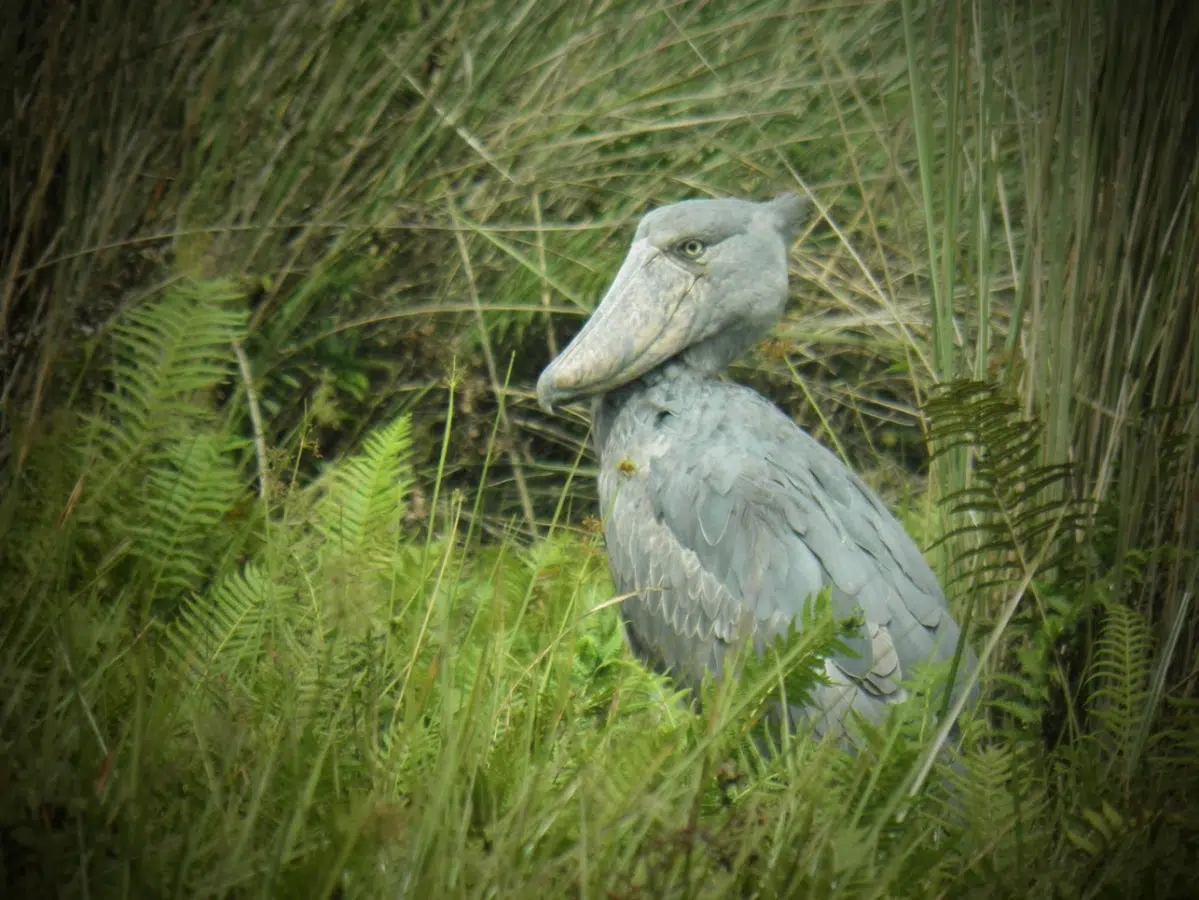
The Places Where the Shoebill Bird Lives Have Hidden Economic Benefits
The shoebill bird needs places to live. Protecting these places also protects the things that people need to survive, like water and food.
The places where the shoebill bird lives help filter the water, which means people do not have to spend much money to make the water clean. They also help prevent floods and make sure that the ground has water. They even help farmers grow food.
When these places are destroyed governments and communities have to spend a lot of money to replace the things that nature used to do for free.
So protecting the shoebill birds home has benefits that go beyond just protecting the bird.
Healthy Places Where the Shoebill Bird Lives Support Fishing
Many families who live near the shoebill birds home depend on fishing to make a living. The places where the shoebill bird lives provide a place for fish to breed which helps the fish population, in rivers and lakes.
If these places are destroyed it is harder for people to make a living from fishing.. If we protect these places we can help both people and the shoebill bird.
Tourism Helps Local People Make Money
When people visit to see the shoebill bird it creates a chain of economic activities that goes beyond just paying to get into the park.
Someone who wants to see the shoebill bird might hire a driver to pick them up from the airport stay in a lodge eat at restaurants rent a boat hire a guide buy things made by local people and do other activities to see more animals.
Each business helps families by paying them to work and buying things from them.
When many people visit every year the total amount of money they spend becomes very significant.
Small businesses especially benefit because many of the services that tourists use are provided by people, not big companies.
Conservation Creates Jobs
Protecting wildlife needs people to do the job. Rangers walk around the protected areas to keep an eye on things. Researchers watch the birds to see how they are doing. Community educators teach people how to take care of the earth. Ecotourism guides learn a lot about birds and the places they live.
These jobs give people a paycheck and help young people see how important it is to take care of the earth.
Many conservation projects also hire people from around the area to fix up the land get rid of plants, plant trees and watch out for the environment.
Now people do not think of conservation as a thing for the community. Instead they see it as a way to get a job.
Young People Find Opportunities
Some young people who wanted to leave their hometowns are now staying to work in conservation.
There are classes that help them become bird guides work in hospitality do research take pictures or teach people about the environment.
These jobs help them earn money and make their hometowns proud of taking care of wildlife.
The High Cost of Habitat Loss
When we develop the land we get money away. We might drain the wetlands to grow food build roads, houses or factories.
This money we get now is not worth what we lose in the long run.
When the wetlands are gone people do not come to visit anymore. There are fish. The flooding gets worse. The water is not clean. The animals disappear.
It costs a lot more to fix the damage we did than it would have to protect the land in the first place.
So conservation is not about the earth it is also about money.
Illegal Wildlife Trade Hurts Communities
One of the problems for birds is that people are taking them from the wild and selling them.
The people who do this might get some money. The people who live around there do not get anything. Instead they lose money from tourists and people think things about them.
If we take away some of the birds that have babies there will not be many birds for a long time.
The money we lose in the run is more than the money we get from selling the birds.
Education Changes Perspectives
Teaching people about the earth has become one of the ways to stop people from hurting wildlife.
When people know how money they can get from tourists they are more likely to help us stop the bad people and take care of the earth.
Some people who used to hunt birds now help take care of them because they know they can make money that way.
Investing in Conservation Pays Dividends
The government, groups that help the earth and people who have money are starting to see that taking care of the earth is an investment.
They might give money to the rangers, researchers or people who help the community. They might also build places, for tourists. Fix up the land.
Even though this costs money it helps us in the run. We get tourists the earth is healthier and the community has more money.
When we invest in conservation we also get help from countries and scientists which helps the community even more.
Communities Are Essential Partners
No program to protect the environment works without the help of the people who live nearby.
Communities that live near wetlands have a lot of knowledge about the wetlands. They know about the changes that happen during seasons the birds that come and go how people fish and what the environment is like.
When we include the community in our plans to protect the environment and we share the money we make and give people jobs and let them be a part of the decision making process the people who live there become our partners. They are not just people who are watching from the side.
This way of working makes our efforts to protect the environment stronger and longer lasting.
Sharing Tourism Benefits
When we share the money that tourists bring we can use it to build schools, health centers, clean water systems and other things that the community needs.
When families see that they are getting benefits from taking care of wildlife they start to care about it. They want to protect the shoebills because it’s good for them not just because someone else told them to.
When people get money from taking care of the environment it helps the environment. It also helps the people.
Climate Change Adds Economic Pressure
Climate change is making it harder for wetlands and the animals that live there.
The weather is. This means that sometimes it does not rain and sometimes it rains too much. It is also getting hotter. All of these changes can affect the water levels in the wetlands. Make it harder for the animals to survive.
The people who depend on the wetlands for fishing, farming and tourism might have a time making money.
If we protect the wetlands it can help us deal with the changes that are happening. The wetlands can store water prevent floods and keep the environment healthy.
If we take care of the wetlands now it can help us avoid losing money in the future.
Every Visitor Makes a Difference
Many people who travel do not realize that they can help take care of the environment.
If we choose to work with guides stay in lodges that are owned by the community respect the animals and buy things that are made locally we can help.
Every person who visits and respects the environment helps create jobs and shows that taking care of wildlife is important.
The choices we make can help decide what happens to the animals that’re in danger.
Looking Ahead
The story of the shoebill teaches us that taking care of the environment is connected to the economy. The health of the wetlands, the animals and the people is all connected. If we want to protect the shoebill we have to protect the jobs the tourism, the fishing and the environment.
We need to work to make sure that the wetlands are healthy and the animals can thrive. The government organizations that care about the environment, researchers, businesses and local communities all have to work
As people learn more they start to understand that taking care of the environment is one of the things we can do.
The story of the shoebill is a story of hope. It shows us that we can take care of the environment and have an economy at the same time. If we think of wildlife as something that’s valuable, for a long time not just something we can use once we can make a difference.
Every time we protect a wetland help a shoebill or have a tourism experience we are making the community stronger and the environment healthier.
If we protect the animals that’re in danger we are investing in a future that is healthy has clean water and is full of life. The story of the shoebill teaches us that nature is very valuable and if we take care of it everyone benefits. The shoebill also teaches us that sometimes the best things to do are the things that help us keep what we already have.