How Tourist Dollars Are Keeping Shoebills
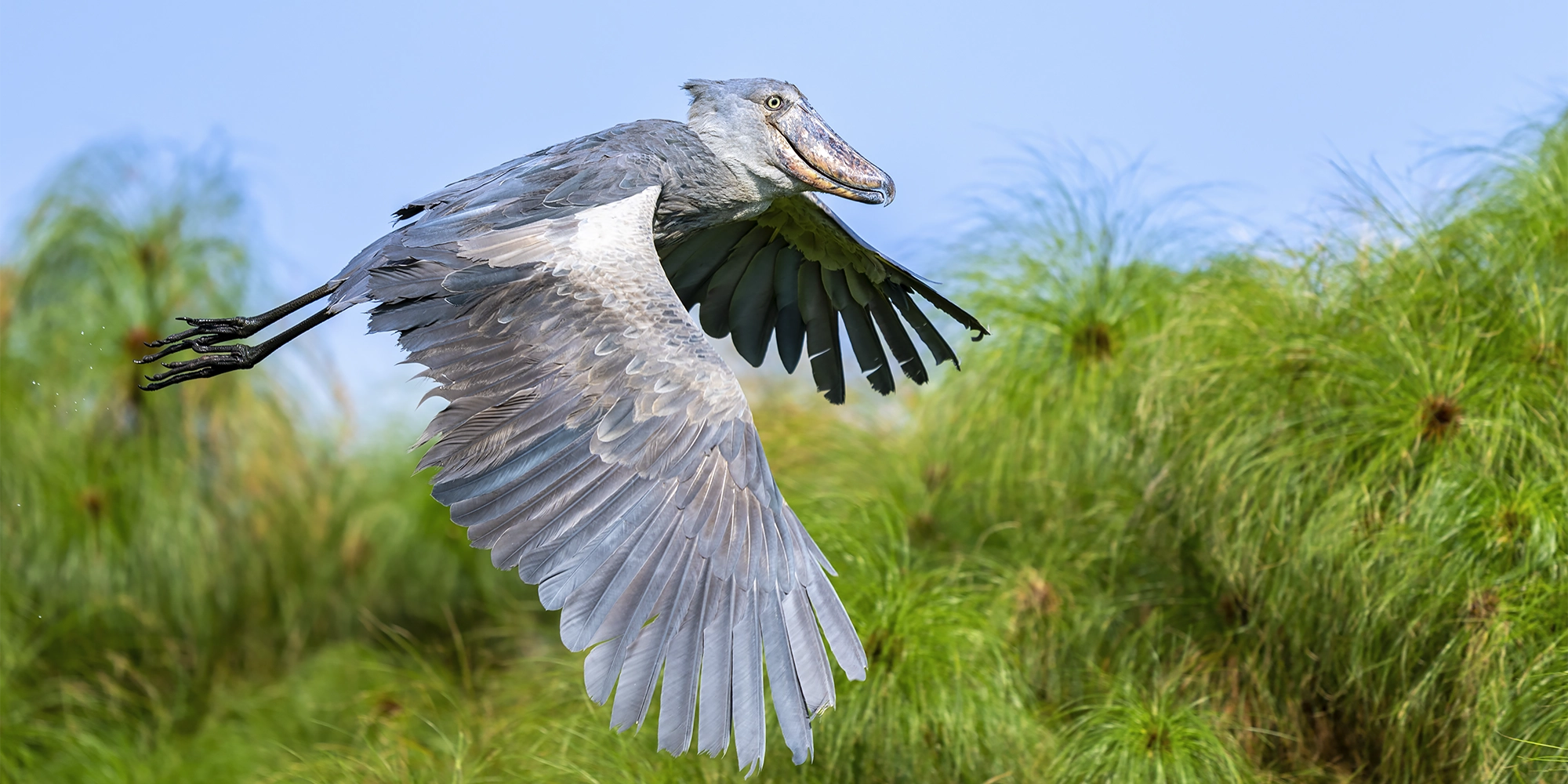
The wetlands of East and Central Africa are home to one of the world’s most amazing birds, the shoebill. The shoebill is a cool bird with its tall height, old-fashioned look, and shoe-shaped bill. People who like birds take pictures. Love nature come from all over the world to see the shoebill. For people, seeing a shoebill in the wild is the best part of their trip to Africa.
There is a lot more to seeing a shoebill than looking at it. The fact that more people want to see shoebills has created jobs for people and helps the shoebill survive. When people travel to the wetlands, hire guides, stay in lodges, and pay to help take care of the area, they are helping to protect the shoebill and its home.
How Tourist Dollars Are Keeping Shoebills Alive is not something people say. It is true that when people travel in a way that helps the local community and the animals that live there. Every person who chooses to travel in a way that does not hurt the environment is helping to protect the shoebill and its home.
As more people travel in a way, the future of the shoebill looks better. Local people start to see that it is better to protect the wetlands than to use them for farming or other things. This is a good thing because it shows that traveling can help people and the environment.
The Shoebills Fight for Survival
The shoebill is in trouble. Some things hurt the shoebill, like when people drain the wetlands, farm the land, catch the birds to sell, pollute the water and climate change.
Shoebills need wetlands with fish, lungfish, frogs and other things to eat. They are hunters that wait for a long time before catching their food. Because they need wetlands to live even small changes can hurt the shoebill.
Shoebills do not have babies. A pair of shoebills usually only raises one baby at a time. This makes it hard for the shoebill population to grow when some birds die.
So it is very important to protect the adult shoebills and their homes.
Why Tourists Travel Thousands of Miles to See Shoebills
The shoebill is one of the popular birds in Africa. People who like birds really want to see the shoebill and photographers want to take pictures of it.
There are reasons why people want to see the shoebill.
A Once-in-a-Lifetime Wildlife Experience
Seeing a shoebill is a big deal. People have to be patient have a guide and navigate through the wetlands. The trip to see the shoebill is an adventure.
People often say that seeing a shoebill in the wild is an experience they will never forget. The shoebill acts naturally not like it would in a zoo.
Incredible Photography Opportunities
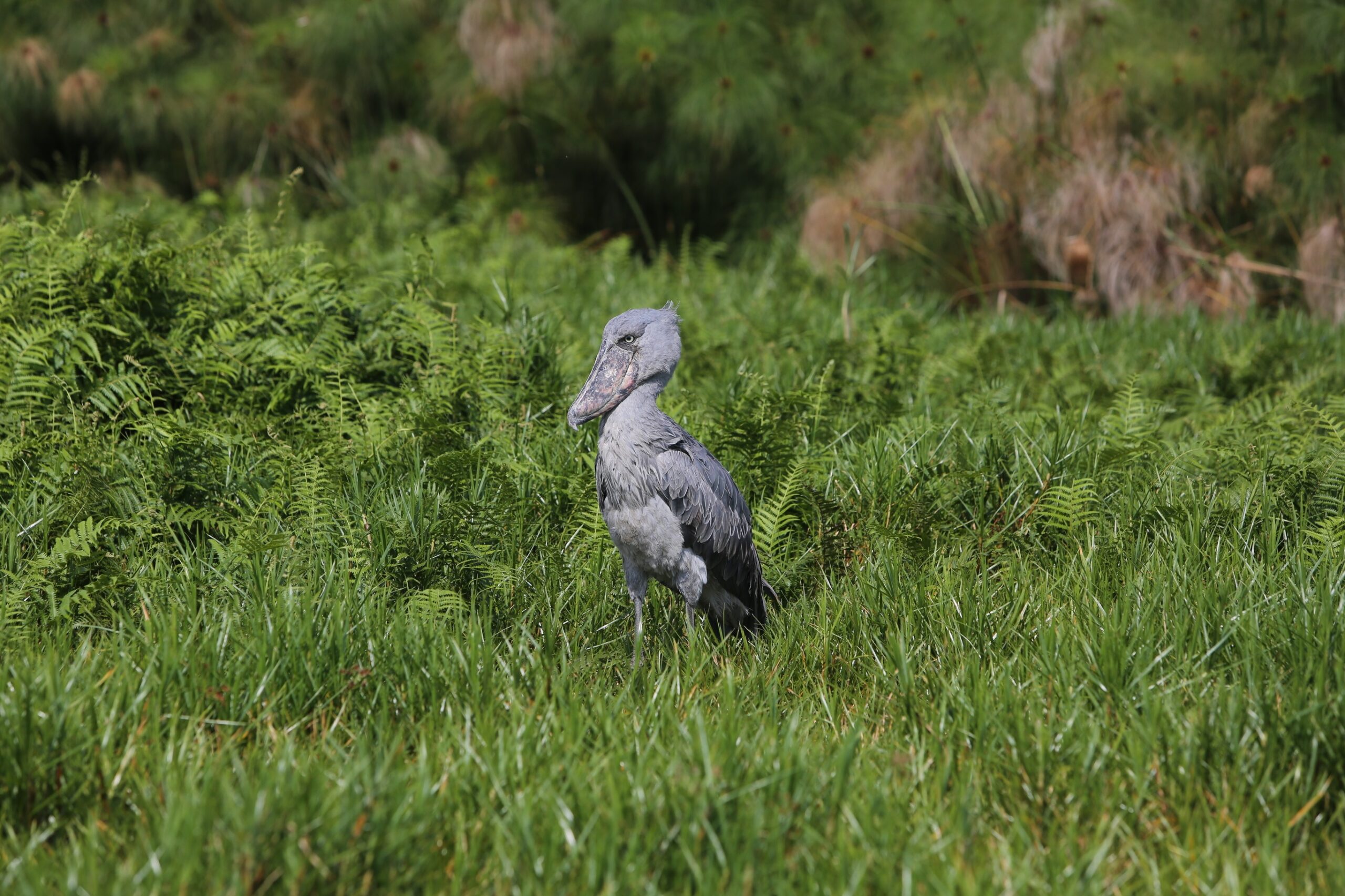
Shoebills often stay still for a time so photographers can take great pictures. The shoebill looks really cool so people like to take pictures of it.
These pictures make other people want to visit the wetlands and see the shoebill.
Supporting Travel
Now many people want to travel to places where their money helps the local community and the environment. When people know that their money is helping to protect the shoebill and its home they feel good, about their trip.
How Tourist Dollars Are Keeping Shoebills
The wetlands of East and Central Africa are home to one of the worlds amazing birds, the shoebill. The shoebill is a bird with its tall height, old fashioned look and shoe shaped bill. People who like birds take pictures. Love nature come from over the world to see the shoebill. For people seeing a shoebill in the wild is the part of their trip to Africa.
There is a lot more to seeing a shoebill than looking at it. The fact that more people want to see shoebills has created jobs for people. Helps the shoebill survive. When people travel to the wetlands hire guides stay in lodges. Pay to help take care of the area they are helping to protect the shoebill and its home.
How Tourist Dollars Are Keeping Shoebills Alive is not something people say. It is true that when people travel in a way it helps the community and the animals that live there. Every person who chooses to travel in a way that does not hurt the environment is helping to protect the shoebill and its home.
As more people travel in a way the future of the shoebill looks better. Local people start to see that it is better to protect the wetlands than to use them for farming or other things. This is a thing because it shows that traveling can help people and the environment.
The Shoebills Fight for Survival
The shoebill is in trouble. There are things that hurt the shoebill like when people drain the wetlands farm the land catch the birds to sell pollute the water and climate change.
Shoebills need wetlands with fish, lungfish, frogs and other things to eat. They are hunters that wait for a time before catching their food. Because they need wetlands to live small changes can hurt the shoebill.
Shoebills often stay still for a time so photographers can take pictures. The shoebill looks really cool so people like to take pictures of it.
These pictures make other people want to visit the wetlands and see the shoebill.
Supporting Travel
Now many people want to travel to places where their money helps the community and the environment. When people know that their money is helping to protect the shoebill and its home they feel good about their trip.
When people go to see shoebills the money they spend does a lot more than just pay for the tickets to get in. The tourists money creates jobs for people like the guides who take them to see the birds. These guides make a living by showing tourists the shoebills.
Boat operators take tourists safely through the swamp channels.
The community owns lodges where tourists can stay. Restaurants buy food from farmers who live nearby. People who make crafts sell things they made to the tourists and these things are inspired by the wildlife.
The people who drive the tourists around also benefit from the shoebills being healthy. All these businesses do well when the shoebills are healthy. So many communities now know that taking care of the wildlife is good for business in the run.
This change in how people think about money shows that tourist dollars are helping to keep the shoebills alive. It creates a reason for people to want to conserve the wildlife.
Wetlands used to be seen as land that could be used for farming or building.. Now because of tourism people see that wetlands are valuable. When communities get money from tourists they start to see the wetlands as something keeping.
Of draining the swamps local leaders want to keep them safe. They do not want to get rid of the plants that grow in the swamps because they know these plants help the wildlife.
They also do not want people to fish in ways that can hurt the environment. The money from tourism gives people a reason to want to take care of the wetlands.
The healthier the wetlands the more tourists will come to visit.
Having jobs helps reduce the pressure on the wildlife. When people are poor they might have to use the resources in ways that can hurt the environment.
Tourism gives people another way to make a living. Young people can work as guides showing tourists the birds and teaching them about the ecosystem.
Many of these guides become very passionate about taking care of the birds because they know that healthy bird populations mean they will have jobs.
Hotels and lodges need people to work there like cooks, receptionists and cleaners. These jobs help reduce the need for people to do things that might hurt the environment.
Boat operators also get paid to take tourists through the wetlands. They learn about the wildlife and the challenges of taking care of the environment.
As more people get jobs communities have reasons to want to take care of the natural world.
The money from tourism also helps to pay for projects that conserve the wildlife. Protected areas use the money from tourism to pay for their work.
This money helps to pay for things like watching the wildlife having rangers patrol the area restoring the habitat teaching people about the environment and doing research.
All these things help to protect the shoebills and other species that live in the wetlands.
Without this money it would be much harder to take care of the wildlife.
This shows that tourism can be a way to help conserve the wildlife as long as it is managed in a responsible way.
When local people benefit from tourism they become more interested in taking care of the wildlife. Communities that live near the wetlands know more about the wildlife and the environment than anyone
When they get money from tourism they start to take a role in conservation. They help to report when someone is doing something to the environment.
They teach tourists about the way of life and encourage them to be responsible when they visit. They also help scientists who are studying the ecosystem.
Importantly they teach their children to care about the wildlife.
The children who grow up in communities that benefit from tourism start to see the wildlife as a thing, not a problem.
Tourism can make a difference but not all tourism is the same. Responsible tourism tries to minimize the effects on the environment while helping the local community.
Tourists can help by choosing companies that treat the wildlife and the environment with respect. They should also respect the wildlife themselves by not getting close and letting the birds live their lives without disturbance.
They should also try to help the community by buying things from them and staying in their lodges.
These simple choices help to make a connection between taking care of the wildlife and helping the local community.
Uganda is an example of how tourism can help to conserve the wildlife. Many people go to Uganda to see the shoebills in the wild.
The local guides are very knowledgeable about the birds. Can help tourists to see them. Tourism has created jobs. Helped people to appreciate the wetlands more.
Many residents now know that every healthy shoebill means opportunities for them to make a living.
The success of these places can teach countries how to take care of their wildlife.
There are still some challenges that need to be addressed. Climate change is still a problem. Some wetlands are still being destroyed.
The trade of wildlife is also still a threat and the growing population means that more people are using the resources.
It is very important to plan so that tourism does not hurt the environment. The number of tourists should never be too high for the ecosystem to handle.
If tourism is managed carefully it can continue to help the wildlife of creating new problems.
The future of the shoebills depends on everyone working. This includes the government, conservation organizations, scientists, local communities and tourists.
Each group has something to offer. Scientists do research the government creates protected areas and local communities take care of their habitats.
Tour operators promote travel and tourists provide the money that is needed to conserve the wildlife.
When everyone works together they can do more to help the wildlife than any one group could do alone.
This cooperation shows that tourist dollars are keeping the shoebills alive and every responsible trip becomes part of a story about taking care of the wildlife.
The shoebills will survive if people make choices every day. Tourists who visit the wetlands in a way help to create jobs support conservation projects and encourage communities to protect the shoebills.
Every time someone takes a guided boat trip stays in a lodge pays an entrance fee or buys something from the community they are helping to take care of the habitat.
Tourist dollars are keeping the shoebills alive. This shows that tourism can be a powerful way to conserve the wildlife when it is managed in a responsible way.
As more people look for experiences, with wildlife they help to make sure that the wetlands will continue to be healthy and support the shoebills and many other species.
Taking care of the wildlife is no longer the job of conservationists. It is now a shared effort that allows visitors, communities and nature to thrive together.