The Shoebill Stares: A Definitive Ranking
The Fascination Behind the World’s Unforgettable Bird
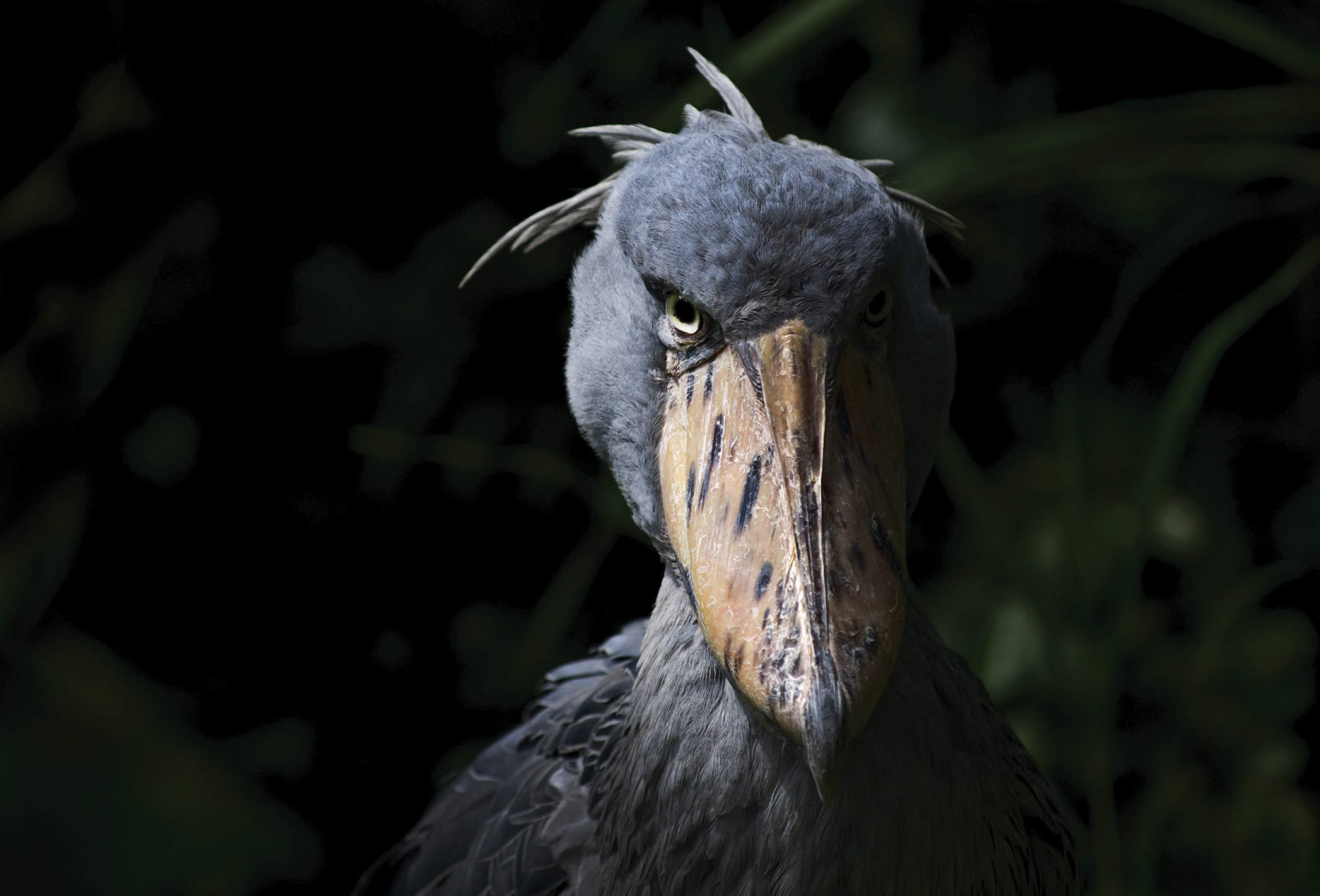
When you are standing near a shoebill, you will notice something that really gets your attention. It is not when the shoebill moves or spreads its wings. It is not even when the shoebill makes that famous sound with its bill. What really gets your attention is the way the shoebill looks at you. The shoebill’s stare is very calm and steady. You cannot. Look back at the shoebill. This is one of the famous things about the wildlife in Africa. People have taken a lot of pictures. Made videos of the shoebills staring. These pictures and videos have helped people around the world learn about this amazing bird.
The Shoebill Stares: A Definitive Ranking is about the looks that the shoebill gives. Each shoebill is different. Has its own personality. Some moments with the shoebill are more memorable than others. If you are visiting the Mabamba Swamp near Lake Victoria or the wetlands of Murchison Falls National Park you will appreciate the shoebill’s stare more.
The shoebills eyes are perfect for living in wetlands. The eyes are on the front of the shoebills head, which helps the bird see things that’re far away. This is very helpful when the shoebill is hunting for food like lungfish, catfish, frogs, snakes and even baby crocodiles. The shoebills stare might look scary. It is actually the bird focusing very hard.
Why Shoebills Spend Much Time Watching
Shoebills do not move around a lot like some other birds. They like to stand and look at the water. The shoebill is waiting for something to move in the water. If the shoebill sees something it will move fast to catch its food. This is why sometimes people think the shoebill is a statue. The shoebill will not move for a time and then it will move very quickly. This makes seeing a shoebill very exciting.
This is also good for people who take pictures of the shoebill. Since the shoebill does not move they have time to try angles and settings on their camera.
Ranking the Memorable Shoebill Stares
Each shoebill stare is different. The birds mood and what it is doing can change the way it looks at you.
Rank 1. The Legendary Direct Eye Contact
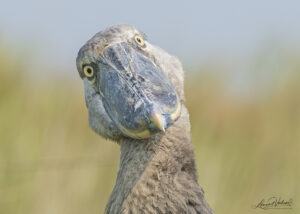
When a shoebill looks directly at you it is a special moment. People say it feels like the shoebill is looking at them. The shoebill is really just looking around. Its eyes make it seem like it is looking at you. This is one of the famous pictures of the shoebill. Many pictures of the shoebill, on the internet show the bird looking directly at the camera. The big bill, feathers and sharp eyes make the shoebill look very unique.
The Hunting Focus
The second impressive stare from a shoebill is when it looks at prey under the water. At that moment it seems like nothing can break its concentration. The shoebill does not get distracted by boats passing by or people talking in the distance.
Watching a shoebill focus like this teaches us a lot about being patient. We do not always have to be doing something to be successful. Sometimes waiting for the time is what gives us the best result.
Rank 3. The Curious Visitor Watch
Shoebills that live in wetlands sometimes look at canoes that are coming with quiet curiosity. The local guides who are experienced know how to paddle the canoes so that visitors can look at the shoebill without scaring it.
The shoebill does not fly away away. It just keeps watching from a distance that’s comfortable for it. This way of living between the guides, the community and the wildlife has helped Uganda become one of the best places to see shoebills.
Rank 4. The Morning Reflection
Early in the morning is a time to see shoebills. The soft light from the sun reflects on the wetlands and the mist rises above the papyrus. At this time the shoebill seems relaxed as it looks around before it starts hunting for the day.
Photographers love this time because the soft light makes every feather of the shoebill look great and there are no shadows. Even when the shoebill is not doing anything the quiet atmosphere makes for powerful pictures.
Rank 5. The Sideways Glance
Even though people usually talk about the shoebill looking at them the sideways glance is also very interesting. When you look at the shoebill from the side you can see how big its bill is and how unusual it looks.
This angle also shows the muscles in the shoebills neck, which it uses to catch its prey quickly. When the shoebill looks at you from the side it reminds you that every part of its body has a purpose.
More Than an Expression
Shoebill Stares is not about the way the shoebill looks at things. Every stare from a shoebill shows how it behaves, which has been shaped by thousands of years of living in wetlands. The shoebill is successful because it has eyesight is very patient and moves at the right time.
Shoebills do not chase their prey like some other animals do. They. Conserve their energy. This way of hunting helps them survive in places where food’s not always easy to find.
This lesson can also be applied to our lives. Many great things can be achieved if we are patient and do not give up. Looking at a shoebill reminds us that being patient often leads to results.
Uganda Offers the Best Opportunity
Uganda is a place for people who love wildlife because you can see shoebills more easily than in many other parts of Africa. Mabamba Swamp is very popular because it is easy to get to from Entebbe and you can have a time even if you are only visiting for a short time.
Murchison Falls National Park is another place to see shoebills. They live in the wetlands that are connected to the Nile and you can see them when you are on a boat. You can also see elephants, giraffes, buffaloes, crocodiles, hippos and many other kinds of birds.
Each place has its special atmosphere. Mabamba is great for canoe rides through channels with papyrus and Murchison has big river scenery and a lot of wildlife.
Respect Creates Encounters
The best experiences with wildlife happen when people give animals enough space to behave naturally. Good guides know how to approach shoebills without scaring them. They are quiet move and do not try to get too close for pictures.
Visitors are also important. If you sit still listen to the guide and do not get close the shoebill will feel safe. This means you can watch it for longer and take pictures.
This also helps with conservation. When tourism is done in a way it helps local communities and encourages them to protect the wetlands where the shoebills live.
A Bird That Inspires Every Generation
When kids see a shoebill for the time they often think it looks like a dinosaur because of its old-fashioned appearance. Adults are also amazed. Find that the real thing is even more incredible than pictures.
Scientists keep studying the shoebill to learn more about its habits, where it lives and how many there are. Conservation groups work with communities to protect the wetlands from being drained, polluted or destroyed.
Every time we help conserve the shoebill we make sure that future generations can see these birds, in the wild not just in pictures.
Every Stare Tells a Story
Looking back at Shoebill Stares: A Definitive Ranking, one idea becomes clear. No two encounters are ever alike. One bird may appear focused on hunting, another quietly curious about passing visitors and another perfectly still beneath the morning sun. Each expression reflects a moment in the life of one of Africas most fascinating birds.
That uniqueness explains why many travelers return to Uganda hoping for another encounter. They know they will never recreate the experience they had before. Every visit brings weather changing light fresh behaviors and new opportunities to appreciate the remarkable world of the shoebill.
Perhaps the greatest lesson comes from slowing down. Modern life encourages movement yet the shoebill demonstrates the value of careful observation. Standing patiently beside a wetland watching one magnificent bird survey its surroundings reminds us that some of lifes most memorable moments arrive when we simply stop and pay attention.
For anyone planning a wildlife adventure few experiences equal witnessing this remarkable bird in its natural habitat. Long after the journey ends the image that often remains strongest is not the flight, the hunt or the famous bill. It is the gaze that inspired Shoebill Stares: A Definitive Ranking leaving visitors with memories that continue to grow every time they recall that silent meeting, across the wetlands.