
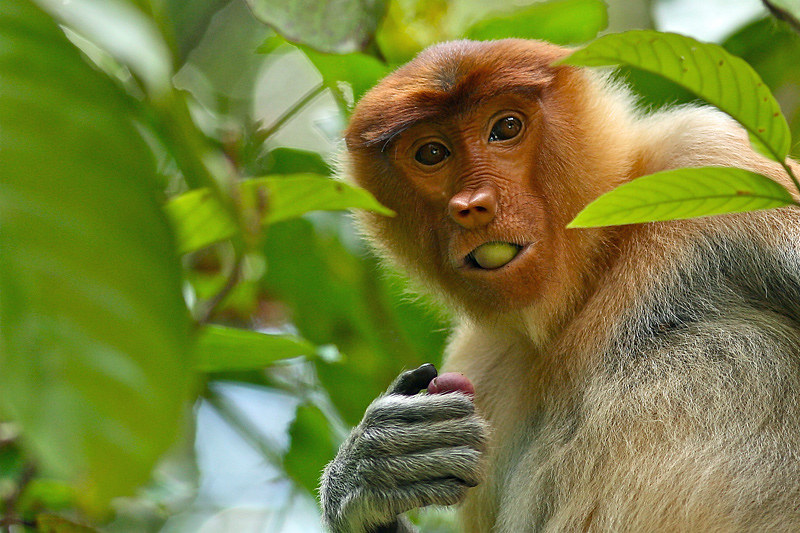
The 20 Primate Trekking Guidelines, Primate trekking is the activity of venturing into the wild, usually a forest, in search of primates and spending one hour with them. These primate treks are frequent in East Africa, particularly in Rwanda, Uganda, and the Democratic Republic of Congo.
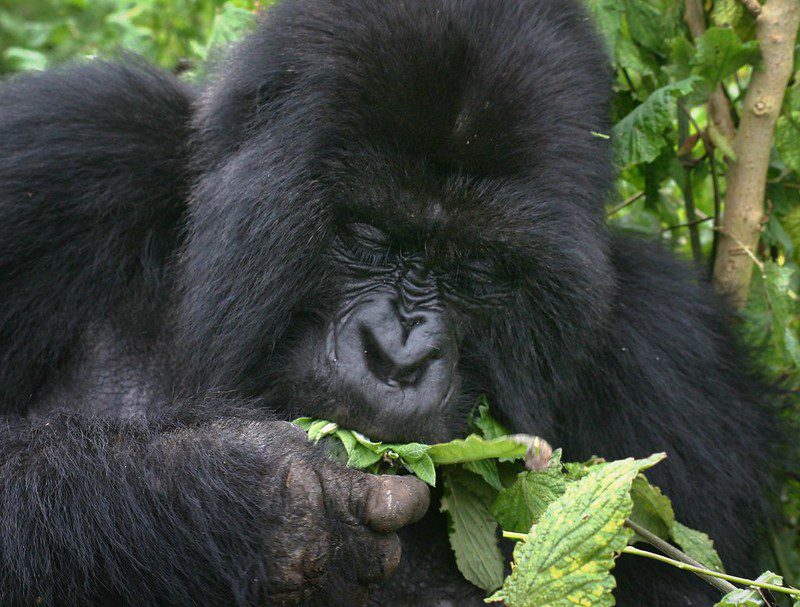
Mountain gorillas, chimps, golden monkeys, baboons, and other animals have been tracked in these nations. They travel in a variety of environments, including but not limited to:
Volcanoes National Park for gorillas and Nyungwe National Park for chimps in Rwanda; Virunga National Park for both gorillas and chimps in the Democratic Republic of the Congo; Bwindi National Park and Mgahinga National Park in Uganda for gorillas; and Kibale National Park, Kyambura Gorge, Budongo Forest, and others in Uganda for chimps.
Wildlife enthusiasts visit all of these areas to see primates.
However, on these treks, other regulations apply, and the following are the top 20 primary trekking rules:. You can only trek with valid permission. You must obtain a trekking permit in advance to be able to trek. The licenses cost USD 1500 in Rwanda, $800 in Uganda, and $400 in the Democratic Republic of the Congo.
Trekking requires an age of at least 15 years. Younger people are not permitted to journey.
You cannot travel when unwell, especially if you have a contagious ailment. Because monkeys share roughly 90% of their DNA with humans, the illness may readily be passed on to the primates, which may be fatal for the primates.
- All trekking adventures begin with a compulsory briefing for all hikers.
- Trekking is done in groups of eight or ten. Please stay within your assigned group.
- Don’t pollute the forest on your journey.
- Do not harm the forest by breaking branches and removing tree pieces.
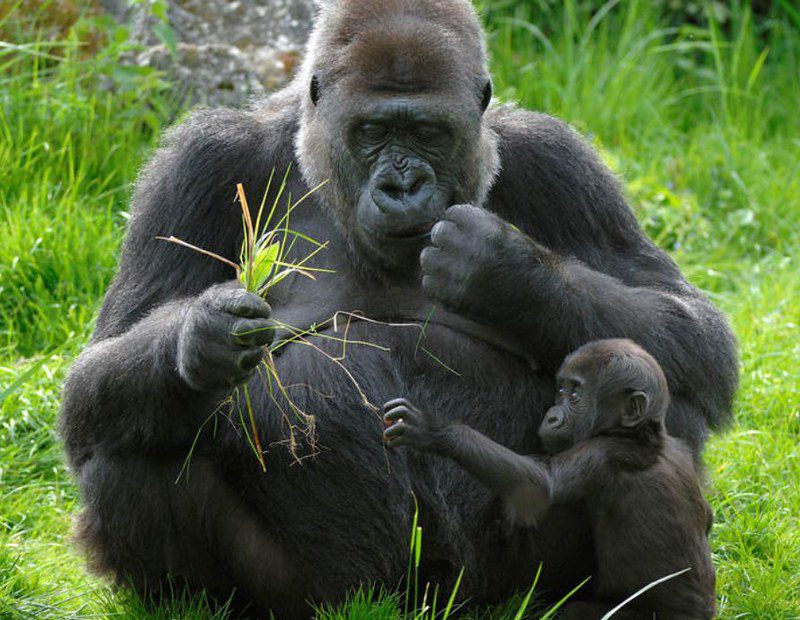
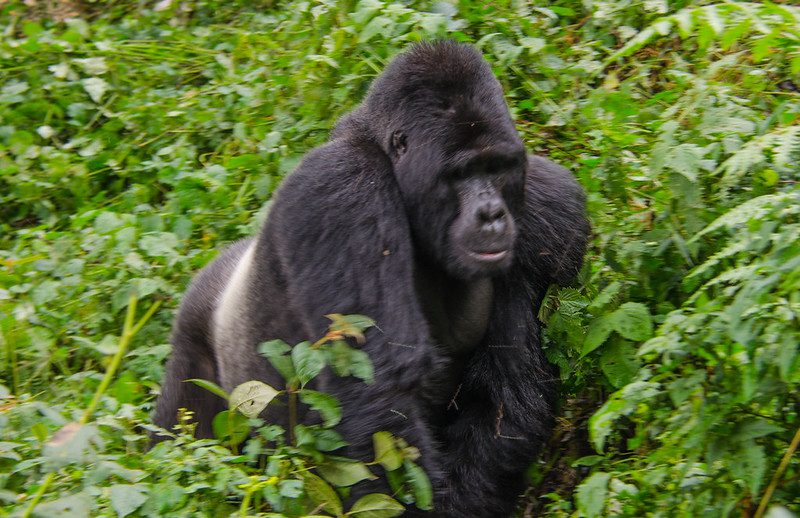
- When you arrive at the gorillas, examine them silently. Avoid creating noises or sounds that will aggravate the primates.
- Keep a 7-meter space between yourself and the primates.
- Do not touch the primates.
- Do not feed the primates.
- Do not yell at or talk to primates.
- Do not make odd motions in the presence of the primates.
- Do not sprint in the presence of the primates.
- If a primate gets near you, keep still.
- Respect the one-hour time restriction set for you in front of the primates.
- Do not use flashes when shooting images of the primates.
- Don’t venture out into the jungle without your group’s instruction.
- If you are threatened by a monkey, stay put; the primate will back off.
- Have fun on your trekking trip.
All trekkers, regardless of where they are trekking, are expected to obey these regulations. These guidelines keep you safe while also protecting the primates. Because trekking excursions are typically done for primate conservation,. So it’s critical that that goal be met.
You should be aware, however, that the various primary facilities may have additional restrictions that you must observe in addition to the ones listed above.
Why the Permit System Exists
Limiting the number of daily permits per gorilla or chimpanzee family isn’t simply a revenue mechanism, it’s a deliberate conservation measure that keeps human contact with habituated primate groups low enough to minimize stress and disease risk. Understanding this rationale helps trekkers appreciate why permit prices remain high and availability limited, even when demand for a specific date is strong.
Why the 7-Meter Rule Matters So Much
The mandatory distance from primates exists specifically to reduce the risk of disease transmission between humans and animals that share the vast majority of human DNA, meaning even a common cold could pose a genuine threat to a wild gorilla or chimpanzee population. Guides enforce this rule strictly, and trekkers should never attempt to move closer for a better photo, no matter how tempting the moment feels.
What Happens During the Mandatory Briefing
Every trek begins with a briefing covering these guidelines in detail, along with a general overview of what to expect during the day’s specific trek, including likely terrain and approximate walking time to reach the assigned primate family. Arriving on time for this briefing is essential, since latecomers risk missing crucial safety information or, in some cases, losing their place on the trek entirely.
Preparing Physically for Primate Trekking
Trekking distances and durations vary considerably depending on where the primate family is located on a given day, meaning trekkers should arrive with a reasonable baseline fitness level regardless of destination. Building general cardiovascular endurance and comfort with hill walking in the weeks before your trip helps ensure the guidelines around pacing and group cohesion are easy to follow on the day.
Choosing Between Gorilla and Chimpanzee Trekking
While many of these 20 guidelines apply equally to both activities, chimpanzee trekking tends to involve more movement since chimps travel further and faster through the canopy than gorillas typically do on the forest floor. All in Africa Safaris can help you decide which experience, or combination of both, best fits your fitness level and interests.
What to Bring Beyond the Basics
Sturdy waterproof hiking boots, gardening gloves for gripping vegetation, a lightweight rain jacket, and a reusable water bottle round out a sensible primate trekking packing list, alongside a valid permit and identification document required at the park gate. Leaving flash photography equipment behind, or at minimum disabling flash entirely, avoids any temptation to break the no-flash guideline in the moment.
Booking Your Permits Well in Advance
Given the strict daily limits on permits per primate family, popular trekking destinations can sell out months ahead during peak season, making early booking essential regardless of which country or park you choose. All in Africa Safaris can secure your permits well ahead of your travel dates across Uganda, Rwanda, or the Democratic Republic of Congo.
Health Screening Before You Trek
Park authorities typically ask trekkers a series of health-related questions on the morning of the trek, and being honest about any symptoms of illness, however mild they seem, protects the very primates you’ve traveled to see. Rescheduling a trek due to genuine illness is always possible with advance notice to your operator, and doing so responsibly is far better than risking the health of an entire habituated family.
Group Size and Why It’s Capped
Capping trekking groups at eight to ten people per primate family strikes a careful balance between making the experience commercially viable and keeping the primates’ exposure to human presence genuinely limited. This cap is part of why permits sell out during peak season, since only a finite number of trekking slots exist across all of a park’s habituated families on any given day.
What Guides and Rangers Are Actually Watching For
Beyond enforcing the guidelines listed here, guides and armed rangers continuously monitor both the primates’ behavior and the group’s compliance, ready to adjust positioning or pace if a primate shows any sign of stress or if a trekker inadvertently breaks protocol. This dual vigilance is precisely why guided treks remain dramatically safer than any unsupervised encounter could ever be.
Photography Etiquette Beyond the No-Flash Rule
Beyond simply disabling flash, keeping camera noise and movement minimal, and avoiding sudden repositioning for a better angle, helps ensure your photography doesn’t inadvertently disturb the primates during your limited hour with them. Many experienced trekkers recommend spending part of the hour simply observing without a camera at all, to fully absorb the experience rather than viewing it entirely through a viewfinder.
What Makes These Guidelines Different From a Typical Safari
Unlike a standard vehicle-based game drive, primate trekking places you on foot in direct proximity to genuinely wild, if habituated, animals, which is precisely why this guideline list is so much more detailed and strictly enforced than rules for other safari activities. Respecting this difference in approach from the outset sets the right tone for a safe and rewarding trek.
Respecting Local Communities Along the Way
Trekking routes often pass near villages and farmland bordering the park, and greeting local residents respectfully, along with following your guide’s lead on any community interactions, extends the same courtesy shown to the primates to the people who share the landscape with them.
Bringing a Porter for Extra Support
Hiring a porter to carry your daypack, help with balance on steeper sections, and support you along the trail is available at every major primate trekking destination, and doing so directly benefits local communities living near park boundaries. Many trekkers who initially assume they won’t need a porter end up genuinely grateful for the extra support once the trek’s actual terrain becomes clear.
What If You Don’t Find the Primates
Even with rangers tracking daily movement patterns, there remains a small chance a trek doesn’t result in a sighting, and most parks offer some form of follow-up permit or partial refund policy in these rare cases. Your permit fee still directly funds conservation and community programs regardless of outcome, meaning the trek retains real value even on the unusual day when the primates aren’t found.
Following the Rules Protects the Experience Itself
Every guideline covered in this list exists because past experience has shown it genuinely protects both trekkers and primates, meaning strict adherence isn’t excessive caution but the foundation that makes primate trekking sustainable at all. All in Africa Safaris can brief you fully on these rules before your trek, ensuring a safe, respectful, and genuinely unforgettable encounter.

No comment