Tanzania’s Wetlands: Birding the Rufiji Delta
Tanzania is a place with a lot of cool things to see. It has open spaces, lots of animals moving around, really old trees, and mountains. Some of the best things to see are where the land meets the water. On the coast there is a big area called the Rufiji Delta. It has lots of rivers, channels, and muddy areas. There are also trees called mangroves, and flat areas that sometimes get covered in water. This is a good place for birds to live. If you like birds, you will love the Rufiji Delta. It is very different from the parks in Tanzania where you can see birds.
The Rufiji River is a river in Tanzania. It flows into the Indian Ocean. The river creates an area with lots of water and mud. This is a place for birds to come and feed. You can see all sorts of birds here. Some birds stand still in the water while others fly around fast. The Rufiji Delta is always changing. This means you can see something every time you visit. You just have to be patient and take your time.
Discovering the Rufiji Delta’s Birdlife
The Rufiji Delta is a cool place. It has lots of areas where birds can live. One minute you can be looking at birds over water. The next minute you can be surrounded by mangroves. Each area has its special birds. This means you can see lots of birds in one day. You can see birds that eat different foods and do different things.
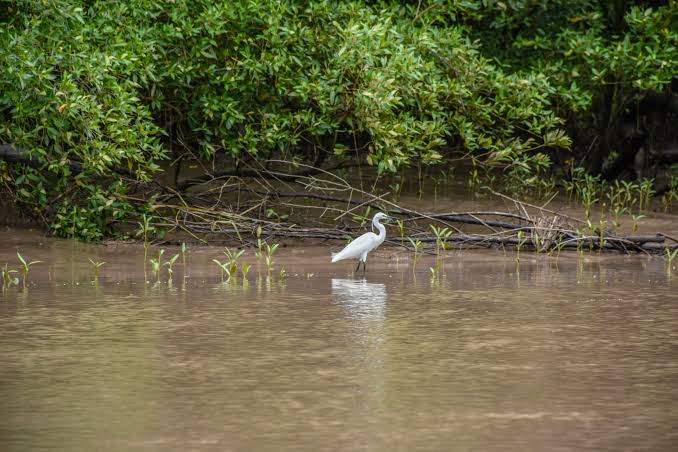
There are lots of birds that live in the water. You can see egrets, herons, and storks. These birds like to eat in the water. You can also see birds like African fish eagles. They like to sit in trees and watch for food. The Rufiji Delta is a busy place. There are lots of animals like fish, frogs and insects. These animals are food for the birds.
Mangroves, Mudflats and River Channels
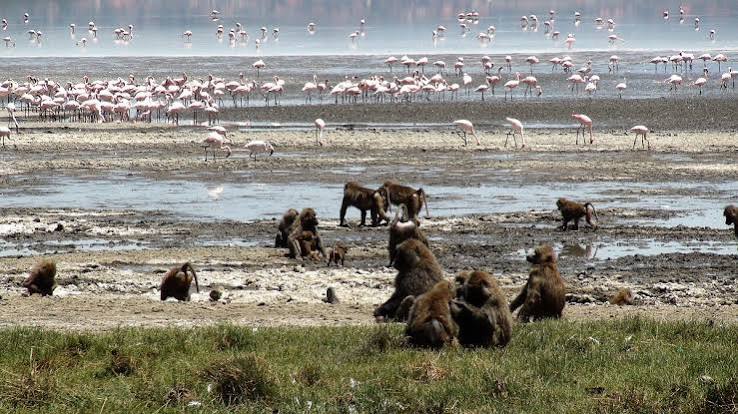
The mangroves are really important. They provide a home for lots of animals. The birds like to live in the mangroves. They like to nest and feed in the mangroves. You can take a boat through the mangroves. This is a way to see the birds. You can get really close, to them. The mudflats are also really cool. When the water goes out you can see all sorts of birds feeding. They use their bills to find food. It is really cool to watch the birds feeding. The Rufiji Delta is a place to learn about birds. You can see how they live and what they eat.
The Best Way to Explore the Delta
To see the Rufiji Delta a boat is often the way. The waterways in the Rufiji Delta make it easy to get to places where birds eat and rest. You do not have to walk a way. Early in the morning is a time to go. The air is cool there are a lot of birds. The light is soft and nice.
A quiet boat ride is also a way to watch birds. You can stay in one place. Wait for birds to come to you. see a kingfisher on a branch, hear a fish eagle calling from across the water., see a lot of birds taking off from a mudflat and landing again a way away. These little things can be the part of your trip to the Rufiji Delta.
It is an idea to get a guide who knows the Rufiji Delta. They know the waterways, the seasons the tides, where the birds live and how to get around the delta safely. can help you spend time watching birds and less time traveling. also tell you about the people who live in the delta and why it is important to protect the wetlands for both the birds and the people.
Seasonal Changes Bring Opportunities
The Rufiji Delta is different at different times of the year. The water level changes where the birds eat and the rain changes the plants, the rivers and the food. Birds from places come to the Rufiji Delta at certain times of the year. This means that you might see birds at different times of the year.
When it is wet the landscape. New pools of water form. These pools attract birds to the Rufiji Delta. When it is dry the pools get smaller. The birds have to eat in a smaller area. It is not always best to go at the time of year. You should think about what you want to see. If you want to see a lot of birds that live in the water you might like it when the water level is changing. If you want it to be easier to get you might like it when it is dry.
A Different Side of Tanzania
Most people think of the Serengeti or the Ngorongoro when they think of birdwatching in Tanzania.. The Rufiji Delta is different. The tides and the rivers make it special. The scenery is green and wet. The waterways make it easy to get around.
The Rufiji Delta is a place to go if you want to see birds and have a adventure on the coast. The delta is near some of the important places for conservation in Tanzania. You can see animals in the wilderness areas near the Rufiji Delta and you can see birds that live in the water in the delta. Seeing both of these things can help you understand how different the ecosystem is in Tanzania.
The people who live near the Rufiji Delta are also important. The wetlands give them fish help them grow food and provide for them. If people visit the area in a way it can help protect the environment. If you choose a guide who respects the birds and the people you can help make sure that your visit is good for the area.
What to Bring for a Birding Day
It is an idea to be prepared when you go to the Rufiji Delta. You should wear clothes because it is hot on the coast. You should also wear a hat and sunscreen when you are on the water. Binoculars are important for seeing birds that’re far away. A special scope can be helpful. It is not always easy to use on a boat.
You should bring water to drink and keep your things dry. A waterproof bag can be helpful for your phone, notebook, camera and other things that might get wet. wear shoes if you are going to walk in the wetlands or near the vegetation. also protect yourself from bugs in the morning and evening.
also bring patience. Watching birds, in the wetlands can be slow. Sometimes it seems like nothing is happening. Then suddenly there are a lot of birds. You should give yourself time to watch listen and look carefully. The bird you want to see might be hiding in the plants.
Conservation and the Future of the Rufiji Delta
The Rufiji Delta is important because it supports a web of life. Mangroves protect areas wetlands provide places where aquatic species grow and develop and river systems carry nutrients across the land. Birds are part of this system depending on healthy wetlands for eating, building nests, resting and traveling during migration.
Protecting this kind of environment needs attention to how land’s used how water is managed how pollution affects the area how habitats are lost and how resources are used in a way that is not sustainable. Conservation becomes stronger when people who live in the area the people who make the rules, scientists, those who run tourism businesses and visitors all take part in keeping the delta healthy. Tourism by itself cannot solve all the problems of conservation. Trips that are done in a careful way can help people care more about places that might otherwise be forgotten.
For anyone visiting being careful is simple. Stay a distance from birds that are nesting do not bother places where birds are eating follow the advice given by local people and leave the natural places as they are. Do not leave trash behind. Support the businesses that really care about the environment. These small choices help keep the things that make the delta worth visiting safe.
Let the Wetlands Set the Pace
There is something satisfying about starting the day surrounded by water mangroves faraway bird sounds and the slow flow of a river heading toward the ocean. The Rufiji Delta encourages you to slow down and focus. Its beauty is in the things: the quick movement of a bird that is flying the sound of an eagle reflections moving across a calm waterway or a heron standing in the green of the mangroves.
Tanzanias Wetlands: Birding the Rufiji Delta shows a part of Tanzania that many trips miss. It shows how rivers, wetlands, forests, shores and animals are all linked in one living area. The experience is not about rushing through a list of birds to see. About learning about the places where birds live and the natural forces that shape their world.
For anyone who is planning a trip to Tanzania
to look for birds the Rufiji Delta should be thought about carefully. It can add birds that live near the coast and in areas to an itinerary that is mostly about grasslands and forests while also giving a calm experience far from the most crowded wildlife paths. Tanzanias Wetlands: Birding the Rufiji Delta can be one of those trips that you remember long after you are home because the memories are connected to an area rather than just one bird you saw.
The delta reminds you that the birding spots in Tanzania go beyond the well-known national parks. Along the coast rivers meet the ocean and create a place where many small natural events happen every day. Explore it with patience travel in a way that’s kind, to the environment and give yourself enough time to watch the wetlands become active. Tanzanias Wetlands: Birding the Rufiji Delta is an invitation to find that quieter part of the country and see the birds that live in one of East Africas great river systems.