
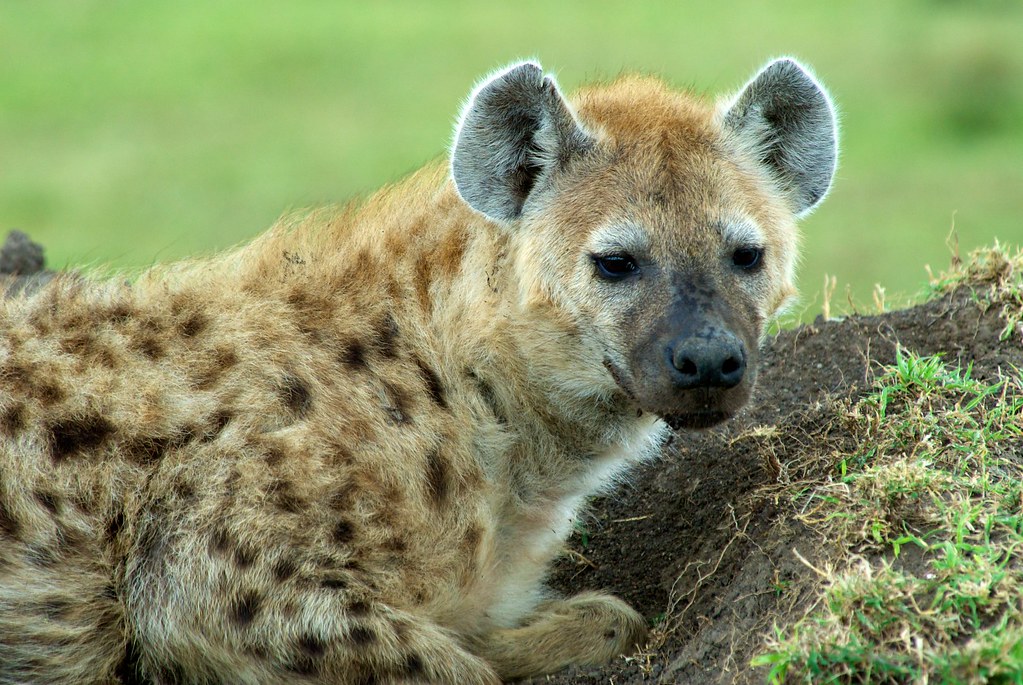
Safari vs cruise: wildlife watching compared
Choosing between a safari and a cruise depends on the kind of wildlife experience you want, the destinations you plan to visit, and how you prefer to travel. Both offer opportunities to see animals in their natural environments, but the experiences are very different. A safari takes you into national parks, game reserves, forests, wetlands, and savannah landscapes, where wildlife encounters happen on land. A cruise focuses on travel by water, with opportunities to spot marine animals, seabirds, coastal wildlife, and occasionally land animals along the shoreline.
For travellers considering East Africa, the difference is especially important. Uganda, Kenya, Tanzania, and Rwanda offer opportunities to see elephants, lions, giraffes, buffaloes, zebras, primates, and many other species. A cruise, depending on its route, may offer sightings of dolphins, whales, seals, turtles, and seabirds. Some cruises also include visits to islands, coastal reserves, and wildlife-rich shorelines.
Neither option is automatically better for everyone. The right choice depends on whether you want close encounters with land animals, marine wildlife viewed from a vessel, varied landscapes, guided activities, or a relaxing journey with wildlife watching as one part of the holiday.
What is a safari wildlife experience?
A safari is a journey into natural areas where wild animals live freely. Most traditional African safaris involve travelling through national parks and reserves in a specialised four-wheel-drive vehicle with an experienced guide. Depending on the destination, activities can include game drives, boat safaris, guided nature walks, birdwatching, chimpanzee trekking, and gorilla trekking.
During a game drive, you may travel across open plains, woodland, riverbanks, and other habitats while your guide searches for animals. Wildlife sightings are never guaranteed, because animals move freely and their locations change throughout the day. However, experienced guides understand animal behaviour, seasonal patterns, tracks, and habitats, which can improve the chances of finding particular species.
East Africa is especially attractive to travellers who want to see large land mammals. In Kenya and Tanzania, open savannahs support large populations of herbivores and predators. Uganda offers a mixture of savannah parks, tropical forests, wetlands, and river systems. Rwanda combines forested volcanic landscapes with savannah wildlife and important primate habitats.
A safari can also provide opportunities to learn about conservation, animal behaviour, local communities, and the ecosystems that support wildlife. Instead of simply seeing an animal from a distance, travellers may spend time observing how it feeds, moves, interacts with its group, or responds to its surroundings.
What is a cruise wildlife experience?
A cruise is a journey aboard a passenger vessel that travels along a sea, ocean, lake, or river. Wildlife watching may be the main purpose of a specialised expedition cruise or one of several activities offered during a conventional holiday cruise.
Marine wildlife is often the main attraction. Depending on the region and season, passengers may spot dolphins swimming beside the vessel, whales surfacing in the distance, sea turtles near coastal waters, or seabirds following the ship. Some itineraries include guided excursions in smaller boats, allowing passengers to explore bays, islands, mangroves, and other habitats.
Not all cruises offer the same wildlife opportunities. A large ocean cruise may prioritise entertainment, dining, and port visits, with wildlife sightings occurring incidentally. An expedition cruise is more likely to focus on natural environments and guided excursions. River cruises can provide views of wetland birds and animals along riverbanks, although sightings depend heavily on the route and habitat.
Cruises can be particularly appealing to travellers who enjoy watching wildlife without spending long hours travelling over rough roads. Passengers usually have access to onboard accommodation, meals, and shared facilities, while the vessel carries them between destinations.
However, a cruise does not guarantee wildlife sightings. Marine animals can remain underwater, move away from vessels, or be absent from a particular area during a visit. Weather, sea conditions, migration patterns, and the route all affect what passengers can see.
Safari vs cruise: which animals can you see?
The biggest difference is the type of wildlife each experience is designed to reveal. Safaris generally provide stronger opportunities to observe land mammals, while cruises are better suited to marine wildlife and animals associated with coastlines and waterways.
On an African safari, you may encounter elephants, lions, leopards, cheetahs, giraffes, zebras, buffaloes, hippos, crocodiles, antelopes, and many bird species. The exact animals depend on the park and habitat. Some destinations are particularly known for elephants, others for predators, primates, or large concentrations of grazing animals.
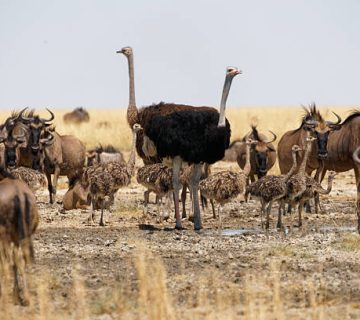
In Tanzania’s Serengeti National Park, travellers may witness large herds of wildebeest and zebras during the Great Migration, alongside predators that follow these herds. Kenya’s Maasai Mara offers opportunities to see lions, cheetahs, elephants, giraffes, and seasonal concentrations of wildebeest. Uganda’s Queen Elizabeth National Park is known for elephants, buffaloes, hippos, diverse birdlife, and its tree-climbing lions in the Ishasha sector. Rwanda’s Akagera National Park provides opportunities to see several large mammal species, including elephants, giraffes, buffaloes, and lions.
Forest safaris offer a different experience. Uganda and Rwanda are popular for mountain gorilla and chimpanzee encounters, although these activities involve guided trekking rather than ordinary game drives. Visitors must follow park regulations, age requirements, and wildlife-viewing guidelines.
Cruises offer a different range of encounters. Depending on the destination, travellers may see dolphins, whales, seals, sea lions, penguins, sea turtles, and large numbers of seabirds. Some coastal routes also provide views of elephants, crocodiles, or other animals near the shore, but these sightings are highly location-dependent.
If your main goal is to see Africa’s famous land mammals, a safari is generally the more suitable choice. If you are interested in whales, dolphins, and marine ecosystems, a wildlife-focused cruise may be more appropriate.
How close can you get to wildlife?
On a safari, the distance between you and an animal depends on the species, terrain, park rules, and the animal’s behaviour. In many national parks, visitors remain inside a vehicle during game drives. Guides are expected to maintain safe distances and avoid disturbing animals.
Sometimes elephants cross the road near the vehicle, giraffes feed close to the track, or lions rest in an open area within clear view. These encounters can feel remarkably close, but responsible guides do not force animals to approach or position vehicles in ways that cause distress.
Walking activities provide another type of experience. Guided nature walks can reveal tracks, insects, plants, birds, and smaller animals that are easily missed from a vehicle. Gorilla and chimpanzee trekking can offer particularly memorable encounters, but visitors must keep the required distance and follow instructions from park staff.
On a cruise, wildlife viewing usually happens from the deck, a cabin balcony, or a smaller excursion vessel. Dolphins may swim near the ship, while whales can sometimes be seen surfacing at a distance. The size of the vessel and the height of the viewing position can affect visibility.
Smaller boats may allow more focused wildlife observation during authorised excursions, but passengers must follow local rules and avoid approaching animals too closely. Marine wildlife can be difficult to locate, and sightings may last only a few seconds.
Neither activity guarantees a closer encounter. A safari may offer excellent views of a lion resting beside a track, while a cruise may provide a spectacular view of a whale surfacing nearby. The difference lies in the environment and the species being observed.
Wildlife photography on safari and cruise holidays
Photography is an important consideration for travellers deciding between the two experiences. Both can produce memorable images, but each presents different challenges.
Safaris are often well suited to wildlife photography because guides can sometimes position vehicles to improve visibility and viewing angles. Open-sided vehicles or pop-up roofs may provide useful shooting positions, depending on the operator and destination. Photographers can capture animals feeding, hunting, interacting, or moving through natural landscapes.
A telephoto lens is useful for distant animals, while a versatile zoom lens can help when animals appear unexpectedly close. Dust, changing light, vehicle movement, and limited space can complicate photography. Early morning and late afternoon often provide attractive light, although wildlife activity varies by species and conditions.
Cruise photography requires preparation for movement, glare, changing weather, and distance. Shooting from a moving vessel can make it harder to keep a subject sharp, especially in low light. Marine animals may surface briefly, leaving little time to adjust camera settings.
A fast autofocus system, a suitable telephoto lens, and a relatively fast shutter speed can help capture dolphins, whales, and seabirds. A polarising filter may reduce some reflections in suitable conditions, but it can also reduce the amount of light reaching the camera.
For travellers using smartphones, both experiences can be rewarding. A safari may offer opportunities to photograph large animals against recognisable African landscapes, while a cruise can produce striking images of coastlines, seabirds, and marine animals. In either setting, patience and awareness of the animal’s behaviour are more valuable than expensive equipment alone.
Comfort and travel conditions
Comfort is one of the main reasons travellers choose a cruise. Accommodation, meals, entertainment, and transport are often combined into one package. Passengers can relax between excursions without packing and unpacking at every stop.
However, comfort depends on the vessel, cabin category, itinerary, and sea conditions. Some passengers experience seasickness, and movement can become uncomfortable in rough weather. Wildlife viewing may also require spending time outdoors in wind, rain, or direct sunlight.
Safari comfort varies by destination and budget. Travellers may stay in lodges, tented camps, hotels, or simpler accommodation. Luxury safaris can provide private vehicles, high-quality meals, spacious rooms, and personalised service. Budget trips may involve longer drives, shared vehicles, or more basic facilities.
Game drives often begin early in the morning or continue into the late afternoon, when wildlife may be more active. Road conditions can be rough, dusty, or muddy depending on the season. Travellers may also spend several hours driving between parks.
A safari usually involves more movement on land, while a cruise provides a stable base for much of the holiday. Travellers who prefer a structured onboard environment may favour cruising. Those willing to travel through varied landscapes in exchange for land-based wildlife encounters may prefer a safari.
Which is better for families with children?
Both safaris and cruises can work well for families, but the best option depends on children’s ages, interests, attention spans, and comfort levels.
Cruises may appeal to families because many vessels provide organised activities, family cabins, swimming pools, restaurants, and entertainment. Children can enjoy wildlife excursions while having other activities available during the journey. Parents should check the minimum age for specific excursions, child supervision rules, and whether the itinerary includes long periods at sea.
Safaris can be educational and exciting for children who enjoy animals and outdoor activities. Seeing elephants, giraffes, zebras, and lions in the wild can create lasting memories. Some lodges provide family rooms, child-friendly meals, junior ranger activities, and nature walks designed for younger guests.
However, long game drives can be tiring for small children. Some group safaris impose minimum age limits, and certain activities, including gorilla trekking, have strict age requirements. Families should confirm the rules for each park and activity before booking. A private vehicle can provide greater flexibility for breaks and shorter drives.
For families with younger children, a cruise may offer more predictable routines and a wider range of onboard activities. For families with older children who are interested in wildlife, a well-planned safari can provide a more immersive experience.
Costs: safari vs cruise
The total cost of a safari or cruise depends on the destination, season, duration, accommodation, transport, and activities included in the package. Neither option is always cheaper.
A cruise fare may include accommodation, meals, onboard entertainment, and transport between ports. However, passengers may need to pay extra for shore excursions, drinks, gratuities, specialist wildlife trips, internet access, and certain onboard services. Expedition cruises that focus on wildlife can be considerably more expensive than conventional cruises.
Safari costs often include accommodation, meals, a guide, a vehicle, park entry fees, and selected activities. The exact inclusions vary by operator. International flights, visas, travel insurance, tips, premium drinks, and optional experiences may cost extra.
In East Africa, national park fees and specialist activities can account for a substantial share of the overall budget. Gorilla trekking permits, for example, are a separate consideration from ordinary game drives and can significantly affect the price of a Uganda or Rwanda itinerary.
Travellers should compare the full cost of each option rather than looking only at the advertised starting price. A cruise with several expensive excursions may cost more than expected, while a safari that includes private transport and multiple parks may require a larger initial budget.
A fair comparison should include transport, accommodation, meals, guided activities, entry fees, transfers, tips, and any required equipment or insurance.
Seasonal differences and wildlife sightings
Seasonality affects both safaris and cruises, but in different ways.
In East Africa, wildlife viewing can be excellent throughout much of the year, although conditions vary between parks and seasons. Drier periods often make it easier to travel on unpaved roads and spot animals near remaining water sources. In some areas, shorter vegetation improves visibility. Wet seasons can bring greener scenery, newborn animals, and excellent birdwatching, but rain may make certain roads more difficult to navigate.
The Great Migration in Kenya and Tanzania follows changing rainfall and grazing conditions. Herd movements do not follow an exact timetable, so travellers should choose locations and dates based on the broader seasonal pattern rather than expecting a specific crossing on a particular day.
Gorilla and chimpanzee trekking operate throughout the year, subject to park rules and conditions. Rain can make forest trails slippery, so suitable footwear and preparation are important.
Cruise wildlife seasons depend on the region. Whale migration, breeding, feeding, and calving patterns influence the best time for whale-watching trips. Some destinations offer seasonal opportunities to see particular species, while others provide wildlife encounters throughout much of the year.
Weather can also affect cruise itineraries. Strong winds, rough seas, fog, or storms may reduce visibility or lead to changes in planned excursions. Before booking either experience, travellers should research the seasonal patterns of the specific destination and the animals they hope to see.
Environmental impact and responsible wildlife viewing
Responsible wildlife tourism should protect animals and habitats while supporting conservation and local communities. Both safaris and cruises can contribute to conservation, but their environmental impacts differ.
Safaris depend on healthy terrestrial ecosystems. National park fees and tourism revenue can support protected areas, wildlife management, anti-poaching efforts, research, and local employment. Responsible operators follow park rules, maintain suitable distances from animals, avoid blocking wildlife movement, and work with trained guides.
Travellers can make more responsible choices by using licensed operators, respecting wildlife-viewing rules, reducing waste, and selecting accommodation that demonstrates credible environmental and community practices.
Cruises can support marine conservation and local economies through responsible excursions and visitor spending. However, vessels may contribute to emissions, underwater noise, waste generation, and disturbance to sensitive marine habitats. The scale of these impacts varies by vessel, route, and operating practices.
Responsible marine excursions avoid chasing animals, crowding them with boats, or interfering with their natural behaviour. Travellers should look for operators that follow local wildlife regulations and provide clear guidance on responsible viewing.
In both settings, the quality of the operator matters. A wildlife experience should not come at the expense of the animals being observed.
Can you combine a safari and a cruise?
Combining both experiences can be an excellent option for travellers who want to see different types of wildlife during one holiday. The combination allows visitors to explore land-based ecosystems and marine environments rather than choosing only one.
In East Africa, travellers can pair a safari in Kenya or Tanzania with a coastal holiday. Tanzania offers opportunities to combine mainland wildlife viewing with time in Zanzibar, where visitors can enjoy beaches, marine excursions, and cultural experiences. Kenya also offers safari destinations followed by time along the Indian Ocean coast.
Uganda provides a different combination of experiences, including savannah game drives, boat safaris on selected waterways, forest trekking, and relaxation around lakes. A boat safari is not the same as an ocean cruise, but it can add a water-based wildlife experience to a land safari.
Travellers interested in a broader African itinerary could combine an East African safari with a separate marine wildlife trip in another region. The best arrangement depends on flight connections, available time, season, and budget.
Allow enough time for transfers between destinations. International flights, domestic connections, road journeys, and check-in requirements can make an ambitious itinerary tiring if the schedule is too tight.
A combination works best when each part of the holiday has enough time to be enjoyed properly. Instead of rushing through several destinations, select a few experiences that complement one another.
How to choose the right wildlife holiday
The best choice depends on the animals you want to see and the kind of travel experience you enjoy.
Choose a safari if you want to observe land mammals in their natural habitats, explore national parks, photograph African wildlife, or experience activities such as game drives and guided forest treks. It is particularly suitable for travellers whose main interests include elephants, lions, giraffes, zebras, rhinos, gorillas, or chimpanzees.
Choose a cruise if you are interested in marine wildlife, enjoy travelling by water, and prefer having accommodation, dining, and other facilities available aboard the vessel. A specialist expedition cruise is generally more appropriate than a conventional cruise if wildlife watching is your main priority.
Consider a combined holiday if you want variety and have enough time and budget to explore both land and water environments. A safari followed by a coastal stay can provide a balanced trip, with wildlife viewing, cultural activities, and time to relax.
Before making a booking, compare the itinerary, expected wildlife opportunities, travel dates, accommodation, activity inclusions, and cancellation conditions. Ask how much time is allocated to wildlife viewing, whether excursions are guided, and what happens if weather or local conditions affect planned activities.
The most rewarding wildlife holiday is not necessarily the one with the longest list of destinations. It is the one that matches your interests, gives you enough time to enjoy each experience, and respects the animals and environments you have travelled to see.


No comment