
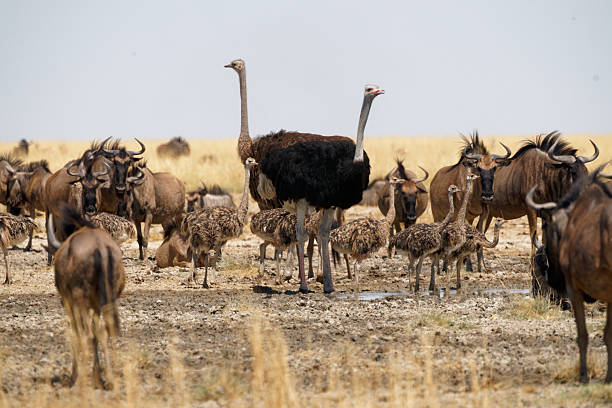
Etosha National Park: Waterhole Watching in Namibia
Etosha National Park in Namibia is one of Southern Africa’s most remarkable wildlife destinations, famous for its enormous salt pan, open savannah landscapes and extraordinary wildlife encounters around natural and artificial waterholes. Located in northern Namibia, Etosha offers visitors the opportunity to observe elephants, lions, giraffes, zebras, rhinos and antelope gathering to drink.
Unlike many African safari destinations where travellers spend hours searching for animals, Etosha’s waterholes provide opportunities to remain in one location and watch wildlife arrive naturally.
During the dry season, animals travel considerable distances to reach permanent water sources, creating fascinating interactions between herbivores and predators.
For photographers, families and wildlife enthusiasts, Etosha combines accessible game drives with some of Africa’s most rewarding waterhole-watching experiences.
Where Is Etosha National Park Located?
Etosha National Park lies in northern Namibia, approximately 400 kilometres north of Windhoek.
The protected area covers approximately 22,935 square kilometres and includes vast salt pans, grasslands, mopane woodland and scattered waterholes.
The park was first proclaimed as a protected reserve in 1907.
Quick Facts About Etosha National Park
| Feature | Description |
|---|---|
| Country | Namibia |
| Location | Northern Namibia |
| Park size | Approximately 22,935 km² |
| First proclaimed | 1907 |
| Main attraction | Etosha Pan |
| Main activity | Waterhole wildlife watching |
| Famous wildlife | Elephants, lions and rhinos |
| Main camps | Okaukuejo, Halali and Namutoni |
| Recommended stay | 3–4 nights |
| Best wildlife season | May–October |
Why Is Etosha Famous for Waterholes?
Etosha has a dry climate, and many natural water sources disappear during the long dry season.
Animals must travel towards permanent springs and maintained waterholes to drink.
This concentrates wildlife around selected locations.
What Makes Waterhole Watching Special?
Visitors can remain in their vehicles or designated viewing areas while waiting for animals to appear.
A waterhole may initially seem empty before elephants, zebras or giraffes arrive.
Different species sometimes gather together, creating remarkable opportunities to observe animal behaviour.
Predators may also visit, although sightings are unpredictable.
The Great Etosha Salt Pan
The Etosha Pan is the park’s most distinctive geographical feature.
This enormous, mostly dry salt pan stretches across approximately 4,800 square kilometres.
Its pale surface creates an unusual landscape visible across considerable distances.
Why Is the Salt Pan Important?
During dry months, much of the pan remains exposed.
Seasonal rainfall can create shallow water across selected areas.
When conditions are suitable, the pan may attract waterbirds, including flamingos.
The surrounding grasslands and waterholes support Etosha’s impressive wildlife populations.
Best Waterholes in Etosha National Park
Etosha contains numerous waterholes, each offering different scenery and wildlife-viewing opportunities.
Waterholes Worth Visiting
| Waterhole | Main attraction |
|---|---|
| Okaukuejo | Floodlit wildlife viewing |
| Moringa | Night-time wildlife observation |
| Chudop | Giraffes, elephants and other herbivores |
| Klein Namutoni | Giraffes and antelope |
| Nebrownii | Elephants and open landscapes |
| Okondeka | Lions and plains wildlife |
| Olifantsbad | Elephant activity |
| Goas | Mixed wildlife |
| Olifantsrus | Elevated viewing hide |
Wildlife movements vary, so no waterhole guarantees a particular sighting.
Okaukuejo Waterhole: Famous Night Viewing
Okaukuejo is one of Etosha’s best-known safari camps.
Its floodlit waterhole provides opportunities to observe animals after sunset without leaving the camp.
What Can Visitors See?
Black rhinos sometimes visit after dark.
Elephants may arrive to drink.
Lions, giraffes and other mammals can also appear.
The viewing area allows guests to sit quietly while watching wildlife movements.
This is one of Etosha’s most distinctive safari experiences.
Halali and Moringa Waterhole
Halali Camp lies between the park’s western and eastern main tourism areas.
Its famous Moringa waterhole is illuminated after dark.
Why Stay at Halali?
The camp provides access to central Etosha’s game-viewing routes.
Visitors can spend evenings watching the waterhole.
The surrounding area also contains interesting wildlife habitats.
Patience is essential because animals may arrive at unpredictable times.
Namutoni and Eastern Etosha
Namutoni is located in eastern Etosha and is known for its historic fort-style camp.
The surrounding region contains several productive waterholes.
Popular Eastern Waterholes
Chudop is often associated with giraffe sightings.
Klein Namutoni attracts herbivores and birdlife.
Other nearby waterholes provide opportunities to observe elephants, zebras and antelope.
Eastern Etosha also supports interesting woodland birds.
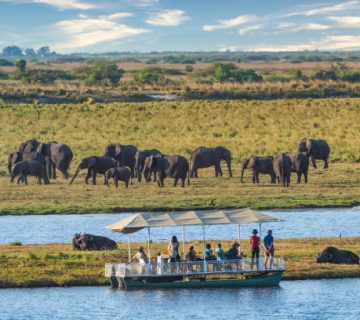
Elephants at Etosha’s Waterholes
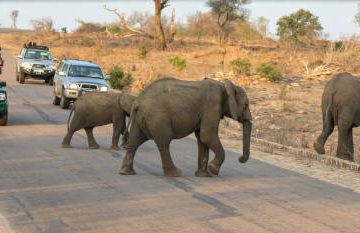
Elephants are among the park’s most impressive animals.
During the dry season, family herds regularly travel between feeding areas and water sources.
Watching Elephant Behaviour
Visitors may observe elephants drinking, bathing and spraying water over their bodies.
Young calves often remain close to adults.
Large bulls sometimes arrive separately.
Their interactions reveal fascinating social behaviour.
Never approach elephants outside a vehicle or interfere with their movements.
Lions and Predator Watching
Etosha supports lions and other predators, including leopards, cheetahs and spotted hyenas.
Waterholes can attract prey animals, which sometimes draw predators.
What Makes Predator Viewing Interesting?
Lions may rest near waterholes or travel across open grasslands.
Hyenas sometimes appear around drinking areas.
Cheetahs are more commonly associated with open hunting habitats.
Predators should never be expected at a particular time or location.
Black and White Rhinos
Etosha is important for rhino conservation.
Both black and white rhinos occur within the park.
Why Are Rhino Sightings Special?
Rhinos can be difficult to observe because of their behaviour and habitat preferences.
Floodlit waterholes occasionally provide memorable sightings.
Visitors should remain quiet, avoid flash photography and follow conservation guidance.
Never share sensitive, real-time rhino locations publicly.
Giraffes, Zebras and Antelope
Etosha’s waterholes attract a diverse range of herbivores.
Common Waterhole Visitors
| Animal | Behaviour |
|---|---|
| Giraffe | Spreading front legs to drink |
| Plains zebra | Drinking in groups |
| Springbok | Gathering near open water |
| Gemsbok | Visiting water when available |
| Blue wildebeest | Moving in herds |
| Kudu | Approaching cautiously |
| Black-faced impala | Visiting selected woodland waterholes |
Observing several species together is one of Etosha’s greatest attractions.
Best Time of Year for Waterhole Watching
The dry season, generally May to October, provides excellent wildlife viewing.
As temporary water disappears, animals increasingly depend on reliable drinking locations.
Seasonal Safari Guide
| Period | General experience |
|---|---|
| January–March | Green landscapes and birdlife |
| April–May | Transition towards dry season |
| June–August | Comfortable wildlife viewing |
| September–October | Large waterhole concentrations |
| November–December | Increasing rainfall |
September and October can produce excellent sightings, although temperatures become very hot.
Morning, Afternoon or Night?
Wildlife activity changes throughout the day.
Best Waterhole Visiting Times
| Time | Possible sightings |
|---|---|
| Early morning | Predators and grazing animals |
| Late morning | Zebras, giraffes and antelope |
| Midday | Elephants and other thirsty wildlife |
| Late afternoon | Mixed herds and predators |
| Night | Rhinos, lions and elephants at floodlit camp waterholes |
Spending longer at one productive waterhole can be more rewarding than constantly driving between locations.
Self-Drive Safaris in Etosha
Etosha is one of Southern Africa’s most accessible self-drive safari destinations.
Many main tourism roads can be explored using an ordinary suitable vehicle during favourable conditions.
Self-Drive Safety Rules
Remain inside your vehicle outside designated areas.
Follow speed limits.
Never feed wildlife.
Stay on authorised roads.
Observe gate opening and closing times.
Carry sufficient fuel and drinking water.
Night driving inside the park is restricted to authorised guided activities.
Guided Game Drives
Visitors can also arrange guided wildlife excursions through authorised operators.
Guides provide knowledge about animal behaviour, habitats and seasonal movements.
Why Choose a Guided Safari?
Experienced guides help identify wildlife tracks and bird species.
They also understand appropriate viewing distances.
Guided night drives may be available through designated camps.
These excursions provide a different experience from independent daytime driving.
Birdwatching in Etosha
Etosha supports more than 400 recorded bird species.
Its varied habitats attract raptors, waterbirds and dry-country specialists.
Birds Worth Looking For
| Bird | Habitat |
|---|---|
| Greater flamingo | Seasonal salt-pan waters |
| Lesser flamingo | Suitable flooded pans |
| Secretary bird | Open grasslands |
| Kori bustard | Savannah |
| Lappet-faced vulture | Open country |
| Southern yellow-billed hornbill | Woodland |
| Lilac-breasted roller | Open woodland |
Rainy months often provide especially interesting birdwatching opportunities.
Where to Stay Inside Etosha
Accommodation is available at several established park camps.
Main Accommodation Options
| Camp | Main advantage |
|---|---|
| Okaukuejo | Famous floodlit waterhole |
| Halali | Central location |
| Namutoni | Eastern wildlife routes |
| Olifantsrus | Waterhole viewing hide and camping |
| Dolomite | Western Etosha scenery |
| Onkoshi | Quiet salt-pan surroundings |
Accommodation includes selected chalets, rooms and campsites.
Availability and facilities differ between properties.
How to Reach Etosha National Park
Travellers commonly begin their journey in Windhoek.
The park can be reached by road through northern Namibia.
Main Entrance Gates
Andersson Gate provides access near Okaukuejo.
Von Lindequist Gate serves the eastern area near Namutoni.
King Nehale Gate provides northern access.
Galton Gate serves western Etosha.
Confirm current gate operating arrangements before travelling.
Etosha National Park Entrance Fees
Entrance charges vary according to nationality, residency, age and vehicle category.
Fees may change, so travellers should confirm the current official tariff.
Budget Planning
Consider park admission, vehicle charges, accommodation, fuel, meals and guided activities.
Camping generally provides a more affordable option than luxury lodges.
Booking accommodation early is advisable during the dry season.
Suggested Three-Day Etosha Safari
Day One: Okaukuejo
Enter through an appropriate western gate.
Explore nearby waterholes.
Spend the evening observing the floodlit Okaukuejo waterhole.
Day Two: Central Etosha
Travel towards Halali.
Visit selected waterholes along the route.
Enjoy an evening wildlife-viewing session at Moringa.
Day Three: Eastern Etosha
Continue towards Namutoni.
Explore Chudop and other nearby waterholes.
Enjoy a final game drive before leaving the park.
Photography Tips for Waterholes
Waterholes provide excellent opportunities for photographing animal behaviour.
Use a zoom lens and remain patient.
Morning and late-afternoon light often produces beautiful colours.
Photography Advice
Keep your engine switched off when appropriate.
Avoid loud conversations.
Do not block other vehicles.
Photograph animals from safe distances.
Never use flash around sensitive nocturnal wildlife.
Responsible Wildlife Watching
Etosha’s waterholes are essential resources for wild animals.
Visitors must avoid disturbing wildlife while drinking.
Never drive off designated roads.
Do not leave litter.
Respect other visitors.
Responsible safari behaviour supports conservation and protects the park’s fragile ecosystems.
Why Etosha National Park Is Worth Visiting
Etosha National Park offers one of Africa’s most distinctive safari experiences.
Its vast salt pan, open landscapes and remarkable waterholes create opportunities to observe wildlife gathering naturally.
From elephants drinking during the afternoon to rhinos appearing beneath floodlights, Etosha rewards patient travellers with memorable encounters.
For visitors exploring Namibia, waterhole watching provides an extraordinary introduction to the country’s wildlife, landscapes and conservation heritage.

No comment