Nature walks in Lake Mburo national park.
Among the things that are done on safaris near the location are nature hikes at Lake Mburo National Park. Among the savannah parks in the country, Lake Mburo National Park is situated in western Uganda and offers a wide range of wildlife species as well as many sights to visit when on safari. With an area of roughly 370 square kilometers, it is also among the nation’s smallest national parks.
Although there are leopards at the location, carnivores like lions are not seen at Lake Mburo National Park, making the guided nature excursions there safe. About 20% of the national park is made up of wetland, although there are also broad savannah grasslands.
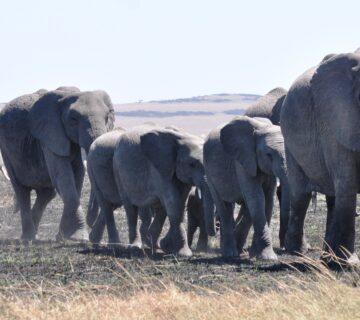
During guided tours of Lake Mburo National Park, visitors can witness a variety of wildlife species, including zebras, impalas, oribi, giraffes, hippos, hyenas, topi, reedbucks, buffalos, and bush pigs. The national park is home to more than 350 different species of birds.
The guided nature walks and other activities in the Lake Mburo National Park are governed by the Uganda Wildlife Authority (UWA). The park administration assigns ranger guides to lead the activities.
The nature hikes at Lake Mburo National Park begin in Rwonyo, and visitors proceed to the salt lick area, where a variety of wildlife species are known to congregate due to the salty rocks.
The national park’s nature walks begin at 7:00 am, while they can also be done in the afternoon or evening. Throughout the day, visitors can take in the stunning vistas of the national park while walking alongside various wildlife species.
During the about two-hour nature walks, visitors can explore various areas of Lake Mburo National Park, observe various wildlife species, get up close and personal with the environment, and learn more about the place.
As visitors explore Lake Mburo National Park, they can also spot several bird species in the woodland region. During the guided nature walks, numerous different routes are traversed, such as those through the park’s steep areas and the Rubanga forest.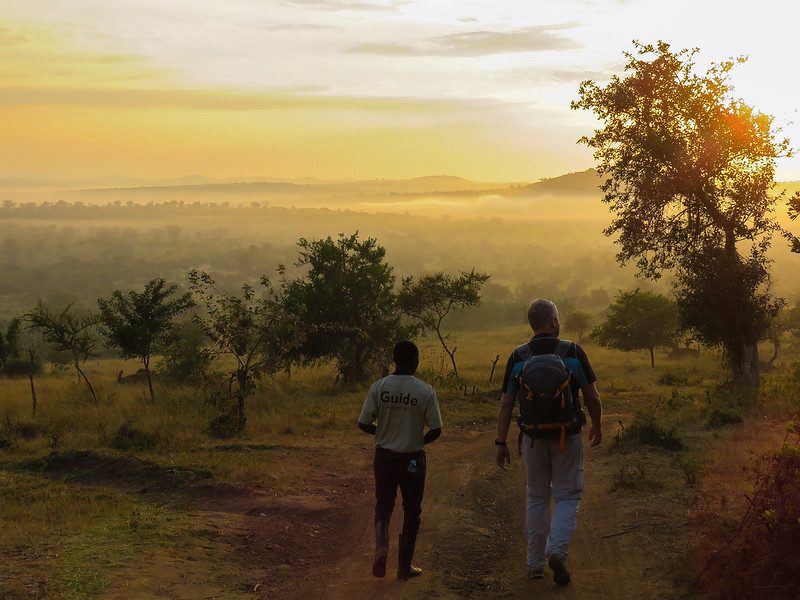
Along with a variety of tree species, including fig, acacia, and palm trees, the Rubanga forest is a great place to observe birds in Lake Mburo National Park. During nature walks in the forest, visitors may come across several monkey species among the trees and fauna such as hyenas.
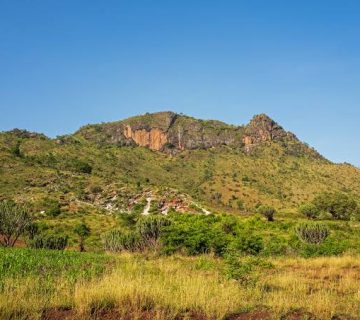
Tourists can observe hippos and many antelope species in the savannah plains, but not from the water spots. During the nature treks, visitors can take in the breathtaking views of Lake Mburo National Park in places like the top of the hill.
The nature walks are the greatest opportunity to take in the sights and sounds of the natural world while strolling through Lake Mburo National Park via paths that aren’t used for wildlife viewing.
Lake Mburo National Park’s ideal time of year for nature walks
The dry season is the ideal time of year to go on nature walks at Lake Mburo National Park. This is because there is less foliage at this time of year, which makes it easier to spot wildlife in the savannah and to go around the national park.
However, a lot of visitors come to the national park during the dry season, which is December through February and June through October, when numerous wildlife species are seen on tours of Lake Mburo National Park.
Due to the lush scenery, safaris in Lake Mburo National Park can also be taken during the rainy season, which runs from March to May and November. This gives visitors the opportunity to witness a variety of bird species.
The price of Lake Mburo National Park’s nature hikes
When visiting Lake Mburo National Park, one must pay various fees, such as park admission fees and activity prices.
It costs 25 USD for foreign visitors, 20 USD for foreign residents, and 20,000 Ugandan shillings for East African nationals to do a nature walk in Lake Mburo National Park.
The entrance cost to Lake Mburo National Park is 20,000 Ugandan shillings for East Africans, 40 USD for foreign visitors, and 30 USD for foreign residents.
Things to bring on nature hikes
Having the appropriate gear improves the enjoyment of guided nature walks in Lake Mburo National Park.
Water and snacks, binoculars, bug repellent, sunglasses, a camera, sunscreen, hiking shoes, and long pants are some of the things you should bring for the nature walk. During the safari, visitors can also bring picnic lunchboxes and eat amid the unspoiled environment of Lake Mburo National Park.
Additional things to do in the vicinity of Lake Mburo National Park
A variety of safari activities are available when visiting Lake Mburo National Park, including game drives, bird watching, boat safaris, cycling, horseback riding, and community excursions.
Game drives, which take place in the morning, afternoon, and evening, are a thrilling way to see animals at Lake Mburo National Park. As visitors explore the park’s wildness in their safari vehicles, they may come across a variety of wildlife species, including zebras, giraffes, impalas, waterbucks, and bushbucks.
One of the places in Uganda where visitors can observe wildlife species while on horseback on a safari is Lake Mburo National Park.
Numerous wildlife species, including buffalos, hippos, and Nile crocodiles, can be spotted from the water’s edge during the morning and afternoon boat excursions on Lake Mburo.
How Lake Mburo National Park is accessible
Using the Kampala-Mbarara route, visitors can drive for around four hours to reach Lake Mburo National Park.
Why the Absence of Lions Genuinely Makes Lake Mburo One of Uganda’s Safest Parks for Walking Safaris
Since large predatory cats genuinely are not present within the park’s ecosystem, guided nature walks here genuinely offer visitors close, on-foot wildlife encounters that would carry far greater risk in lion-populated reserves elsewhere in Uganda. All in Africa Safaris can arrange a guided walking safari through Lake Mburo National Park.
How the Salt Lick Area Genuinely Functions as a Natural Wildlife Magnet Along the Walking Route
Since the exposed salty rocks genuinely draw animals seeking minerals unavailable elsewhere in the park, guides genuinely route walks through this area specifically because it reliably concentrates wildlife sightings in one accessible spot.
Why the Rubanga Forest Section Genuinely Offers a Distinct Ecosystem Within a Predominantly Savannah Park
Since this forest genuinely hosts fig, acacia, and palm trees alongside monkey species absent from the open grasslands, walking through it genuinely adds ecological variety that sets Lake Mburo apart from purely savannah-focused parks. All in Africa Safaris can include a Rubanga Forest walk in your Lake Mburo itinerary.
How the Park’s Compact 370-Square-Kilometer Size Genuinely Makes It Ideal for a Shorter Safari Stop
Since Lake Mburo genuinely covers a much smaller area than Uganda’s larger parks, travelers with limited time genuinely find it easy to fit a meaningful visit here into a broader itinerary without dedicating multiple full days.
Why Combining a Nature Walk With a Boat Safari Genuinely Delivers Two Different Wildlife Perspectives in One Visit
Since walking safaris genuinely reveal terrestrial wildlife and woodland birds while boat trips genuinely showcase hippos and crocodiles along the water’s edge, pairing both activities genuinely rounds out a single day at the park. All in Africa Safaris can combine a nature walk and boat safari during your Lake Mburo visit.
How Lake Mburo’s Four-Hour Drive From Kampala Genuinely Makes It a Convenient Stop on a Western Uganda Route
Since the park genuinely sits along the Kampala-Mbarara road used to reach many of western Uganda’s other major destinations, travelers genuinely find it efficient to include Lake Mburo as a stopover rather than a separate dedicated trip.
Why Horseback Safaris Genuinely Set Lake Mburo Apart From Most Other Ugandan Wildlife Destinations
Since this activity genuinely remains rare across Uganda’s national parks, largely due to the presence of predators elsewhere, Lake Mburo’s predator-free status genuinely makes it one of the few places in the country offering this distinctive wildlife-viewing option. All in Africa Safaris can arrange a horseback safari within Lake Mburo National Park.
How the 350-Plus Bird Species Genuinely Reward Visitors Who Extend Their Nature Walk Beyond a Quick Stop
Since the park’s wetlands and woodlands genuinely support this rich bird diversity, dedicated birders genuinely find that lingering longer on a guided walk reveals species that a rushed visit would likely miss entirely.
Why the Rainy Season Genuinely Offers Advantages for Birders Despite Being the Off-Peak Wildlife Season
Since March-through-May and November genuinely bring lush scenery and a broader range of active bird species compared to the drier months, birdwatchers genuinely find this less-visited season rewards a nature walk in ways the peak dry season cannot match. All in Africa Safaris can time your Lake Mburo visit to match your birding or wildlife priorities.
How UWA Ranger Oversight Genuinely Ensures Consistent Safety Standards Across Every Guided Walk in the Park
Since the Uganda Wildlife Authority genuinely trains and assigns every ranger guide leading these walks, visitors genuinely benefit from a standardized level of safety knowledge and route familiarity regardless of which specific guide leads their group.
Planning Your Lake Mburo National Park Nature Walk
From salt lick wildlife gatherings to Rubanga Forest birding, genuinely Lake Mburo offers one of Uganda’s most accessible walking safari experiences. All in Africa Safaris can turn this overview into a fully confirmed itinerary tailored to your travel dates.