
Nanyuki Travel Guide: Gateway to Laikipia and Mount Kenya
Nanyuki is one of Kenya’s most interesting highland towns, offering access to mountain adventures, wildlife conservancies and the beautiful landscapes of the Laikipia Plateau. Located on the northwestern slopes of Mount Kenya, the town sits almost directly on the Equator and serves as an important base for travellers exploring central and northern Kenya.
Its appeal comes from the variety of experiences available nearby. Visitors can organise treks on Mount Kenya, enjoy game drives at Ol Pejeta Conservancy, explore the forests and waterfalls of Ngare Ndare, or travel further into Laikipia to discover private wildlife conservancies. The town itself has restaurants, cafés, markets, accommodation and outdoor activity providers that make it a convenient stop during a Kenyan holiday.
Nanyuki is also an excellent destination for travellers who want to combine mountain scenery with wildlife viewing. Unlike a traditional safari town surrounded mainly by open savannah, it offers access to several different ecosystems within a relatively short distance. A visit can last one or two nights, although travellers planning a mountain climb or extended conservancy safari may need more time.
Where is Nanyuki?
Nanyuki is located in Laikipia County, approximately 200 kilometres north of Nairobi. It lies at an elevation of around 1,950 metres above sea level, giving it a cooler climate than many lower-lying parts of Kenya.
The town is positioned near the Equator, with Mount Kenya rising to the southeast. Its location makes it an important transport and tourism centre connecting Nairobi, Nyeri, Meru, Isiolo and the wider Laikipia region.
Nanyuki developed as an agricultural and commercial settlement and gradually became a popular base for mountain climbers, conservation travellers and visitors exploring the northern Kenyan highlands. Today, it combines a lively town centre with countryside accommodation, farms, lodges and access to protected wildlife areas.
Its location is particularly useful for travellers planning to visit Mount Kenya National Park through the Sirimon route. It is also close to Ol Pejeta Conservancy, one of Kenya’s most important wildlife conservation destinations.
Nanyuki and the Equator crossing
One of the most recognisable attractions in Nanyuki is the Equator crossing. The Equator is an imaginary line dividing the Earth into the Northern and Southern Hemispheres, and it passes directly through the town’s wider area.
Visitors can stop at the roadside Equator marker, take photographs and purchase souvenirs from nearby shops. Local demonstrations sometimes illustrate how water appears to drain differently in demonstrations conducted on either side of the Equator. These demonstrations are popular with tourists, although simplified explanations should not be confused with a reliable scientific experiment.
The Equator crossing is an easy stop that does not require a full day. Most visitors spend a short time taking photographs, learning about the geographical significance of the location and browsing the nearby craft stalls.
It is particularly interesting for families, students and travellers visiting Kenya for the first time. Standing with one foot in each hemisphere is a simple but memorable experience.
Mount Kenya: Nanyuki’s most important natural landmark
Mount Kenya is the defining natural feature of the Nanyuki region. It is Africa’s second-highest mountain, rising to 5,199 metres at Batian, with Nelion reaching 5,188 metres and Point Lenana standing at 4,985 metres.
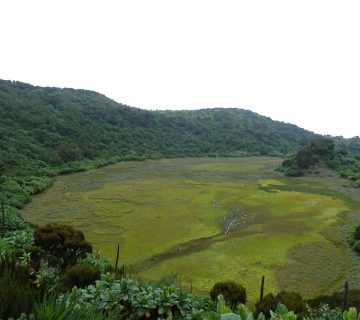
The mountain is an extinct volcano with dramatic rocky peaks, glaciers, alpine valleys and extensive forest zones. Its landscapes change significantly with altitude, moving from cultivated foothills and dense forests to bamboo vegetation, moorland and high-altitude terrain.
Mount Kenya is recognised as a UNESCO World Heritage Site and Biosphere Reserve. Its ecological importance comes from the variety of habitats and plant communities found across its slopes. The mountain also has deep cultural significance for communities including the Agikuyu, Aembu and Ameru, whose traditions connect the mountain with spiritual beliefs and ancestral heritage.
Nanyuki provides access to the northern and western approaches, particularly the Sirimon route. Visitors can use the town as a base for short nature walks, day hikes or multi-day climbing expeditions.
The mountain is not only for experienced climbers. Travellers who do not intend to reach the summit can still enjoy the lower forest areas, mountain viewpoints and guided walks.
Hiking Mount Kenya through the Sirimon route
The Sirimon route is one of the most popular approaches to Mount Kenya from Nanyuki. It begins at Sirimon Gate, which is accessed from the Nanyuki-Meru road.
The route is known for its scenic forest sections, open moorland and gradual ascent compared with some other approaches. Trekkers pass through different vegetation zones as they gain altitude, with opportunities to see mountain plants, birds and changing landscapes.
A short hike from Sirimon Gate can provide a rewarding introduction to the mountain. Visitors can walk through the forest and continue towards higher ground, depending on their fitness, available time and the conditions on the trail.
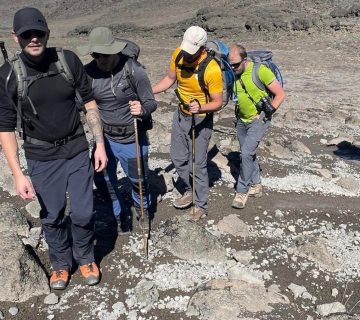
For those aiming to reach Point Lenana, a multi-day trek is required. Most itineraries allow time for gradual altitude gain and acclimatisation before the summit attempt. The number of days depends on the route, pace and trekking arrangements.
Batian and Nelion are technical climbing objectives that require specialist mountaineering experience and equipment. Point Lenana is the more commonly attempted trekking summit, although it still requires good physical preparation and proper acclimatisation.
Visitors should arrange a qualified guide, check current park requirements and prepare suitable clothing and equipment. Weather on the mountain can change quickly, and temperatures become much colder at higher elevations.
Ol Pejeta Conservancy: Wildlife near Nanyuki
Ol Pejeta Conservancy is one of the most important wildlife attractions in the Nanyuki region. Located west of the town, it protects a large area of Laikipia’s savannah and woodland habitats and supports a wide variety of wildlife.
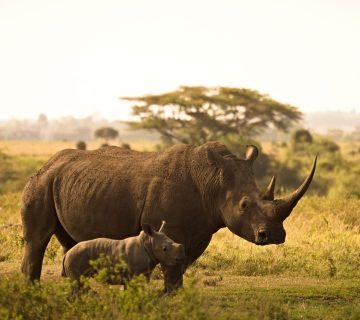
The conservancy is particularly famous for its rhino conservation programme. It protects significant populations of black and white rhinos and is internationally recognised for its work involving the northern white rhino.
Ol Pejeta is home to the world’s last two northern white rhinos, Najin and Fatu. Their presence makes the conservancy an important destination for visitors interested in wildlife conservation and the protection of critically endangered species.
The conservancy also supports elephants, lions, leopards, buffaloes, giraffes, zebras, cheetahs and numerous other animals. Its open landscapes make game drives rewarding, particularly during the cooler morning and late afternoon hours.
Visitors can explore the conservancy through guided game drives and other approved activities. Depending on availability and the relevant conservation arrangements, special experiences may include learning about rhino protection, conservation work and the management of endangered species.
Ol Pejeta also has a chimpanzee sanctuary, which provides care for chimpanzees rescued from situations involving illegal wildlife trade and other forms of exploitation. The sanctuary introduces visitors to the challenges of primate welfare and conservation.
A visit to Ol Pejeta can take a full day, especially for travellers who want to explore different parts of the conservancy and participate in additional activities.
Exploring the wider Laikipia Plateau
Nanyuki is an excellent starting point for exploring the Laikipia Plateau, a large landscape of private ranches, community conservancies, wildlife areas and agricultural properties.
Laikipia is known for its conservation approach, which brings together private landowners, local communities, conservation organisations and tourism operators. Many areas protect wildlife while supporting livestock production and community development.
The region supports important populations of elephants, lions, leopards, wild dogs, reticulated giraffes, Grevy’s zebras and other species. Some conservancies also protect rare or threatened animals that are less commonly encountered in Kenya’s more traditional safari destinations.
Lewa Wildlife Conservancy is among the best-known conservation areas in the wider region. It has a strong reputation for rhino conservation and the protection of Grevy’s zebra. It also forms part of a broader wildlife landscape connected to Mount Kenya and neighbouring conservation areas.
Borana Conservancy is another important destination, with a focus on wildlife protection and sustainable land management. It is known for its scenic landscapes, wildlife viewing and community conservation initiatives.
Ol Jogi Conservancy and Lolldaiga Hills are additional areas associated with Laikipia’s varied conservation landscape. Access arrangements differ, and some properties are private or require advance bookings through authorised operators.
Travellers should not assume that every conservancy operates like a public national park. Some require accommodation bookings, private transfers or pre-arranged activities.
Ngare Ndare Forest: Canopy walks and waterfalls
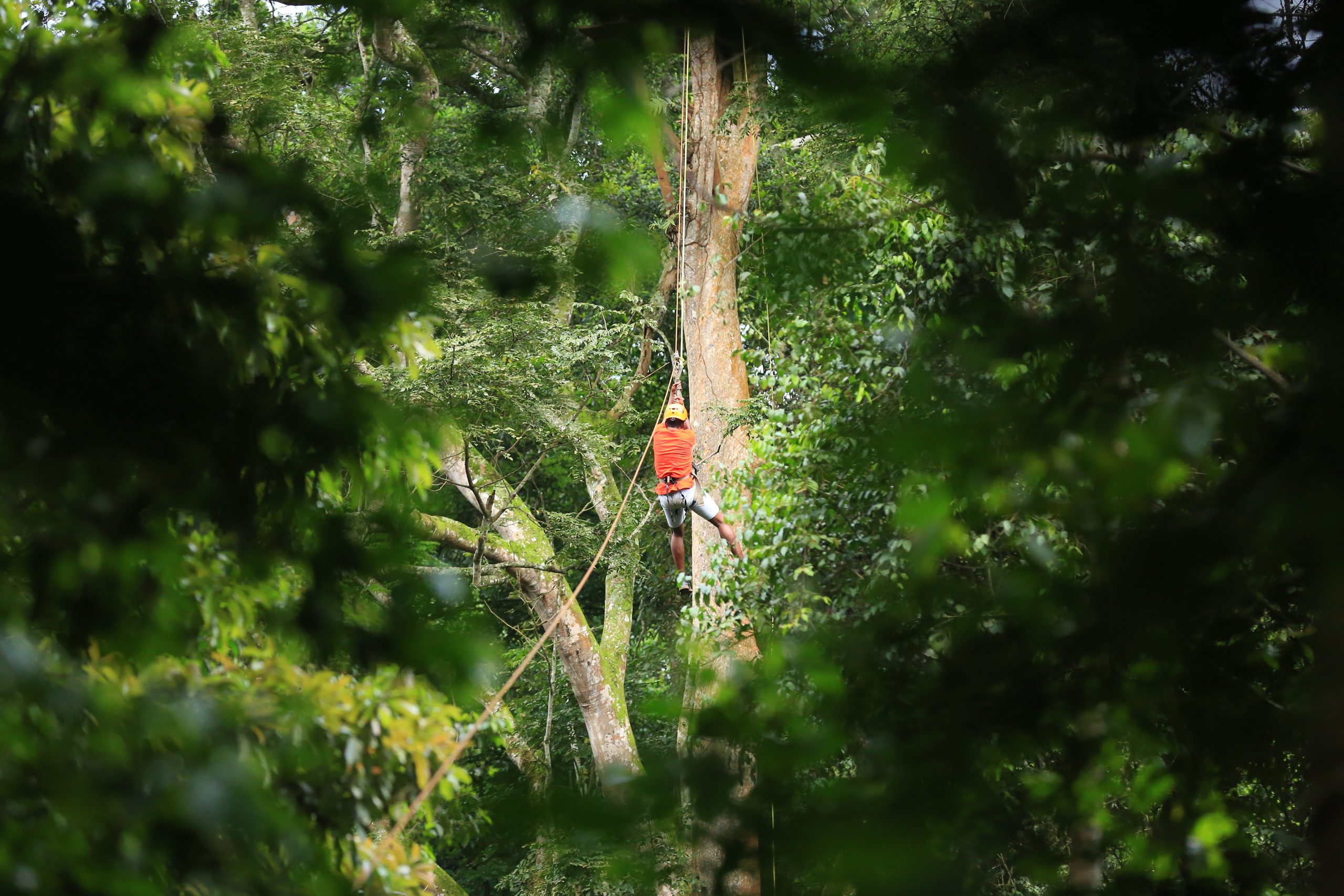
Ngare Ndare Forest is one of the most attractive natural excursions from Nanyuki. Located on the northern slopes of Mount Kenya, this indigenous forest is known for its clear streams, waterfalls, forest trails and elevated canopy walkway.
The forest provides an important habitat for wildlife and forms part of the wider ecological landscape connecting Mount Kenya with the Laikipia region. Its vegetation includes indigenous trees and plants that support birds, insects and mammals.
The canopy walkway is among the main attractions. It allows visitors to walk above the forest floor and observe the surrounding vegetation from a different perspective. The elevated position provides opportunities for photography and birdwatching.
Visitors can also explore walking trails leading to waterfalls and natural pools. Some visitors choose to swim in designated areas when conditions permit, although the water can be extremely cold.
A visit to Ngare Ndare is suitable for travellers interested in hiking, photography and nature. The forest experience is different from a game drive because the focus is on vegetation, scenery and walking rather than searching for large mammals.
Access conditions can vary, particularly during the rainy season. Visitors should confirm entry arrangements, trail conditions and whether a high-clearance vehicle is recommended before travelling.
Things to do in Nanyuki town
Although most visitors use Nanyuki as a base for outdoor activities, the town itself has enough to make a short exploration worthwhile.
The town centre has shops, supermarkets, cafés, restaurants and local markets. Visitors can browse everyday goods, purchase trekking supplies or enjoy a meal before continuing to the surrounding countryside.
Nanyuki also has a relaxed café culture, with establishments serving Kenyan coffee, pastries, light meals and international dishes. Some restaurants offer outdoor seating with views towards Mount Kenya when the weather is clear.
The town’s markets provide an opportunity to observe local commercial life and find fresh produce, household goods and selected crafts. Travellers interested in Kenyan food can try nyama choma, ugali, chapati, sukuma wiki and other familiar dishes.
For visitors preparing for a mountain trek, Nanyuki is a practical place to organise last-minute supplies. Outdoor shops and trekking operators can assist with equipment hire, guide arrangements and transport to the mountain gates.
Wildlife and birdwatching around Nanyuki
The combination of highland forests, grasslands, rivers and conservancies makes the Nanyuki region rewarding for wildlife enthusiasts.
Large mammals can be seen in Ol Pejeta and other nearby conservation areas. Depending on the location, visitors may encounter elephants, buffaloes, giraffes, zebras, antelopes and several predators.
The wider Laikipia region is also important for rare wildlife. Reticulated giraffes and Grevy’s zebras are among the distinctive species associated with northern Kenya. Wild dogs are present in some areas, although sightings are unpredictable.
Birdwatching is another activity worth considering. Forest habitats around Mount Kenya support different species from those found in the open savannah and dry scrubland of Laikipia. Visitors may see sunbirds, turacos, eagles, hornbills and various smaller woodland birds.
Ol Pejeta and the surrounding grasslands also attract raptors, waterbirds and open-country species. Carrying binoculars and travelling with a knowledgeable guide can improve the experience.
Best time to visit Nanyuki
Nanyuki can be visited throughout the year, but the best period depends on the activities planned.
The relatively dry months are generally suitable for game drives, hiking and exploring conservancies. Trails are often easier to navigate, and outdoor activities can be organised with fewer interruptions from rainfall.
January and February are commonly favourable for outdoor travel, while June to September usually brings cooler and relatively dry conditions. These months can be suitable for mountain trekking, although weather at higher elevations remains unpredictable.
The rainy periods generally occur around March to May and October to December, although the exact timing and intensity vary. Rain can make forest tracks and conservancy roads muddy, so visitors travelling independently may need a suitable four-wheel-drive vehicle.
Mount Kenya has its own mountain weather, which can change rapidly regardless of conditions in Nanyuki town. Trekkers should prepare for rain, cold temperatures, strong winds and possible snow or ice at higher elevations.
For wildlife viewing, early mornings and late afternoons are generally productive. For mountain trekking, choosing the right season and allowing enough time for acclimatisation are more important than simply selecting the warmest months.
How to get to Nanyuki from Nairobi
Nanyuki is accessible from Nairobi by road and air. The road journey covers approximately 200 kilometres and usually takes around three to four hours, depending on traffic, route and weather.
The main road route passes through Thika and continues north towards Karatina, Nyeri and Nanyuki. It offers views of agricultural landscapes and the central highlands, with Mount Kenya becoming increasingly prominent as travellers approach the town.
Private vehicles are convenient for travellers who want to visit several attractions around Nanyuki. A four-wheel-drive vehicle may be necessary for certain conservancy roads and forest access tracks, especially during rainy periods.
Public buses and matatus also operate between Nairobi and Nanyuki. These are useful for travellers who want to reach the town without hiring a private vehicle. However, additional transport is usually needed to reach Mount Kenya gates, conservancies and countryside accommodation.
Flights from Nairobi’s Wilson Airport to Nanyuki Airstrip offer a faster alternative. Light aircraft services and private charters operate on selected routes, although schedules and availability depend on the airline and season.
The airstrip is close to town, and many lodges and safari properties can arrange transfers for their guests. Travellers should confirm baggage restrictions and onward transport before booking a flight.
Getting around Nanyuki and Laikipia
Getting around Nanyuki town is relatively straightforward. Taxis, tuk-tuks and motorcycle taxis are available for short journeys, while walking is practical around some central areas during daylight.
For excursions outside town, private transport is generally more convenient. Mount Kenya trailheads, wildlife conservancies and forest attractions are spread across a wide area, and public transport does not provide reliable access to every location.
Visitors planning game drives should arrange transport through an authorised safari operator or conservancy accommodation provider. Some conservation areas have their own vehicles and guides, while others require visitors to organise access in advance.
Self-drive travellers should check road conditions and vehicle requirements before setting out. Some routes are suitable for ordinary vehicles in dry weather, but rough tracks and muddy sections may require a high-clearance four-wheel-drive vehicle.
Where to stay in Nanyuki
Nanyuki offers a range of accommodation, from simple guesthouses and town hotels to countryside lodges, boutique properties and luxury safari camps.
Budget travellers can find guesthouses and smaller hotels in or near the town centre. These are practical for visitors who want access to restaurants, shops and transport services without spending heavily on accommodation.
Mid-range properties include countryside lodges, cottages and hotels with gardens, restaurants and mountain views. These are suitable for couples, families and travellers planning several outdoor excursions.
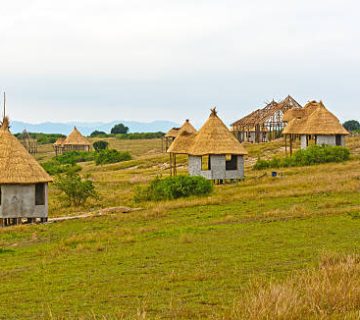
Luxury travellers can choose private lodges and safari camps in the surrounding Laikipia conservancies. These properties often combine accommodation with guided game drives, nature walks, meals and conservation experiences. Some offer exclusive access to particular wildlife areas, depending on their location and arrangements.
Travellers planning a Mount Kenya climb may prefer to stay in town before and after the trek, while those visiting Ol Pejeta may choose accommodation within or close to the conservancy.
It is advisable to consider the location of each property in relation to the activities planned. A lodge that is ideal for a wildlife safari may be less convenient for visitors who want to reach Sirimon Gate early in the morning.
Food and dining in Nanyuki
Nanyuki has a varied food scene that reflects its position as a growing highland town and tourism centre. Visitors can find Kenyan dishes, international meals, cafés and restaurants serving different styles of cuisine.
Nyama choma is a popular choice for travellers who want to experience a traditional Kenyan meal. It is commonly served with ugali, kachumbari and vegetables. Chicken, beef and goat dishes are also widely available.
Chapati, pilau, stews and grilled foods provide additional options for visitors interested in local cooking. Many restaurants also serve familiar international dishes such as pizza, pasta, burgers and sandwiches.
Kenyan tea and coffee are worth trying, particularly because the surrounding highlands are associated with agricultural production. Cafés around town provide convenient places to relax after a mountain walk or wildlife excursion.
Travellers preparing for a trek should organise meals and snacks according to their route and accommodation arrangements. Mountain expeditions require suitable food supplies, and visitors should discuss meal planning with their trekking operator.
A suggested three-day Nanyuki itinerary
Three days provide enough time to experience Nanyuki’s main attractions without rushing between the mountain, conservancies and forests.
Day one: Nanyuki town and Ol Pejeta Conservancy
Arrive in Nanyuki and settle into your accommodation. Visit the Equator crossing for photographs and a short geographical introduction to the region.
Continue to Ol Pejeta Conservancy for a game drive. Spend the day exploring its wildlife habitats and learning about rhino conservation. If time and arrangements permit, include a visit to the chimpanzee sanctuary or another approved conservation experience.
Return to your accommodation in the evening.
Day two: Mount Kenya and the Sirimon route
Start early and travel towards Sirimon Gate. Depending on your fitness and available time, arrange a guided forest walk or a longer hike towards the mountain’s higher vegetation zones.
Enjoy the scenery, observe the forest environment and learn about Mount Kenya’s ecological importance. Return to Nanyuki in the afternoon.
Visitors planning a summit trek should replace this short excursion with a properly organised multi-day climbing programme.
Day three: Ngare Ndare Forest and departure
Spend the morning exploring Ngare Ndare Forest. Walk along the forest trails, experience the canopy walkway and visit the waterfalls if conditions permit.
After the excursion, return to Nanyuki for lunch before beginning the journey to Nairobi or continuing to another destination in northern Kenya.
This itinerary can be adjusted according to interests. Travellers more interested in conservation may spend additional time in Ol Pejeta, while hikers can allocate more days to Mount Kenya.
Practical tips for visiting Nanyuki
Nanyuki’s elevation gives it cooler temperatures than many Kenyan safari destinations, particularly in the morning and evening. Visitors should carry warm clothing even when travelling during warmer months.
For mountain activities, suitable hiking shoes, layered clothing, rain protection and a reliable water supply are essential. Trekkers should also allow time for acclimatisation and avoid ascending too quickly.
Visitors heading into conservancies should confirm entry arrangements, vehicle requirements and activity schedules before travelling. Some areas are private and do not accept unannounced visitors.
Mobile phone coverage varies outside the town, particularly in remote conservation areas and mountain forests. Travellers should inform their accommodation or guide about their plans and avoid relying entirely on mobile connectivity.
Carry sufficient drinking water and keep personal belongings secure when moving through busy public areas. When visiting wildlife areas, follow guide instructions, maintain safe distances and never feed animals.
Combining Nanyuki with other Kenyan destinations
Nanyuki works well as part of a wider Kenyan itinerary because it connects several different tourism regions.
Travellers can continue north towards Samburu National Reserve and Buffalo Springs National Reserve, where the landscape becomes drier and wildlife includes species adapted to northern Kenya’s conditions.
Those interested in central Kenya can combine Nanyuki with Nyeri and the Aberdare region. These areas offer forest landscapes, waterfalls, mountain scenery and additional wildlife experiences.
Meru National Park is another option for travellers continuing east. It is known for its varied habitats, rivers, wildlife and conservation history.
For a longer safari, Nanyuki can also be combined with Laikipia’s private conservancies before continuing to Samburu or returning to Nairobi. This creates an itinerary that includes mountain trekking, conservation experiences and traditional game drives.
Is Nanyuki worth visiting?
Nanyuki is worth visiting for travellers interested in Mount Kenya, wildlife conservation and the landscapes of the Laikipia Plateau. Its location makes it one of the most practical bases for exploring this part of Kenya, while the town itself provides useful accommodation, transport and visitor services.
The main attractions are varied enough to suit different travel styles. Climbers can use Nanyuki to organise Mount Kenya expeditions, wildlife enthusiasts can explore Ol Pejeta and nearby conservancies, and nature lovers can discover Ngare Ndare Forest.
The Equator crossing adds a simple but memorable stop, while the town’s restaurants, cafés and markets provide opportunities to experience everyday life in the Kenyan highlands.
For visitors planning a journey beyond Kenya’s coastal resorts and southern savannah parks, Nanyuki offers a valuable change of scenery. It brings together mountain adventure, wildlife conservation and highland culture, making it an excellent gateway to Laikipia and Mount Kenya.

No comment