
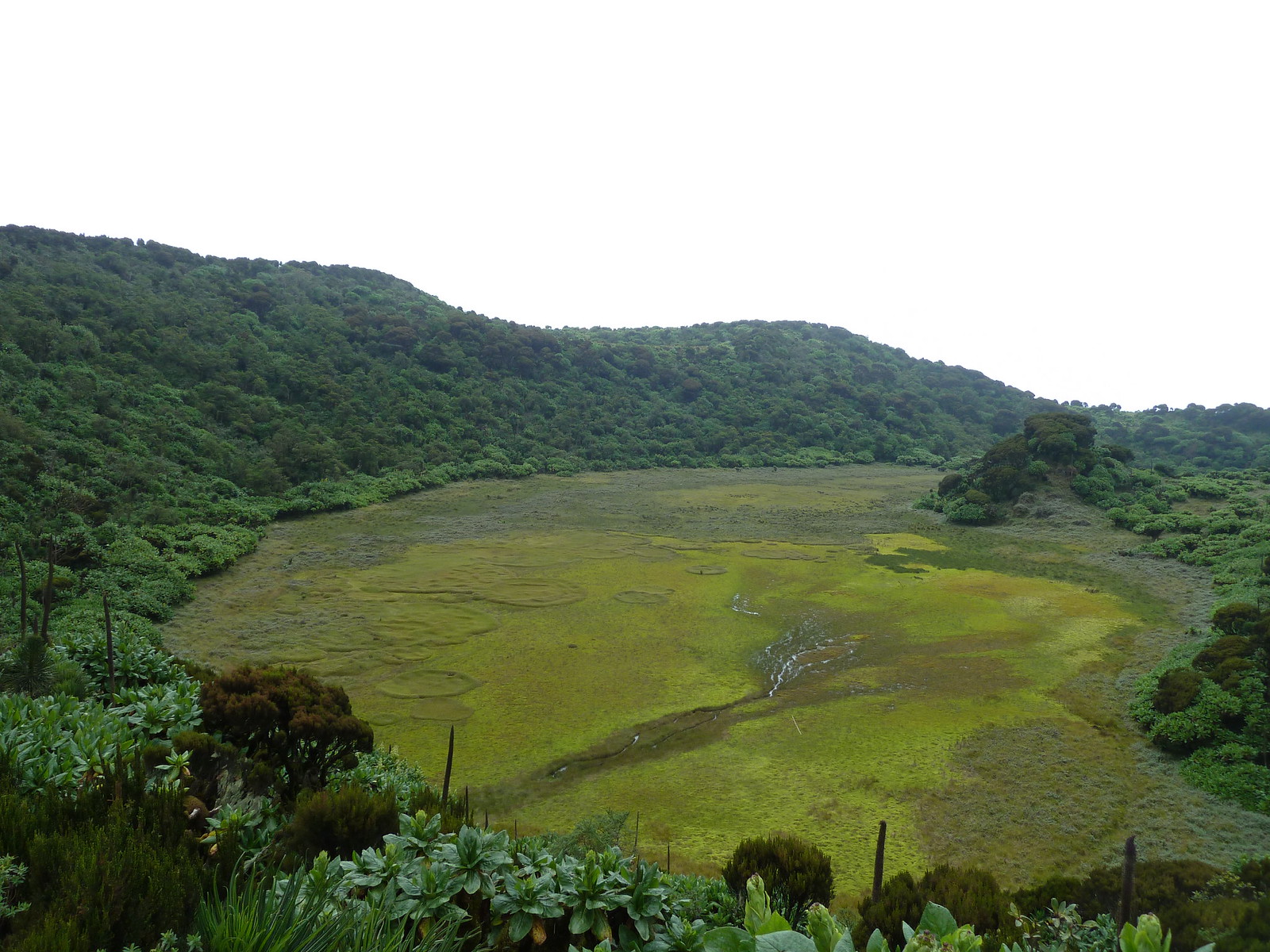
Mount Meru Climb: The Warm-Up That Is Harder Than It Looks
Mount Meru is often introduced to travellers as the perfect warm-up before climbing Mount Kilimanjaro. Located inside Arusha National Park in northern Tanzania, this impressive volcanic mountain rises to approximately 4,566 metres above sea level. It is Africa’s fifth-highest mountain and offers a challenging trekking experience through forests, wildlife habitats, open moorland and a dramatic crater rim.
Many climbers choose Mount Meru before attempting Kilimanjaro because it provides an opportunity to gain experience at altitude. The climb helps trekkers understand how their bodies respond to thinner air, practise walking at a steady pace and become familiar with mountain conditions. However, describing Meru simply as a warm-up can be misleading. Its steep trails, demanding summit night, exposed ridges and significant elevation gain make it a serious mountain climb in its own right.
Unlike Kilimanjaro, which has several established climbing routes, Mount Meru has one main official trekking route known as the Momella Route. The climb usually takes three or four days, with the four-day itinerary allowing a more comfortable pace. Accommodation is provided in mountain huts, and an armed park ranger accompanies climbing groups because wildlife, including buffalo and elephants, lives along the lower slopes.
For travellers planning a Kilimanjaro expedition, Mount Meru can be an excellent addition to a northern Tanzania itinerary. It offers a different mountain landscape, opportunities to observe wildlife and spectacular views towards Kilimanjaro. Understanding its difficulty and preparation requirements is essential before treating it as a simple introductory climb.
Where is Mount Meru?
Mount Meru is situated inside Arusha National Park, approximately 45 kilometres from Arusha town. It dominates the park’s landscape and is visible from several locations around the surrounding region, particularly on clear days.
The mountain is a large stratovolcano whose formation includes a massive horseshoe-shaped crater. Much of the eastern side of the original volcanic structure collapsed, creating the distinctive crater landscape visible from the upper slopes. Inside the crater is the Ash Cone, a volcanic feature formed by later activity.
Mount Meru’s highest point is Socialist Peak, which stands at approximately 4,566 metres. The summit is reached by following a narrow ridge along the crater rim. This final section is one of the most distinctive parts of the climb, offering views into the crater and across the surrounding landscape.
The mountain’s proximity to Arusha makes it relatively accessible. Most climbing itineraries begin with a transfer from Arusha to Momella Gate, where registration and park arrangements are completed before the trek begins.
Why Mount Meru is more than a warm-up for Kilimanjaro
Mount Meru is frequently recommended to travellers preparing to climb Kilimanjaro. Since it reaches more than 4,500 metres, it provides useful exposure to high-altitude conditions before attempting Africa’s highest mountain at 5,895 metres.
However, the physical demands of Meru should not be underestimated. The ascent involves steep sections, long walking days and a demanding summit attempt that usually begins around midnight. The final ridge also contains exposed sections where careful movement and concentration are essential.
One reason the mountain can feel difficult is the amount of elevation gained over a relatively short period. Trekkers start at around 1,500 metres at Momella Gate and climb to 4,566 metres at the summit. This is a substantial change in altitude over only a few days.
The second day is particularly noticeable because the trail climbs from Miriakamba Hut to Saddle Hut through increasingly steep terrain. By the time climbers reach the upper camp, they may already feel the effects of reduced oxygen availability.
Summit night adds another challenge. Trekkers leave Saddle Hut in darkness, often between midnight and 2:00 a.m., and climb towards the crater rim in cold conditions. The route becomes steeper and more exposed as it approaches Socialist Peak.
The descent can be equally demanding. After reaching the summit, climbers must retrace sections of the ridge and continue downhill for several hours. Tired legs, loose ground and accumulated fatigue make the return journey physically challenging.
Mount Meru is therefore best understood as a genuine high-altitude trekking objective. It can prepare travellers for Kilimanjaro, but it should not be treated as an easy training walk.
The Momella Route: The main way to climb Mount Meru
The Momella Route is the established climbing route to Socialist Peak. It begins at Momella Gate in Arusha National Park and follows the mountain’s southern slopes towards Miriakamba Hut and Saddle Hut before reaching the summit ridge.
The route passes through several ecological zones. The lower sections include open grassland and montane forest, while higher elevations feature heath, moorland and alpine vegetation. Near the summit, the environment becomes rocky and exposed.
Unlike Kilimanjaro’s camping routes, Mount Meru uses mountain huts for overnight accommodation. Climbers stay at Miriakamba Hut and Saddle Hut, with the four-day itinerary usually including a return night at Miriakamba before the final descent.
The Momella Route is suitable for trekkers who want a challenging mountain experience without committing to the longer duration required for Kilimanjaro. However, the relatively short itinerary means that good preparation and careful pacing are important.
Day one: Momella Gate to Miriakamba Hut
The climb begins at Momella Gate, situated at approximately 1,500 metres above sea level. After completing registration and meeting the park ranger, climbers begin walking through the lower landscapes of Arusha National Park.
The first day is particularly interesting because it combines mountain trekking with wildlife observation. The trail passes through open grassland and montane forest, where giraffes, buffalo, warthogs and several bird species may be seen.
Elephants also inhabit the park, although sightings depend on where wildlife is moving. Black-and-white colobus monkeys are another attraction in the forest sections. Their long white tails and contrasting black-and-white coats make them distinctive when spotted among the trees.
An armed ranger accompanies the climbing group throughout the trek. This is an important safety requirement because large wild animals, particularly buffalo and elephants, can be encountered along the lower slopes. Visitors must follow the ranger’s instructions and maintain appropriate distances from wildlife.
One of the notable features along the trail is the Fig Tree Arch. This unusual natural formation is created by a large strangler fig whose branches and roots have grown around the walking path. It provides an interesting photographic stop and illustrates the character of the mountain’s forest environment.
The trail gradually climbs towards Miriakamba Hut, located at approximately 2,514 metres. Depending on the selected trail section, the walk commonly takes around four to six hours.
The hut is situated in a forest clearing with views towards the surrounding mountain landscape. After arriving, climbers have time to rest, eat and prepare for the following day’s ascent.
Day two: Miriakamba Hut to Saddle Hut
The second day is where Mount Meru begins to feel more demanding. The trail climbs from Miriakamba Hut at approximately 2,514 metres to Saddle Hut at around 3,570 metres.
Although the walking distance is relatively short compared with the first day, the elevation gain is significant. The path becomes steeper, and sections of the route include steps and narrow mountain trails.
As climbers gain altitude, the vegetation changes. Dense forest gradually gives way to heathland and open moorland, with fewer trees and more exposed mountain scenery.
The views become increasingly impressive. The crater walls rise above the surrounding landscape, while the summit ridge begins to appear more clearly. On a clear day, Mount Kilimanjaro may also be visible in the distance.
Saddle Hut is located between the main summit area and Little Meru, a smaller neighbouring peak. It provides a resting point before the final ascent to Socialist Peak.
One of the most valuable activities on this day is the optional acclimatisation walk to Little Meru, which reaches approximately 3,820 metres. The additional climb provides an opportunity to gain more altitude before returning to Saddle Hut to sleep at a lower elevation.
The walk also offers excellent views across Arusha National Park and towards Kilimanjaro. However, climbers should only attempt it if they are feeling well and their guide considers it appropriate.
After dinner, trekkers are encouraged to rest because the summit attempt begins very early the following morning.
Day three: Summit attempt to Socialist Peak
Summit day is the most demanding part of the Mount Meru climb. The group usually wakes around midnight or shortly afterwards, depending on the guide’s schedule and weather conditions.
After a light meal and preparation, climbers leave Saddle Hut in darkness. Headlamps are essential because the trail is difficult to navigate without a reliable source of light.
The first major section climbs towards Rhino Point, situated at approximately 3,800 metres. From here, the trail continues along the crater rim, gaining elevation towards the higher sections of the mountain.
The route passes exposed ridges and rocky terrain. Some sections are narrow, and there are places where climbers need to use their hands to negotiate short scrambling sections. This is not a technical rock-climbing expedition, but it requires confidence, balance and careful movement.
As the group progresses, the altitude becomes increasingly noticeable. Breathing becomes more difficult, walking speeds slow down and the cold can become uncomfortable. Guides usually maintain a steady pace, allowing climbers to conserve energy.
The trail continues towards Cobra Point before reaching Socialist Peak at approximately 4,566 metres. Many climbers aim to reach the summit around sunrise.
The views can be spectacular. On clear mornings, Mount Kilimanjaro appears across the plains to the east, while the crater, Ash Cone and surrounding landscapes create an impressive mountain panorama.
Reaching Socialist Peak is a rewarding achievement, particularly after the demanding night ascent. Climbers usually spend a short time taking photographs and enjoying the views before beginning the descent.
The return journey follows the same general ridge route towards Saddle Hut. After a rest, the group continues down to Miriakamba Hut for the night on the standard four-day itinerary.
The summit day can take approximately 10 to 14 hours, depending on conditions, walking speed and the final descent arrangements. It is a long day, and the combination of altitude, cold and accumulated fatigue makes it particularly challenging.
Day four: Miriakamba Hut to Momella Gate
The final day involves descending from Miriakamba Hut to Momella Gate. After breakfast, climbers begin walking through the forest towards the lower slopes of Arusha National Park.
The descent usually takes around two to four hours, depending on the selected trail and pace. Compared with summit day, it is generally easier, although tired legs may make the downhill sections uncomfortable.
The forest offers another opportunity to observe birds and wildlife. Animals may be seen along the trail, although sightings are never guaranteed.
After reaching Momella Gate, climbers complete the necessary park procedures and receive their summit certificates according to the park’s arrangements. A vehicle then transfers them back to Arusha or their next accommodation.
The four-day programme provides a more balanced finish than the shorter three-day climb, which may combine the summit attempt and a much longer descent.
Wildlife encounters on Mount Meru
One of the main attractions of Mount Meru is the opportunity to encounter wildlife during a mountain climb. Unlike many high-altitude trekking destinations, the lower slopes form part of a protected national park with a variety of animals.
Giraffes are among the most recognisable species in the grassland areas. Their height makes them relatively easy to spot when they are feeding or moving through open vegetation.
Buffalo are also common in parts of the park. They are powerful animals and can be unpredictable, which explains why an armed ranger must accompany climbing groups.
Elephants inhabit the wider park environment, while warthogs may be seen feeding in open areas. Black-and-white colobus monkeys are particularly associated with the forest sections and are often heard moving through the trees.
Birdlife adds another dimension to the experience. Forest and woodland habitats support several species, while open areas and wetland environments provide opportunities to observe different birds.
Wildlife encounters depend on the season, location and animal movements. Visitors should never approach, feed or attempt to photograph animals from an unsafe distance. The ranger’s instructions take priority throughout the climb.
The mountain huts: Where climbers sleep
Mount Meru’s accommodation system is different from the camping arrangements used on many Kilimanjaro routes. Climbers stay in designated mountain huts, mainly Miriakamba Hut and Saddle Hut.
Miriakamba Hut is located at approximately 2,514 metres. It is the first overnight stop on the ascent and is also used during the return journey on the standard four-day itinerary.
Saddle Hut sits at approximately 3,570 metres and serves as the main overnight base before the summit attempt. Its location makes it possible to begin the final climb during the night and reach the summit around sunrise.
The huts provide basic shared accommodation rather than luxury facilities. Climbers should expect dormitory-style sleeping arrangements and communal spaces. Facilities are simpler than those found in hotels, so visitors should prepare for a practical mountain environment.
A sleeping bag is normally required, even though accommodation is provided indoors. Temperatures become colder at higher elevations, particularly during the night at Saddle Hut.
Travellers should confirm the available facilities and packing requirements with their climbing operator before departure.
How difficult is Mount Meru compared with Kilimanjaro?
Mount Meru is lower than Kilimanjaro, but that does not automatically make it easier. Its summit stands at approximately 4,566 metres, compared with Kilimanjaro’s 5,895 metres. However, Meru has steep sections and an exposed summit ridge that can make the climb physically demanding.
Kilimanjaro generally requires more days, depending on the selected route, and involves a longer overall trekking commitment. Mount Meru is shorter, but its elevation gain is concentrated into a smaller number of days.
The summit ridge is another important difference. Meru’s route includes narrow and exposed sections along the crater rim, while the final approach on many Kilimanjaro routes involves different terrain.
Neither mountain should be underestimated. Both require physical preparation, suitable equipment, experienced guides and careful attention to altitude-related symptoms.
For some climbers, Meru feels harder because of the steep ascent and demanding summit ridge. Others find Kilimanjaro more challenging because of its greater altitude and longer duration. The experience depends on fitness, altitude response, weather and the itinerary selected.
Is Mount Meru a good acclimatisation climb before Kilimanjaro?
Mount Meru can be useful for acclimatisation before climbing Kilimanjaro. Spending several days at increasing elevations provides an opportunity for the body to begin adjusting to thinner air.
The climb also allows travellers to practise the routines required on a larger mountain. These include maintaining a slow pace, drinking enough water, using trekking poles, managing clothing layers and recognising possible symptoms of altitude sickness.
However, climbing Meru does not guarantee successful acclimatisation for Kilimanjaro. The physiological benefits vary between individuals, and adaptation does not happen in exactly the same way for everyone.
Travellers should also allow recovery time between the two mountains. Completing Meru and immediately starting Kilimanjaro can leave climbers physically exhausted. A rest period in Arusha or another suitable location is a sensible part of the itinerary.
Mount Meru should therefore be viewed as a useful preparation experience rather than a guarantee against altitude sickness. Guides must continue monitoring climbers on Kilimanjaro, even when they have already reached Socialist Peak.
Physical preparation before climbing Mount Meru
Although Mount Meru does not require advanced technical climbing skills, good physical preparation is important. The mountain involves several hours of walking each day, steep uphill sections and a long summit attempt.
Cardiovascular training is a useful starting point. Activities such as hiking, running, cycling and brisk walking help improve endurance. Training should become progressively more demanding in the months before the climb.
Hill walking is particularly valuable because it prepares the legs for sustained uphill movement. Trekkers who live in relatively flat areas can use stairs, inclined treadmills or repeated hill sessions to build strength and stamina.
Strength training can improve stability and reduce fatigue. Exercises targeting the legs, hips and core are useful for managing uneven terrain and long descents.
It is also important to practise walking with a daypack. Climbers generally carry personal essentials such as water, snacks, warm clothing and rain protection, while porters handle the main luggage.
Training hikes should include longer walking sessions so that the body becomes accustomed to spending several hours on its feet. Footwear should be tested before the expedition to avoid blisters and discomfort.
Physical fitness is important, but it does not prevent altitude sickness. Even experienced athletes can struggle at high elevations, so climbers should remain patient and follow their guides’ advice.
What to pack for the Mount Meru climb
Packing for Mount Meru requires preparation for changing temperatures and weather conditions. The lower forest can be warm and humid, while the upper mountain becomes cold, windy and sometimes wet.
A suitable packing list includes comfortable hiking boots, trekking socks, moisture-wicking base layers, hiking trousers, warm fleece or insulated jackets and waterproof outer clothing.
For summit night, climbers need a warm hat, insulated gloves, a neck covering and additional layers. Temperatures near the summit can fall below freezing, particularly before sunrise.
Other important items include a headlamp with spare batteries, sunglasses, sunscreen, a water bottle or hydration system, personal medication and basic toiletries.
Trekking poles can help reduce pressure on the knees, particularly during the descent. A small daypack is useful for carrying water, snacks and clothing needed throughout the day.
Although mountain huts provide accommodation, climbers should bring a suitable sleeping bag. A headlamp is especially important because the summit attempt begins in darkness.
The climbing operator should provide a detailed equipment list before the trek. Visitors should confirm whether sleeping bags, walking poles and other equipment are available for hire.
Best time to climb Mount Meru
Mount Meru can be climbed throughout much of the year, but weather conditions influence the experience. The drier periods are generally preferred because trails are less muddy and visibility can be better.
June to October is a popular period for climbing. These months generally offer favourable trekking conditions, although temperatures can be cold at higher elevations.
January and February are also attractive months, particularly for travellers hoping to enjoy clear views of Kilimanjaro. The weather can be suitable for photography and outdoor activities, although conditions remain unpredictable.
The long rainy season generally occurs from March to May, while shorter rains often affect parts of November and December. During these periods, forest trails may become muddy and sections of the mountain can be slippery.
Rain and cloud can occur outside the main wet seasons, so climbers should be prepared for changing conditions at any time of year. Summit visibility is never guaranteed.
Safety and altitude considerations
Altitude is one of the main challenges on Mount Meru. As climbers gain elevation, the amount of oxygen available with each breath decreases. This can lead to symptoms such as headaches, nausea, dizziness, fatigue and difficulty sleeping.
Acute mountain sickness can affect anyone, regardless of age or fitness. Symptoms should be reported to the guide rather than ignored or hidden in an effort to reach the summit.
Severe symptoms, including confusion, difficulty walking straight, breathlessness at rest or a worsening headache accompanied by other warning signs, require urgent medical attention and descent. Guides should follow established mountain safety procedures and arrange evacuation when necessary.
Climbers should walk slowly, stay hydrated and avoid pushing themselves beyond their limits. The traditional mountain advice of walking slowly is particularly relevant on the upper slopes.
The armed ranger is essential for wildlife safety, while the mountain guide manages the trekking pace and helps monitor the group. Travellers should follow instructions from both throughout the climb.
Weather conditions also influence safety. Strong winds, rain, cold temperatures and poor visibility can make the summit ridge more difficult. Guides may change the schedule or stop an ascent when conditions become unsafe.
How much does it cost to climb Mount Meru?
The cost of climbing Mount Meru depends on the number of days, group size, operator standards and services included in the package.
A typical four-day climb involves park entry and conservation charges, hut accommodation, guiding services, an armed ranger, porters, meals, drinking water arrangements and transport to and from Momella Gate.
Some packages include hotel accommodation in Arusha before and after the climb, while others provide mountain services only. Travellers should check these details before comparing prices.
The four-day itinerary usually costs more than the three-day option because it involves an additional overnight stay and more time on the mountain. However, the extra day provides a more comfortable descent and reduces the pressure of completing everything within a shorter schedule.
When selecting an operator, visitors should not focus exclusively on the cheapest quotation. Safety arrangements, guide experience, crew welfare, food quality and equipment standards are important considerations.
Combining Mount Meru with a Kilimanjaro climb
Many travellers combine Mount Meru with Kilimanjaro as part of a longer Tanzania mountain adventure. This combination provides an opportunity to experience two different volcanic landscapes while preparing for the higher summit.
A typical itinerary begins with a four-day Mount Meru climb. After returning to Arusha, travellers take time to rest and recover before beginning their Kilimanjaro expedition.
The length of the recovery period should depend on the climber’s condition, the Meru itinerary and the planned Kilimanjaro route. There is no universal interval suitable for everyone, so the operator and guides should help determine whether the climber is ready to continue.
The combination is particularly appealing to trekkers who want more than a single mountain experience. Meru offers wildlife encounters, hut accommodation and a dramatic crater ridge, while Kilimanjaro provides a longer journey through several ecological zones towards the highest point in Africa.
Travellers should remember that climbing both mountains requires considerable physical effort. A realistic schedule should include recovery time, adequate nutrition and flexibility in case of weather or health-related changes.
Frequently asked questions about climbing Mount Meru
How high is Mount Meru?
Mount Meru rises to approximately 4,566 metres above sea level at Socialist Peak. It is Tanzania’s second-highest mountain and one of the major volcanic peaks in East Africa.
How many days does it take to climb Mount Meru?
Most climbs take three or four days. The four-day itinerary is generally preferable because it provides a more comfortable pace and includes an overnight stop at Miriakamba Hut after the summit attempt.
Do you need a guide to climb Mount Meru?
Yes. Climbers must use an organised guiding arrangement, and an armed park ranger accompanies groups because of wildlife in Arusha National Park. Visitors should confirm current park requirements with their operator before travelling.
Is Mount Meru harder than Kilimanjaro?
Mount Meru is lower, but it has steep sections and an exposed summit ridge. Kilimanjaro involves greater altitude and usually a longer trekking commitment. Which mountain feels harder depends on the individual and the itinerary.
Can beginners climb Mount Meru?
Beginners can climb Mount Meru if they have prepared physically and are comfortable with several days of hiking. The four-day programme is a better choice for many first-time high-altitude trekkers than the shorter three-day option.
Can you see Kilimanjaro from Mount Meru?
Yes. On clear days, Kilimanjaro can be seen from several points on Mount Meru, including the upper slopes and summit ridge. Sunrise offers some of the best opportunities for viewing the neighbouring mountain.
Do climbers sleep in tents on Mount Meru?
No. The standard Momella Route uses mountain huts at Miriakamba and Saddle. Accommodation is basic and shared, so climbers should not expect private rooms or hotel-style facilities.
Is an armed ranger necessary?
Yes. An armed ranger accompanies climbing groups because elephants, buffalo and other wildlife inhabit the lower slopes of Arusha National Park. Visitors must follow the ranger’s safety instructions throughout the walk.
A challenging climb that deserves respect
Mount Meru is an excellent introduction to high-altitude trekking, but its reputation as a warm-up for Kilimanjaro should not hide the demands of the climb. The steep ascent to Saddle Hut, the exposed crater ridge and the long summit night make it a challenging mountain experience.
Its appeal extends beyond reaching Socialist Peak. The journey begins with wildlife encounters in Arusha National Park, continues through changing vegetation zones and finishes with impressive views across the crater and towards Kilimanjaro. The mountain huts also provide a different style of trekking from the camping experience on many Kilimanjaro routes.
For travellers preparing for Africa’s highest mountain, Meru can provide valuable experience with altitude, pacing and mountain routines. For those who simply want a shorter but rewarding mountain expedition, it is a worthwhile destination in its own right.
The best approach is to allow four days, prepare physically, respect the altitude and choose an experienced climbing team. Mount Meru may be smaller than Kilimanjaro, but it is far more than an easy practice climb.

No comment