
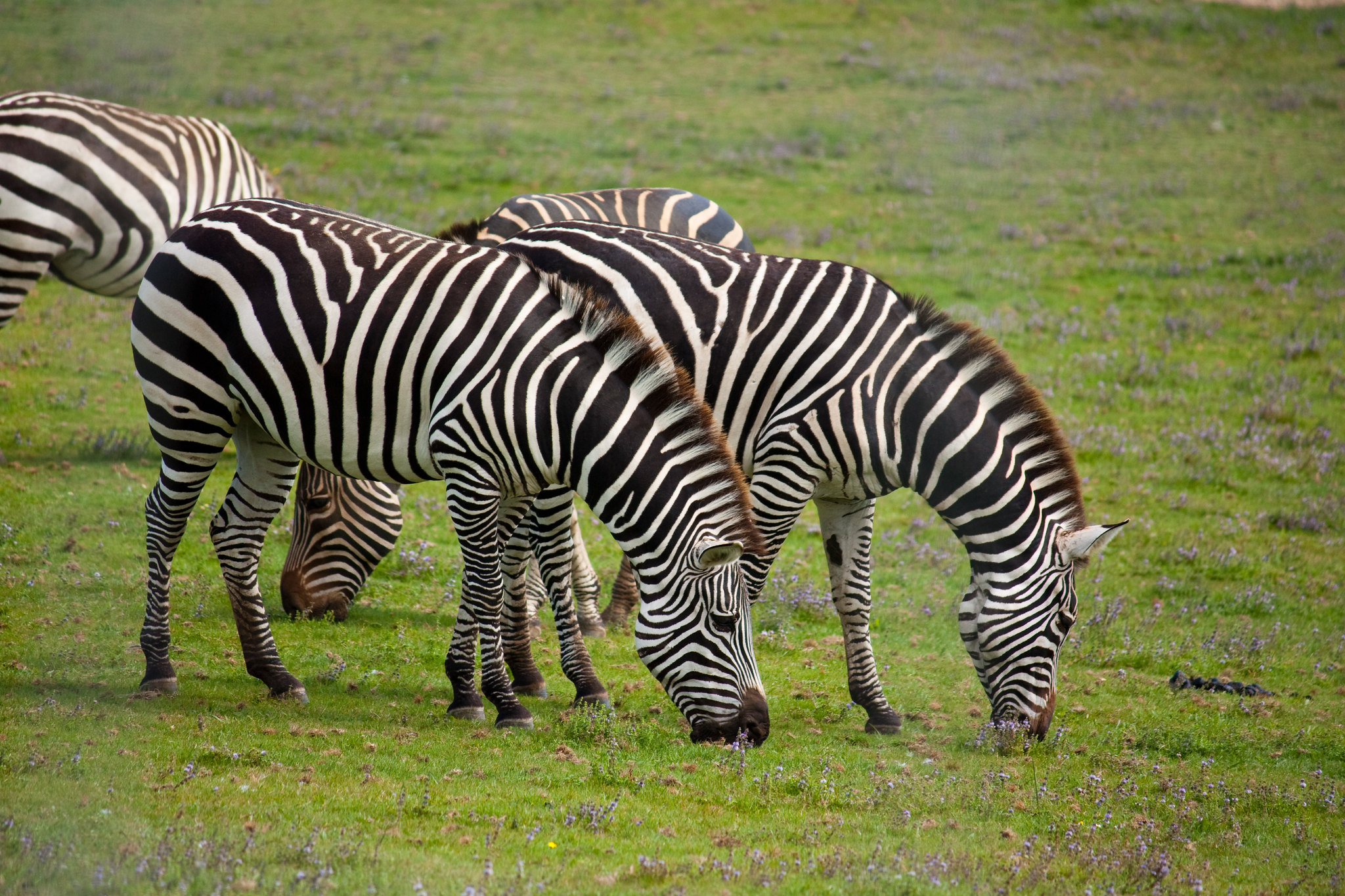
Kenya’s Grevy’s Zebra: The Rarest Zebra and Where to Find It
From roughly 15,000 individuals in the 1970s to an estimated 2,000 today, Grevy’s zebra has suffered one of the steepest population declines of any large African mammal, earning it endangered status and a genuinely narrow modern range confined almost entirely to Kenya and a small population in Ethiopia. Spotting one, with its distinctive narrow stripes and oversized ears, ranks among northern Kenya’s most genuinely significant wildlife encounters.
Key Highlights
- Grevy’s zebra is the largest living wild equid species and the most endangered of the three zebra species
- Population has declined from roughly 15,000 in the 1970s to around 2,000 individuals today
- Distinguished from plains zebra by its narrower stripes, larger ears and taller build
- Found almost exclusively in northern Kenya, with a small remaining population in Ethiopia
- Best spotted at Samburu, Shaba, Buffalo Springs, Ol Pejeta and Lewa conservancies
- Social groups are fluid, changing composition almost daily, unlike the stable harems of plains zebra
The Largest Living Wild Equid
Grevy’s zebra, also known as the imperial zebra, ranks as the largest living species of wild equid anywhere on Earth, a genuinely substantial animal weighing between 350 and 450 kilograms and capable of running up to 40 miles per hour despite its considerable size. Named after Jules Grévy, a nineteenth-century French president, the species carries a distinctly regal bearing that long ago earned it the alternative “imperial zebra” nickname, a fitting description for an animal whose scale and striking pattern set it apart even among its already distinctive zebra relatives.
Distinguishing Grevy’s From Plains Zebra
Visitors unfamiliar with the distinction often mistake Grevy’s zebra for an unusually large plains zebra at first glance, but the differences become obvious on closer inspection: Grevy’s zebra stands taller, carries noticeably narrower stripes, roughly 80 in total, and sports considerably larger, more rounded ears, each stripe pattern as genuinely unique to the individual animal as a human fingerprint.
A Population in Genuine Crisis
Grevy’s zebra numbers have collapsed dramatically over the past five decades, falling from an estimated 15,000 individuals in the 1970s to roughly 2,000 today, a decline driven by a combination of habitat loss, unregulated hunting, disease and predation pressure. This decline has earned the species formal endangered status under IUCN classification, placing it among the more urgently threatened large mammals found anywhere on the African continent, a genuinely sobering statistic for an animal many visitors might otherwise assume shares the relatively stable conservation status of its more familiar plains zebra cousin.
Why the Decline Has Been So Severe
Unlike plains zebra, which range across a considerably broader swath of East and Southern Africa and tolerate a wider range of habitat conditions, Grevy’s zebra’s specific ecological requirements and genuinely narrow modern range have left the species particularly vulnerable to concentrated pressure within its limited remaining territory, explaining why its decline has outpaced many other African herbivore species facing broadly similar threats.
A Fluid, Unusual Social Structure
While genuinely social animals, Grevy’s zebra maintain considerably looser social bonds than plains zebra, whose herds organise around relatively stable, long-term harem groups. Grevy’s zebra groups instead shift composition almost daily, individuals moving fluidly between different associations rather than maintaining the same fixed social unit, a genuinely distinctive behavioural pattern that sets the species apart from its more socially stable relatives.
What This Means for Spotting Them
This fluid social structure means Grevy’s zebra sightings can vary considerably in group size and composition between visits, sometimes solitary individuals, other times loose aggregations, adding a genuine element of unpredictability to each specific sighting compared to the more consistent herd structure typical of plains zebra encounters.
Where to Find Grevy’s Zebra in Kenya
Grevy’s zebra’s modern range has contracted almost entirely to northern Kenya, with the species’ strongest remaining populations found at Samburu, Shaba and Buffalo Springs reserves, alongside the Laikipia region’s conservancies including Ol Pejeta and Lewa. These destinations collectively represent some of the species’ last genuinely viable strongholds anywhere on Earth, making a visit here considerably more significant than a standard wildlife sighting given how narrow the species’ remaining range has become.
A Small Remaining Ethiopian Population
Beyond Kenya, a small Grevy’s zebra population persists in Ethiopia, though Kenya’s northern reserves and conservancies hold the overwhelming majority of the species’ remaining wild individuals, making Kenya genuinely central to the species’ continued survival.
Conservation Efforts Underway
Dedicated conservation programmes across Grevy’s zebra’s Kenyan range focus on habitat protection, disease monitoring and community engagement specifically calibrated to address the species’ particular decline drivers, with conservancies like Lewa and Ol Pejeta playing genuinely significant roles in sustaining the remaining population through their broader conservation infrastructure. Tourism revenue at these destinations directly supports this ongoing work, giving visitors a tangible conservation role in addition to the wildlife-viewing experience itself.
Why Seeing Grevy’s Zebra Matters
With roughly 2,000 individuals remaining globally, encountering a Grevy’s zebra in the wild carries genuine conservation significance well beyond a standard wildlife sighting, a direct encounter with one of Africa’s most endangered large mammals, confined to an increasingly narrow range within a single country. Understanding this context before your visit transforms the sighting from simply an unusual-looking zebra into witnessing something genuinely close to the edge of disappearing from the wild entirely.
Diet and Water Dependence
Grevy’s zebra grazes primarily on grasses but shows considerably more dietary flexibility than plains zebra, able to subsist on coarser, lower-quality vegetation when necessary, an adaptation well suited to the drier, more marginal habitat that makes up much of its remaining northern Kenya range. Despite this dietary flexibility, the species remains genuinely dependent on regular access to water, needing to drink roughly every other day, a requirement that has made water source protection and access a key practical consideration in conservation planning across its range.
How Water Dependence Shapes Conservation Strategy
Understanding Grevy’s zebra’s specific water requirements has directly informed where conservation efforts concentrate protection resources, since maintaining reliable access to water sources within the species’ range matters as much to its survival as broader habitat protection alone.
Breeding and Reproduction
Unlike plains zebra’s stable harem-based breeding structure, Grevy’s zebra males establish and defend territories rather than maintaining permanent control over specific female groups, with breeding opportunities arising as female groups move through a given male’s territory. This territorial breeding system, combined with the species’ already fluid social groupings, reflects a genuinely distinct reproductive strategy among African equids, one that research continues to study for insight into how the species might best be supported through future conservation planning.
Foals and Early Development
Grevy’s zebra foals, much like other zebra species, can stand and move with the herd within a remarkably short time after birth, an evolutionary adaptation shared broadly across zebra species given the predation pressure young, vulnerable animals face in open savanna and arid habitat.
Community-Based Conservation Playing a Direct Role
Much of Grevy’s zebra’s remaining habitat sits across land managed through community-based conservancy structures rather than purely government-run national parks, meaning the species’ survival depends directly on the same community partnership model that has proven effective for other endangered species across northern Kenya and Laikipia. Local communities living alongside Grevy’s zebra populations receive direct economic benefit through conservancy tourism revenue, creating genuine incentive to maintain habitat and reduce human-wildlife conflict that might otherwise threaten the species further.
A Species Whose Survival Depends on This Model
Given how narrow Grevy’s zebra’s remaining range has become, the success or failure of these community conservation partnerships carries genuinely outsized importance for the species’ overall survival prospects, making visitor support for these specific conservancies a meaningfully direct contribution to one of Africa’s most urgent large-mammal conservation stories.
Photographing Grevy’s Zebra
Grevy’s zebra’s distinctive narrow stripe pattern, finer and more densely packed than plains zebra’s bolder markings, makes for genuinely striking close-up photography, particularly when captured against the open, arid terrain typical of its northern Kenya range. The species’ larger ears and taller build also photograph distinctively well in profile, giving photographers a genuinely different subject than the more commonly photographed plains zebra found throughout East Africa’s savanna parks.
A Species Worth Building Awareness Of Before You Travel
Many first-time Kenya visitors arrive familiar with plains zebra but genuinely unaware that a second, considerably rarer zebra species exists within reach of a standard northern Kenya itinerary. Taking a few minutes to understand Grevy’s zebra’s distinctive features and genuine conservation urgency before travelling transforms a potential sighting from a passing curiosity into a meaningful encounter with one of the continent’s most endangered large mammals, exactly the kind of context that turns a good safari into a genuinely memorable one.
Frequently Asked Questions
How can I tell a Grevy’s zebra apart from a plains zebra?
Grevy’s zebra is taller, with noticeably narrower stripes, larger rounded ears, and a more robust overall build than the more common plains zebra.
Why is Grevy’s zebra endangered while plains zebra isn’t?
Its considerably narrower modern range and specific ecological requirements have left it particularly vulnerable to habitat loss, hunting and disease pressure concentrated within a smaller remaining territory.
Where in Kenya offers the best chance of seeing Grevy’s zebra?
Samburu, Shaba, Buffalo Springs and the Laikipia conservancies including Ol Pejeta and Lewa hold the species’ strongest remaining populations.
Do Grevy’s zebra live in herds like plains zebra?
They form considerably more fluid social groups, with composition changing almost daily, unlike plains zebra’s stable, longer-term harem structure.
How many Grevy’s zebra remain in the wild today?
Roughly 2,000 individuals, down from approximately 15,000 in the 1970s, almost entirely confined to northern Kenya with a small Ethiopian population.
Recommended Safaris
Grevy’s zebra viewing pairs naturally with a northern Kenya itinerary including Samburu and Shaba or the Laikipia Plateau. Ready to encounter one of Africa’s most endangered large mammals in the wild? Reach our team through our Book Now page and we’ll plan it around your dates.

No comment