
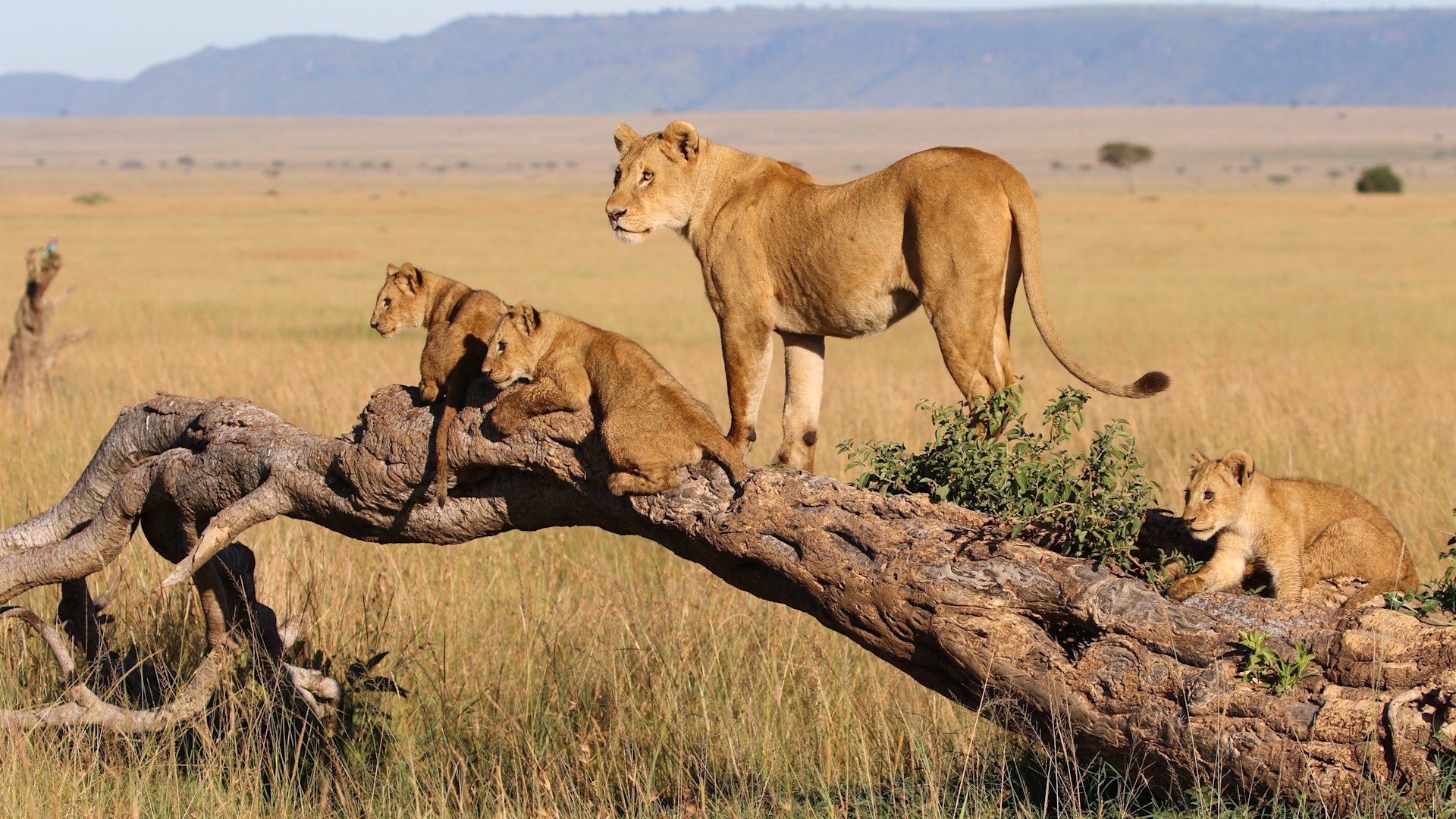
Masai Mara’s Famous Big Cat Prides: Stories From the Plains
For an entire generation of television viewers, one lion pride defined what the Maasai Mara looked like long before they ever set foot in Kenya. The Marsh Pride, chronicled across more than a decade of the BBC’s Big Cat Diary, remains the most famous lion family in the world, and it’s just one of several documented prides whose individual stories give a Mara safari genuine narrative depth beyond simply spotting lions.
Key Highlights
- The Marsh Pride, famous from the BBC’s Big Cat Diary (1996-2008), is widely considered the most documented lion pride in the world
- Roughly 850 to 900 lions live within the Maasai Mara reserve and surrounding conservancies
- The Marsh Pride holds a roughly 40-square-kilometre territory around the Musiara Marsh, with around 30 members
- The Rongai Pride is known for powerful buffalo-hunting tactics and successful multi-generational cub rearing
- The Paradise Pride is known for dramatic encounters with crocodiles during Mara River migration crossings
- Each pride’s territory and reputation is shaped by the specific landscape features within its range
The Marsh Pride: Television’s Most Famous Lions
The Marsh Pride earned its global fame through the BBC’s Big Cat Diary, which aired from 1996 to 2008 and followed the pride’s hunting, family bonds and territorial dramas in close, sustained detail that transformed anonymous wild lions into genuinely familiar characters for millions of viewers worldwide. Presenters Jonathan Scott, Simon King and Jackson Looseyia brought the pride’s individual personalities and ongoing struggles to international audiences, making the Marsh Pride arguably the best-documented lion family anywhere in the world.
Their Territory Around Musiara Marsh
The pride takes its name from the Musiara Marsh, a lush, water-rich area that anchors their roughly 40-square-kilometre territory, providing abundant prey and genuine shelter advantages that have helped sustain the pride, now numbering around 30 members, across multiple generations since the original Big Cat Diary cameras first arrived.
The Rongai Pride: Buffalo Specialists
The Rongai Pride, numbering around 20 individuals, has built a distinctive reputation around powerful, coordinated buffalo-hunting tactics, a genuinely demanding prey choice given buffalo’s size and formidable collective defence, alongside consistently successful rearing of multiple generations of cubs. This combination of hunting prowess and reproductive success has made the Rongai Pride one of the Mara’s more consistently thriving lion families, a genuine conservation success story within the broader ecosystem.
Why Buffalo Hunting Marks This Pride Out
Hunting buffalo requires genuinely coordinated pride tactics and carries real injury risk given the prey’s size and aggressive defensive behaviour, making the Rongai Pride’s documented hunting success a particularly impressive, closely studied aspect of their specific territorial behaviour.
The Paradise Pride: Crocodile Encounters at the River
Positioned near the Mara River’s crossing points, the Paradise Pride has become known for dramatic interactions with crocodiles during the great migration’s crossing season, their territory placing them directly at one of the ecosystem’s most visually intense predator convergence points. Witnessing this pride navigate the same crossing chaos that draws international attention to the Mara River each year adds a genuinely compelling narrative layer to visiting during migration season specifically.
A Pride Shaped by Its River Territory
The Paradise Pride’s proximity to major crossing points means their documented behaviour and hunting opportunities differ meaningfully from prides based further from the river, a direct illustration of how specific territory shapes each pride’s distinct character within the broader Mara lion population.
The Rekero Pride: Scale and Cub Survival
The Rekero Pride stands out for its considerable size and consistently high cub survival rates, a genuine marker of territorial and hunting success within a landscape where cub mortality from predation, starvation and territorial conflict remains a persistent natural pressure. This pride’s sustained success offers researchers and visitors alike a valuable window into what distinguishes a thriving lion family from one facing genuine survival struggles within the same broader ecosystem.
Why Individual Pride Stories Matter for Visitors
Understanding these specific prides’ individual histories transforms a standard lion sighting from simply spotting “a lion” into recognising a specific family with its own documented territory, hunting reputation and ongoing story, genuinely deepening the experience for visitors who’ve done even a little homework before arriving. Experienced Mara guides can often identify which specific pride you’re observing and share relevant history, adding real narrative context that considerably enriches the sighting.
Roughly 850 to 900 Lions Call the Mara Home
Beyond these individually famous prides, the broader Maasai Mara ecosystem supports an estimated 850 to 900 lions across the reserve and surrounding conservancies, meaning the famous documented prides represent just a fraction of a genuinely substantial overall lion population.
Where to See These Prides
Each pride’s specific territory means sighting odds vary depending on exactly where within the broader Mara ecosystem you’re based, a stay near Musiara Marsh improves Marsh Pride sighting odds, while a camp closer to major river crossing points increases the likelihood of encountering the Paradise Pride specifically. Discussing specific pride territories with your operator when planning accommodation can meaningfully shape which documented prides you’re most likely to encounter.
How Lion Prides Actually Function
A typical lion pride centres around a core group of closely related females, mothers, daughters and sisters who remain together across generations, defending a shared territory while a smaller number of resident males, sometimes a coalition of brothers or unrelated allies, provide protection against rival males and contribute to cub defence. This basic social structure underlies every pride in the Mara, though each specific pride’s size, territory and particular behavioural reputation, buffalo hunting, river crossings, cub-rearing success, reflects the unique circumstances of that specific family’s history and location.
Territorial Challenges and Pride Takeovers
Pride dynamics aren’t static; male coalitions periodically challenge and sometimes displace resident males, a genuinely dramatic and occasionally visible aspect of lion social behaviour that can reshape a pride’s leadership and, in some cases, result in new males killing existing cubs to bring females back into reproductive readiness, a difficult but biologically significant reality of wild lion behaviour visitors should understand honestly rather than only encountering the more comfortable, family-friendly narrative.
The Legacy of Big Cat Diary on Mara Tourism
Big Cat Diary’s sustained, decade-plus television presence did more than make the Marsh Pride famous; it genuinely shaped how international audiences understood and connected with African wildlife more broadly, introducing millions of viewers to the idea of following specific, named animals through ongoing individual stories rather than viewing wildlife as a generic, undifferentiated mass. This storytelling approach has directly influenced how modern safari guiding and wildlife documentation often works, with guides increasingly sharing individual animal histories and personalities rather than purely species-level information.
A Model Other Destinations Have Followed
The success of individually tracked, named wildlife storytelling pioneered by Big Cat Diary has influenced wildlife documentation and guiding practices at destinations well beyond the Mara itself, a genuine example of how effective nature storytelling can shape broader conservation awareness and tourism practice.
Photographing Mara Lion Prides
Given how closely studied and habituated to vehicle presence many of the Mara’s famous prides have become through decades of research and tourism, photographers often find genuinely close, extended access to natural pride behaviour, resting, grooming, hunting preparation, that would be considerably harder to capture with less-habituated lions elsewhere. Morning and late afternoon game drives typically offer the most active pride behaviour, as lions generally rest through the heat of midday, making these windows the most rewarding for both photography and simply observing genuine social interaction within the pride.
Patience Rewards Serious Lion Photography
Spending extended time with a single pride, rather than moving quickly between multiple sightings, often rewards photographers with more dynamic behaviour, interaction between cubs and adults, grooming, territorial vocalisation, than a brief passing visit typically captures.
Threats Facing the Mara’s Lion Population
Despite the Mara’s relatively healthy overall lion numbers, the ecosystem’s lions still face genuine ongoing pressures, habitat fragmentation at the reserve’s edges, occasional conflict with livestock-keeping communities bordering the protected area, and the broader challenges any apex predator population faces maintaining genetic diversity within a bounded ecosystem. Conservation research tracking individual prides, including the famous ones covered here, directly supports efforts to understand and address these pressures, giving the decades of documentation following prides like the Marsh family genuine ongoing scientific value beyond their entertainment and tourism appeal.
Frequently Asked Questions
Is the Marsh Pride from Big Cat Diary still alive today?
The pride continues today through successive generations descended from the original Big Cat Diary lions, carrying the same name and occupying broadly the same territory.
Can I choose which pride to see based on where I stay?
To some extent, yes; different prides hold different territories, so your camp or lodge location influences which specific prides you’re more likely to encounter.
How many lions live in the Maasai Mara overall?
An estimated 850 to 900 lions live across the reserve and surrounding conservancies, representing a healthy overall population beyond the individually famous documented prides.
Why does the Paradise Pride have such a dangerous-sounding reputation?
Their territory sits near major Mara River crossing points, placing them directly amid the dramatic predator-prey interactions that occur during migration season.
Do guides generally know which specific pride you’re viewing?
Experienced Mara guides often can identify specific prides and share relevant history, adding genuine context to a sighting.
Recommended Safaris
Mara lion pride viewing pairs naturally with time in the Maasai Mara conservancies. Ready to encounter these famous lion families on your own Kenya safari? Reach our team through our Book Now page and we’ll plan it around your dates.

No comment