
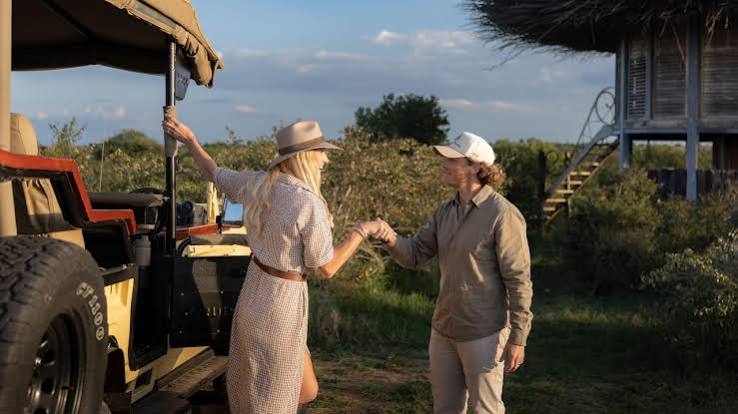
Laikipia Plateau Safari Guide: Kenya’s Conservation Frontier
Laikipia isn’t a single park but an entire region built around a genuinely different conservation philosophy: a 9,500-square-kilometre mosaic of private conservancies, community-owned ranches and working livestock operations, stitched together into one of Africa’s largest connected conservation landscapes. The Laikipia Plateau holds Kenya’s only viable wild dog population north of the equator and some of the country’s highest wildlife density outside the Maasai Mara itself.
Key Highlights
- Laikipia spans roughly 9,500 square kilometres bridging East Africa’s savanna and the arid Horn of Africa to the north
- More than 20 conservancies coordinate through the Laikipia Conservancies Association to allow wildlife movement across the whole landscape
- The region holds Kenya’s only viable wild dog population north of the equator, now Africa’s second most important wild dog range
- Activities unavailable in national parks are standard here: night drives, walking safaris, off-road driving, horse and camel safaris
- Laikipia ranks second only to the Maasai Mara for wildlife density anywhere in Kenya
- Key conservancies include Ol Pejeta, Lewa, Loisaba and Borana, each with its own specific conservation focus
A Mosaic, Not a Single Protected Area
Unlike a conventional national park with clearly defined boundaries and uniform management, Laikipia functions as a genuine mosaic, private conservancies, community-owned group ranches and working commercial farms and livestock operations all interwoven across the plateau, coordinated through the Laikipia Conservancies Association to allow wildlife genuine freedom of movement across the entire landscape rather than confinement within isolated fenced reserves. This structure represents one of Africa’s most ambitious large-scale conservation experiments, proving that wildlife conservation and working agricultural land use can coexist productively across the same broad landscape.
Why This Model Matters Beyond Laikipia Itself
Laikipia’s success at combining conservation, community benefit and commercial land use across such a large connected area has made it a genuinely influential model studied by conservation planners elsewhere in Africa facing similar challenges balancing wildlife protection against human land-use needs.
Kenya’s Last Viable Wild Dog Population North of the Equator
Laikipia holds genuinely significant conservation importance as home to Kenya’s only viable African wild dog population north of the equator, now recognised as the second most important wild dog range anywhere on the continent. African wild dogs rank among Africa’s most endangered large carnivores, and this sustained population represents a real conservation success story built directly on Laikipia’s connected, low-fragmentation landscape, exactly the kind of large, interconnected territory wild dogs need to maintain a genuinely viable population.
Spotting Wild Dogs on a Laikipia Visit
While sightings are never guaranteed given the species’ naturally low densities and large territorial ranges, Laikipia offers considerably better odds of encountering wild dogs than almost anywhere else in Kenya, a genuine draw for visitors specifically hoping to see this rare, highly social predator.
The Activity Range Standard Parks Can’t Match
Because Laikipia’s conservancies operate outside national park regulations, activities simply unavailable in Kenya’s standard parks are the norm here: night drives, guided walking safaris, off-road driving across the full landscape, and distinctive horse and camel safaris letting visitors move through the plains alongside giraffes and zebras at a genuinely different pace than any vehicle-based activity offers.
Horse and Camel Safaris: A Genuine Laikipia Specialty
Conservancies like Loisaba and Borana have become particularly known for horseback and camel safari experiences, riding directly through wildlife-rich plains rather than observing from a vehicle, a genuinely distinctive activity available at relatively few other East African destinations given the specific skill and safety infrastructure this kind of close wildlife proximity demands.
Key Conservancies Within the Laikipia Mosaic
Laikipia’s more than 20 member conservancies each bring their own specific conservation focus and visitor experience, Ol Pejeta Conservancy for its rhino sanctuary and chimpanzee refuge, and Lewa Wildlife Conservancy for its UNESCO-recognised black rhino conservation legacy, among the region’s best known. Our dedicated pieces on each cover their individual stories in considerably more depth than this broader regional overview attempts.
Choosing Between Laikipia’s Conservancies
Given the genuine variety across Laikipia’s conservancies, from rhino-focused sanctuaries to horseback-riding specialists, working with a knowledgeable operator to match a specific conservancy’s strengths to your own priorities matters considerably more here than at a standard single-destination national park visit.
High Wildlife Density Beyond the Headline Species
Beyond its flagship rhino and wild dog conservation stories, Laikipia supports genuinely high overall wildlife density, ranking second only to the Maasai Mara anywhere in Kenya, alongside strong populations of Grevy’s zebra and the full range of plains game typical of this drier, more arid ecosystem. This density, combined with the region’s expanded activity range, gives Laikipia a genuinely compelling case as a complement to, or even alternative for, a standard Kenya safari circuit built purely around the Mara and Amboseli.
Planning a Laikipia Visit
Getting There
Laikipia is reachable by road from Nairobi or via short domestic flight connections to individual conservancy airstrips, making it a realistic addition to a broader Kenya itinerary rather than requiring extensive dedicated travel time.
How Much Time to Allow
Given the genuine variety across Laikipia’s conservancies and activities, three to four nights allows meaningful time to experience both standard game viewing and at least one of the region’s distinctive activities, horseback riding, a wild dog tracking excursion, or a dedicated rhino sanctuary visit.
Community Partnership at the Heart of the Model
Laikipia’s conservation success depends heavily on genuine partnership with local communities, pastoralist groups whose land forms part of the broader conservancy mosaic and who receive direct economic benefit through lease payments, employment and community development funding tied to the region’s tourism revenue. This community-centred approach, rather than a purely top-down conservation mandate, has proven essential to Laikipia’s ability to maintain such a large, connected landscape without the land-use conflicts that have undermined conservation efforts in less community-integrated models elsewhere.
Why Community Buy-In Determines Long-Term Success
Conservation areas that fail to genuinely benefit the communities whose land they depend on tend to struggle with sustained local support over time; Laikipia’s deliberate, structural investment in community partnership has helped the region avoid this common conservation pitfall across its multi-decade development.
A Landscape Shaped by Both Wildlife and Working Ranches
Unlike a pure wilderness reserve, much of Laikipia remains genuinely working agricultural and ranching land, livestock operations coexisting directly alongside wildlife populations in a deliberate demonstration that conservation and commercial land use aren’t inherently incompatible. Visitors occasionally encounter this working landscape directly, cattle herds moving across the same plains as zebra and giraffe, a genuinely distinctive sight that underscores Laikipia’s fundamentally different conservation philosophy compared to a conventional fenced national park.
What This Means for Visitors
Understanding Laikipia’s working-landscape character helps set realistic expectations, this isn’t a pristine, untouched wilderness in the conventional sense, but a genuinely successful demonstration of coexistence between wildlife, livestock and community livelihoods across a single connected landscape.
Where to Stay Across Laikipia
Accommodation across the Laikipia mosaic ranges from more accessible mid-range tented camps to genuinely exclusive, high-end lodges, giving travellers meaningful flexibility to match a Laikipia stay to their overall trip budget. Given the region’s size and the genuine variety between individual conservancies, choosing where to stay functions almost as a separate decision from choosing to visit Laikipia itself, each specific property offers access to a particular conservancy’s wildlife, activities and conservation focus.
Multi-Conservancy Itineraries
Travellers with sufficient time sometimes split a Laikipia stay across two or more conservancies, pairing a rhino-focused stay at Ol Pejeta or Lewa with a horseback-riding stint at Loisaba or Borana, building a genuinely varied multi-conservancy itinerary within the single broader Laikipia region.
Best Time to Visit Laikipia
Laikipia’s higher elevation and generally drier ecosystem mean wildlife viewing remains reasonably strong across a broader seasonal window than some of Kenya’s wetter southern parks, though the dry season months still offer the clearest sightlines and most concentrated wildlife activity. Given the region’s expanded activity range, horseback riding, walking safaris and night drives all available year-round, Laikipia suits a wider range of travel dates than destinations built primarily around a single seasonal wildlife event like a river crossing.
Why Laikipia Deserves a Place on a Second Kenya Safari
Travellers who’ve already experienced the Maasai Mara’s classic game-drive safari often find Laikipia offers precisely the kind of expanded, varied experience their next Kenya trip is looking for, genuinely different activities, a compelling conservation story with real tourism-funded impact, and wildlife density that rivals Kenya’s most famous reserve without the same crowding. For a second or third visit specifically, few regions in East Africa offer this combination of conservation substance and activity variety within a single, well-connected area.
Frequently Asked Questions
Is Laikipia a single national park or something different?
It’s a region comprising a mosaic of private conservancies, community ranches and working farms, coordinated to allow wildlife movement across the whole landscape, rather than a single protected area.
Can I really see African wild dogs in Laikipia?
Sightings aren’t guaranteed, but Laikipia offers considerably better odds than almost anywhere else in Kenya, given its status as the country’s only viable wild dog population north of the equator.
Which Laikipia conservancy should I visit?
It depends on your priorities, Ol Pejeta for rhino and chimpanzee conservation, Lewa for its historic black rhino work, or Loisaba and Borana for horseback and camel safaris.
Are activities like horseback safaris safe given the wildlife present?
Yes, when conducted through experienced operators with properly trained guides and horses specifically suited to close wildlife proximity.
How does Laikipia compare to the Maasai Mara for wildlife density?
Laikipia ranks second only to the Mara for overall wildlife density in Kenya, while offering a meaningfully expanded activity range the Mara’s main reserve doesn’t permit.
Recommended Safaris
Laikipia pairs naturally with a wider Kenya itinerary including the Maasai Mara or Amboseli. Our pieces on Ol Pejeta and Lewa cover two of the region’s standout conservancies in depth. Ready to explore Kenya’s conservation frontier? Reach our team through our Book Now page and we’ll plan it around your dates.

No comment