
Shaba National Reserve: Born Free Country in Northern Kenya
Long before Kenya’s safari circuit became the internationally famous draw it is today, one remote northern reserve was already known worldwide through a single lioness. Shaba National Reserve, where Joy Adamson raised the lion cub Elsa, chronicled in her bestselling book and Oscar-winning film “Born Free,” carries a genuine conservation legacy alongside striking volcanic scenery and the same distinctive northern Kenya wildlife found at neighbouring Samburu.
Key Highlights
- Shaba National Reserve sits in northern Kenya, adjacent to the better-known Samburu and Buffalo Springs reserves
- Joy Adamson raised the lioness Elsa partly within Shaba, chronicled in her book and the film “Born Free”
- A memorial and the Joy Adamson Museum honour her life and conservation legacy at the reserve
- Adamson spent roughly four decades in Kenya, much of it connected to this reserve
- Shaba’s volcanic, rugged landscape differs visually from the savanna terrain of Kenya’s more famous southern parks
- The reserve shares the same distinctive “Samburu Special Five” wildlife species found at neighbouring Samburu
The Elsa Story and Why It Matters
Joy Adamson’s book “Born Free,” chronicling her experience raising the orphaned lion cub Elsa before eventually returning her to the wild, became an international bestseller and later an Oscar-winning film, introducing millions of people worldwide to African wildlife conservation decades before safari tourism became broadly accessible. Elsa was raised partly within Shaba, giving this specific reserve a direct, tangible connection to one of conservation history’s most influential personal stories.
A Story That Shaped Public Conservation Awareness
“Born Free” did more than tell a touching personal story; it genuinely shifted broad public perception of lions and African wildlife more generally, moving away from a purely trophy-hunting or fear-based narrative toward one of genuine conservation concern and emotional connection, a cultural shift whose influence on modern conservation attitudes is still felt today.
Honouring Joy Adamson’s Legacy
Shaba today honours Joy Adamson’s life and work through a dedicated memorial within the reserve and the Joy Adamson Museum, both giving visitors genuine historical context beyond simply viewing wildlife against the same landscape where her story unfolded. Adamson spent roughly four decades in Kenya, much of that time connected to Shaba and the surrounding region, building a body of conservation work extending well beyond the Elsa story alone.
An Honest Note on Joy Adamson’s Death
Joy Adamson was murdered within Shaba National Reserve in January 1980, a tragic end to her decades of conservation work in the region. Visitors interested in her full story should understand this difficult chapter alongside her significant conservation achievements, approached with the same factual, respectful care appropriate to any site carrying genuine historical weight and loss.
A Landscape Distinct From Kenya’s Southern Parks
Shaba’s volcanic, rugged terrain, rocky outcrops and the Ewaso Nyiro River cutting through an otherwise arid landscape, offers a genuinely different visual character from the open savanna grassland dominating Kenya’s more famous southern circuit parks like the Maasai Mara. This distinctive northern Kenya scenery, shaped by volcanic geology rather than the gentler, flatter terrain further south, gives Shaba real scenic appeal beyond its historical and wildlife significance.
The Ewaso Nyiro River
The Ewaso Nyiro River, also running through neighbouring Samburu and Buffalo Springs, forms Shaba’s ecological lifeline in an otherwise genuinely arid landscape, sustaining both the reserve’s wildlife populations and its riverine vegetation corridor, a stark, striking contrast between green riverbank and surrounding dry volcanic terrain.
Wildlife: The Samburu Special Five
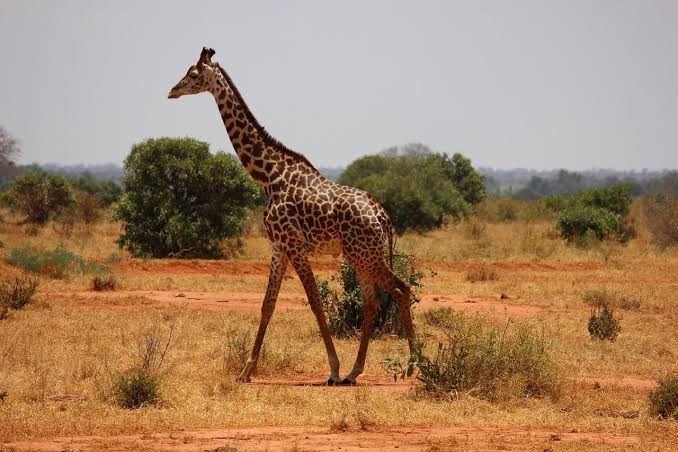
Shaba shares the same distinctive wildlife community found at neighbouring Samburu, species adapted specifically to this drier northern Kenya ecosystem and considerably less commonly seen across the country’s southern parks: Grevy’s zebra, reticulated giraffe, Somali ostrich, gerenuk and beisa oryx, collectively known as the Samburu Special Five. This genuinely distinct species roster gives Shaba real wildlife-viewing appeal beyond its historical significance, a meaningfully different safari experience than Kenya’s more famous southern circuit.
Why These Species Are Considered Special
Each of the Special Five species has adapted specifically to northern Kenya’s drier, more arid conditions over evolutionary time, giving this region genuine ecological distinctiveness that rewards travellers specifically seeking variety beyond the standard Big Five safari circuit further south.
Shaba Compared to Neighbouring Samburu
While Samburu draws considerably more visitors given its greater fame and more developed tourism infrastructure, Shaba offers a genuinely quieter, less crowded alternative within the same broader ecosystem, sharing much of the same wildlife while delivering a more exclusive, contemplative visit. Travellers who’ve already experienced Samburu’s more established circuit often find Shaba a worthwhile complement specifically for its lower crowds and direct historical connection to the Adamson story.
Planning a Visit
Getting There
Shaba is reachable by road or a short domestic flight from Nairobi, often combined with Samburu and Buffalo Springs given their adjacent location within the same broader northern Kenya ecosystem.
Best Time to Visit
Kenya’s dry season offers the clearest wildlife viewing conditions at Shaba, with vegetation thinned back and animals more reliably concentrated around the Ewaso Nyiro River’s remaining water sources.
Birdlife at Shaba
Shaba’s mix of riverine vegetation along the Ewaso Nyiro, volcanic rocky terrain and arid scrubland supports a genuinely rich and varied bird community, species adapted to each of these distinct habitat types found within a single reserve. Birdwatchers find particular reward along the river corridor itself, where water-dependent species congregate against the otherwise dry surrounding landscape, a striking habitat contrast that concentrates birdlife in predictable, observable locations.
Raptors and Dry-Country Specialists
Beyond waterbirds, Shaba’s open, arid terrain supports a range of raptor species well adapted to hunting across exposed volcanic ground, adding further variety for visitors with a dedicated interest in birds of prey alongside the reserve’s mammal and historical attractions.
Shaba’s Natural Springs
Beyond the Ewaso Nyiro River itself, Shaba contains several natural springs feeding into the surrounding landscape, additional water sources that help sustain wildlife populations across the reserve’s otherwise arid terrain and add further scenic variety to standard game drives. These springs, combined with the river corridor, create a genuinely varied hydrological landscape within a reserve that might otherwise appear uniformly dry and volcanic from a distance.
A Landscape Shaped by Water in an Arid Setting
Understanding how these water sources shape wildlife distribution across Shaba helps visitors and guides alike anticipate where animals are most likely concentrated during drier periods, a practical insight that directly improves game-viewing odds across a multi-day stay.
Where to Stay at Shaba
Accommodation options within and around Shaba remain considerably more limited than at neighbouring Samburu, a handful of camps and lodges serving the reserve’s genuinely lower visitor volume, reflecting its status as the quieter, less internationally famous option among the three adjacent northern reserves. This more modest infrastructure suits travellers specifically prioritising an uncrowded, low-key safari experience over the wider range of lodge options and amenities available at Samburu itself.
Combining a Stay Across the Three Reserves
Many travellers base themselves at a lodge positioned to allow game drives across all three adjacent reserves, Shaba, Samburu and Buffalo Springs, maximising wildlife-viewing variety across a single, efficiently structured multi-day stay rather than choosing just one.
Why Shaba Deserves More Attention Than It Gets
Shaba’s relative obscurity compared to Samburu owes more to historical marketing patterns than any genuine gap in what it offers, sharing the same distinctive wildlife, similarly striking volcanic scenery, and a direct historical connection to one of conservation history’s most influential stories that Samburu itself can’t claim in quite the same way. For travellers willing to look slightly beyond the most heavily marketed options, Shaba offers a genuinely rewarding, less crowded alternative within easy reach of the same northern Kenya ecosystem.
Reading Born Free Before Your Visit
Travellers planning a Shaba visit genuinely benefit from reading “Born Free” or watching the film beforehand, context that transforms a standard game drive into a considerably more meaningful encounter with the actual landscape where Elsa’s story unfolded. This kind of advance preparation, uncommon for most safari destinations, is particularly rewarding at Shaba given how directly the reserve’s identity is tied to this single, globally influential conservation narrative.
Photography at Shaba
Shaba’s volcanic rock formations and river corridor offer genuinely striking photographic backdrops distinct from the open grassland scenery typical of Kenya’s southern parks, rewarding photographers willing to work with a different visual palette, dramatic rocky terrain, dense riverine greenery against arid surroundings, rather than the classic savanna vistas more commonly photographed elsewhere. Lower visitor density here also means considerably less competition for position at any given sighting, a genuine practical advantage for serious wildlife photography.
Frequently Asked Questions
Can I visit the Joy Adamson Museum at Shaba?
Yes, the museum and memorial within the reserve honour her life and conservation legacy, accessible as part of a standard Shaba visit.
How does Shaba compare to Samburu for wildlife viewing?
Both share the same Samburu Special Five species, though Shaba generally sees considerably fewer visitors, offering a quieter alternative within the same ecosystem.
Is Shaba suitable for a first Kenya safari?
It works well combined with Samburu as part of a northern Kenya circuit, though first-time visitors often prioritise the Maasai Mara for its greater wildlife density before adding northern reserves on a longer trip.
What happened to Joy Adamson at Shaba?
She was murdered within the reserve in January 1980, a tragic end to her decades of conservation work in the region.
Can I combine Shaba with Samburu and Buffalo Springs in one trip?
Yes, the three reserves sit adjacent to one another and are commonly visited together as a single northern Kenya circuit.
Recommended Safaris
Shaba pairs naturally with neighbouring Samburu and Buffalo Springs as part of a northern Kenya circuit. Ready to explore this historically significant, less-crowded corner of Kenya’s safari landscape? Reach our team through our Book Now page and we’ll plan it around your dates.

No comment