Kenya Gorilla Trekking Expert Tips
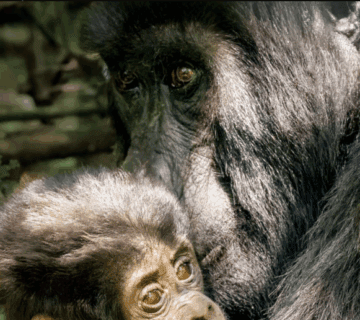
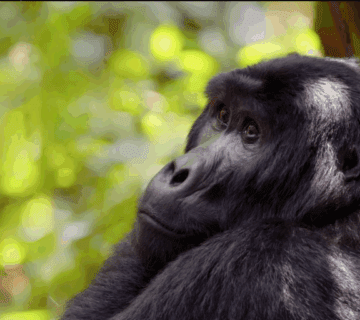
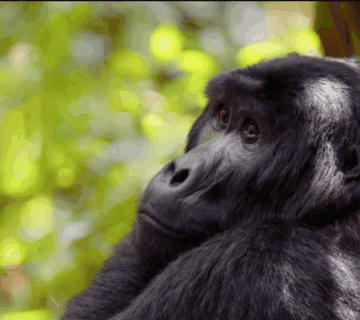
If you’re planning a Kenya safari and dreaming of adding gorilla trekking to your trip, there’s one important fact to know first: Kenya itself has no wild gorilla population. Mountain gorillas exist only in a small pocket of the Albertine Rift, split between Bwindi Impenetrable National Park and Mgahinga in Uganda, Volcanoes National Park in Rwanda, and Virunga National Park in the Democratic Republic of Congo. What Kenya does offer is an excellent base for combining a classic Big Five safari with a short add-on flight to one of these neighboring countries for a genuine gorilla trekking experience.
Combining Kenya and Gorilla Trekking on One Trip
Because Nairobi is one of East Africa’s best-connected aviation hubs, it’s straightforward to pair a Kenya safari through the Maasai Mara, Amboseli or Lake Nakuru with a short regional flight to Entebbe (Uganda) or Kigali (Rwanda), both under two hours away. Many of our travelers spend the first week on a Kenya game-viewing circuit and then fly out for three or four days dedicated to gorilla trekking before returning home, effectively combining two very different wildlife experiences into a single itinerary.
Choosing the Right Time to Visit
Gorilla trekking in Uganda and Rwanda is possible year-round, but the two dry seasons, roughly June to September and December to February, bring firmer trails and are generally the most popular months to trek. These months often overlap well with Kenya’s own dry-season game viewing, making it easy to plan a combined itinerary without fighting the rains in either country.
Securing Permits in Advance
Gorilla trekking permits are issued by the Uganda Wildlife Authority for Bwindi and Mgahinga, and by the Rwanda Development Board for Volcanoes National Park, not by Kenya Wildlife Service, since Kenya has no gorilla program of its own. Permits are strictly limited to protect the gorillas and sell out well in advance during peak months, so it’s worth booking as soon as your travel dates are set. We handle the full permit booking process as part of any combined itinerary.
Packing for the Trek
Whichever park you trek in, the essentials are the same: sturdy waterproof hiking boots with ankle support, breathable long sleeves and trousers to guard against nettles and safari ants, a rain jacket regardless of season, gardening gloves for gripping vegetation on steep sections, and a daypack with water and energy snacks. A camera without flash is fine, since flash photography is prohibited around the gorillas to avoid startling them.
Physical Preparation
Gorilla trekking is physically demanding, involving anywhere from thirty minutes to several hours of hiking through steep, sometimes muddy forest terrain at altitude before reaching a habituated family. Building general fitness in the weeks before your trip, walking, light jogging, or hikes with elevation gain, makes the experience considerably more enjoyable, and porters are available at the trailhead to carry packs and offer a steadying hand.
Trekking Etiquette
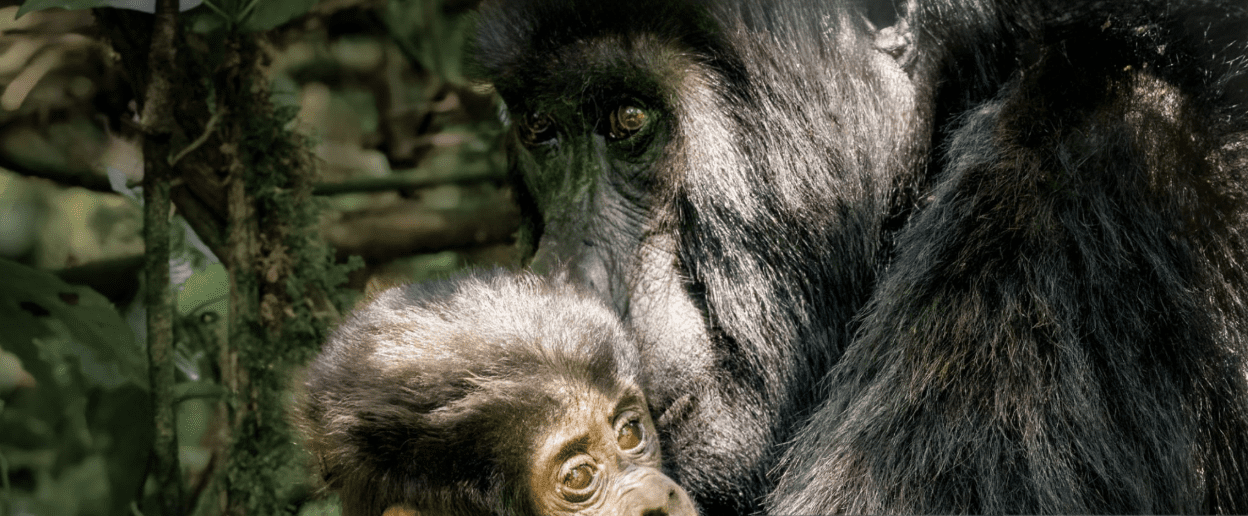
Once you locate the gorillas, rangers require visitors to keep a distance of at least seven meters, speak quietly, avoid sudden movements, and never eat or smoke near the family. These rules protect both visitors and the gorillas, which are highly susceptible to human respiratory illnesses due to their genetic closeness to humans. Each encounter is limited to one hour to keep disturbance to a minimum.
Combining Kenya’s open savannah safaris with a gorilla trek in Uganda or Rwanda gives you two of Africa’s most iconic wildlife experiences on a single trip. Talk to us about building a combined itinerary that fits your dates and travel style.
Uganda or Rwanda: Which to Add to Your Kenya Trip
Both countries offer excellent gorilla trekking, and the choice often comes down to logistics and travel style. Rwanda’s Volcanoes National Park is roughly a 90-minute drive from Kigali airport, making it the faster option if you want to minimize road transfer time after flying in from Kenya. Uganda’s Bwindi Impenetrable National Park requires a longer transfer, either a scenic multi-hour drive or a short domestic flight from Entebbe, but it offers more trekking sectors and a wider range of accommodation budgets, from basic lodges to high-end options. Rwanda has positioned its gorilla tourism at the premium end of the market, while Uganda spreads across a broader price range, so travel style and budget both factor into the decision.
Visa and Travel Document Considerations
Kenya, Rwanda and Uganda all participate in the East Africa Tourist Visa, a single visa that permits travel across all three countries, which is worth applying for if your itinerary crosses these borders rather than obtaining separate visas for each stop. It’s worth confirming current eligibility and application requirements for your nationality before booking flights, since rules are periodically updated. A yellow fever vaccination certificate is also commonly required for entry into Uganda and Rwanda, particularly if you are arriving from Kenya, which is itself a yellow-fever-risk country.
What to Expect on Arrival
Most travelers flying from a Kenya safari circuit into Uganda or Rwanda arrive in the afternoon or evening and spend the first night near the airport before the drive to the gorilla trekking region the following morning. Because gorilla treks begin early, typically with a briefing around 7 or 8 a.m. at the park headquarters, staying at a lodge close to the trailhead the night before your trek makes for a much less rushed start than trying to arrive the same morning. Planning ahead on timing, permits and documents is what makes combining these two very different safari experiences feel seamless rather than stressful.