Karamjong Region 2024 – 2025
Region of Karamjong 2024–2025: The deterioration of pastoral-based production for many households, the growth of markets, and a number of interconnected processes, such as disarmament, enhanced security, and iron sheet distribution, have caused major changes in the Karamoja region in northeastern Uganda over the past 20 years. Many young people in the Karamoja region now have more social, economic, and environmental options thanks to these changes.
The region’s many young men and women also face ecological, political, and cultural issues, such as increased commoditization and monetization, which may or may not have led to more opportunities. These prospects have centered on examining how young people with experience and viewpoints might modify their saving methods to enhance their quality of life and gender-neutral market access and decision-making in all market-related domains.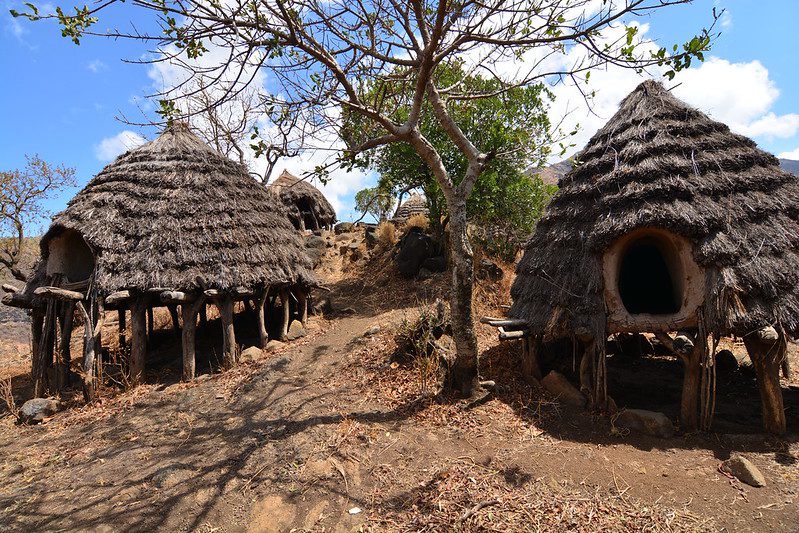
Many young men and women have invested their loans to expand their companies, meet basic household needs, pay their children’s school fees, and access better medical care thanks to the growth of village savings and loan associations in the area.
The majority of men utilize mobile money banking, and women participate in village savings and loan associations at a higher rate than men, according to a survey conducted by the Karamoja Resilience Support Unit. The majority of the local community makes weekly contributions of less than 2,000 Ugandan shillings (UGX). Records show that the primary obstacles to young involvement were a lack of extra money to save and the perception that VSLAs were just for those with more money.
The Karamoja region’s progress over the last 20 years has been significantly impacted by the disarmament of the Karamojong. Widespread access to weapons and a pervasive gun culture contributed to the destructive periods of violence and have impeded locally led peace and development initiatives.
This is because the Ugandan disarmament exercise, which took place between 2006 and 2011, used force to put an end to a culture of cattle raiding that had grown more destructive since automatic weapons became available during the Late President Amin’s regime. The government spearheaded a disarmament drive that improved their hold over Karamoja and gave local populations a chance to promote peace and take part in development.
The region has benefited from disarmament in a number of ways, including cost savings, decreased risks to women, children, and refugees, less environmental harm, and a decrease in the frequency and consequences of armed conflict.In order to guarantee that there are restrictions on the use of firearms for the benefit of all Karamoja and Ugandan citizens, disarmament also entails establishing shared understandings among the Karamojongs, norms, and laws.
There are disparate attempts to prevent the weaponization of emerging technology like artificial intelligence. Nonetheless, the UN has a disarmament framework in place that might help coordinate these initiatives. Instead of serving as the main point for coordinating efforts to manage the threats posed by new technologies, the current international disarmament structure of treaties and United Nations forums is being underutilized.
Market expansion in the area, for example, has improved the standard of living for locals by generating new employment opportunities and expanding access to goods and services. Additionally, the growth of tourist destinations like Kidepo Valley National Park, Karamoja cultural tours, and local handcrafts industries, among others, has accelerated regional development and driven into all the issues that women face in the area.
In response to shocks that primarily affect households, the Karamojongs are adapting their livelihood strategies. This adaptation often involves both men and women stepping outside of the traditional gendered division of labor in order to take advantage of the expanding economic opportunities in Karamoja and diversifying into other economic activities. This includes males taking on jobs like selling firewood and regional beer, and women promoting animals.
As a result of these adjustments, both men and women are recognizing opportunities and overcoming the old gendered divisions of labor. Through the use of technology, diversification within the livestock and agricultural industries, growth into services and catering, and the transportation and sale of alcohol, young people are innovating.
Young people in the area are utilizing the new opportunities that have been introduced to the area in response to new market-based opportunities. For instance, the current boom in mobile phone sales, which includes repair, resale, and the use of phones to increase business communication globally, is one example.
Since most homes in the Karamoja region possessed money related to farming and had animals as a result of the young people’s involvement in the domestic market, the distribution of ownership among the Karamojongs is a customary endeavor.
They do, however, also face obstacles to innovation and adaptation, such as a lack of funds to launch a new business, a lack of credit, the availability of basic land inputs, the existence of gendered social norms and expectations in their community, and the lack of fees to meet educational objectives and standards.
In summary, young people in Karamoja have adopted strategies to reduce poverty and are now realizing the benefits of doing so, such as saving money. The majority of them are now inspired to save, which opens up a plethora of chances for the young people in the area.
Programs and policies implemented in the region have typically contributed to future development in a number of areas, and they should concentrate on providing all gender types in the region with training in leadership, financial management, and business skills.
Why Village Savings and Loan Associations Genuinely Reflect a Grassroots Shift in Karamoja’s Economic Culture
Since VSLAs genuinely emerged organically within communities rather than being imposed externally, their growth genuinely demonstrates how Karamojong households are actively reshaping their own financial futures rather than passively receiving development aid. All in Africa Safaris can share more about community-led development initiatives during a Karamoja visit.
How the 2006-2011 Disarmament Period Genuinely Marked a Turning Point for Regional Stability and Tourism
Since reduced weapons circulation genuinely lowered the frequency of armed conflict and cattle raiding, this security improvement genuinely opened the door for tourism growth in destinations like Kidepo Valley that would have been far riskier to visit previously.
Why Gender-Neutral Market Access Genuinely Represents a Meaningful Departure From Traditional Karamojong Norms
Since women genuinely now participate in savings associations at higher rates than men despite historically rigid gendered divisions of labor, this shift genuinely signals a broader renegotiation of economic roles within Karamojong households. All in Africa Safaris can share more about evolving gender roles in the region during your visit.
How Mobile Money Adoption Genuinely Connects Karamoja to Uganda’s Broader Digital Economy
Since mobile banking genuinely allows even remote pastoral households to participate in financial systems previously requiring physical bank access, this technology genuinely bridges a gap that infrastructure alone couldn’t close in this historically underserved region.
Why Kidepo Valley National Park’s Growth Genuinely Demonstrates Tourism’s Role in Broader Regional Development
Since visitor revenue genuinely flows into local employment and infrastructure alongside conservation funding, the park’s expansion genuinely illustrates how tourism can function as one thread within Karamoja’s larger economic diversification story. All in Africa Safaris can arrange a visit to Kidepo Valley National Park as part of your Uganda safari.
How Young People Diversifying Into Services and Catering Genuinely Reflects Adaptation Beyond Traditional Pastoralism
Since cattle-based livelihoods genuinely faced growing pressure from environmental and economic shocks, young Karamojong entrepreneurs moving into new sectors genuinely demonstrate resilience through economic diversification rather than reliance on a single vulnerable industry.
Why Access to Credit Genuinely Remains One of the Region’s Most Persistent Barriers to Youth Innovation
Since limited startup capital genuinely constrains even highly motivated young entrepreneurs, addressing this credit gap genuinely represents one of the clearest opportunities for policy intervention to accelerate the economic momentum already building in Karamoja. All in Africa Safaris supports responsible tourism that contributes to regional development in Karamoja.
How Karamoja Cultural Tours Genuinely Offer Travelers Direct Insight Into This Region’s Distinctive Traditions
Since these tours genuinely connect visitors with pastoralist communities whose way of life differs markedly from the rest of Uganda, travelers genuinely gain perspective on a cultural heritage increasingly intertwined with the region’s broader economic transformation.
Why the Mobile Phone Sales Boom Genuinely Illustrates How Global Technology Reaches Even Remote Pastoral Communities
Since young Karamojong entrepreneurs genuinely now repair, resell, and use phones for business communication, this trend genuinely shows how global technology adoption reaches even historically isolated pastoral communities faster than many observers might expect.
How Leadership and Financial Management Training Genuinely Represents the Next Frontier for Regional Development Programs
Since existing savings habits genuinely show strong grassroots momentum already underway, formal skills training genuinely could amplify these organic gains further, turning individual financial discipline into broader community-level economic capacity.
Why Understanding This Economic Context Genuinely Enriches a Traveler’s Appreciation of Karamoja’s Cultural Tours
Since visitors genuinely encounter a region actively navigating profound economic and social transition rather than a static cultural display, understanding this backdrop genuinely transforms a cultural tour into a window onto real, ongoing community change. All in Africa Safaris can provide this deeper context ahead of your Karamoja visit.
Planning Your Visit to the Karamoja Region
From Kidepo’s wilderness to Karamojong cultural tours, genuinely this region offers a distinctive window into northeastern Uganda’s ongoing transformation. All in Africa Safaris can turn this overview into a fully confirmed itinerary tailored to your travel dates.