Semuliki Wetlands: An Underrated Shoebill Sighting Spot
Uganda has birdlife that brings birdwatchers from all over the world. Places like Mabamba Swamp get a lot of attention for seeing shoebills. Other places are quieter and offer equally special experiences. Semuliki Wetlands: An Underrated Shoebill Sighting Spot should be on every birdwatcher’s list because it has a variety of life, a calm setting, and the excitement of looking for one of Africa’s most special birds.
Semuliki Wetlands is in Uganda, close to the border with the Democratic Republic of the Congo. The area has forests, rivers, wetlands, and many different kinds of environments. These places are home to hundreds of bird species, mammals, reptiles, and butterflies. For people who love birds and want a place that’s not too busy but still has real wildlife experiences, Semuliki is a great option.
Finding a shoebill in such a place is more than just taking a picture. It is a moment that makes people think about protecting wetlands and keeping the homes of animals safe.
The Special Area of Semuliki Wetlands
The Semuliki wetlands are part of the Albertine Rift, one of the important places for biodiversity in Africa. When it rains, the land gets wet. Creates big marshes filled with papyrus, reeds, shallow water, and slow-moving streams. These areas are perfect for water animals.
Unlike wetlands that are busy with tourists, Semuliki stays calm. This peaceful place lets birds eat without much interruption. The wetlands are connected to rivers that come from the Rwenzori Mountains and go to Lake Albert. This creates areas with lots of nutrients that bring fish, frogs, and many insects.
In the morning, fog covers the marshes right after the sun comes up. As the sun gets higher, the wetlands start to make sounds with birds. Each time people go out, it feels new and full of chances.
Why Shoebills Like These Wetlands
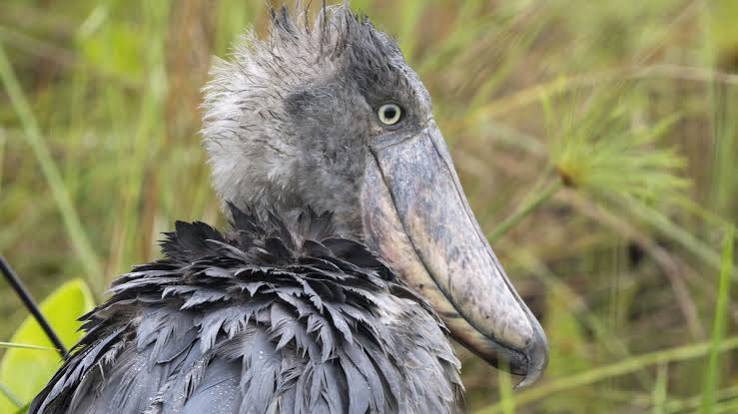
Shoebills need water where there are lots of fish. They eat lungfish, catfish, frogs, and small animals. The thick plants help them hide while they look for food. The quiet places help keep people from disturbing them.
Semuliki gives all of these things naturally. When the water levels stay the same, the fish gather in areas. This makes it easy for shoebills to find food. The bird can stand still for a time and then move very quickly when it is ready to catch something.
Seeing this way of hunting is one of the parts of visiting the wetlands.
A Place for Birdwatching Beyond the Shoebill
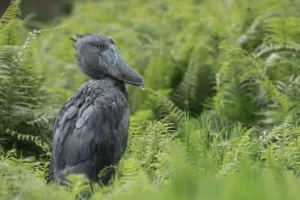
Many people visit Semuliki hoping to see the shoebill. The wetlands have much more than just one kind of bird. Hundreds of bird species live in the Semuliki area.
Birdwatchers might see African jacanas walking on floating plants, malachite kingfishers diving into channels, African fish eagles flying above, and colorful bee-eaters sitting on riverbanks.
The wetlands also have kinds of herons, egrets, storks, ibises, weavers, hornbills, and many birds that come from other places during certain times of the year.
Every visit brings birds to see because the birds move around depending on the rain, the water levels, and the available food.
Rare Species Worth Looking For
Dedicated birders often stay longer to search for species that’re hard to find elsewhere in Uganda. The nearby forest habitats have African birds that are rare in other parts of East Africa.
Birds like Nkulengu rail, lyre-tailed honeyguide, Congo serpent eagle, and crested hornbill add excitement to every birding trip.
This wide range of birds makes the Semuliki ecosystem important for both birdwatchers and people who know a lot about birds.
The Best Time to Visit
The seasons usually make it easier to get to the wetlands. The trails are better to walk on. The boats can move more easily. Early mornings are still the time for birds because it is cooler and animals are more active.
The months from December to February and from June to August usually have conditions for birdwatching.
The rainy seasons bring new plants, breeding activity, and more insects that attract birds. Travel might need planning during wetter months, but photographers like the green view and the interesting skies.
No matter which season it is, being patient increases the chance of seeing animals.
Patience Makes Every Sighting More Rewarding
Looking for a shoebill is not like going to a zoo where animals are easy to see. Wild birds have their schedule and every sighting depends on how the birds behave.
Visitors might spend hours looking at reeds, listening to guides identify sounds in the distance, and watching for movement among the papyrus before finally seeing the clear shape of a shoebill.
That waiting makes the moment special.
The quiet before finding the bird often becomes one of the memories people take home.
Learning From Experienced Local Guides
Good guides help a lot with birding. They know when birds move, where they nest, where they eat, and the signs that show birds are around.
Local guides can also hear the calls that many visitors miss. Their knowledge of the wetlands helps birders spend time watching animals instead of looking in the wrong places.
Hiring guides from the community also helps conservation by giving money to protect wildlife instead of using it for something else.
Wildlife Beyond Birds
The Semuliki wetlands have more than great birds. Many mammals live in these areas for food and shelter.
People might see sitatungas moving carefully through the plants, otters swimming in the waterways, and monkeys in the nearby forests. Reptiles like Nile monitor lizards and crocodiles sometimes appear near the water.
Butterflies add colors to the area, especially after it rains. Dragonflies, frogs, and many tiny insects help keep the environment healthy for animals.
Every animal helps keep the balance in the ecosystem.
Photography Opportunities
The Semuliki area is great for wildlife photographers because it is still very natural.
The sun rising over Semuliki creates scenes with the water.
In the morning, the mist makes a background for taking pictures of birds.
To get a picture of a shoebill, you need to be patient.
The bird usually stays still while it is hunting, so you have time to get your camera ready.
It is best to use a lens so you do not scare the birds.
You should not get too close to where the birds are nesting because that can hurt them.
We need to make sure the birds are safe even if it means we do not get the picture.
Simple Equipment Tips
A camera with a lens is very helpful for taking pictures of birds that are far away.
Binoculars are also very useful because you can see birds that’re too far away for your camera.
You should wear clothes that will keep you dry and comfortable and bring insect repellent and bags that can get wet.
It is a good idea to bring extra batteries and memory cards because you will probably take a lot of pictures.
Supporting Wetland Conservation
Wetlands like Semuliki are very important. They are also in danger.
Many things, like farming and pollution, are hurting these areas.
We need to protect Semuliki because many animals and plants depend on it.
When we visit Semuliki, we can help by being careful and respectful.
We can follow the paths, not litter, and not get too close to the animals.
This helps the people and the animals at the same time.
Community Benefits From Tourism
The people who live near Semuliki are starting to see the value in protecting the animals and the land.
When people come to visit, it helps the economy.
The local people can work as guides or run hotels and restaurants.
Young people can get jobs. Learn about the importance of protecting the land.
This helps both the people and the animals.
Responsible Travel Practices
There are simple things we can do to help when we visit Semuliki.
We should be quiet when we are watching the birds and not play recordings of bird calls.
We should keep a distance from the animals and never try to feed them.
We should choose hotels and restaurants that’re careful with the environment.
We should respect the animals and the local people. Try to make a positive impact.
Planning Your Birding Adventure
To get to Semuliki, you usually have to drive from Kampala.
The drive is very scenic. You can see many beautiful things along the way.
Many people combine their visit to Semuliki with activities like visiting the national park or the hot springs.
You should plan to spend a few days in the area so you have time to see everything.
You should pack carefully. Try to be prepared for anything.
A Destination That Rewards Every Patient Visitor
Semuliki is a place to visit because it is still very natural and unspoiled.
The sunrises are beautiful. The wildlife is amazing.
You can see different kinds of birds, including the legendary shoebill.
The area is very peaceful. It makes you want to slow down and appreciate the beauty of nature.
When you visit Semuliki, you will learn a lot about conservation and the importance of protecting the land.
You will also have a great time and make many wonderful memories.
Semuliki is a special place, and it is worth visiting.