How Rwanda’s Conservation Efforts Are Protecting Its Birdlife
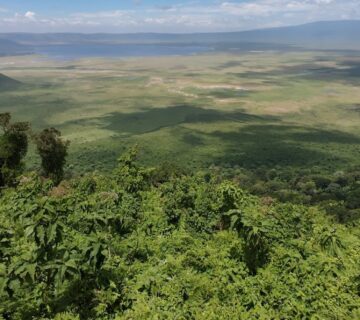
Rwanda is doing a good job of protecting its birds. The country is small. It has a lot of different types of landscapes. You can find mountains, hills, wetlands, and savannas all in one place. This is really good for birds because they have a lot of places to live.
Rwanda’s conservation efforts are about protecting these different landscapes and making sure the birds have a safe place to live. The country has set up protected areas, like national parks, to help keep the birds safe.
One of the parks is called Volcanoes National Park. It is home to a lot of types of birds that like to live in the mountains. Another park is called Nyungwe National Park. It has a lot of forests where birds can live and nest. The Akagera National Park is different again. It has savannas, lakes, and grasslands where birds can feed and raise their young.
These protected areas are really important for the birds
They give them a place to live and breed. The birds that live in these areas are very special. Some of them cannot be found anywhere else. For example, the Great Blue Turaco and the Red-collared Mountain Babbler are two birds that live in the forests of Nyungwe National Park.
Rwanda is not just protecting the areas that’re already safe. The country is also working to restore areas that have been damaged. This means planting trees and fixing up old habitats. This is really good for the birds because it gives them places to live and feed.
Restoring habitats is a process, but it is very important. When old trees are cut down, it can take time for new ones to grow.. If we plant new trees and take care of them, they can provide food and shelter for the birds.
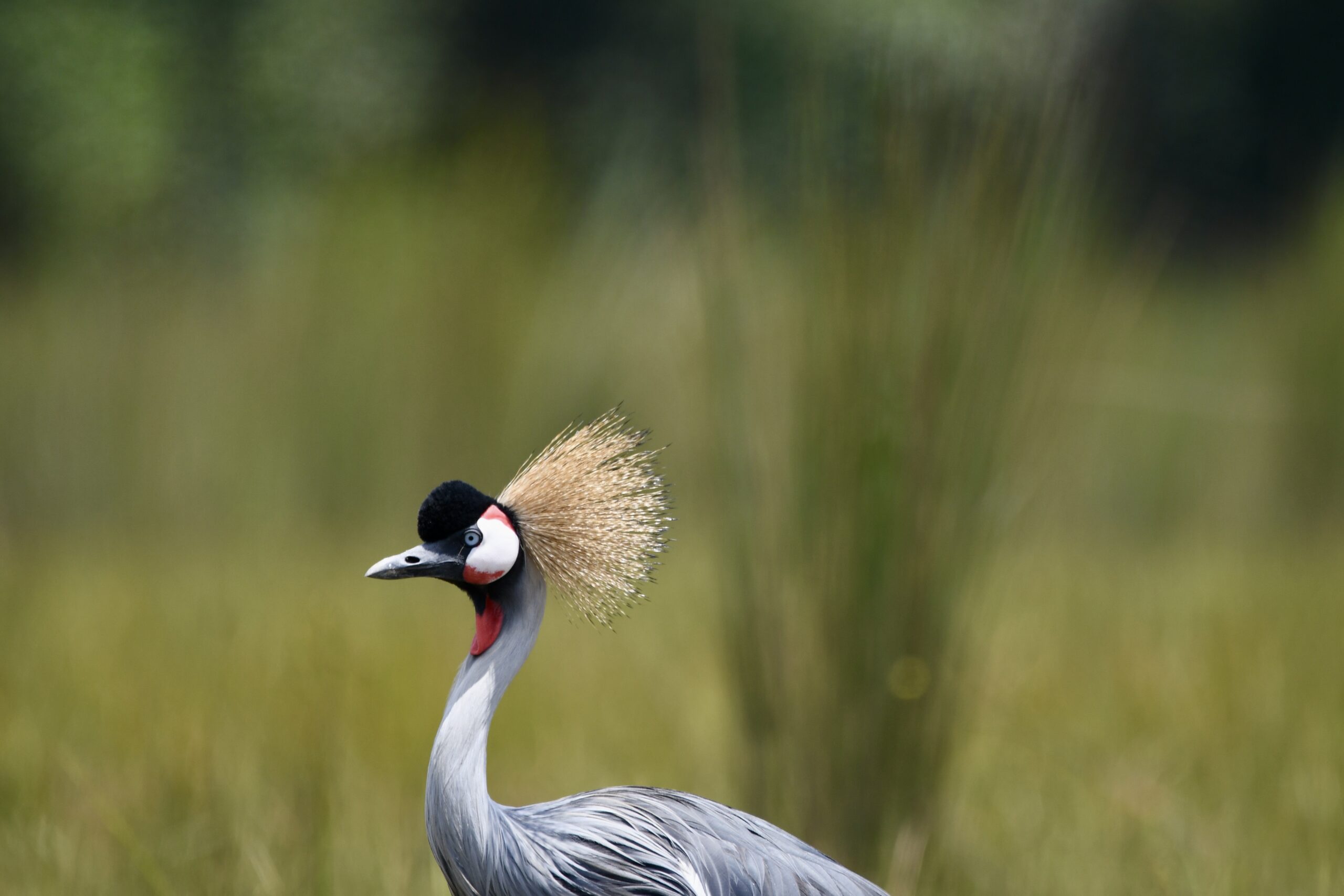
Wetlands are also very important for birds
They are places where birds can feed and breed. Rwanda is working to protect its wetlands so that the birds can continue to thrive. This is not just good for the birds. Also, for the people who live nearby. The wetlands help to keep the water clean and prevent erosion.
Overall Rwanda is doing a job of protecting its birds. The countrys conservation efforts are making a difference and giving the birds a safe place to live. Rwandas birds are very special. The country is working hard to make sure they continue to thrive.
Communities are a part of the story when it comes to conservation. When people who live near wildlife habitats can be a part of conservation and benefit from it wildlife protection works a lot better. Rwanda is doing a job of recognizing that local communities are very important partners in protecting natural areas. Things like education and tourism and jobs and conservation projects can give communities reasons to care about the wildlife that lives near them.
Local people know a lot about the area they live in.
People who live near forests and wetlands and farms often understand how the seasons change and how the wildlife behaves because they have been watching for years. When you combine that knowledge with research and conservation planning the people in charge get a better idea of what is happening to the land.
Conservation education starts with teaching people to appreciate the world. Education can help shape the future of bird conservation by helping young people understand why birds are important. Schools and community programs and park activities and responsible tourism can help people learn about the value of forests and wetlands by giving them experience.
When a kid learns to recognize a bird like a turaco or watches a kingfisher hunting or sees a lot of waterbirds moving across a marsh they might start to understand that wildlife is a part of their countrys heritage. That can be important on when communities have to make decisions about land and forests and water and development.
Birds are also indicators of how healthy the environment is. If there are changes in the number of birds or where they live it can show that there are problems like habitat loss or pollution or not enough food or changes in the water. So monitoring bird populations helps conservationists understand if the ecosystems are working well.
Research and monitoring are important for protecting birds
To do a job of conservation you need to know what is happening in the field. Surveys of birds and ecological research and habitat assessments and long-term monitoring help conservationists figure out which areas are important and if the bird populations are changing.
Rwanda is in a place called the Albertine Rift, which makes this work very valuable. There are a lot of species in this region that only live in an area so if their habitat is lost it can affect a lot of other places. If we know where these birds live and what kind of habitat they need we can make decisions about how to manage and restore the forests.
Researchers and conservationists can also use monitoring to figure out what is affecting the birdlife. Changes in the climate can affect when plants bloom and when there are insects and how water there is and when the birds breed. When habitats are broken up it can isolate groups of birds. When people are active, near wetlands it can bother the birds that are feeding or nesting. Good monitoring helps us turn these challenges into things we can do to help conservation.
Responsible Tourism Helps Protect Things For A Long Time
Tourism is a thing for the environment when it is done in a responsible way. Rwanda is very good at showing people the beauty of the country and birdwatching is another reason to visit. You can see different kinds of birds in Rwanda and it is a lot of fun.
When you visit Rwanda you can help take care of the environment by choosing tour operators that’re responsible following the rules of the park staying on the paths not disturbing the birds and being quiet in sensitive areas. The things you do can make a difference especially in the forests where the birds can be hard to see but they get scared easily.
Tourism also helps the environment by bringing in money. Many people work in the tourism industry like lodge owners, guides, drivers, park staff, craftspeople and food suppliers. When tourism makes money from protected areas it helps people understand why these areas are important and should be protected.
A Good Future With Healthy Places
Rwanda is working hard to protect its birds and the places they live. This is because of the connection between protected areas, restoration, research, communities and responsible tourism. Each part helps the others. A protected forest is stronger when the people who live benefit from it. A restored wetland is more valuable when people take care of it and monitor it. Tourism is more meaningful when visitors understand what goes into taking care of the places they visit.
There will still be challenges in the future. More people will be born there will be pressure on the land the climate will change and the habitats of the birds will be broken up. Conservation cannot just depend on one project or one protected area. It needs to keep going with planning, strong institutions and participation from people who live near the wildlife.
Protecting Birds Means Protecting Rwandas Natural Beauty
Birds are a way to understand Rwanda. When you see a turaco flying through the forest a sunbird eating nectar from flowers or a fish-eating bird hunting over a lake it shows how healthy the habitat is. When these habitats are protected Rwanda saves more than just the birds. It protects the forests that absorb carbon, the wetlands that regulate water, the soils that support farming and the landscapes that help people make a living.
Rwandas efforts to protect its birds are really a story about making choices. Protecting the forests restoring the land taking care of the wetlands supporting the communities monitoring the wildlife and encouraging tourism all help create a future where birds can thrive.
These efforts also give Rwanda a foundation, for the future so that young people can experience healthy forests functioning wetlands and the amazing birds that depend on them for generations to come.
Every protected forest and restored wetland gives birds another chance to feed, nest, migrate or raise their young. Every visitor who learns about the environment and every community member who gets involved can help create this future. Rwandas efforts to protect its birds show what can happen when people work together to take care of the environment and keep doing it over time.