
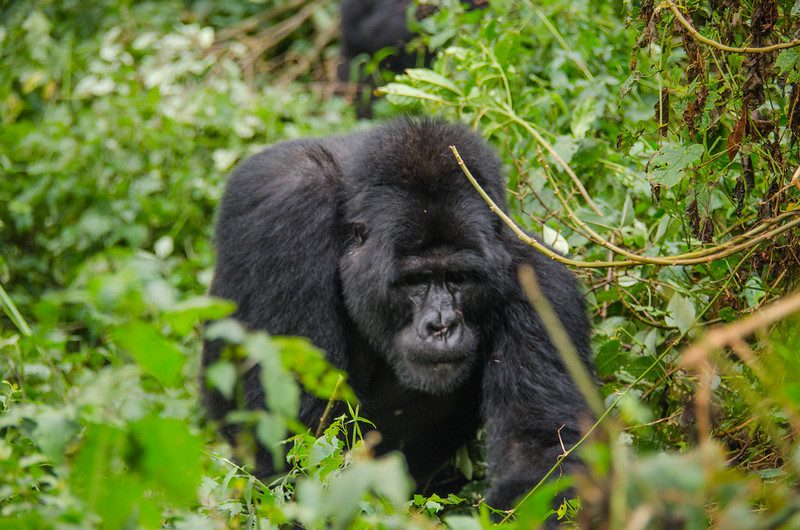
Gorilla trekking in Africa’s jungles; gorilla trekking in Uganda; gorilla trekking safaris in Rwanda; gorilla trekking holidays in the Congo; gorilla permits booked in Africa.
Gorilla trekking in African jungles
The greatest spots in Africa to go on a gorilla trek and view mountain gorillas are Uganda’s Bwindi Impenetrable Forest National Park and Rwanda’s Volcanoes National Park. These two places provide the greatest gorilla trekking excursions.
Seeing mountain gorillas in their native habitat in Africa has become a global attraction for adventure travelers. Seeing them behind bars in zoos isn’t enough anymore. Furthermore, certain gorilla species cannot thrive outside of their original habitats in Central Africa, including the popular mountain gorillas of East Africa.
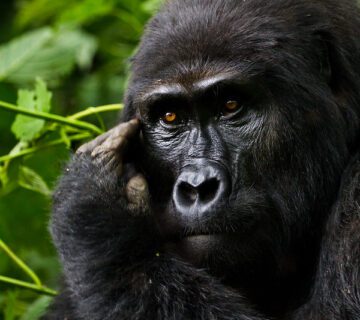
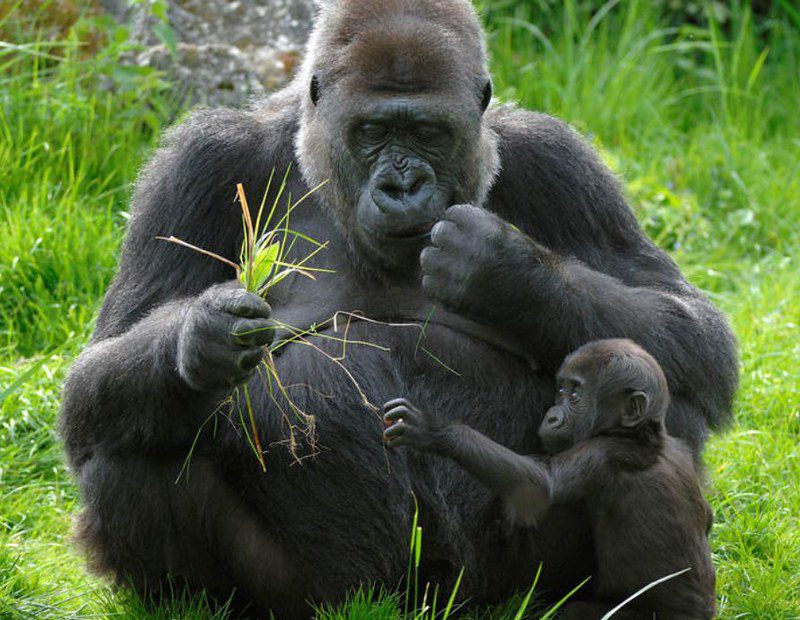
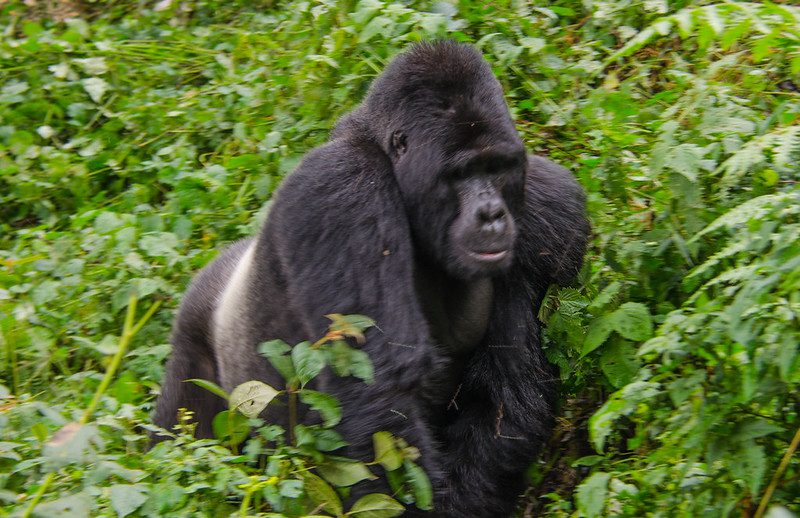
Watching the magnificent silverbacks, lively toddlers, and compassionate moms is like being in a fascinating nature novel; it is magical. So, where are the greatest sites to observe gorillas in Africa?
Mountain gorillas dwell in East-Central Africa’s Rift Valley Mountains, as well as the lush mountains of Rwanda, Uganda, and the Democratic Republic of the Congo.
Without a doubt, Uganda’s Bwindi Impenetrable Forest National Park and Rwanda’s Volcanoes National Park are the greatest destinations in Africa to go on a gorilla trek and view gorillas. These two locations are the safest and best equipped for mountain gorilla trekking expeditions mixed with wildlife safaris.
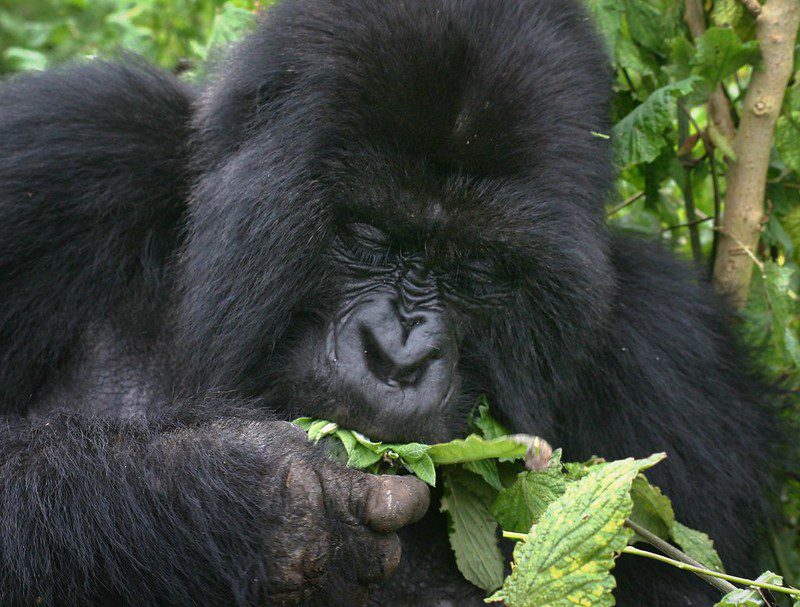
There are only around 1080 Mountain Gorillas remaining on Earth, and traveling into their natural habitats is the only chance to observe them, as they cannot thrive in captivity. Trekking for Mountain Gorillas in Africa’s green rainforests and seeing these delicate animals’ daily interactions is undoubtedly one of life’s greatest joys. Follow a gorilla family as they go about their regular activities. Observe how a mother gently feeds her offspring while keeping an eye out for a 200kg (440lbs) silverback who is keeping a protective check on his tribe. Locking eyes with a distant cousin is a deep event that transforms spending time with gorillas in Africa into an unforgettable wildlife encounter.
But where are the best areas to spot gorillas in the wild? Based on our own gorilla trekking experiences in the continent’s most remote locations, we’ve compiled a comprehensive guide on where to see gorillas in Africa.
Uganda has the biggest number of endangered mountain gorillas, making it the ideal destination in Africa for gorilla safaris. Bwindi Impenetrable Forest National Park and Mgahinga Gorilla National Park, in south-western Uganda, provide habitat and protection for more than half of the world’s remaining mountain gorillas. Both parks are around 491 kilometers (305 miles) from the city of Kampala and may be accessed via a 10-hour drive or a 1-hour local flight to two small airfields outside the sanctuaries.
The Democratic Republic of Congo Option
Virunga National Park in the Democratic Republic of Congo offers a third option for mountain gorilla trekking, sharing the same Virunga Massif ecosystem as Rwanda’s Volcanoes National Park, though ongoing regional security concerns have made it a considerably less consistently accessible destination than its Ugandan and Rwandan counterparts. Travelers considering Congo specifically should work closely with an experienced operator who monitors current conditions, since accessibility can shift with little notice, and should build genuine flexibility into their itinerary in case plans need to change at short notice.
Comparing Permit Costs Across the Three Countries
Uganda’s gorilla permits, priced around USD 800 per person, sit meaningfully below Rwanda’s roughly USD 1,500 permit fee, while Congo’s permits are typically the least expensive of the three, though the security and logistics considerations there often offset the savings. This cost difference is frequently a deciding factor for budget-conscious travelers choosing between Uganda and Rwanda specifically, since both offer comparably strong trekking experiences.
Physical Fitness for Gorilla Trekking
Treks through Bwindi’s or Volcanoes National Park’s steep, forested terrain can range from a short walk to several strenuous hours, depending entirely on where the assigned gorilla family is located that morning. A reasonable baseline fitness level makes the experience considerably more enjoyable, and porters are available at every trailhead to help carry packs and assist on the more difficult sections.
What to Pack for the Trek
Waterproof hiking boots, gardening-style gloves for gripping vegetation, and long trousers and sleeves to guard against nettles and insects form the core of a sensible gorilla trekking packing list, regardless of which of the three countries you choose. A rain jacket is worth including year-round, given how frequently these high-elevation forests see sudden showers even outside the official wet season.
Best Time to Go Gorilla Trekking
The dry seasons, roughly June to September and December to February, offer the firmest trails across all three gorilla-trekking countries, while the wetter months bring muddier conditions alongside noticeably thinner crowds. Because gorilla families remain trackable year-round regardless of season, many travelers weigh trail comfort and crowd levels more than sighting reliability when choosing their travel dates.
Planning Your Gorilla Trekking Safari
Given the strict daily permit limits across all three destinations, booking several months ahead of your intended travel dates is essential, particularly for the dry-season peak. All in Africa Safaris can help you weigh Uganda, Rwanda, and Congo against each other and secure the right permits, lodges, and transport for your gorilla trekking safari.
Why Mountain Gorillas Cannot Be Seen in Zoos
Mountain gorillas, unlike their lowland cousins occasionally found in captivity, have never survived long-term outside their native high-altitude forest habitat, meaning wild trekking in Uganda, Rwanda, or Congo remains the only way to see this specific subspecies anywhere on Earth. This total dependence on their natural habitat is precisely why protecting Bwindi, Volcanoes, and Virunga National Parks matters so directly to the species’ continued survival.
The Rushaga and Nkuringo Alternative in Bwindi
Beyond Bwindi’s more established Buhoma sector, the Rushaga and Nkuringo sectors offer their own habituated gorilla families and, in Rushaga’s case, access to the extended Gorilla Habituation Experience, giving travelers meaningful choice even within Uganda alone. Each sector’s slightly different terrain and access routes are worth discussing with your operator when deciding which specific trekking location best fits your itinerary.
What a Successful Trek Actually Involves
Rangers track a gorilla family’s general overnight location each morning, then lead trekkers on foot to approach the group at a safe, respectful distance, allowing a full hour of observation once contact is made regardless of how long the approach itself took. This structure, hours of trekking rewarded by exactly sixty minutes with the gorillas, is consistent across Uganda, Rwanda, and Congo alike, part of the strict conservation protocols protecting the species from overexposure to human contact.
Why the Trek Is Considered Worth the Effort
Despite the physical demands and the relatively short time actually spent with the gorillas, the overwhelming majority of trekkers describe the experience as genuinely life-changing, a rare, unscripted encounter with a species so closely related to humans that individual gorillas’ expressions and social dynamics feel immediately recognizable. This emotional impact, more than any statistic about remaining population numbers, is what continues to draw travelers back to Africa’s gorilla-trekking destinations year after year.
Booking Permits Well in Advance
Because each destination issues only a strictly limited number of daily permits, popular travel dates, particularly the dry-season months, can sell out six months or more ahead of time, making early booking essential regardless of which country you ultimately choose. All in Africa Safaris can track current availability across all three destinations and secure permits well ahead of your intended travel dates.
Combining Gorilla Trekking With a Wider Safari
Both Uganda and Rwanda offer easy pairing of gorilla trekking with classic savanna game drives, Queen Elizabeth National Park or Akagera respectively, giving travelers a genuinely varied wildlife trip rather than a single-focus primate expedition. All in Africa Safaris can sequence gorilla trekking alongside these savanna destinations into one well-paced itinerary.
A Trek That Changes How Travelers See Wildlife
Beyond the immediate thrill of the sighting itself, many trekkers describe gorilla trekking as reshaping their broader relationship with wildlife conservation, transforming an abstract concern about endangered species into a direct, personal memory of a specific family group encountered in the wild. This lasting impact is part of what continues to draw first-time and repeat visitors alike to Africa’s mountain gorilla destinations.
Starting Your Gorilla Trekking Journey
Whichever of Africa’s gorilla-trekking countries ultimately draws you, the path from initial interest to an actual booked trek runs through permit availability, seasonal timing, and matching accommodation to your budget and priorities. All in Africa Safaris can walk you through every one of these decisions and turn your interest into a fully planned gorilla trekking safari.
The Journey Into Africa’s Jungles Begins Here
From this comprehensive guide’s overview of Uganda, Rwanda, and Congo through the practical planning details covered above, the next step is turning general interest into confirmed permits and dates. All in Africa Safaris can take that next step with you, whichever of Africa’s gorilla-trekking jungles ultimately calls to you, and however many of these three remarkable countries you decide to include on your own journey into the wild heart of the continent.

No comment