
Glamping in East Africa: What It Is and What to Expect
Glamping in East Africa offers travellers a way to experience nature without giving up the comfort of a well-equipped room. Instead of sleeping in a basic camping tent, you may stay in a spacious canvas suite with a proper bed, an en-suite bathroom, electricity, comfortable furniture, and a private veranda overlooking the savannah, forest, or mountains. Some properties provide outdoor showers, private decks, stylish furnishings, and dining areas where you can enjoy meals surrounded by nature.
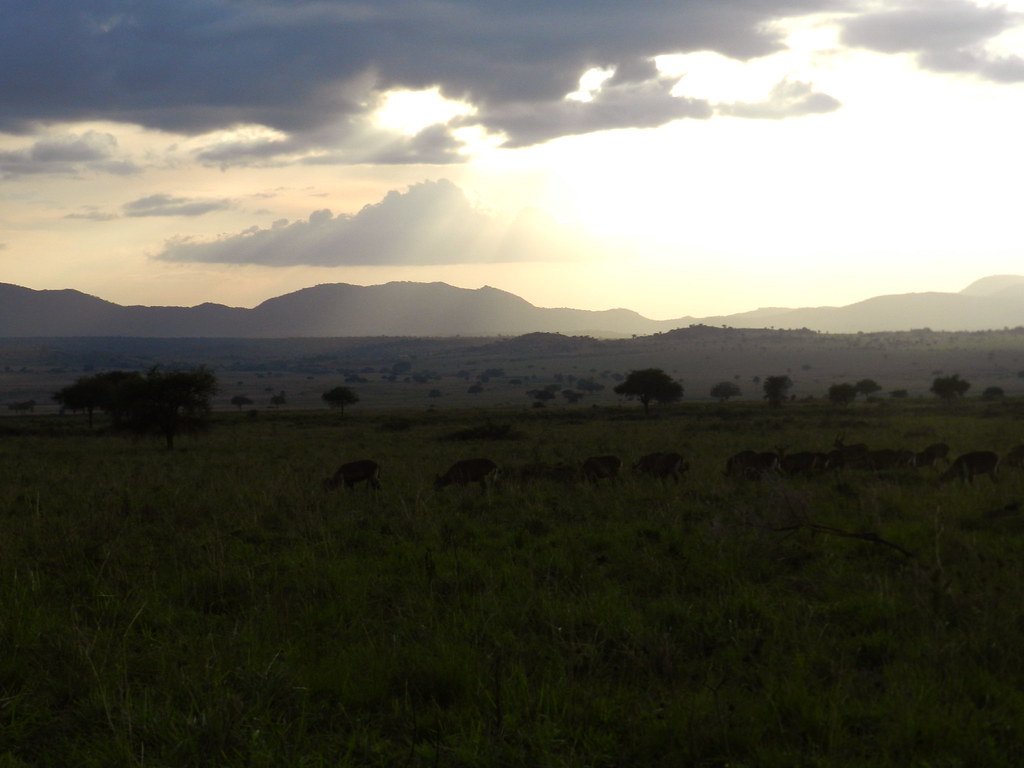
Across Uganda, Rwanda, Kenya, and Tanzania, glamping has become an attractive accommodation option for visitors who want to experience wildlife and outdoor landscapes while enjoying a comfortable place to rest. You can wake up to birdsong, watch the morning mist lift over the hills, or listen to distant wildlife from your tented suite. At the same time, you can enjoy a hot shower, fresh meals, and a comfortable bed at the end of the day.
The experience varies considerably between properties. Some glamping camps offer luxury accommodation with private plunge pools and personalised service, while others provide simpler furnished tents with shared facilities. Understanding these differences helps you choose a camp that suits your budget, travel style, and expectations.
What Is Glamping?
Glamping combines the words glamorous and camping. It describes accommodation that allows you to stay in a natural setting while enjoying more comfort and convenience than traditional camping usually provides.
Traditional camping often requires you to pitch your own tent, carry sleeping equipment, prepare meals, and use shared washrooms. Glamping removes many of these responsibilities. The tent or other accommodation structure is already prepared, beds and furniture are provided, and staff may take care of meals, cleaning, and other services.
In East Africa, glamping commonly takes place in furnished safari tents, canvas suites, raised tented units, and other accommodation designed to fit into natural surroundings. Some structures use canvas walls and timber frames, while others combine canvas with stone, wood, or permanent bathroom facilities.
The term does not describe one fixed standard of accommodation. A simple furnished tent at a nature camp and a large luxury safari suite can both be marketed as glamping, even though their facilities and prices may differ substantially.
Before booking, look beyond the word itself. Check the room description, bathroom arrangements, electricity supply, dining options, and whether the property provides private or shared facilities. These details give you a clearer picture of the experience you will receive.
How Glamping Differs From Traditional Camping
Traditional camping places more responsibility on the traveller. You may need to bring your own tent, sleeping bag, cooking equipment, and other supplies. Depending on the campsite, you might prepare your own meals and use shared toilets and showers.
Glamping generally provides a ready-made place to sleep, with furniture and bedding already installed. At higher-end camps, you may also receive housekeeping, restaurant meals, hot showers, and assistance with organising activities.
This makes glamping suitable for travellers who enjoy the outdoors but do not want to manage camping equipment throughout their holiday. It can also be a practical option for couples, families, and older travellers who prefer a more comfortable sleeping arrangement.
However, glamping does not remove every inconvenience associated with being outdoors. Rain can make pathways muddy, insects may enter tents, and temperatures can change considerably between day and night. Wildlife sounds may be audible throughout the evening, and some camps have limited mobile network coverage.
You should also expect a different level of privacy and noise compared with a conventional hotel. Canvas walls provide less sound insulation than solid walls, and neighbouring tents may be relatively close together. Choosing a well-designed camp with suitable spacing between units can improve your experience.
What to Expect From a Glamping Tent
A well-equipped glamping tent usually provides a bedroom with a proper mattress, pillows, blankets, and space to store your belongings. Depending on the camp, you may find bedside tables, reading lights, chairs, rugs, decorative furnishings, and a private veranda.
The tent itself may be larger than a standard camping tent, allowing enough room to move around comfortably. Some have separate sleeping and sitting areas, while family units may include additional beds or interconnected spaces.
Bathroom facilities vary by property. Luxury glamping accommodation may include a private bathroom with a flush toilet, washbasin, and hot shower. Other camps use separate bathroom blocks shared by guests. Some remote camps provide outdoor or semi-open showers, allowing you to wash while enjoying the surrounding scenery.
If a private bathroom is important to you, confirm that it is attached to your tent and not located in a separate building. Ask whether hot water is available throughout the day, especially if you plan to return from activities in the late afternoon.
Electricity is another important consideration. Many established camps provide charging points and lighting, but some remote properties use solar power or generators that operate only at certain times. You may need a power bank for phones, cameras, and other devices.
Climate control also differs. Some tents rely on natural ventilation, while others have fans or heating equipment where appropriate. Air conditioning is less common in remote canvas accommodation than in conventional hotels. If you are travelling during a particularly warm period, ask how the tent stays cool.
The Safari Experience: Wildlife Outside Your Tent
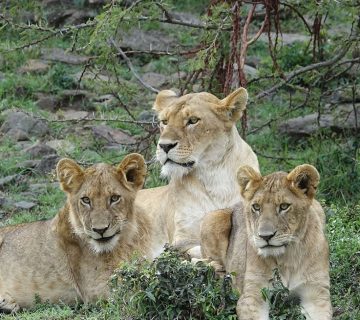
One of the main attractions of glamping in East Africa is the opportunity to stay close to wildlife habitats. Depending on the location, you may spend your days looking for lions, elephants, giraffes, zebras, buffaloes, antelopes, and a wide variety of birds.
In Kenya and Tanzania, glamping often takes place in or near savannah ecosystems. These settings are suitable for classic game drives, where an experienced guide takes you through wildlife areas in search of animals. You may leave early in the morning, return to camp for lunch, and head out again in the afternoon.
Uganda offers a wider mixture of environments, including savannah parks, wetlands, lakes, and tropical forests. Glamping-style accommodation may form part of a wildlife itinerary in destinations such as Queen Elizabeth National Park, Murchison Falls National Park, or areas around Lake Mburo.
Rwanda combines volcanic landscapes, forest habitats, and savannah wildlife. Visitors may choose comfortable tented accommodation as part of a wider journey involving Akagera National Park, Volcanoes National Park, or the country’s other natural attractions.
Wildlife sightings are never guaranteed simply because a camp is located in a natural area. Some properties are positioned inside protected areas, while others are on private land or community-managed conservancies near a park. The animals you encounter depend on the habitat, season, location, and your activities.
Do not assume that animals will regularly visit your tent. Some camps have open views across wildlife areas, while others are separated from animal habitats by vegetation, fencing, or other boundaries. Ask the property what wildlife guests commonly see and whether guided activities are included in the rate.
Glamping in Kenya
Kenya is a strong choice for travellers who want to combine furnished tent accommodation with classic African wildlife viewing. Its national reserves, private conservancies, and varied landscapes offer different styles of glamping.
The Maasai Mara is particularly well known for safari camps that place guests close to the open grasslands and wildlife associated with the Mara ecosystem. Depending on the camp, you may stay in a canvas suite with an en-suite bathroom, a veranda, and views across the surrounding landscape.
A glamping stay in the Mara can include early morning and afternoon game drives, guided wildlife viewing, and meals served at camp. Some properties arrange bush breakfasts or sundowners in designated locations, subject to safety, weather, and camp arrangements.
The migration season attracts many visitors, particularly those hoping to see large herds of wildebeest and zebra. However, wildlife movements change throughout the year, and a river crossing cannot be guaranteed on a particular date. The Mara also offers excellent opportunities for wildlife viewing outside the main migration period.
Other Kenyan destinations, including Amboseli National Park and selected conservancies, offer opportunities to combine tented accommodation with different landscapes and wildlife experiences.
When choosing a Kenyan glamping camp, check whether the rate includes park or conservancy fees, game drives, meals, and transfers. A quoted nightly rate may cover accommodation only, while a full-board safari package may include several services.
Glamping in Tanzania
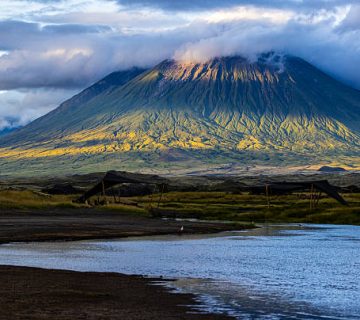
Tanzania offers extensive opportunities for tented accommodation, particularly along the northern safari circuit. The Serengeti, Ngorongoro Conservation Area, Tarangire National Park, and Lake Manyara region all attract travellers looking for stays close to wildlife areas.
The Serengeti is particularly suited to tented safari experiences. Depending on the camp and location, you may stay in a furnished canvas suite with a proper bed, private bathroom, and outdoor sitting area. Some camps operate seasonally and relocate to follow wildlife movements, while others remain in established locations.
A glamping stay in the Serengeti often centres on game drives. You can spend the day exploring the plains, looking for predators and grazing herds, before returning to camp for a shower, dinner, and rest. At some properties, the sounds of the surrounding environment remain audible after dark.
The Ngorongoro Highlands offer a different setting. The elevated landscape can be cooler, particularly at night and early in the morning. Here, warm bedding, suitable clothing, and reliable hot water become important when selecting accommodation.
Tarangire National Park is another option for travellers interested in elephants, baobab trees, and savannah wildlife. Tented camps in and around the park provide different comfort levels, from simpler safari tents to high-end suites.
When booking Tanzania glamping, check the camp’s exact location. Staying inside a park, near a park entrance, or in a nearby conservation area can affect travel times, wildlife access, and the activities available. If your priority is a particular wildlife experience, choose accommodation that supports your itinerary rather than selecting a camp solely for its appearance.
Glamping in Uganda
Uganda’s landscapes make it suitable for travellers seeking a mixture of wildlife, scenery, and outdoor accommodation. The country offers savannah parks, lakes, rivers, wetlands, and forest regions, allowing you to combine different experiences during one trip.
Murchison Falls National Park is an option for travellers who want game drives and boat excursions. The park’s savannah areas support elephants, giraffes, buffaloes, antelopes, and other wildlife. A glamping-style stay in the wider area can provide a comfortable base for exploring the park and the Nile.
Queen Elizabeth National Park offers another setting, with wildlife viewing across savannah plains, crater lakes, and wetlands. Visitors may combine game drives with a boat trip along the Kazinga Channel, where hippos, crocodiles, and numerous bird species can be seen.
Lake Mburo National Park can suit shorter trips from Kampala and offers opportunities for game drives, boat excursions, birdwatching, and guided activities in selected areas. Its landscape differs from the larger northern parks, making it an interesting addition to a varied itinerary.
Travellers interested in mountain gorillas may also find comfortable tented accommodation around Bwindi Impenetrable National Park. However, the accommodation available in the highlands can range from simple safari tents to luxury lodges, and not every property described as a tented camp qualifies as glamping.
For a Uganda trip, compare the camp’s distance from the activities you want to undertake. A beautiful property may be less convenient if it requires a long drive to the park entrance or gorilla trekking meeting point. Confirm the facilities, road access, meal arrangements, and transfer times before booking.
Glamping in Rwanda
Rwanda is known for its volcanic scenery, mountain forests, and compact travel routes. Glamping-style accommodation can form part of a trip focused on wildlife, conservation, and outdoor activities.
Akagera National Park is one of the country’s principal savannah wildlife destinations. Visitors can explore the park on game drives and take boat trips on Lake Ihema, where hippos, crocodiles, and birds are among the animals that may be observed.
A comfortable tented stay in or near the Akagera area can suit travellers who want to experience the park without staying in a conventional hotel. Depending on the property, facilities may include private bathrooms, furnished tents, dining services, and outdoor seating.
Volcanoes National Park offers a different environment, with mountain gorillas, golden monkeys, and forested volcanic slopes. Accommodation around the park varies widely in style and price. Some properties provide luxury suites and lodges, while others offer simpler tented or cabin-style accommodation.
The high altitude around Volcanoes National Park can bring cool mornings and evenings. If you plan to combine glamping with gorilla trekking, ask about warm bedding, hot showers, room heating, and the distance to the trekking headquarters.
Rwanda’s relatively compact size makes it possible to combine a wildlife stay with time in Kigali. You can explore the capital before travelling to the countryside, or spend a few nights in a natural setting before returning for your departure flight.
How Much Does Glamping Cost in East Africa?
Glamping prices vary according to the country, season, location, facilities, and services included. A simple furnished tent may cost considerably less than a luxury safari suite with an en-suite bathroom, private deck, and personalised service.
For planning purposes, you can use broad indicative accommodation-only ranges of around US$50 to US$150 per person per night for simpler furnished tented stays, US$150 to US$400 for many mid-range options, and US$400 to US$1,000 or more for high-end luxury camps. These are general budgeting estimates rather than verified current rates, and they do not apply to every property.
Some camps charge per tent or room rather than per person. Others use packages that include meals, game drives, park fees, and transfers. Always compare the total cost of the stay rather than looking at the nightly rate alone.
Peak travel periods can increase prices, especially in the Maasai Mara and Serengeti during popular migration months. Christmas, New Year, and other busy holiday periods can also have higher rates. Booking early may give you a wider choice of accommodation, particularly if you need a family tent or a specific room category.
If you are travelling on a limited budget, consider a comfortable tented camp outside a major park rather than a luxury camp inside it. You may still enjoy an outdoor setting and guided wildlife activities while paying less for accommodation.
Before paying a deposit, confirm what the price includes, the cancellation conditions, payment deadlines, and whether park fees are separate. These details are particularly important when comparing properties in different countries.
Food and Dining at Glamping Camps
Food is an important part of the glamping experience. Depending on the property, you may receive breakfast, lunch, and dinner as part of your stay. Some camps provide set menus, while luxury properties may offer a choice of dishes and accommodate dietary requirements with advance notice.
Breakfast may include eggs, bread, fruit, porridge, tea, and coffee. Lunch can range from packed meals for game drives to a prepared meal at camp. Dinner may feature regional dishes, grilled meat, vegetables, rice, potatoes, or international options.
Some camps arrange meals outdoors when conditions and safety procedures permit. Bush breakfasts and sundowners can be enjoyable additions to a safari, but they are generally organised in designated locations rather than wherever guests choose.
If you have allergies or dietary restrictions, inform the camp before arrival. Remote properties may need time to obtain specific ingredients, and menu choices can be more limited than in large hotels.
Ask whether drinking water is supplied and whether additional beverages are charged separately. Alcoholic drinks, speciality coffees, laundry, and other extras can increase the final bill if they are not included in your package.
Electricity, Wi-Fi, and Mobile Connectivity
Glamping does not always provide the same technology facilities as a city hotel. Many camps use solar systems, batteries, or generators, particularly in remote locations where access to the national electricity grid is limited.
Lighting and charging facilities are often available, but power may be restricted to certain hours. Some properties have charging points in the tent, while others ask guests to charge devices in the main lounge.
Wi-Fi availability also varies. A camp may provide internet in the reception area or communal lounge without offering a strong signal inside every tent. Mobile network coverage depends on the location and service provider.
If you need to work during your stay, ask about internet reliability and electricity before booking. Download maps, tickets, travel documents, and entertainment before leaving areas with reliable connectivity.
A power bank can be useful for charging your phone during long game drives. Photographers should also bring sufficient camera batteries and memory cards, especially if the camp has limited charging hours.
Although some luxury camps provide excellent connectivity, you should not assume that every glamping property will offer continuous internet access. For many travellers, limited connectivity is part of the appeal, but it requires preparation if you need to remain reachable.
Is Glamping Safe in East Africa?
Glamping can be a safe and comfortable accommodation option when you choose a properly managed property and follow its instructions. However, tents provide less physical separation from the surrounding environment than conventional buildings, so camp procedures are important.
In wildlife areas, some camps operate in environments where large animals may move through or near the accommodation area. Others use fencing, barriers, or designated paths to manage access. The arrangements depend on the property and location.
Always follow staff instructions about moving around the camp after dark. Some properties require guests to request an escort between their tent and the dining area at night. This is a standard precaution at certain camps, not a reason to panic.
Do not approach wildlife, feed animals, or leave food outside your tent. Keep doors and tent openings secured according to the camp’s guidance, and report any damaged zips, locks, or other concerns to staff.
Mosquito protection is also important. Use an effective insect repellent, wear suitable clothing in the evening, and follow medical advice about malaria prevention for the destinations you plan to visit. A mosquito net may be provided, but confirm this with the property if you want one.
If you are travelling with children, check the camp’s minimum age requirements, safety arrangements, and whether family accommodation is available. Some camps are better suited to adults because of their location, wildlife procedures, or the layout of their tents.
What to Pack for a Glamping Holiday
Packing for glamping is generally easier than preparing for traditional camping because the camp supplies the main sleeping equipment and furniture. You should still bring clothing and personal items suited to the climate and activities.
Lightweight clothing works well for warm days, while a fleece or light jacket is useful for cooler mornings and evenings. Temperatures can drop in the highlands of Uganda and Rwanda, around Tanzania’s Ngorongoro area, and during early game drives in Kenya.
Comfortable walking shoes are useful for moving around camp and participating in guided activities. If you plan to go gorilla trekking or take longer nature walks, bring suitable hiking boots and waterproof clothing.
Pack sunscreen, a hat, sunglasses, insect repellent, and personal medication. A small torch or headlamp can be useful when walking along camp paths at night, even if your tent has electric lighting.
A reusable water bottle, power bank, camera, binoculars, and waterproof bag can also improve your trip. If you use electronic devices regularly, check the plug type and voltage requirements for your destinations.
Avoid bringing unnecessary heavy luggage. If your itinerary includes domestic flights in small aircraft, luggage restrictions may be strict, and soft-sided bags are often easier to accommodate than large hard-shell suitcases. Check the exact allowance with your airline or tour operator before departure.
Is Glamping Suitable for Families and Couples?
Glamping can suit a wide range of travellers, but the right property depends on the facilities and activities you need.
Couples may prefer a private tent with a veranda, scenic views, and a quiet location. Luxury camps sometimes offer outdoor baths, private dining arrangements, and other features suitable for special occasions. If privacy is important, ask how far apart the tents are and whether communal areas are close to your accommodation.
Families should look for spacious tents, suitable bedding arrangements, and clear safety procedures. Some camps provide family tents or interconnected units, while others have minimum age requirements or limited space for extra beds.
Parents should ask whether the property has suitable meals for children, safe walking paths, and activities appropriate for different ages. Long game drives may be tiring for younger children, so a camp that offers flexible schedules can be more practical.
Solo travellers may appreciate the social setting of a camp where meals and activities bring guests together. However, check whether the property charges a single supplement for private accommodation.
For older travellers or guests with mobility needs, ask about steps, uneven pathways, bathroom access, and the distance between tents and communal facilities. A raised tent reached by stairs may be less suitable than a ground-level unit.
The Best Time to Go Glamping in East Africa
The best time for glamping depends on the destinations and activities you want to include. East Africa has varied climates, and rainfall patterns differ between savannah parks, mountain forests, and lakeside areas.
June to September is a popular period for wildlife safaris in Kenya and Tanzania because many areas experience relatively dry conditions. Vegetation may be thinner in some locations, and wildlife can be easier to spot around water sources. Demand for accommodation can also be high, particularly in well-known migration areas.
December to February is another popular travel period in several parts of the region. It can suit travellers looking for warm weather and wildlife viewing, although local conditions vary and short rains may affect some destinations.
Uganda and Rwanda can be visited throughout the year. The drier periods often make forest trekking trails easier to manage, but rain is possible even during traditionally drier months. If you plan to combine glamping with gorilla trekking, book your permit and accommodation according to your intended dates.
The rainy seasons can bring greener scenery, dramatic skies, and fewer visitors at some properties. However, heavy rain can affect road conditions, walking trails, and access to remote camps. Confirm whether your chosen property remains accessible during your travel period.
Before booking, check seasonal conditions for each destination rather than relying on a single regional forecast. This is particularly important when your itinerary includes both savannah parks and highland forests.
How to Choose the Right Glamping Camp
Start by deciding what you want from your trip. If wildlife viewing is your priority, choose a camp with practical access to the national park or conservancy you want to explore. If you prefer birdwatching, hiking, or a quiet nature retreat, a property near wetlands, forests, or lakes may be more suitable.
Next, establish your comfort requirements. Decide whether you need an en-suite bathroom, reliable hot water, electricity in the tent, Wi-Fi, or air conditioning. These features can vary considerably, even between properties using the same glamping label.
Check the location carefully. A camp described as being near a national park may still require a lengthy drive to the entrance. Ask how long it takes to reach your planned activities and whether transport is included.
Read recent guest reviews with attention to cleanliness, staff service, food quality, tent maintenance, and noise. Beautiful photographs can help you understand the setting, but practical reviews often provide a clearer picture of daily conditions.
Finally, compare the complete package. A higher nightly rate may include meals, guided activities, and transfers, while a lower rate may cover accommodation only. Confirm park fees, cancellation terms, deposit requirements, and any extra charges before paying.
Glamping in East Africa gives you the opportunity to experience natural surroundings with the comfort of prepared accommodation and practical services. Whether you choose the open plains of Kenya and Tanzania, the varied wildlife habitats of Uganda, or the volcanic landscapes of Rwanda, the right camp can become an important part of your journey. By checking facilities, location, safety arrangements, and package inclusions before booking, you can choose a stay that matches your expectations and enjoy the outdoors without needing to organise a traditional camping setup.



No comment