
Fly-In Safari vs Overland Safari: Time, Cost and Experience
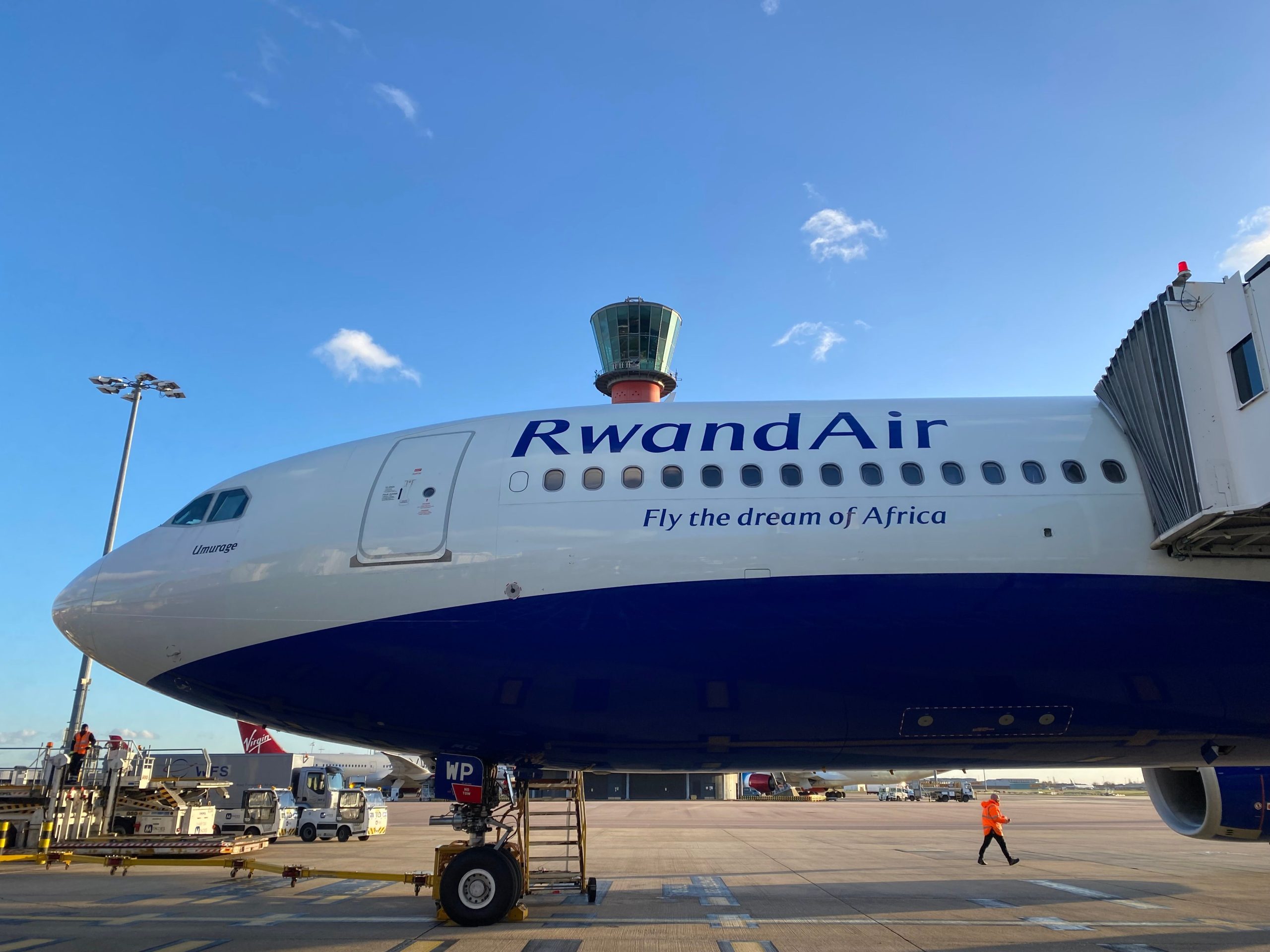
A fly-in safari and an overland safari can take you to the same wildlife destinations in East Africa, but the way you travel changes the cost, pace and overall experience of your holiday. A fly-in safari uses small aircraft to connect cities, national parks and remote lodges, while an overland safari relies mainly on road travel in a 4×4 safari vehicle.
Flying can turn a long transfer into a short flight, giving you more time for wildlife viewing and relaxation. Driving usually costs less, offers greater flexibility with luggage and allows you to experience the countryside between destinations.
Neither option suits every traveller. Your best choice depends on how many days you have, which parks you want to visit, how much you want to spend and whether you enjoy the journey between destinations.
In Uganda, for example, flying can make a short visit to Bwindi Impenetrable National Park or remote Kidepo Valley National Park more practical. In Kenya, a flight from Nairobi to the Maasai Mara can reduce a lengthy road transfer. In Tanzania, bush flights can connect the Serengeti’s remote camps with other safari destinations.
Understanding the differences will help you choose a safari that gives you the right balance of wildlife viewing, comfort and cost.
What Is a Fly-In Safari?
A fly-in safari uses scheduled domestic flights or private charter aircraft to transport travellers between major towns, national parks and remote safari lodges. Depending on the itinerary, you may depart from an airport serving a major city and land at a small airstrip near your next destination.
After landing, a lodge vehicle or safari guide usually meets you and transfers you to your accommodation. Game drives continue in a safari vehicle, so flying does not replace the actual wildlife-viewing activities. It replaces some of the long road transfers between destinations.
Fly-in safaris are particularly useful when parks are far apart or when road travel would consume a significant portion of a short holiday. They are also popular with travellers staying at remote camps where air access is more practical than driving.
For example, a traveller visiting Bwindi for gorilla trekking could fly from the Entebbe or Kampala area to an airstrip serving the relevant part of the forest, then continue by road to the lodge. The precise flight and transfer arrangements depend on the gorilla trekking sector, available services and travel dates.
In Kenya, visitors can fly from Nairobi’s Wilson Airport to airstrips serving the Maasai Mara. In Tanzania, domestic safari flights connect various destinations, including areas within the Serengeti ecosystem.
The main advantage is time saved on the road. The main disadvantages are the additional cost, stricter luggage allowances and dependence on flight schedules and weather conditions.
What Is an Overland Safari?
An overland safari uses road transport for most or all of the journey between destinations. Travellers generally travel in a 4×4 safari vehicle with a professional driver-guide, although the exact arrangement depends on the operator and package.
This style of travel allows you to explore the landscape between national parks rather than moving directly from one airstrip to another. You may pass through rural communities, farmland, forests, small towns and scenic viewpoints along the way.
In Uganda, an overland itinerary might connect Entebbe with Murchison Falls National Park, Kibale National Park, Queen Elizabeth National Park and Bwindi Impenetrable National Park. The journey can provide opportunities to stop at suitable viewpoints, visit selected attractions and observe everyday life outside the main cities.
In Tanzania, a road safari can connect Tarangire National Park, the Ngorongoro Conservation Area and the Serengeti. In Kenya, travellers may drive from Nairobi through the Great Rift Valley towards the Maasai Mara.
Road travel gives you greater flexibility to stop for photographs, adjust departure times where practical and keep the same driver-guide throughout the trip. It also allows you to carry more luggage than most small aircraft permit.
The main drawback is travel time. Some routes involve long drives, and poor road conditions, traffic or weather can make journeys longer than expected. A well-designed itinerary should balance driving with wildlife activities instead of filling every day with transfers.
Fly-In Safari vs Overland Safari: Time Compared
Time is often the deciding factor when choosing between these two safari styles. Flying reduces the time spent travelling between distant destinations, while driving can require several hours or an entire day for a single transfer.
Consider a journey from Nairobi to the Maasai Mara. A road transfer commonly takes around five to six hours, depending on traffic, weather and the location of your camp. A scheduled bush flight may take approximately 45 minutes to an hour, followed by a transfer from the airstrip to your accommodation.
In Uganda, travelling overland from Entebbe to Bwindi Impenetrable National Park can take around eight to ten hours or longer, depending on road conditions and the trekking sector you are visiting. A domestic flight to a suitable nearby airstrip can reduce the flying portion to roughly one to two hours, although check-in, transfers and waiting time must also be included.
These savings matter when you have only three or four days for a safari. Flying can preserve time for game drives, boat cruises or other activities that would otherwise be lost to road transfers.
However, flying does not automatically make an itinerary better. If you have ten days or more, driving between selected destinations may be worthwhile because you have more time to explore the countryside and include additional stops.
You should also consider the complete journey rather than flight duration alone. Airport transfers, check-in requirements, weather delays and the final drive to your lodge all contribute to the travel day.
Comparing the Cost of Fly-In and Overland Safaris
Overland safaris are generally more affordable, particularly for families, couples travelling together and groups sharing a private vehicle. Fly-in safaris usually cost more because domestic flights add another expense to the itinerary.
With an overland safari, your transport costs generally cover the safari vehicle, driver-guide, fuel and the agreed travel arrangements. When several people share the vehicle, the transport cost per person can become more manageable.
A fly-in safari adds the cost of each flight sector. You may also pay for transfers between airstrips and lodges, depending on what your package includes. Accommodation near remote airstrips can be expensive, especially at camps that offer exclusive locations, private guiding and premium services.
The difference becomes more noticeable when you visit several parks. If your itinerary requires three or four internal flights, the combined airfare can increase the overall cost considerably.
However, a fair comparison should consider the number of nights and activities included. A fly-in safari may cost more per day but require fewer days away from home. A road safari may have a lower daily transport cost but require additional nights to cover the same destinations comfortably.
For example, a traveller with four available days may choose a fly-in safari to spend more time at the destination. Someone with ten available days may prefer a road-based itinerary that visits several parks without paying for multiple flights.
Before choosing, request quotations that clearly separate flights, ground transport, accommodation, meals, park fees and activities. Compare packages covering similar destinations and service levels rather than relying on the headline price alone.
Comfort and Fatigue During Your Safari
Comfort depends on the kind of travel you find easiest. Flying reduces long hours on the road, while overland travel offers more space for luggage and greater control over stops.
On a fly-in safari, you spend less time travelling over rough roads and may arrive at your lodge with more energy for an afternoon game drive. This can be useful for older travellers, honeymooners and visitors who find prolonged vehicle journeys uncomfortable.
Small aircraft have limited cabin space, and some travellers may find the flight noisy or bumpy. Flight schedules can also restrict when you arrive and depart. If your flight is delayed, you may need to adjust your plans.
Overland safaris provide a different type of comfort. You can travel with the same driver-guide, keep your luggage in the vehicle and take breaks at suitable locations. A good safari vehicle with adequate legroom, working air conditioning where available and appropriate seating can make long journeys more manageable.
Nevertheless, road travel can be tiring. Sitting for six to ten hours, especially on uneven roads, can leave you exhausted before your next activity. Consecutive long transfers can also reduce the time you have to rest between game drives.
If comfort is a priority, examine the actual vehicle, flight arrangements and itinerary rather than assuming that every fly-in safari is luxurious or every road safari is uncomfortable.
Wildlife Viewing: Does Flying Give You a Better Safari?
Flying does not automatically improve wildlife sightings. It changes how you reach the destination, not the animals you encounter once you arrive.
On a fly-in safari, you generally travel directly to an airstrip near your lodge. Your game drives then take place in a safari vehicle with a guide who knows the local wildlife and terrain. This can give you more time for morning and afternoon game drives because you spend less time travelling between regions.
For example, a fly-in visit to the Serengeti may allow you to arrive near your camp and begin exploring the surrounding area on the same day, subject to flight schedules and arrival time.
An overland safari can also provide excellent wildlife viewing. In some destinations, the road passes through areas where animals may be visible along the route. Your guide may be able to stop at appropriate places for photographs or short breaks, depending on road safety and local regulations.
Driving can also give you more opportunities to observe how landscapes change between parks. You may pass through woodland, farmland, grassland and settlements before reaching your destination.
Neither transport style guarantees sightings of specific animals. Wildlife movements depend on habitat, season, weather and chance. If your main objective is to see a particular species, choose the destination and timing carefully before deciding how to travel there.
Luggage Restrictions on Fly-In Safaris
Luggage is one of the most important practical differences between fly-in and overland safaris.
Small aircraft have limited storage capacity and strict weight restrictions. Many bush-flight operators allow around 15 kilograms per passenger, often including hand luggage, and require soft-sided bags. However, the precise allowance depends on the airline, aircraft, route and booking conditions.
You should confirm the current limit before packing. Do not assume that an allowance from one operator applies to another flight.
Soft duffel bags are usually easier to fit into small aircraft compartments than rigid suitcases. Pack versatile clothing, essential medication, toiletries, a camera and other necessary items without carrying unnecessary extras.
Photographers should pay particular attention to the rules. Camera bodies, long lenses, binoculars, laptops and other equipment can use a substantial portion of your allowance. Some operators may have separate arrangements for additional weight, but these must be confirmed in advance.
Overland safaris provide more flexibility because a 4×4 vehicle usually has more storage space. You can carry larger suitcases and additional equipment, subject to the vehicle’s capacity and the number of passengers.
If you are travelling for two weeks or longer, driving can make packing easier. If you choose to fly, consider leaving unnecessary luggage in secure storage at your hotel or arranging an approved luggage transfer with your operator.
Scenic Routes and Cultural Experiences
Overland travel offers a closer look at the places between wildlife destinations. You see the countryside at ground level, pass through towns and villages, and observe everyday activities that you would miss from an aircraft.
In Uganda, a road journey can include views of cultivated hills, roadside markets and rural communities. Depending on your route, you may be able to stop at the Equator crossing or other suitable attractions.
In Kenya, the drive towards the Maasai Mara passes through sections of the Great Rift Valley and rural landscapes. Travellers may stop at designated viewpoints or towns along the way, provided the itinerary allows enough time.
In Tanzania, driving between northern circuit parks gives you opportunities to observe changes in vegetation, farming areas and settlements as you move between destinations.
These experiences can make the journey an important part of your holiday. However, stops should be planned realistically. Adding too many attractions to a long transfer can result in a late arrival at your lodge.
Fly-in safaris provide a different perspective. Looking out of a small aircraft can reveal lakes, rivers, mountain ranges and broad stretches of savannah. The flight itself may be memorable, but it offers less opportunity to interact with places along the route.
If you enjoy road trips and want to understand more about the country beyond its parks, an overland safari is likely to appeal to you. If your priority is reaching a wildlife destination efficiently, flying may be the better choice.
Which Destinations Are Best for Fly-In Safaris?
Fly-in safaris are particularly useful for destinations that are remote or require long road transfers.
In Uganda, domestic flights can serve airstrips near Bwindi Impenetrable National Park, Queen Elizabeth National Park, Murchison Falls National Park and Kidepo Valley National Park, subject to available services and schedules. Kidepo is especially worth considering for a fly-in itinerary when time is limited because the road journey from the Entebbe area is long.
In Kenya, flights from Nairobi’s Wilson Airport connect travellers to airstrips serving the Maasai Mara and other safari destinations. This is a popular option for visitors staying at camps that are far from major towns.
In Tanzania, bush flights connect destinations in the Serengeti and other remote wildlife areas. Flying can be particularly useful when a traveller wants to combine distant parks without spending several days on road transfers.
The best fly-in itinerary depends on the location of your lodge, available flights and the activities you want to experience. An airstrip may be relatively close to a park but still require a road transfer to your accommodation.
Always confirm the actual flight route, baggage allowance, arrival time and onward transfer before making a booking.
Which Destinations Are Best for Overland Safaris?
Overland safaris are well suited to itineraries where the route between destinations is manageable or offers worthwhile experiences.
Uganda is particularly suitable for road-based wildlife circuits. Travellers can combine Murchison Falls, Kibale, Queen Elizabeth and Bwindi over a longer itinerary, although the journey requires careful scheduling. Driving allows you to keep the same guide throughout and include selected attractions along the way.
Northern Tanzania is another popular overland destination. Tarangire, Ngorongoro and the Serengeti can be combined on a multi-day safari, with the exact route depending on your accommodation and the wildlife experiences you want.
In Kenya, a road safari can combine destinations such as Amboseli, Lake Nakuru and the Maasai Mara, depending on the length of the trip. Some transfers are substantial, so avoid trying to cover too many parks in too few days.
Overland travel is also useful for travellers who want to explore more than one destination without relying on a series of domestic flights. It can provide a practical balance of cost, wildlife viewing and cultural experiences when the route is planned sensibly.
Is a Hybrid Safari the Best Option?
A hybrid safari combines road travel with domestic flights. For many travellers, this provides the most practical balance between time, cost and experience.
Instead of choosing one transport method for the entire holiday, you can drive between nearby destinations and fly the longer legs. This reduces unnecessary road transfers while preserving the opportunity to explore selected landscapes along the way.
For example, a traveller visiting Uganda could drive between Entebbe and a nearby destination, then fly to Bwindi for gorilla trekking. Alternatively, the itinerary could include a flight to a remote park and a road transfer through other destinations on the return journey.
In Kenya, you might drive through the Rift Valley before flying from the Maasai Mara back to Nairobi. In Tanzania, you could drive between nearby northern circuit parks and fly to a more distant safari region.
The main benefit is flexibility in itinerary design. You pay for flights where they offer a clear advantage and use road travel where the journey is manageable or adds value.
A hybrid itinerary does require coordination. Your operator must match flight schedules with lodge check-in times, transfers and activities. Allow enough time for delays and avoid scheduling an important activity immediately after a connection that has little room for disruption.
Choosing the Right Safari for Your Budget and Travel Style
Choose a fly-in safari if you have limited time, want to avoid long road transfers or plan to visit remote destinations. It is particularly suitable for short holidays, travellers seeking additional comfort and visitors who want to maximise their time at a particular lodge or park.
Choose an overland safari if you want to manage costs, carry more luggage, travel with the same guide and experience the countryside between destinations. It is often a good fit for families, photographers with substantial equipment and travellers with enough time for a longer itinerary.
Choose a hybrid safari if you want to save time on selected journeys without giving up the benefits of road travel. This is often a sensible option when visiting several parks across a large country.
Before booking, consider how many full days you want to spend on wildlife activities. If a road transfer uses most of a day, ask whether flying would make the itinerary more worthwhile. If the road journey is short and scenic, driving may offer better value.
Check what each package includes, including accommodation, meals, park fees, flights, transfers and game drives. Confirm luggage restrictions and ask how the operator handles flight delays or cancellations.



No comment