
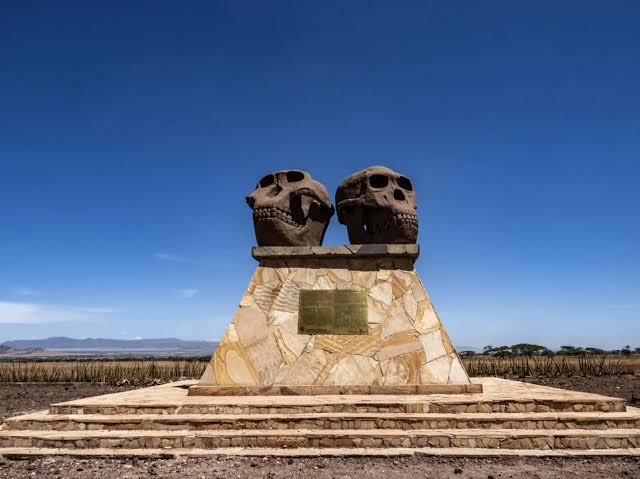
Olduvai Gorge Museum: Where Early Human Fossils Were Found
Olduvai Gorge Museum in Tanzania is one of Africa’s most important historical attractions, offering visitors an opportunity to discover early human fossils, prehistoric stone tools and remarkable evidence of human evolution. Located within the Ngorongoro Conservation Area, between the Serengeti plains and Ngorongoro Crater, the museum tells a story extending millions of years into the past.
Often called the Cradle of Humankind, Olduvai Gorge became internationally famous through archaeological discoveries made by Louis and Mary Leakey. Their research helped establish East Africa as a major centre for understanding human origins.
Today, visitors can explore fossil exhibitions, learn about early human ancestors and enjoy panoramic views across the gorge. For travellers combining wildlife safaris with cultural experiences, Olduvai offers a fascinating journey into humanity’s distant past.
Where Is Olduvai Gorge Museum Located?
Olduvai Gorge Museum stands on the rim of Olduvai Gorge in northern Tanzania, within the Ngorongoro Conservation Area.
The site lies along the wider safari route connecting Ngorongoro Crater and Serengeti National Park.
A short access road branches from the main safari route towards the museum.
Quick Facts About Olduvai Gorge
| Feature | Description |
|---|---|
| Country | Tanzania |
| Region | Arusha |
| Conservation area | Ngorongoro |
| Alternative spelling | Oldupai Gorge |
| Main attraction | Early human fossil discoveries |
| Famous researchers | Louis and Mary Leakey |
| Important discovery | Paranthropus boisei skull |
| Nearby site | Laetoli |
| Museum development | Modern centre opened in 2017 |
| Recommended visit | 1–2 hours |
Why Is Olduvai Gorge Famous?
Olduvai Gorge contains geological layers preserving evidence of early humans, prehistoric animals and ancient environments.
Researchers have discovered fossilised bones and stone tools dating back approximately two million years.
These discoveries transformed scientific understanding of human evolution.
They demonstrated that East Africa played an important role in the development of early human species.
Understanding the Name Olduvai
The name Olduvai developed from Oldupai, a Maasai term referring to a wild sisal-like plant growing in the region.
Both spellings are widely recognised.
Why the Original Name Matters
The name reflects the area’s connection with Maasai communities.
Long before international researchers arrived, local people knew the landscape and its natural features.
Recognising this cultural history helps visitors appreciate the gorge beyond its archaeological importance.
How Was Olduvai Gorge Formed?
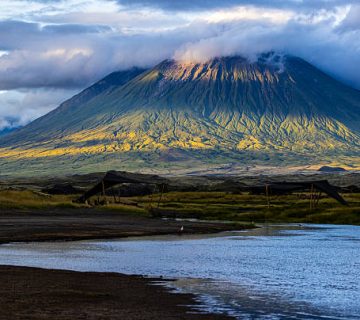
Olduvai Gorge formed through geological movements and erosion within the East African Rift.
Volcanic eruptions deposited layers of ash and other materials across ancient landscapes.
Over time, rivers cut through these deposits, exposing older sediments.
Why Geological Layers Matter
Different layers preserve evidence from different periods.
Scientists study fossils, volcanic materials and sediments to reconstruct ancient environments.
The exposed formations help researchers estimate when particular species lived.
They also reveal changes in vegetation, climate and animal populations.
Louis and Mary Leakey
Louis and Mary Leakey were influential researchers who spent decades investigating Olduvai Gorge.
Their work helped establish the region’s importance in the study of early human evolution.
Their Research Contributions
The Leakeys organised excavations and examined fossil-rich deposits.
They also studied ancient stone tools and animal remains.
Their research attracted international attention and encouraged further archaeological investigations across East Africa.
The Famous Zinjanthropus Discovery
In 1959, Mary Leakey discovered a remarkably preserved early hominin skull at Olduvai Gorge.
The fossil became popularly known as Zinjanthropus or Nutcracker Man.
Today, it is generally classified as Paranthropus boisei.
Why Was the Discovery Important?
The skull demonstrated that an ancient human relative had lived in East Africa approximately 1.75 million years ago.
Its large chewing teeth and powerful jaws revealed specialised feeding adaptations.
The discovery brought Olduvai Gorge worldwide scientific recognition.
It also encouraged further research into early human diversity.
Homo habilis and Early Human History
Olduvai Gorge is also associated with important Homo habilis discoveries.
This early human species lived approximately 2.4–1.4 million years ago.
Its fossils have contributed to debates about the development of the human genus.
What Makes Homo habilis Important?
Homo habilis possessed anatomical features differing from both earlier hominins and later humans.
It has historically been associated with early stone-tool production.
However, scientists continue investigating which species made particular tools.
The discoveries illustrate that human evolution involved several related species rather than one simple progression.
Early Stone Tools at Olduvai
Stone tools are among the gorge’s most important archaeological discoveries.
Early tools commonly involved striking stones to produce sharp edges.
These objects could help process animal carcasses, plants and other materials.
Important Tool Traditions
| Tool tradition | Main characteristics |
|---|---|
| Oldowan | Simple flakes and stone cores |
| Acheulean | More extensively shaped handaxes |
| Early cutting tools | Sharp edges for processing materials |
| Hammerstones | Used to strike other stones |
The tools provide evidence of ancient technological development.
What Can Visitors See Inside the Museum?
The museum introduces visitors to archaeological discoveries through exhibitions, photographs, educational displays and fossil replicas.
Some displays contain original artefacts, while important fossils may be represented by casts.
Main Museum Attractions
Visitors can examine displays explaining early human ancestors.
Stone-tool exhibitions introduce prehistoric technology.
Maps identify important excavation locations.
Interpretive panels explain geological layers and the history of archaeological research.
The museum also presents discoveries from nearby Laetoli.
The Laetoli Footprints
Laetoli is another internationally important archaeological site within the broader Ngorongoro landscape.
It became famous for fossilised footprints preserved in volcanic ash approximately 3.66 million years ago.
The footprints provide evidence that early hominins walked upright.
Who Made the Footprints?
The tracks are generally associated with Australopithecus afarensis, although researchers continue studying their interpretation.
The footprints reveal important information about early locomotion.
Visitors can view replicas at Olduvai Gorge Museum.
The original footprint surfaces are protected and are not part of an ordinary tourist walk.
The Museum’s Modern Visitor Centre
The museum was originally established through Mary Leakey’s efforts to educate visitors about archaeological discoveries.
A modern visitor centre opened in 2017.
What Makes the Museum Experience Interesting?
The exhibitions combine scientific information with visual displays.
Visitors can learn about excavation techniques, fossil dating and ancient environments.
Interpretive presentations help explain the importance of discoveries that might otherwise appear difficult to understand.
The museum overlooks the gorge, connecting the exhibitions with the actual landscape.
Viewing Olduvai Gorge
One of the most memorable parts of the visit is observing the gorge from its elevated viewpoints.
The exposed rock layers stretch across the landscape.
What Can You See?
Visitors can appreciate the geological formations that preserved ancient fossils.
The surrounding plains provide impressive scenery.
Guides explain where important discoveries occurred.
The viewpoints also offer opportunities for landscape photography.
Can You Visit the Excavation Sites?
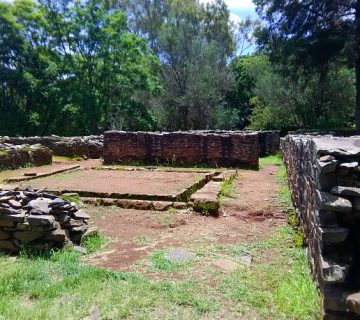
Some authorised archaeological locations may be visited with an official guide.
However, access depends on conservation rules and ongoing research.
Important Visitor Rules
Never enter excavation areas independently.
Do not remove fossils or stones.
Remain on approved paths.
Avoid touching fragile archaeological materials.
Follow instructions from museum staff and conservation authorities.
Protecting these sites ensures that future generations can continue studying them.
Best Time to Visit Olduvai Gorge
The museum can be visited throughout the year.
However, relatively dry periods generally make travel more convenient.
June to October and January to March are popular safari seasons.
Seasonal Visiting Guide
| Period | General conditions |
|---|---|
| January–March | Often warm and relatively dry |
| April–May | Increased rainfall |
| June–October | Generally favourable safari travel |
| November–December | Variable rainfall |
Road conditions may become difficult during heavy rain.
How to Reach Olduvai Gorge Museum
Visitors commonly reach the museum through organised northern Tanzania safaris.
The journey often begins in Arusha before continuing towards Ngorongoro.
The museum is a convenient stop when travelling between the Ngorongoro highlands and Serengeti National Park.
Transport Advice
Use a reliable safari vehicle.
Travel with an experienced driver-guide.
Carry drinking water.
Confirm museum access and current road conditions.
Avoid planning the visit too close to sunset.
Entrance Fees and Visiting Arrangements
Olduvai Gorge Museum falls within the Ngorongoro Conservation Area.
Visitors may need to pay a separate museum or archaeological-site fee in addition to applicable conservation-area charges.
Planning Information
| Item | Advice |
|---|---|
| Museum entry | Confirm current fee |
| Conservation area entry | Usually charged separately |
| Guided presentation | Available through authorised staff |
| Recommended duration | 1–2 hours |
| Photography | Follow museum regulations |
| Excavation access | Official guide required |
Confirm current charges and operating arrangements before travelling.
Combining Olduvai With a Serengeti Safari
Olduvai Gorge is conveniently located along popular northern Tanzania safari routes.
Travellers can visit the museum while travelling between Ngorongoro and Serengeti.
Suggested Safari Stop
Begin the day with an early departure.
Travel towards Olduvai Gorge Museum.
Enjoy the exhibitions and a presentation about human evolution.
Continue towards Serengeti National Park for afternoon wildlife viewing.
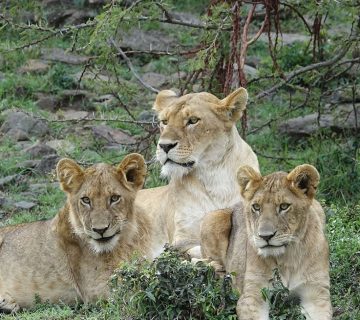
This combination introduces both prehistoric heritage and modern African wildlife.
Responsible Archaeological Tourism
Olduvai Gorge contains irreplaceable scientific evidence.
Visitors should respect archaeological restrictions and conservation regulations.
Never collect fossils, stone tools or other historical materials.
Avoid disturbing researchers.
Support authorised guides and educational programmes.
Responsible tourism helps preserve humanity’s shared heritage.
Why Olduvai Gorge Museum Is Worth Visiting
Olduvai Gorge Museum offers one of Tanzania’s most meaningful cultural experiences.
Its fossil displays, prehistoric tools and geological landscapes reveal important chapters of early human evolution.
Discoveries associated with Louis and Mary Leakey transformed scientific understanding of our ancestors.
The nearby Laetoli footprints provide further evidence of early upright walking.
For travellers exploring northern Tanzania, Olduvai Gorge adds historical depth to a safari, reminding visitors that the landscapes supporting today’s wildlife also preserve extraordinary evidence of humanity’s ancient past.




No comment