Carbon Storage in Trees: How Planting Helps Slow Climate Change
Carbon is everywhere in nature. You breathe it out. Plants take it in. It goes back to the air when plants die or burn.
That cycle normally stays in balance. The problem starts when more carbon stays in the air than the system can remove. The extra builds up, traps heat, and raises temperatures over time.
Trees Turn Air Into Living Material
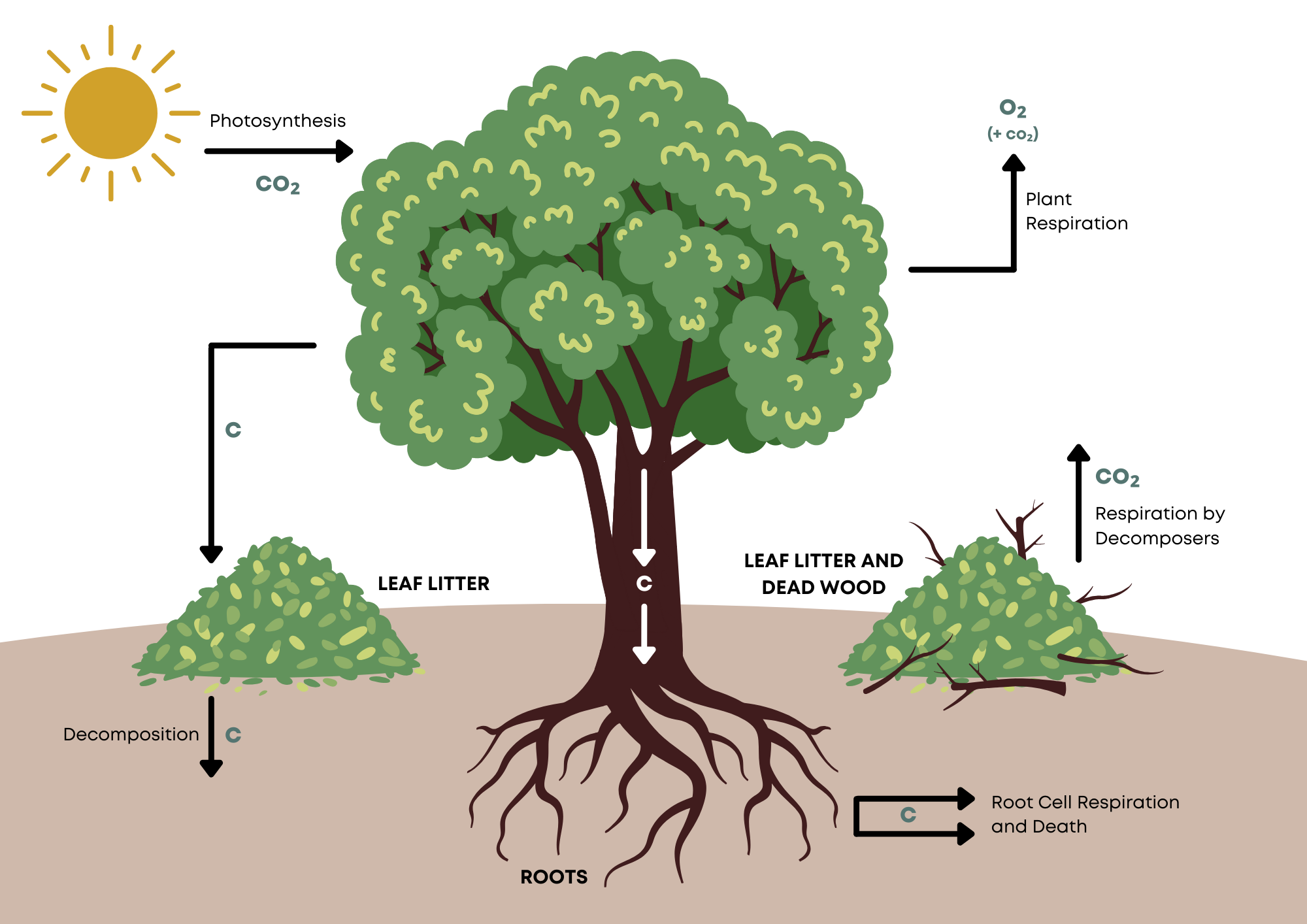
Trees take carbon dioxide from the air through their leaves. They use it to grow.
That carbon becomes part of the tree itself. It ends up in:
- Trunks
- Branches
- Leaves
- Bark
- roots
As the tree grows, it keeps locking in more carbon. A young tree holds a small amount. A large mature tree holds a lot because it has been growing for many years.
A Lot of Carbon Ends Up in the Soil
Carbon storage is not only what you see above ground.
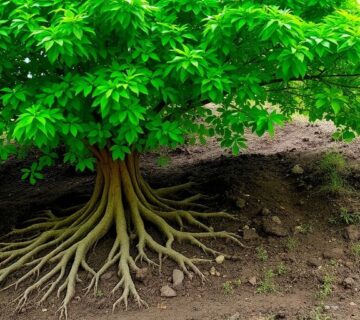
Roots store carbon while the tree is alive. When roots die, they break down and become part of the soil.
Over time, this builds soil that holds carbon for long periods.
So forests store carbon in two main places:
trees above ground
soil below ground
They work together as one system.
Young Trees Pull Carbon Faster
Young trees grow quickly. That growth needs carbon.
They pull carbon dioxide from the air at a faster rate while building their structure.
In simple terms:
young trees absorb carbon quickly while growing
older trees slow down but store more total carbon
mature forests hold the largest long-term amounts
Both new planting and protecting old forests matter.
Forests Keep Carbon Locked in Place
A forest works like a storage system.
When it is healthy, carbon stays inside trees and soil.
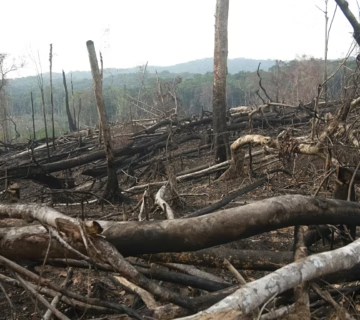
When forests are cut or burned, that stored carbon goes back into the air. This can happen quickly and in large amounts.
Forest Soil Holds More Carbon Than It Looks Like
Forest soil is full of old leaves, roots, and decomposed plant material.
This slow breakdown builds carbon over time.
Leaves fall and decay
roots die and break down
soil organisms process organic matter
In many forests, soil holds more carbon than the trees above it.
Cutting Forests Releases Stored Carbon
When forests are cleared, carbon stored for years goes back into the air.
It happens through:
- burning vegetation
- rotting plant material
- exposed soil releasing carbon
This adds more carbon to the atmosphere and increases warming.
Trees Slow the Build-Up of Carbon in the Air
Planting trees helps reduce how fast carbon builds up in the atmosphere.
Trees take carbon dioxide and store it in wood and soil.
It does not solve everything, but it shifts part of the carbon from the air back into land.
Different Trees Store Carbon in Different Ways
Trees do not all work the same.
Fast-growing trees:
take in carbon quickly
help restore damaged land faster
build structure early
Slow-growing trees:
store carbon for longer periods
develop dense wood
hold carbon more securely over time
A mix of both creates a stronger system.
Forest Age Matters
Young forests absorb carbon quickly but store less total carbon.
Older forests absorb more slowly but hold large amounts built up over decades.
Older forests also help keep soil carbon stable.
Each stage has a role.
Trees Affect Everyday Conditions
Forests also shape conditions people feel every day.
They influence:
- Temperature
- rainfall patterns
- soil moisture
- air quality
When forests are removed, these systems become unstable. When forests grow back, they slowly recover.
Tree Planting Only Works If Trees Survive
Planting trees is only the first step.
Young trees face real challenges:
- Fire
- animals eating them
- dry soil
- poor growing conditions
If they die early, carbon storage stays low.
What matters is keeping them alive long enough to grow.
Carbon Storage Takes Time
Trees do not store large amounts of carbon quickly.
They build it over many years.
A single tree takes time. A forest takes decades.
But once established, forests store carbon continuously.
Healthy Forests Keep Carbon Stable
The strength of forests is consistency.
When forests are intact:
- carbon stays stored in trees and soil
less carbon returns to the air
natural systems stay balanced
When forests are damaged:
- stored carbon is released
- atmospheric levels increase
That difference builds up over time.
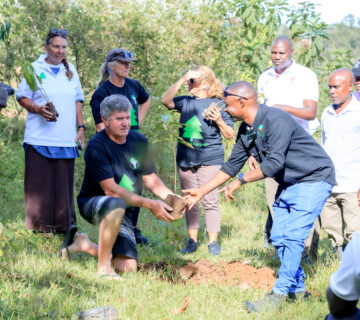
All In Africa Safaris’ Recognition Towards Tree Planting
At All In Africa Safaris, environmental conservation is seen as part of protecting Africa’s landscapes, wildlife habitats, water systems, and surrounding communities.
Forests store carbon in trees and soil, helping reduce carbon dioxide in the atmosphere. This supports long-term environmental stability and healthier ecosystems.
Through responsible tourism, conservation awareness, and support for restoration work, focus can go toward tree planting, forest protection, and land recovery across Africa.
Protecting forests keeps carbon stored in land instead of letting it build up in the air.
Why East Africa’s Forests Genuinely Play an Outsized Role in the Region’s Carbon Storage Capacity
Since forests like Bwindi, Kibale, and Nyungwe genuinely hold decades of accumulated carbon in both trees and soil, their continued protection genuinely matters not just for wildlife habitat but for the broader climate function these ecosystems quietly perform. All in Africa Safaris can share more about the forests your safari itinerary passes through.
How Responsible Tourism Revenue Genuinely Funds the Forest Protection That Keeps Carbon Locked in Place
Since park fees and conservation-focused tourism genuinely provide direct funding for anti-deforestation efforts, travelers who choose responsible operators genuinely contribute tangibly to keeping stored carbon where it belongs rather than releasing it back into the atmosphere.
Why Visiting Old-Growth Forest Destinations Genuinely Supports the Ecosystems Holding the Most Carbon
Since mature forests genuinely hold the largest long-term carbon reserves, travelers who prioritize destinations built around preserving these older ecosystems genuinely direct their tourism dollars toward the areas doing the most climate work. All in Africa Safaris can prioritize old-growth forest destinations in your safari itinerary.
How Gorilla and Chimpanzee Trekking Genuinely Ties Wildlife Tourism Directly to Forest Conservation
Since primate trekking genuinely depends entirely on intact forest habitat, every permit purchased genuinely creates a direct economic incentive to keep these carbon-storing forests standing rather than cleared for other use.
Why Understanding Soil Carbon Genuinely Changes How Travelers Value the Ground Beneath a Forest Trail
Since forest soil genuinely often holds more carbon than the visible trees above it, trekkers who understand this genuinely gain a deeper appreciation for the ecosystem they’re walking through, beyond simply the wildlife they’ve come to see. All in Africa Safaris can help you appreciate the full ecological significance of the forests on your trek.
How Combining Wildlife Safaris With Conservation Awareness Genuinely Deepens the Value of the Trip
Since understanding the climate role of the forests and savannahs being visited genuinely adds a layer of meaning beyond wildlife sightings alone, travelers who engage with this context genuinely come away with a richer, more informed appreciation of the landscapes they’ve experienced.
Why Supporting Reforestation Initiatives Genuinely Extends a Safari’s Impact Beyond the Trip Itself
Since tree planting and land recovery efforts genuinely continue working long after a traveler returns home, contributing to these initiatives genuinely turns a single trip into an ongoing, lasting form of environmental support. All in Africa Safaris can share how your safari supports ongoing reforestation and conservation work.
How the Fast-Growing Versus Slow-Growing Tree Distinction Genuinely Applies to East Africa’s Reforestation Efforts
Since restoration projects genuinely benefit from mixing quick-establishing species with slower, denser-wood trees, understanding this balance genuinely helps travelers appreciate the science behind the reforestation initiatives their safari fees may indirectly support. All in Africa Safaris can share details on reforestation science relevant to the parks you’ll visit.
Why Protecting Young Trees From Threats Genuinely Requires Sustained, Long-Term Community Investment
Since fire, grazing animals, and poor soil genuinely threaten newly planted trees before they can mature, effective conservation genuinely depends on ongoing local commitment rather than a single planting event, making community-based programs genuinely more effective than one-off tree-planting drives.
Why Understanding Forest Age Diversity Genuinely Helps Travelers Appreciate the Parks They Visit Differently
Since young and old forest sections genuinely serve different carbon-storage roles within the same protected area, recognizing this distinction genuinely adds a layer of ecological understanding to what might otherwise look like uniform, undifferentiated wilderness. All in Africa Safaris can point out these ecological distinctions during your park visits.
How Everyday Conditions Like Rainfall and Air Quality Genuinely Connect Forest Health to Daily Safari Comfort
Since forests genuinely influence local temperature, moisture, and air quality, travelers experiencing pleasant conditions during a safari are genuinely benefiting, often without realizing it, from the same forest systems doing the quiet work of storing carbon in the background.
Planning a Safari That Supports Africa’s Forest Conservation
From primate trekking permits to responsible tourism revenue, genuinely a well-planned safari can directly support the forests that quietly store Africa’s carbon. All in Africa Safaris can turn this overview into a fully confirmed itinerary tailored to your travel dates.