The Role of Trees in Keeping African Rivers Alive
Africa is home to some of the world’s most important river systems. Rivers such as the Nile, Congo, Niger, Zambezi, Rufiji, and Orange River support millions of people by providing water for drinking, agriculture, fishing, transportation, and hydroelectric power. Beyond their economic importance, rivers sustain wildlife habitats and help maintain entire ecosystems across the continent.
While rivers may appear independent of the surrounding landscape, their health is closely connected to the trees that grow around them. Forests and river systems work together in ways that are often overlooked. Trees regulate water flow, protect riverbanks, improve water quality, and help maintain the natural cycles that keep rivers flowing throughout the year.
When tree cover is lost, rivers become increasingly vulnerable to erosion, pollution, flooding, and seasonal drying. Understanding the relationship between trees and freshwater ecosystems is essential for protecting Africa’s water resources in the face of climate change and rapid population growth.
Trees Protect River Sources
Many African rivers originate in forested mountain regions and wetlands. These areas act as natural water catchments, collecting rainfall and slowly releasing it into streams and rivers.
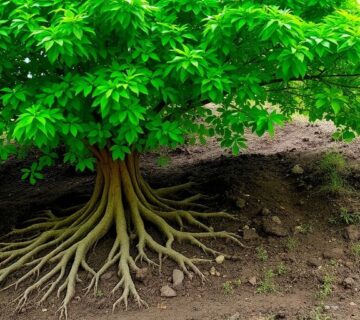
Trees play a critical role in protecting these water sources. Their roots stabilize the soil and improve its ability to absorb and store water. Instead of rainwater immediately running off the surface, forested landscapes allow water to infiltrate the ground and replenish underground reserves.
This natural storage system helps maintain a steady flow of water during dry periods. Without adequate tree cover, water sources become less reliable and more vulnerable to seasonal fluctuations.
Trees Regulate Water Flow
Forested watersheds function as natural regulators of river systems.
During heavy rainfall, trees slow the movement of water across the landscape. Their leaves intercept rainfall while their root systems increase the soil’s capacity to absorb moisture. This reduces the risk of sudden flooding and allows water to enter rivers gradually.
During dry seasons, groundwater stored beneath forested areas continues feeding streams and rivers. As a result, many rivers maintain water flow long after rainfall has stopped.
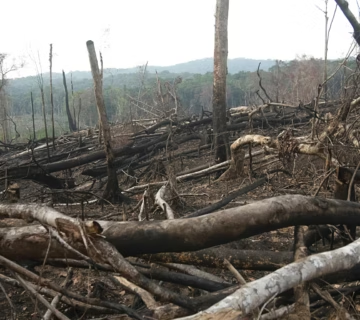
Areas that experience extensive deforestation often see more extreme patterns of flooding during rainy seasons and lower river levels during droughts.
Preventing Soil Erosion
Soil erosion is one of the most significant threats facing African river systems.
When trees are removed from riverbanks and surrounding landscapes, exposed soil becomes highly vulnerable to erosion caused by rainfall and wind. Large quantities of sediment can be carried into rivers, affecting water quality and aquatic habitats.
Tree roots hold soil in place and reduce the impact of rainfall on the ground surface. Vegetation along riverbanks acts as a natural barrier that helps prevent sediment from entering waterways.
Healthy riverbanks are essential for maintaining clear water and supporting aquatic life.
Improving Water Quality
Trees contribute significantly to improving water quality.
Vegetation surrounding rivers acts as a natural filtration system by trapping sediments, absorbing nutrients, and reducing pollutants before they enter waterways. Forested buffers are particularly effective at filtering agricultural runoff that may contain fertilizers and other contaminants.
Cleaner water benefits both human communities and wildlife. Many fish species are highly sensitive to changes in water quality, and polluted rivers can quickly lose their ecological diversity.
Protecting riparian forests, which are forests located alongside rivers and streams, is therefore a critical component of freshwater conservation.
Supporting Aquatic Ecosystems
Rivers are home to an extraordinary variety of life. Fish, amphibians, insects, reptiles, birds, and mammals all depend on healthy freshwater ecosystems.
Trees provide shade that helps regulate water temperatures. Cooler water often contains higher levels of dissolved oxygen, which many aquatic organisms require for survival.
Fallen leaves and branches also contribute nutrients that support food chains within river ecosystems. Insects that develop in forested environments frequently serve as food sources for fish and birds.
The health of river ecosystems is closely tied to the condition of surrounding vegetation.
Reducing Flood Risks
Flooding is a natural process within many river systems, but deforestation can significantly increase its severity.
When forests are cleared, rainfall reaches the ground more quickly and flows rapidly across the surface. Rivers may become overwhelmed by large volumes of water in a relatively short period of time.
Trees help slow this process by increasing water infiltration and reducing surface runoff. Forested watersheds therefore play an important role in mitigating flood risks for downstream communities.
Investments in watershed restoration are increasingly recognized as effective strategies for reducing flood-related disasters across Africa.
Supporting Agriculture
Millions of African farmers depend on rivers for irrigation and livestock watering.
Stable river systems support agricultural productivity throughout the year. When rivers dry prematurely or become heavily polluted, farming communities often face serious economic challenges.
Trees contribute to agricultural resilience by protecting the water resources upon which farmers rely. Agroforestry practices that incorporate trees into agricultural landscapes can further improve water management and soil conservation.
Protecting forests upstream frequently benefits agricultural communities located many kilometers away.
Trees Help Maintain Wetlands
Wetlands serve as important components of many African river systems. They provide habitats for wildlife, store floodwaters, and improve water quality.
Trees surrounding wetlands help regulate water levels by maintaining healthy hydrological cycles. Their presence contributes to groundwater recharge and supports the gradual movement of water through these ecosystems.
Wetlands that lose surrounding tree cover are often more susceptible to degradation and seasonal drying.
Maintaining both forests and wetlands is therefore essential for protecting freshwater resources across the continent.
Climate Change and Water Security
Climate change presents significant challenges for African water systems.
Many regions are experiencing increasingly unpredictable rainfall patterns, prolonged droughts, and more intense storms. Healthy forests improve the resilience of river systems under changing climatic conditions.
Tree cover enhances the landscape’s ability to store and distribute water naturally. This capacity becomes particularly valuable during periods of environmental stress.
Protecting watersheds represents one of the most practical and cost-effective approaches to strengthening water security in many African countries.
Economic Benefits of Healthy Rivers
African rivers support numerous economic sectors, including agriculture, fisheries, tourism, transportation, and energy production.
Hydroelectric dams depend on reliable river flows to generate electricity. Tourism industries benefit from wildlife-rich freshwater ecosystems that attract visitors from around the world.
When river systems deteriorate because of deforestation, the resulting economic costs can be substantial. Investments in forest conservation therefore contribute directly to sustainable economic development.
Healthy rivers provide services that are difficult and expensive to replace through artificial infrastructure alone.
Community-Based Conservation
Many successful conservation programs across Africa recognize the importance of involving local communities in protecting forests and watersheds.
Communities living near river systems often possess valuable traditional knowledge regarding sustainable resource management. Supporting community-led conservation initiatives can improve both environmental and social outcomes.
Tree planting projects along riverbanks have demonstrated significant benefits for erosion control, biodiversity conservation, and water quality improvement.
Public awareness campaigns that emphasize the connection between forests and freshwater resources can further strengthen conservation efforts.
Protecting Riparian Forests
Riparian forests are among the most important yet frequently overlooked ecosystems in freshwater conservation.
These forested areas provide multiple environmental services simultaneously. They stabilize riverbanks, filter pollutants, regulate water temperatures, and create habitats for numerous species.
Unfortunately, riparian forests are often cleared for agriculture, settlement, and infrastructure development.
Protecting and restoring vegetation along rivers should remain a priority for environmental policymakers and conservation organizations throughout Africa.
The Future of Africa’s Rivers
Africa’s growing population will place increasing demands on freshwater resources in the coming decades. Sustainable water management will require an integrated approach that recognizes the fundamental role of forests within river ecosystems.
Trees are not merely part of the landscape surrounding rivers. They are active participants in maintaining water quality, regulating river flows, and supporting biodiversity.
Every forest protected within a watershed contributes to healthier rivers downstream. Likewise, every tree planted along a riverbank helps strengthen the resilience of freshwater ecosystems.
Keeping African rivers alive ultimately depends on maintaining the natural systems that sustain them. Protecting trees is one of the most effective ways to ensure that future generations continue to benefit from the continent’s extraordinary freshwater resources.