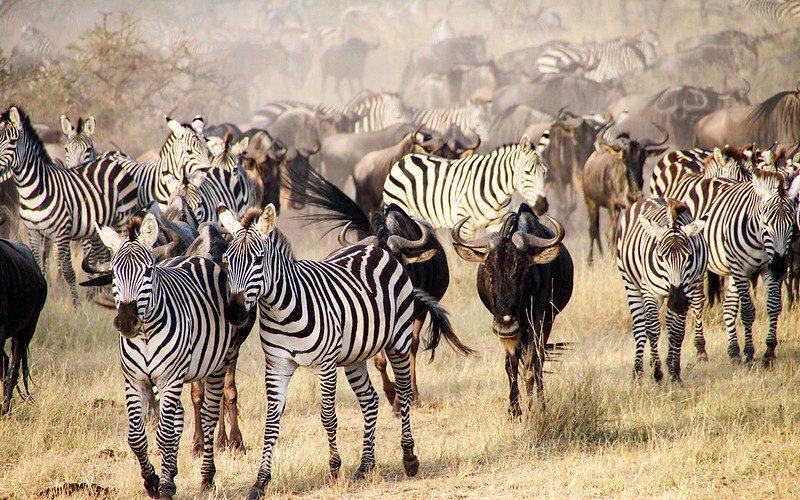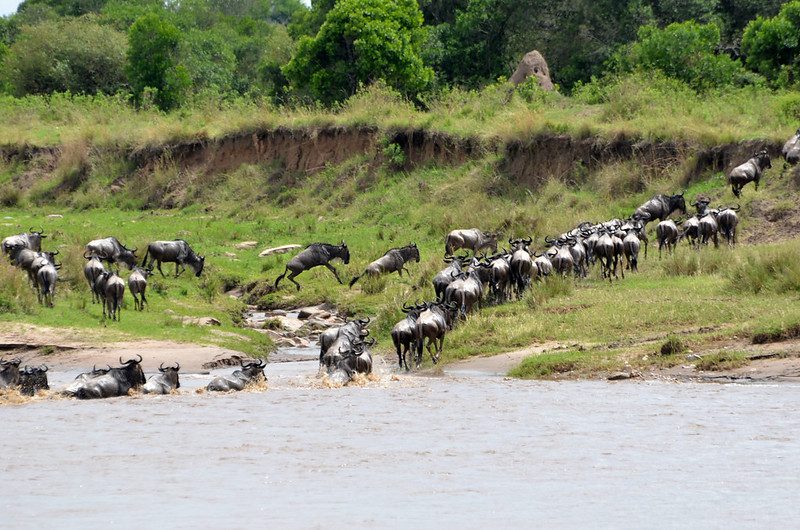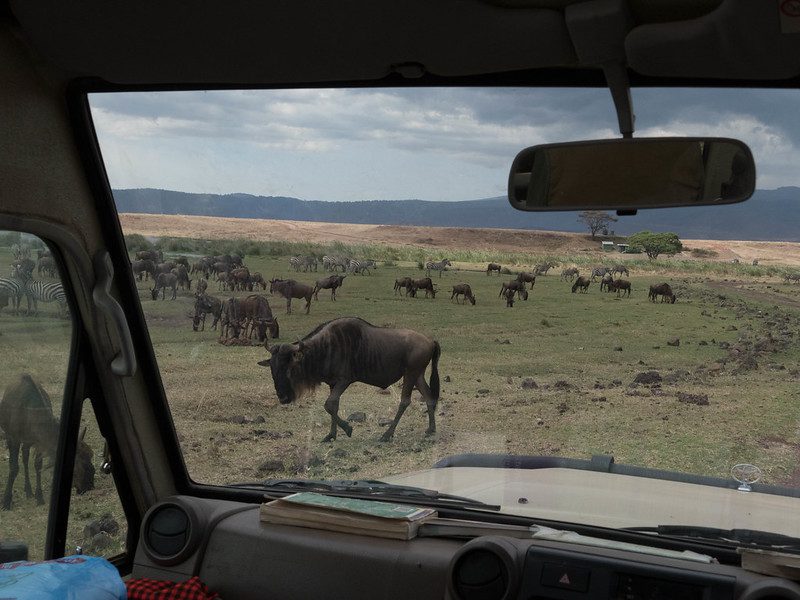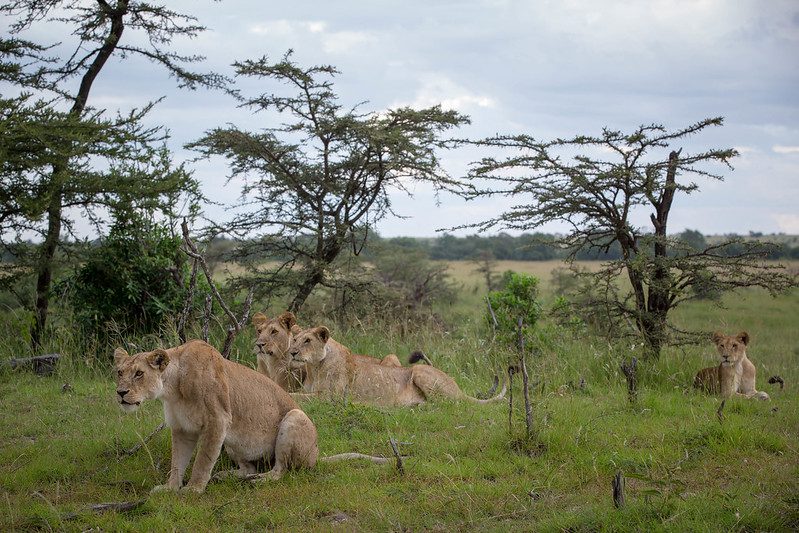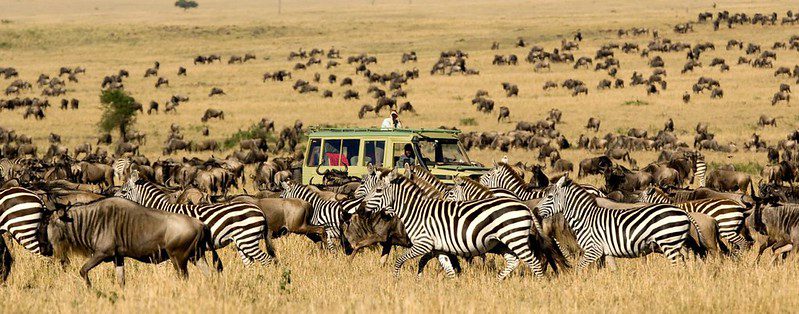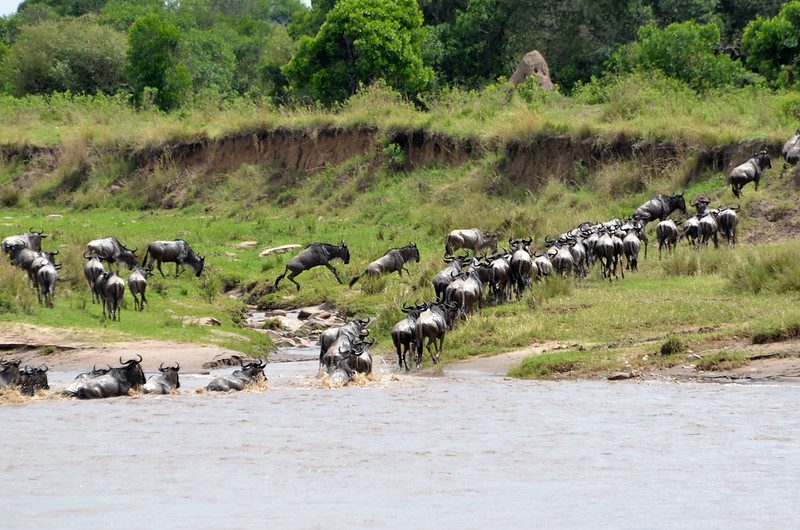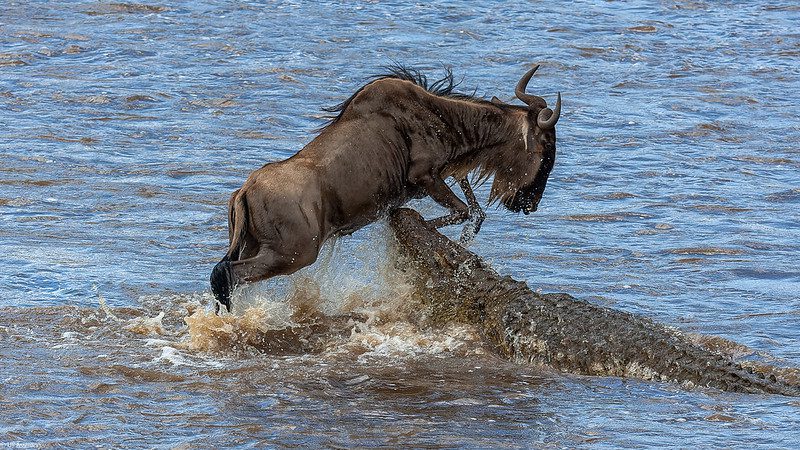
For photographers and wildlife enthusiasts, the Great Wildebeest Migration in Africa presents a mesmerising opportunity to capture nature’s grandeur in stunning detail. From dramatic river crossings to intimate wildlife moments, the migration offers a myriad of photographic opportunities that inspire awe and wonder. In this guide, we explore photography safari packages tailored specifically for capturing the majesty of the Wildebeest Great Migration, providing essential insights and tips for photographers looking to embark on this unforgettable journey.
Understanding Photography Safari Packages:
Photography safari packages are designed to cater to the unique needs of photographers, offering specialised experiences, expert guidance, and prime wildlife viewing locations conducive to capturing exceptional images. These packages often include photography workshops, dedicated photo sessions, and access to exclusive vantage points.
Selecting the Right Photography Safari:
When choosing a photography safari package for the Wildebeest Great Migration, consider factors such as the expertise of guides in wildlife photography, the proximity to migration hotspots, the availability of photography-oriented activities, and the suitability of accommodations for photographers’ needs, including charging stations and editing facilities.
Expert Guidance and Workshops:
Opt for packages that provide access to experienced wildlife photographers or photography guides who understand the nuances of capturing wildlife in action. Photography workshops covering composition techniques, camera settings, and post-processing can significantly enhance your photography skills during the safari.
Access to exclusive locations:
Photography-focused safaris often offer access to exclusive or remote locations within the migration route, allowing photographers to avoid crowds and capture unique perspectives. Look for packages that include opportunities for sunrise and sunset shoots, night photography, and special permits for off-road excursions where permitted.
Equipment and Gear:
Evaluate whether the safari package includes rental options or recommendations for photography equipment such as telephoto lenses, tripods, and camera stabilisers. Ensure your gear is suitable for wildlife photography, and consider backup equipment for extended safaris.
Photographing Wildlife Moments:
The Wildebeest Great Migration provides a range of wildlife photography opportunities, from action-packed river crossings to intimate animal portraits and predator-prey interactions. Familiarise yourself with wildlife behaviour and practice techniques such as panning, framing, and capturing decisive moments.
Lighting Considerations:
Pay attention to lighting conditions during different times of the day. Golden hours around sunrise and sunset offer soft, warm light ideal for capturing wildlife and landscapes. Experiment with backlighting, silhouettes, and shadows to add depth and drama to your photographs.
Composition and Storytelling:
Focus on composition techniques that tell a compelling story through your images. Use leading lines, framing elements, rule of thirds, and negative space to create visually engaging photographs that convey the vastness and beauty of the African wilderness during the migration.
Respect wildlife and the environment.
While capturing stunning photographs is exciting, prioritise ethical wildlife photography practices. Maintain a safe distance from animals, avoid disrupting natural behaviours, and adhere to park regulations and guidelines. Respect the environment and wildlife habitats to ensure a sustainable and responsible photography experience.
Post-Processing and Sharing:
After the safari, dedicate time to post-processing your images to enhance colours, sharpness, and overall impact. Consider sharing your photographs through online platforms, social media, or exhibitions to showcase the beauty of the Wildebeest Great Migration and raise awareness about wildlife conservation.
Photography safari packages tailored for the Wildebeest Great Migration offer a blend of expertise, access, and opportunities that elevate your wildlife photography journey to extraordinary levels. By choosing the right package, leveraging expert guidance, mastering photography techniques, and respecting wildlife and the environment, you can capture the majesty of the migration in timeless images that inspire and preserve the natural heritage of Africa’s wildlife wonders.
Why a Dedicated Photography Vehicle Makes a Genuine Difference
Standard shared game-drive vehicles often can’t accommodate the flexibility a serious photographer needs, lingering at a promising scene, repositioning for better light, while a dedicated photography vehicle with fewer passengers gives you genuinely more control over timing and angle. All in Africa Safaris can arrange dedicated photography vehicles as part of your migration safari.
Choosing Between the Serengeti and the Maasai Mara for Photography
The Serengeti’s greater overall space generally offers photographers more breathing room and fewer competing vehicles at a single sighting, while the Maasai Mara’s more compact ecosystem can mean quicker access to concentrated action, a genuine trade-off worth weighing against your photographic priorities.
Timing Your Trip to the River Crossings
Since the dramatic Mara and Grumeti river crossings represent the migration’s most photographically celebrated moments, timing your visit to align with these crossing windows, while never guaranteed on any single day, considerably improves your odds of capturing this iconic scene.
What Camera Gear Genuinely Matters Most
A telephoto lens in the 100-400mm or 200-600mm range covers most wildlife photography needs, while a wide-angle lens captures the migration’s sheer scale across open plains, making both genuinely worth prioritizing over less essential accessories when packing for this specific trip.
Why Hot Air Balloon Photography Offers a Unique Perspective
A sunrise hot air balloon flight over migrating herds delivers an aerial perspective on the migration’s scale that no ground-based vantage point can match, making it a genuinely worthwhile addition for photographers seeking a signature, unrepeatable image. All in Africa Safaris can add this activity to your photography-focused migration itinerary.
Managing Camera Gear in Dusty, Demanding Field Conditions
Dust and vibration from long days of game drives genuinely challenge camera equipment, making protective covers, careful lens changes, and a proper cleaning kit worth packing alongside your primary photography gear.
Working With a Guide Who Understands Photographer Priorities
Beyond standard wildlife spotting, a guide experienced specifically with photographers understands the importance of positioning the vehicle for optimal light and angle rather than simply the closest viewing distance, a distinction that genuinely shapes your final images.
Night Photography and Astrophotography Opportunities
The migration ecosystem’s remote camps often offer genuinely minimal light pollution, creating excellent conditions for night sky and star trail photography during the hours between game drives, an underrated addition to a photography-focused itinerary.
Building in Buffer Days for Unpredictable Wildlife Behavior
Since migration timing and crossing behavior remain genuinely unpredictable day to day, building two or three extra days into your itinerary beyond the minimum needed considerably improves your odds of being present for a dramatic crossing rather than missing it by a single day.
Post-Processing Workflow Considerations While on Safari
Camps with reliable power and a quiet workspace let you back up and begin culling images during your trip rather than waiting until you’re home, a habit worth establishing early given the sheer volume of images a multi-day migration safari typically produces.
Why Group Size Matters for Photography-Focused Safaris
Smaller group sizes, ideally four photographers or fewer per vehicle, genuinely improve everyone’s ability to reposition for their preferred angle without compromise, making group size worth confirming directly when booking a photography-specific package. All in Africa Safaris can confirm group size limits for dedicated photography departures.
Ethical Considerations Specific to Migration Photography
The pressure to capture a dramatic crossing image should never override respect for wildlife distance guidelines, since responsible operators consistently prioritize animal welfare over securing any single photograph, a standard worth confirming with your chosen operator beforehand.
What Separates a Good Migration Photograph From a Great One
Beyond technical sharpness, genuinely compelling migration images typically capture a clear narrative moment, tension before a crossing, a predator’s pursuit, rather than simply documenting herds at a distance, a distinction worth keeping in mind while composing shots in the field.
Choosing the Right Season Within the Broader Migration Cycle
Beyond the celebrated July through October crossing period, the January through March calving season in the southern Serengeti offers photographers a genuinely different subject, newborn wildebeest and the predators drawn to them, worth considering for a distinctly different portfolio focus.
Backup Equipment Strategy for a Once-in-a-Lifetime Trip
Given how far most photographers travel for a dedicated migration shoot, carrying backup camera bodies, spare batteries, and extra memory cards genuinely protects against equipment failure ruining an irreplaceable opportunity, a redundancy worth the extra luggage weight.
Why Editing Software Access Matters During a Longer Trip
Photographers on extended migration safaris benefit from reviewing images each evening to spot technical issues, focus problems, exposure errors, while there’s still time to adjust technique on subsequent game drives rather than discovering mistakes only after returning home.
How Weather Conditions Shape Your Photographic Options
Dramatic storm clouds and post-rain light can produce genuinely striking images that clear-sky conditions simply can’t replicate, meaning experienced migration photographers often welcome rather than avoid unsettled weather during their shooting windows. All in Africa Safaris can help set realistic expectations about seasonal weather patterns for your chosen travel dates.
Learning From Your Guide’s Wildlife Behavior Knowledge
Experienced guides often anticipate a crossing attempt or a predator’s move minutes before it happens, reading herd tension and positioning that isn’t obvious to visiting photographers, making guide expertise a genuinely underrated ingredient in capturing decisive-moment images.
Planning Your Migration Photography Safari
From dedicated photography vehicles to expert guiding and carefully timed river crossing windows, a well-planned photography safari transforms the Wildebeest Great Migration into a portfolio of genuinely extraordinary images. All in Africa Safaris can turn this overview into a fully confirmed photography-focused itinerary tailored to your travel dates and equipment, bringing you face to face with one of nature’s greatest spectacles.