Msambweni Kenya: Secret Swahili Coastal Village for Slow Travel
Introduction: Discovering Kenya’s Best-Kept Coastal Secret
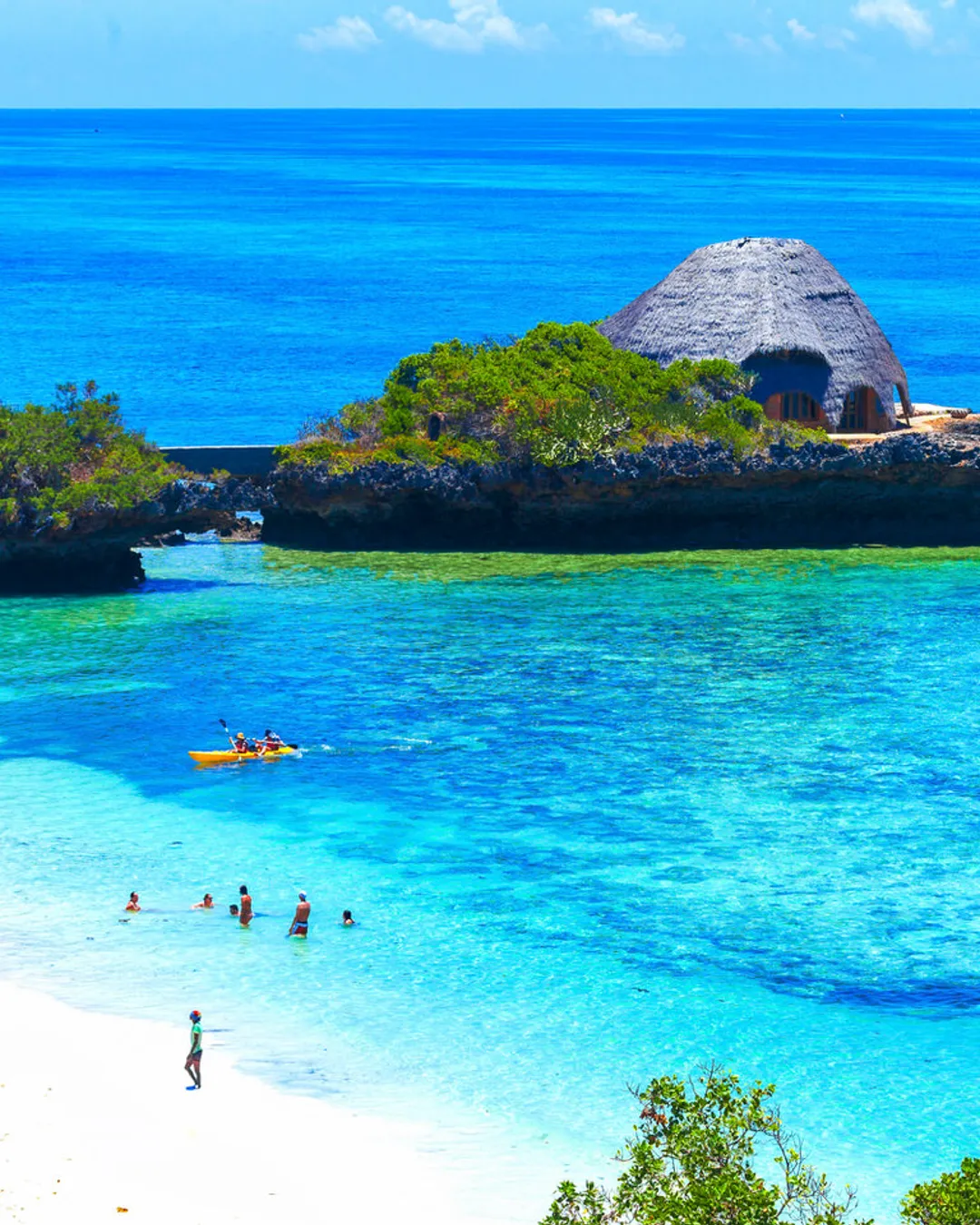
South of the well-trodden shores of Diani Beach, past the last paved roads and the final souvenir shops, lies a place where the Kenyan coast reveals its true, untamed beauty. This is Msambweni, a serene fishing village and guardian of one of the country’s most unspoiled stretches of coastline . Here, the landscape becomes more rural, the sea somehow even more turquoise, and the pace of life slows to the gentle rhythm of the tides.
Msambweni is the antithesis of mass tourism. You will not find enormous resort hotels, lukewarm buffets, or crowds of holidaymakers. Instead, you discover a handful of eco-chic hideaways, a long, wild stretch of pristine white sand, and an authentic Swahili culture that has remained largely untouched by commercialization . It is a destination for travellers who are not just looking for a beach holiday, but for a genuine escape—a place to disconnect, slow down, and experience the magic of coastal Kenya in its purest form.
Where is Msambweni and How to Get There?
Msambweni is located on Kenya’s south coast, in Kwale County, approximately 40 to 50 kilometres south of the more developed Diani Beach . The journey itself is a taste of what is to come. From Mombasa, a scenic road winds its way south past Diani, and the further you go, the more the landscape transforms. The road eventually becomes a gravel track, petering out in this ethereal place where the real adventure begins .
The most common access point is by flying into Mombasa’s Moi International Airport (MBA) . From Mombasa, it is a drive of about an hour to Diani, and then a further 40 minutes south to Msambweni . Given the remoteness, the easiest way to travel is by hiring a private taxi or arranging a transfer through your chosen accommodation . This final leg of the journey, though a bit long, is a beautiful introduction to the rural coastal landscape and builds the anticipation for the peaceful haven that awaits.
Why Msambweni is the Ultimate Slow Travel Destination
Slow travel is about more than just taking your time; it is about immersing yourself in a place, connecting with its culture and rhythm, and moving away from the checklist-style tourism that is so common today. In Msambweni, slow travel is not a choice—it is the only way.
The Beach: A Pristine and Quiet Paradise
The main attraction is, without a doubt, the beach. This is a 4.5-kilometre stretch of blindingly white sand, fringed with swaying palm trees and lapped by the crystal-clear waters of the Indian Ocean . Unlike the bustling beaches further north, Msambweni offers a sense of space and seclusion that is increasingly rare. You can walk for miles without seeing another soul, feeling as if you have discovered a private paradise .
This peace is the core of the Msambweni experience. The beach is not lined with hawkers or packed with sun loungers. It is a wild, beautiful place where the only sound is the gentle crash of the waves . The tides here shape the day; at low tide, the water recedes far out, revealing rock pools and a seabed of sand and stone, which is more suited to snorkeling in deeper areas than swimming directly from the shore .
The Vibe: Swahili Culture and Undiscovered Charm
Msambweni is not a purpose-built tourist resort. It is a real, living community, centred around its sleepy fishing village . Here, you have the chance to witness and participate in everyday Swahili life. The rhythm of the village is dictated by the ocean; you will see traditional dhows setting out in the early morning and returning in the late afternoon with the day’s catch.
This authenticity is what makes Msambweni special. The cultural experience is not staged for tourists; it is the natural ebb and flow of a coastal community. You can take a walk through the village, chat with the locals (with the help of a guide or translator), and gain a genuine insight into their way of life . A village walk is highly recommended, offering a fascinating glimpse into the community and the chance to see everyday life unfold away from the tourist trail .
The Accommodation: Eco-Chic Hideaways
The accommodation in Msambweni perfectly mirrors its slow-travel ethos. Instead of large hotels, you will find a collection of exclusive, intimate, and often eco-conscious boutique properties and private villas . These are not just places to stay; they are destinations in themselves.
Msambweni Beach House is a prime example of this, described as one of the coast’s most enchanting places to stay . Blending sleek modern aesthetics with traditional Swahili-style architecture, it features a main house and a number of private villas. All rooms offer breathtaking views of the Indian Ocean, and the property’s vibe is one of calm, understated luxury . The focus here is on privacy, space, and thoughtful details—from the fresh seafood cuisine to the impeccably designed infinity pool .
Other options include properties like Samawati House, a Swahili-style villa built in 1985, perched on a slight cliff and surrounded by coconut palms. It offers the creature comforts of a family home, from a beautiful pool to sweeping views of the ocean . This variety of chic, low-key options ensures that any stay in Msambweni feels personal and connected to the local environment .
What to Do in Msambweni: Activities for the Slow Traveller
While Msambweni is the perfect place to simply do nothing, there are also plenty of meaningful activities that align with the slow travel philosophy. The emphasis is on quality, authenticity, and connecting with nature and culture .
Marine Adventures: Snorkelling and Dhow Cruises
A boat trip from Msambweni is a journey into one of the most vibrant marine ecosystems in Kenya. Kisite Marine Park is just a short sail away and protects one of the largest and most spectacular coral reefs off the coast . Hopping aboard a traditional dhow, you can venture out for a morning of snorkelling. The clear waters are teeming with marine life, and it is not unusual to be joined by a pod of playful dolphins escorting you to Wasini Island .
For a more serene experience, a sunset dhow cruise is a quintessential slow-travel highlight . Drifting along the calm waters as the sky explodes in colour is a profoundly peaceful and romantic way to end the day. You can also explore the area’s mangrove forests by boat, a trip best done at high tide to paddle through these vital and beautiful coastal ecosystems .
Cultural Immersion: Fishing Villages and Swahili Cooking
The cultural offerings in Msambweni are some of the most authentic in the region. Instead of curated performances, you can participate in real village life. One of the best ways to do this is to go on a traditional fishing excursion with local fishermen . You can join them on their dhow, learn about their centuries-old techniques, and understand the deep connection between the community and the ocean.
You can also deepen your cultural understanding by taking a Swahili cooking class with a local family . This is a delightful way to learn about the rich, aromatic flavours of coastal cuisine—a blend of African, Arab, and Indian influences—and then enjoy the meal you helped prepare. These experiences are not just tourist activities; they are a form of respectful cultural exchange that allows you to connect with the heart of the community .
Exploring the Hinterland: Shimba Hills National Reserve
For a complete change of scenery, a day trip to the Shimba Hills National Reserve is a must . Located just a short drive from the coast, the Shimba Hills are a lush, forested plateau that offers a stark and beautiful contrast to the coastal landscape. This is one of the few places in Kenya where you can see the magnificent and endangered sable antelope .
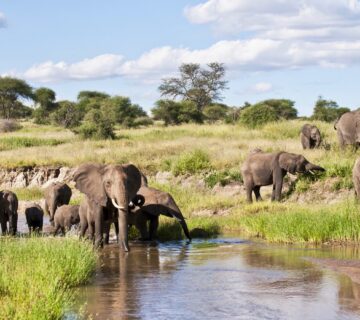
You can enjoy a game drive in the reserve, spotting elephants, giraffes, and various monkey species, or take a guided hike to the beautiful Sheldrick Falls . A trip to the Shimba Hills is the perfect complement to a beach holiday, offering a taste of Kenya’s famed safari experience without the need for a lengthy inland expedition .
Planning Your Trip: The Best Time to Visit
The best time to visit Msambweni depends on what you are looking for, but the dry seasons are generally ideal for the quintessential beach experience.
For the Best Weather and Calm Seas
The prime months for a coastal getaway are January to March and June to September . These periods offer the most sunshine, low rainfall, and calm seas, creating perfect conditions for snorkelling, dhow trips, and simply lazing on the beach . The weather is sunny and dry, with warm but not oppressive temperatures.
For Warmest Waters
If you are eager to spend as much time as possible in the water, the warmest sea temperatures occur from December to April . During this time, the Indian Ocean is at its most inviting, making swimming and water sports particularly pleasant.
What to Avoid
The long rainy season, from late April to June, can bring heavy downpours and high humidity, which may limit outdoor activities . However, this off-peak period can be a good time to find lower rates and enjoy an even more solitary experience. It’s also worth noting that due to the coral and rocky bottom, the water clarity is best during the dry periods, and some beaches can experience seaweed growth at certain times of year, which is a natural phenomenon .
Conclusion: A Retreat for the Soul
Msambweni is more than a destination; it is a feeling. It is the feeling of soft white sand between your toes on a beach you have all to yourself. It is the sound of the wind in the palm trees and the gentle lapping of the turquoise sea. It is the taste of fresh, Swahili-spiced seafood prepared with love and the warmth of the local community. In a world that moves ever faster, Msambweni offers a precious gift: the space to pause, disconnect, and reconnect with what truly matters.
For the traveller seeking not just a holiday, but an authentic escape from the ordinary, this hidden gem on Kenya’s south coast is the perfect haven for the slow travel revolution. Are you ready to discover the secret of Msambweni?