Fish Eagle: The Sound of the African Wild
Some sounds immediately take you to a place, and few are as strong as the ringing call of the African fish eagle. Heard near a lake, flowing river or wide African wetland, its unique cry can make a normal morning feel special. The call travels across the water with sound showing the presence of one of Africa’s most well-known birds. For people who travel across the continent’s lands, meeting this amazing bird is more than just seeing wildlife. It is a moment that brings the senses into the wild.
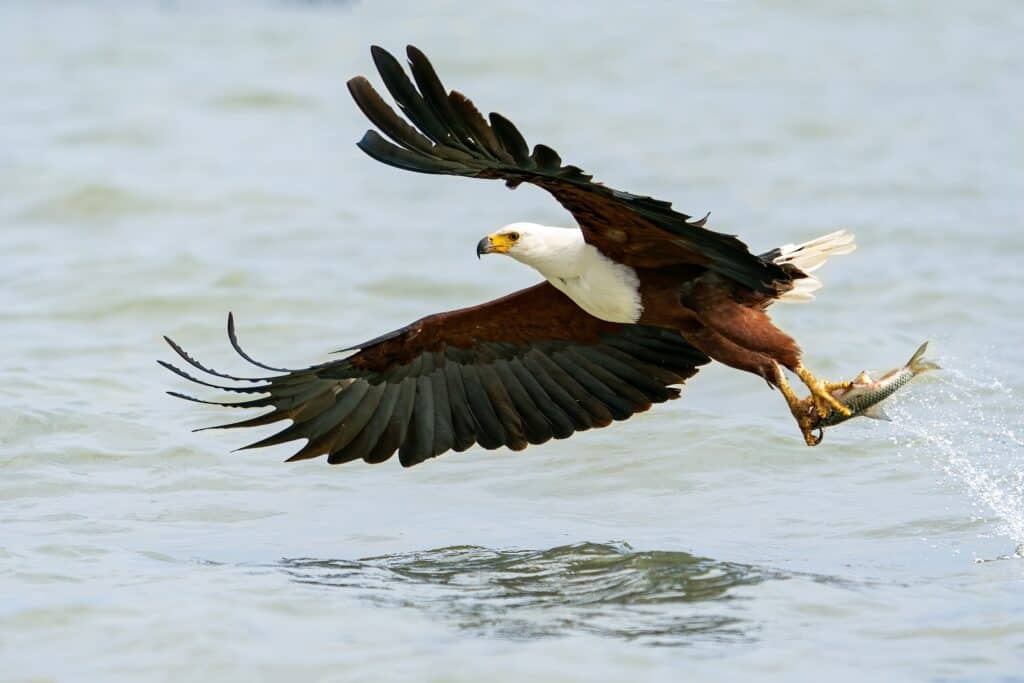
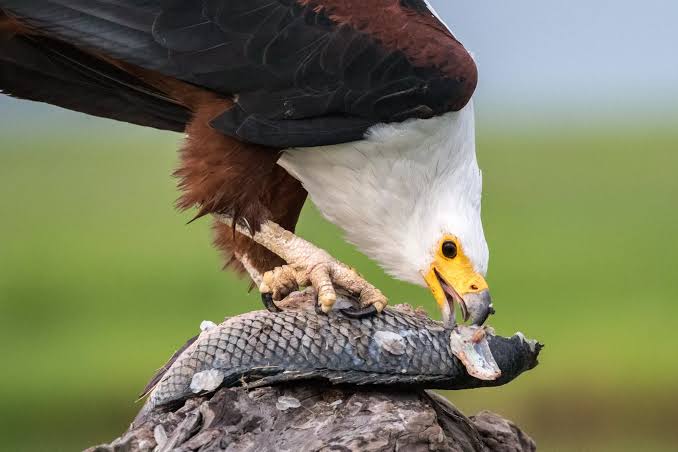
The African fish eagle is tied to water, where it finds most of its food and spends hours watching the surroundings from open branches. Its bold look makes it easy to spot. The adult has a brown body, white head and chest, a strong curved beak, and strong claws made for catching food. Against the plants and blue waters of Africa, its different colors make a picture that feels old-fashioned. Whether sitting quietly above a river or calling from a lakeside tree, this bird adds life to the area around it.
A Bird That Belongs to Africa’s Waters
In much of -Saharan Africa, the African fish eagle can be found near good freshwater areas. Big lakes, rivers, ponds, swamps, and flooded areas provide the conditions it needs to live. These places offer fish to eat, as well as tall trees, branches, and other high spots where the eagle can look over the water.
Watching the Water from Above
One of the interesting things about this eagle is the patience behind its way of hunting. Of always flying around looking for food it often sits quietly on a branch and looks at the water below. Its good eyesight helps it see movement from away. When the right chance comes the eagle jumps from its place. Moves quickly toward the surface.
Its way of hunting can be amazing. With wings out and claws in front it moves toward the water. Catches its food with great accuracy. Fish are a part of its food but the eagle can also take other types of food when chances come. Watching this process shows an idea about wildlife. Strength is important. Patience, timing and being alert are just as important.
The bird does not need to be the biggest to get attention. It can stay still for a time saving energy while waiting for the right time. Then in seconds the calm scene can change into a movement.
The Call That Defines the Wild
For people the most special part of this bird is its voice. The call of the fish eagle is often heard before the bird is seen making people feel excited, near the edge of the water. Its known sound has become connected with African wild areas and appears often in movies, nature films and wildlife recordings.
The African Fish Eagle is More Than a Sound
The African fish eagle sound has a special ability to change the atmosphere around the African fish eagle. Imagine sitting beside a lake in the early morning. Mist rests above the water birds move through the reeds and the landscape is beginning to wake. Suddenly an African fish eagle calls from a tree. The African fish eagle sound travels over the water. The entire setting seems to become more alive.
This is one reason the African fish eagle has become such a symbol of wild Africa. The African fish eagle call does not simply identify a fish eagle. The African fish eagle call contributes to the identity of the landscape itself. Once you learn to recognize the fish eagle call hearing that unmistakable cry can become one of the most exciting parts of spending time near African waterways.
The African fish eagle sound also reminds you that wildlife experiences are not always visual. A successful encounter with a fish eagle may begin with listening. Before reaching for binoculars or a camera you may first hear the African fish eagle calling somewhere beyond the trees. Following the fish eagle sound can lead to a rewarding discovery.
The African Fish Eagle is a Master of the Lakeshore
The African fish eagle is especially impressive when observed around African lakes. Countries like Uganda, Kenya, Tanzania, Zambia, Zimbabwe, Botswana and many other countries provide opportunities to encounter the fish eagle in suitable habitats. Uganda is particularly rewarding because of its network of lakes, rivers and wetlands.
Around Lake Victoria, Lake Albert, Lake Kyoga and other freshwater environments the African fish eagles can become parts of the scenery. The presence of fish eagles adds another layer of life to already remarkable landscapes. A boat ride may reveal a fish eagle perched above the shoreline while a walk near the water may produce the unmistakable call of an African fish eagle from somewhere nearby.
The African Fish Eagle is an Essential Part of the Food Web
Predatory birds like the fish eagle play an important role in healthy ecosystems. As hunters African fish eagles interact with fish populations and other aquatic and terrestrial species. The survival of fish eagles depends on functioning habitats that provide food, nesting locations and suitable perches.
The presence of fish eagles can therefore encourage greater appreciation for wetlands and freshwater environments. Protecting rivers, lakeshores, forests and surrounding vegetation benefits species at the same time. When these habitats remain healthy, birds, fish, insects, mammals, reptiles and plants continue to interact as part of a living system.
For anyone in African wildlife this creates an opportunity to see conservation differently. Protecting a species, like the African fish eagle often means protecting the places that support an entire community of life.
The Beauty of a Patient Hunter
There is something really inspiring about watching an African fish eagle wait. In a world where everything seems to move the African fish eagle can spend long periods doing almost nothing visible. The African fish eagle watches,. Waits until conditions are right.
Lessons from the Lakeside
That patience makes a wildlife encounter feel meaningful. You may spend minutes looking at an apparently empty branch before noticing the African fish eagle sitting perfectly still. You may wait beside the water without seeing any hunting action for the African fish eagle to suddenly take flight.
Such moments encourage observation. You begin noticing movements changes in the water calls from other birds and the direction of the African fish eagles gaze. The experience becomes less about finding something more about paying attention to what is already happening around you.
This is part of the pleasure of birdwatching in Africa. A quiet observation can become more memorable than a rushed sighting because you have taken time to understand the behavior of the fish eagle.
Where to Experience This Magnificent Eagle
If you want to see the fish eagle focus your search on freshwater habitats with mature trees and open views across the water. Boat trips can be particularly effective because they provide opportunities to scan rivers and lake edges without disturbing birds on the shoreline.
Uganda offers settings where the African fish eagle can be encountered. Murchison Falls National Park, Queen Elizabeth National Park, Lake Mburo National Park and the shores of Lake Victoria provide landscapes where freshwater birds are part of the wider wildlife experience.
In Kenya and Tanzania major lakes and river systems can also provide opportunities. Along the Rufiji River, Lake Naivasha, Lake Manyara and other productive waterways the presence of fish and suitable nesting habitats creates conditions for the African fish eagle.
The best approach is to give yourself time. Carry binoculars listen carefully. Scan exposed branches along the shoreline. Early mornings and late afternoons can be especially enjoyable because wildlife activity often combines with light and cooler temperatures.
Protecting the Sound of the Wild
The future of the fish eagle depends on healthy aquatic ecosystems. Pollution, habitat degradation, unsustainable fishing practices and the loss of vegetation can affect the environments that support the African fish eagle and countless others.
Conservation begins with recognizing the value of these places. Wetlands are not spaces waiting to be developed. Rivers and lakes support communities of wildlife and provide essential resources for people as well. Protecting them requires land use, careful management of fisheries protection of nesting areas and greater public awareness.
When you hear the African fish eagle calling across a lake you are hearing evidence of an ecosystem that still supports a predator. Preserving that sound requires preserving the habitat behind it.
A Lasting Symbol of African Wilderness
The fish eagle remains one of the continents most memorable birds because it combines beauty, power, behavior and sound in a single presence. The fish eagles white head stands out against dark feathers its talons reveal its strength and its hunting ability demonstrates extraordinary precision.
The African fish eagle represents something than a bird perched beside a lake. it represents the character of Africas freshwater landscapes, where water, forests, wetlands, fish and birds exist in interaction. Seeing the African fish eagle can inspire you to slow down and observe. Hearing the fish eagle can make a familiar landscape suddenly feel wild again.
For anyone exploring Africa the experience is worth seeking. Find a stretch of shoreline look toward the highest branches and listen. The African fish eagle may reveal itself first through its voice. When the African fish eagle finally appears above the water wings spread against the sky you will understand why the African fish eagle has become such an enduring symbol of the continent.
The African fish eagle reminds us that some of the powerful wildlife experiences begin with something simple: a sound carried across the water. The fish eagles call can awaken curiosity encourage conservation and create memories that remain long after the journey ends. In the landscapes of Africa few voices are as instantly recognizable and few moments are as rewarding, as looking up after hearing that call and discovering the magnificent African fish eagle responsible.