Uganda’s Best Birding Guides and How to Choose One
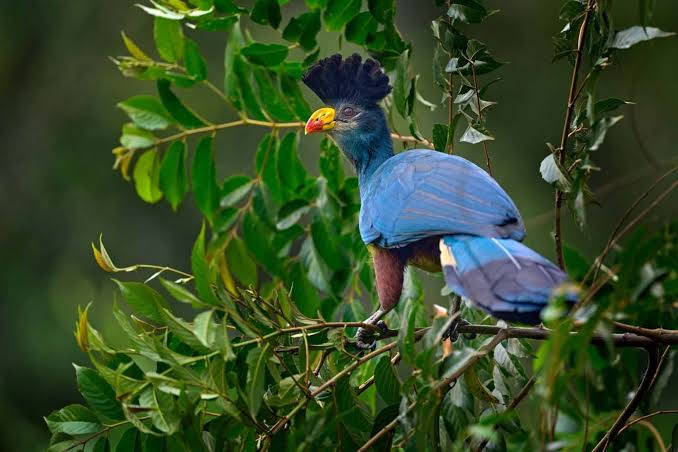
Uganda is a place to see birds in their natural homes. You can find them around Lake Victoria or in the forests of the Albertine Rift. Uganda has a lot of landscapes and many types of birds. You can see a shoebill standing quietly in the papyrus. You can follow the sounds of turacos in the old forest. You can also look for bee-eaters and rollers in the savannah. To see these birds, you need more than just to be in the right place. A good guide can make your trip really special.
Finding Uganda Best Birding Guides and How to Choose One is a part of planning a good birding trip. A good guide knows where to find birds how they behave what sounds they make and how to walk in the woods without scaring the birds. A good guide can also help you slow down and notice things you might miss.
Why a Good Guide Makes Such a Difference
Uganda has a lot of birds. Over 1,000 types. This is exciting. It can also make planning hard. Different birds like homes and some birds are really hard to find without help from someone who knows the area.
A guide who knows the area can save you a lot of time looking for birds. In the forest a bird might be high up in the trees and far away. A good guide can hear the bird. Know where to look. In the wetlands the guide can show you where the birds like to eat.
A good guide is not about finding birds. Ugandas forests, wetlands, lakes, rivers and savannahs are all special. A good guide can tell you about these places. How people live with the birds.
The best guides also know that everyone is different. Some people want to see the famous birds in Uganda and some people want to see birds that are only found in the Albertine Rift. Some people like taking pictures. Some people like listening to the birds. Your guide should be able to make the trip special for you.
What Makes a Great Birding Guide?
When you are looking for Ugandas Best Birding Guides and How to Choose One you should think about how experience they have. Experience means that the guide has spent a lot of time watching birds and knows how they behave.
A good guide should be able to tell what bird it is by looking or listening. This is especially important, in the forest where you can not see all the birds. Sometimes you can only hear the bird. See a flash of color.
Knowing the birding spots is also important. Uganda has great places to see birds, like Mabamba Swamp, Murchison Falls National Park, Queen Elizabeth National Park, Kibale Forest National Park, Bwindi Impenetrable National Park, Mgahinga Gorilla National Park, Semuliki National Park, Lake Mburo National Park and the Entebbe area.
Each place is special. Has different birds. A guide who knows one area well can show you the best trails, where the birds like to eat and what sounds they make. This can make a difference when you are looking for birds that are hard to find.
When you go birding you need to have patience and good field skills.
Birding is an activity that requires you to be patient because a guide who is always in a hurry will not help you see birds.
Birds can show up when you are not expecting them like after waiting for a minutes.
A good guide will listen to you look at the trees and bushes and give you time to watch the birds.
They will also explain what you are seeing of just telling you the name of the bird and moving on.
Good field skills are important too.
Your guide should know how to move the group without blocking the way disturbing the birds that are eating or making much noise.
If you want to take pictures of the birds the guide should know how to help you get a view without getting too close.
If you want to choose a guide for your birding trip you need to think about what you want to get out of it.
What you want to do should help you decide who to choose.
If you want to see many birds as possible look for a guide who is good at identifying birds and has been to many places.
If you want to take pictures of birds choose a guide who knows about photography and will give you time to take your pictures.
If you are really interested in birds that live in the forest consider a guide who often goes to places like Bwindi, Kibale, Mgahinga or Semuliki.
These forests can be hard to navigate. A guide who knows them well can make a big difference.
If you are interested in birds that live in wetlands look for a guide who knows about places like Mabamba Swamp and other wetlands around Lake Victoria.
Birding in wetlands often requires knowing about water levels, plants, boat routes and where the birds eat.
You should also tell your guide if there are birds you want to see.
For example if you really want to see a shoebill tell your guide before the trip so they can plan the itinerary to give you time to look for it.
Before you book a guide ask them some questions.
One of the ways to find a good guide is to ask them questions before you confirm your trip.
A good guide should be able to tell you where you will go what kind of habitats you will visit how long you will stay in each place and what kind of birding experience you can expect.
Ask your guide how long they have been leading birding trips.
You can also ask if they use books about birds, binoculars, recordings of bird calls or other tools to help them.
It is also an idea to ask about the size of the group.
A smaller group is better because everyone can hear the birds see them through binoculars and move quietly through the habitats.
Larger groups can be fun too. They require more planning.
Ask about transportation too.
Some birding places require drives while others need you to walk take a boat or leave early in the morning.
Knowing the details ahead of time helps you prepare.
Consider the guides knowledge of the community.
A good guide should understand the people who live near the birding destinations in Uganda.
Many important habitats need the help of conservation groups, tour operators, landowners and residents.
Guides who work with communities can tell you more about the places you visit.
They may know paths, community projects what the weather is like at different times of the year and traditional knowledge, about the land.
Choosing a guide who supports jobs can also help make sure that tourism helps the people who live near the habitats.
Your trip will be more meaningful when you know that conservation is connected to the lives of the people who live there and how they take care of the land.
When you are looking for a birding guide do not just check the reviews
Reviews can help you find a guide but they are not the only thing you should look at. You should look for comments that talk about the guides ability to identify birds if they are on time if they are patient if they can communicate well and if they know the area.
Pay attention to what people keep saying about a guide. If a lot of people say that a guide is really good at recognizing bird calls or knows a lot about a forest that is useful information.
But remember every birding trip is different. One person might say a guide is bad because they did not see a lot of birds. That might be because of the weather. Another person might think the same trip was great because they saw a bird.
The best guide is not always the expensive one. You should think about the price. It is not the only thing that matters. A cheap trip might not be good because the guide does not know enough or the trip is not well planned. On the hand a more expensive trip is not always better.
You should ask what the price includes
Does it include transportation, park fees, a place to stay, food, boat trips and the guides services? If you know what the price includes you can compare trips and find the best one.
You should also talk to the guide about what you will do on the trip. A good guide will tell you what you can really expect to see not just promise you a lot of birds. Birding is about luck and the weather and the time of year so you should have expectations. If a guide is honest with you that is a sign.
Once you choose a guide you can make the trip better by being prepared. You should bring the clothes, comfortable shoes, sunscreen, bug spray, water and a notebook or phone to write down what you see.
You will need binoculars to see the birds. A camera can be useful too. Do not just take pictures enjoy the birds. It is an idea to learn about some of the common birds before you go. If you know a bit about turacos, kingfishers, hornbills, weavers, sunbirds, rollers and storks it will be easier to identify them.
The important thing is to be patient. Sometimes you will see a lot of birds. Sometimes you will not see any.. If you wait you might see something really special.
The great thing about birding in Uganda is that every trip can be different. The right guide for you will depend on where you’re going what you want to see and how much you know about birds. A good guide can show you more than a list of birds they can teach you about the birds and their habitats.
Uganda is a place to go birding
You can start near Entebbe. See birds in the gardens and wetlands then go to the forests in the west and finally see the birds in the savannah. If you have a guide who knows what they are doing they can show you the places to go and when to wait for the birds.
Choosing a guide is a part of planning your trip. You should take your time. Ask questions check the guides experience and make sure they know about the birds and places you want to see.
The right guide can help you see things you would not have seen on your own like a bird in the trees or a call in the distance. They can help you appreciate the beauty of the birds and the places they live.
Whether you are looking for a shoebill, a turaco or a kingfisher Uganda is a place to go birding. With the guide you will have a great time and see a lot of amazing birds. You will remember your trip, for a time and you will want to go back and see more.