An Unexpected Delay in the African Wilderness
One of the first things many people learn on an African safari is that wildlife has the right of way. Unlike city roads where traffic lights, road signs, and impatient drivers control the flow of vehicles, roads through national parks follow a different set of rules. Here, elephants decide when they want to cross, giraffes stroll across tracks without urgency, and a pride of lions may choose the middle of the road as the perfect place for an afternoon nap.
On one memorable safari, however, it was not elephants or lions that brought traffic to a complete standstill. It was a large herd of zebras.
What was expected to be a short drive between two game viewing areas turned into an hour-long wildlife encounter as dozens of plains zebras gathered along the road and refused to move. At first, everyone assumed they would cross within a few minutes. Instead, they lingered, grazed, interacted with one another, and completely ignored the growing line of safari vehicles waiting patiently behind them.
Far from being frustrating, the delay became one of the most enjoyable wildlife experiences of the trip.
A Morning Drive That Took an Unexpected Turn
The day had started early, just after sunrise. The cool morning air made wildlife more active, and the soft golden light created ideal conditions for photography. Birds filled the air with calls while impalas grazed quietly near the road. A family of warthogs hurried across the track with their tails pointing straight into the air, and giraffes browsed on fresh acacia leaves in the distance.
Everything suggested it would be a typical morning game drive.
About thirty minutes into the journey, our guide slowed the vehicle and pointed ahead.
A large group of zebras had gathered near the roadside.
At first, nothing seemed unusual. Zebra crossings are common throughout Africa’s protected areas. Most herds pause briefly, check their surroundings, and continue moving across the road before disappearing into the grasslands.
This herd had different plans.
The Herd Simply Would Not Move
The first few zebras stepped onto the road before stopping completely. Others followed, forming a loose line across the track. Some stood in the middle of the road while others lowered their heads to graze on the fresh grass growing along the edges.
Within minutes, more zebras arrived.
The small group quickly became a much larger herd, stretching from one side of the savannah to the other. Vehicles approaching from both directions stopped at a respectful distance.
Nobody sounded their horn.
Nobody attempted to drive through the herd.
Everyone simply waited.
The zebras appeared completely relaxed. Foals walked close to their mothers while young males occasionally chased one another in playful bursts of energy. Adult stallions watched over the herd, occasionally lifting their heads to scan the surrounding landscape before returning to feed.
Why Zebras Gather Near Roads
Although it may seem unusual, roadside gatherings are not uncommon in African national parks.
Roads often cut through open grasslands where vegetation grows differently from the surrounding landscape. Rainwater may collect along road edges, creating patches of greener grass that attract grazing animals. The open space also provides excellent visibility, allowing zebras to detect approaching predators more easily.
For prey animals, being able to see danger from a distance is an important survival advantage.
The road itself also creates a clear travel corridor. Rather than pushing through thick vegetation, many animals naturally follow open paths that require less energy to navigate.
To human visitors, it may appear that wildlife is blocking traffic.
From the zebras’ perspective, they are simply using part of their habitat.
Watching Zebra Family Life Unfold
With nowhere to go, everyone in the safari vehicles had time to observe details that would normally be missed during a quick wildlife sighting.
The herd was made up of several family groups.
Each group consisted of a dominant stallion, several mares, and young foals of different ages. The stallions remained alert while the mares focused on grazing and caring for their young.
The foals provided endless entertainment.
Some attempted short races across the road before quickly returning to their mothers. Others practised playful kicks with their siblings, gradually developing the strength and coordination they would one day need to escape predators.
Every few minutes, one youngster would wander slightly too far away before its mother gently guided it back toward the safety of the family group.
The close bond between mothers and foals was impossible to miss.
Every Zebra Has a Unique Pattern
While the herd remained on the road, our guide encouraged everyone to study the zebras carefully.
“No two are exactly alike,” he explained.
At first glance, every zebra appears identical.
Looking more closely revealed countless differences.
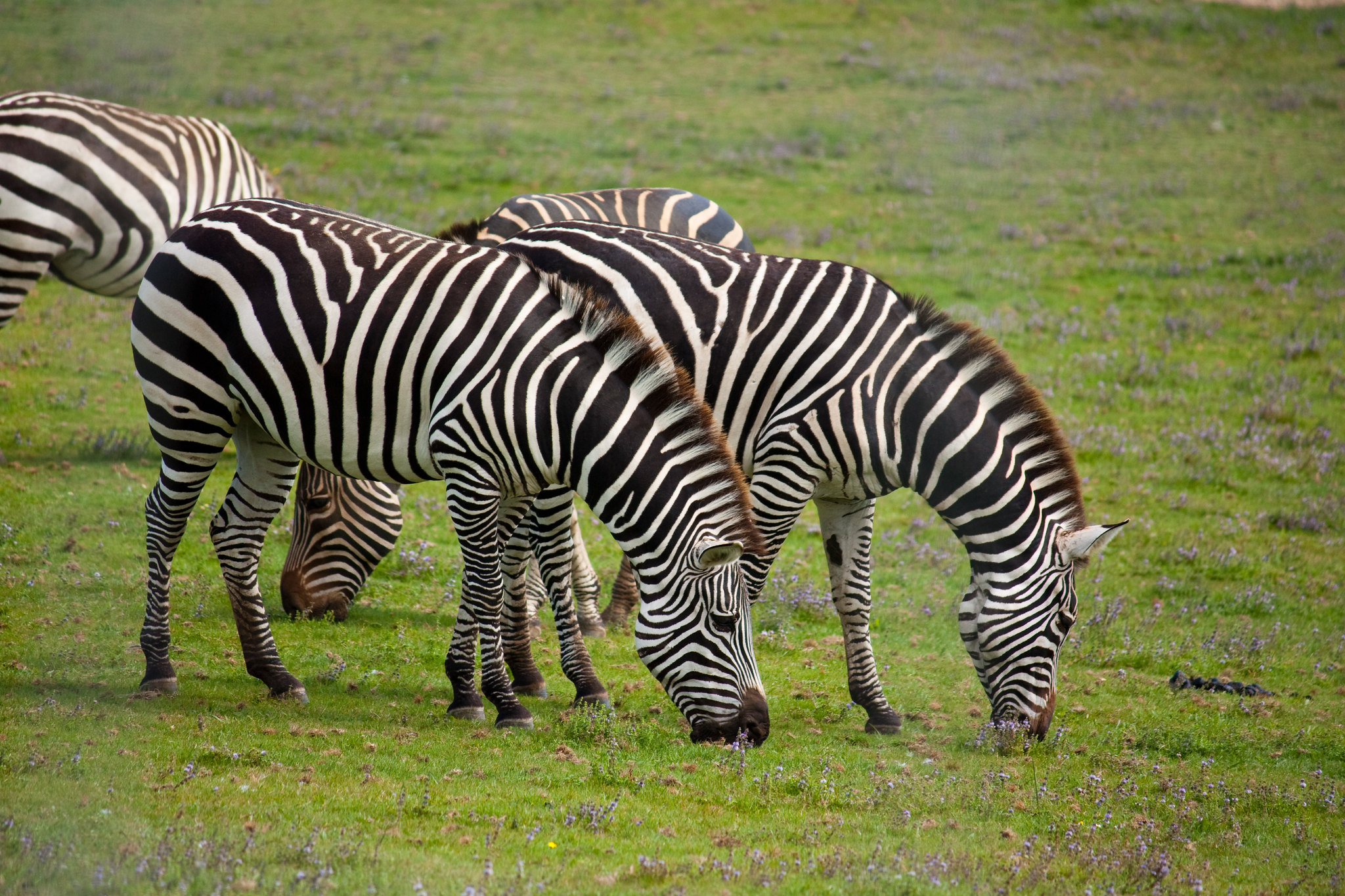
Some animals had broad stripes that curved dramatically around their shoulders. Others displayed thinner patterns that continued down their legs. Small variations appeared around the face, neck, and hindquarters.
Scientists often compare zebra stripe patterns to human fingerprints because every individual has its own unique design.
Researchers sometimes use high-quality photographs of these stripe patterns to identify and monitor individual animals over many years.
The longer we watched, the easier it became to distinguish one zebra from another.
Patience Is Part of Every Safari
One visitor quietly asked how long we might have to wait.
Our guide smiled.
“As long as the zebras decide.”
That simple answer captured one of the most important principles of responsible wildlife tourism.
Safari experiences are not performances arranged for visitors. Animals follow their own routines without concern for schedules, timetables, or travel plans.
Good safari guides understand that respecting wildlife always comes before convenience.
Approaching too closely, revving engines, or attempting to force animals away from the road creates unnecessary stress and can place both wildlife and people at risk.
Instead, experienced guides remain patient and allow nature to unfold naturally.
The waiting itself became part of the adventure.
More Wildlife Arrives
As the vehicles remained stationary, other animals began appearing around the area.
A group of impalas cautiously approached before deciding to graze nearby. Several helmeted guineafowl searched for insects disturbed by the zebras’ hooves. Oxpeckers landed on a few zebras, carefully removing ticks from their coats.
High above, a martial eagle circled slowly in the morning sky.
The roadside had become a gathering place for multiple species, each taking advantage of the peaceful conditions created by the stationary herd.
Without the traffic delay, most visitors would have driven straight past these smaller wildlife interactions.
Instead, everyone enjoyed a front-row seat to the everyday rhythms of the savannah.
The Importance of Zebra Herds
Living in groups provides zebras with several important advantages.
A large herd contains many pairs of eyes watching for danger. When one animal notices a predator, the entire group can react within seconds. This shared vigilance reduces the chance of an individual being caught by surprise.
Young foals also benefit from herd life. They grow up surrounded by experienced adults, learning where to find food, when to travel, and how to respond to threats.
Predators such as lions often find it more difficult to isolate a single zebra from a tightly packed herd. The moving stripes can create visual confusion during a chase, giving individuals a better opportunity to escape.
Although the roadside gathering delayed traffic, it demonstrated the strength of zebra social behaviour.
The Moment the Road Finally Cleared
Nearly an hour after the first zebras stepped onto the road, the herd finally began moving.
There was no obvious signal.
One mare started walking toward the opposite side of the grassland. Another followed.
Within moments, the entire herd slowly drifted away from the road as if responding to an unspoken agreement.
The vehicles remained stationary until the final foal disappeared into the tall grass.
Only then did engines start quietly, and the safari continued.
No one complained about the delay.
In fact, many visitors agreed it had been one of the best wildlife encounters of the entire trip.
Why Moments Like These Stay With You
Many people travel to Africa hoping to witness dramatic predator hunts or close encounters with the Big Five. Those experiences are unforgettable, but some of the most meaningful safari memories come from simple moments that cannot be planned.
Watching a herd of zebras completely ignore a line of waiting vehicles reminds visitors that national parks exist for wildlife first and tourism second. Animals continue living according to natural rhythms that have existed for thousands of years.
For one hour, the usual expectations of travel disappeared.
There were no deadlines, no traffic lights, and no impatient drivers.
There were only zebras, fresh grass, open plains, and the privilege of observing wildlife exactly as it should be.
Long after the safari ended, the memory of that roadside herd remained stronger than many faster, more dramatic sightings. Sometimes the best part of an African adventure is not reaching the next destination quickly. Sometimes it is simply waiting while nature takes its own time.