
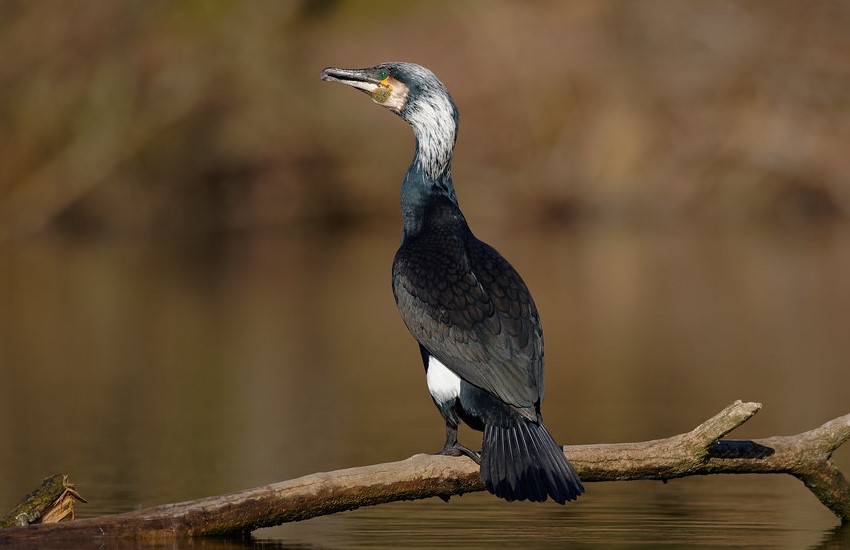
Birdwatching Safari at Mabira Forest Reserve, Mabira Forest Reserve in Uganda, is an excellent place for birding safaris; the forest is easily accessible via the Kampala-Jinja highway and is located in the Bukwe region. It is easily accessible to both local and foreign birding lovers since it is only 54 kilometers from Kampala, Uganda’s capital. The forest encompasses an area of around 306 square kilometers, providing ample habitat for a varied range of bird species. The forest has a diverse range of ecosystems, including primary rainforest, secondary forest, wetlands, and grasslands. Each habitat has its own distinct bird species, allowing birdwatchers to explore new habitats and witness a diverse range of birds.
Mabira Forest Reserve is home to a broad range of bird species, and it provides an ideal chance for birdwatchers to immerse themselves in the fascinating world of bird wonders. Birding at Mabira Forest Reserve is an experience you’ll remember for a lifetime. The forest supports around 300 bird species, and its various ecosystems provide habitat for both forest and woodland birds. Expect to see species like the spectacular African Grey Parrot, the stunning Nahan’s Francolin, and the vivid Blue-throated Roller on your birding tour at Mabira Forest Reserve.
Uganda is recognized as the “Pearl of Africa” because of its breathtaking natural beauty and amazing biodiversity. Birdwatchers from all over the world travel to Uganda to enjoy the thrill of witnessing uncommon and interesting bird species. Uganda is a bird lover’s paradise, with over 1,000 bird species, including some of the world’s most sought-after birds.
List of birds in the Mabira Forest Reserve
African openbill, African wolly-necked stork, marabou stork, yellow-billed stork abdim’s stork, African darter, long-tailed cormorant, great cormorant, great white pelican, hamerkop, shoebill, black-crowned night heron, black heron, little egret, striated heron, western cattle egret, yellow-billed egret, greater egret, squacco heron, Gray heron, purple heron, black-headed heron, glossy ibis, African sacred ibis, hadada ibis, African harrier-hawk, palm-nut vulture, banded snake-eagle, bat hawk, hooded vulture, lizard buzzard, Cassin’s hawk-eagle, African goshawk, little sparrowhawk, African fish-eagle, African wood-owl, pearl-spotted owlet, spotted eagle-owl, green woodhoopoe, crowned hornbill ,African Grey Parrot, striking Nahan’s Francolin, Blue-throated Roller, freckles nightjar, mottled spinetail, Sabine’s spinetail, Cassin’s spinetrail, scarce swift, common swift, little swift, African palm swift, white-rump swift, latham francolin, crested francolin, scaly spurfowl, Nahan’s partridge, helmeted guineafowl, western crested guineafowl, white-faced whistling duck, Egyptian goose, yellow-billed duck, Eurasian moorhen, white-spotted flufftail, buff-spotted flifftail, Gray crowned- crane, three-banded plover, wattled lapwing, common sandpiper, green sandpiper, Gray-hooded gull, white-winged tern, Great blue turaco, black-billed turaco, ross’s turaco, bare-faced go-away bird, eastern plantain-eater, red-chested cuckoo, black cuckoo, African cuckoo, bleu-headed coucal, white-browed coucal, blue malkoha, klaas’s, African emerald cuckoo, dideric cuckoo, dusky long-tailed cuckoo, black-bellied bustard, rock pigeon, speckled pigeon, lemon dove, mourning collared-dove, red-eyed dove, ring-necked dove, laughing dove, tambourine dove, African green-pigeon, fiery-necked nightjar, swamp nightjar, and many more.
Packing list for the bird safari at Mabira Forest Reserve.
When planning a birding safari in Mabira Forest Reserve, it is critical to pack carefully to ensure you have everything you need for a fun and comfortable trip in the forest. Birders are recommended to bring items such as binoculars to allow you to spot far-distance birds up close, a field guide specific to the birds of Uganda or East Africa to help you identify the species you encounter, a notebook and a pen to jot down the birds you see, a camera to capture interesting bird species, sturdy and comfortable boots, rain gear, insect repellent, long-sleeved shirts, long pants, enough drinking water and snacks to keep you hydrated, and sun protection.
Why Mabira’s Proximity to Kampala Makes It Genuinely Convenient
Given its location just 54 kilometers from the capital along the Kampala-Jinja highway, Mabira offers travelers a genuinely accessible birding destination that doesn’t require the extensive travel time many of Uganda’s other forest reserves demand. All in Africa Safaris can build a Mabira birding day into even a short Uganda itinerary.
Why the Forest’s Habitat Diversity Matters for Birders
Since Mabira spans primary rainforest, secondary forest, wetlands, and grassland within a single reserve, birders genuinely benefit from exploring multiple habitat types in one visit rather than needing to travel between separate ecosystems to build a varied species list.
What Makes the African Grey Parrot Sighting Special
Given the African Grey Parrot’s popularity and genuine conservation concern due to wildlife trade pressure, spotting this species in its natural forest habitat at Mabira offers a particularly meaningful sighting for travelers who associate the bird primarily with captivity.
Best Time of Day for Birding at Mabira
Early morning hours generally offer the most active bird behavior and clearest sightings, making a dawn departure from Kampala or a nearby overnight stay genuinely worthwhile for birders prioritizing the best possible viewing conditions.
Why Nahan’s Francolin Draws Dedicated Birders Specifically
As a genuinely localized and sought-after species within the region, Nahan’s Francolin’s presence at Mabira makes the reserve a specific pilgrimage site for serious birders building a comprehensive East African species list. All in Africa Safaris can connect you with guides specifically experienced in locating this species.
Combining Mabira With a Jinja-Based Itinerary
Given its position along the Kampala-Jinja highway, many travelers combine a Mabira birding morning with Jinja’s tubing and rafting activities, building a genuinely varied day that pairs forest birding with Nile-based adventure. All in Africa Safaris can sequence this combination into a single well-paced day trip.
Why a Knowledgeable Local Guide Considerably Improves Your Sightings
Given the sheer number of species present and how easily many forest birds blend into dense canopy, guides intimately familiar with Mabira’s specific calls and habitat patterns dramatically improve your odds of identifying and observing the reserve’s more elusive residents.
What a Typical Mabira Birding Walk Involves
A standard birding excursion involves a guided walk along established forest trails lasting several hours, with frequent stops as your guide identifies calls and points out perched or foraging birds along the route.
Why Mabira Rewards Both Casual and Serious Birders
Unlike some of Uganda’s more remote birding destinations requiring genuine expertise and endurance, Mabira’s accessible trails and rich species diversity make it genuinely rewarding for casual travelers curious about birding alongside dedicated species-list birders.
Understanding Uganda’s Broader Reputation for Birding
With over 1,000 recorded species nationwide, Uganda consistently ranks among Africa’s premier birding destinations, and Mabira’s convenient location makes it a genuinely accessible entry point into this broader reputation for travelers with limited time.
Photography Considerations for Forest Birding
Dense canopy cover means lower light conditions than open savannah photography, making a lens with strong low-light performance and a comfortable, stable shooting position genuinely valuable additions to your gear for a Mabira birding trip.
Why Rainforest Conditions Shape What You Should Pack
Given Mabira’s genuine rainforest character, unpredictable showers and consistently humid conditions make rain gear and moisture-wicking clothing worth prioritizing over standard savannah safari packing lists.
Combining Birding With Broader Forest Conservation Awareness
Beyond the birds themselves, Mabira’s status as one of Uganda’s significant remaining forest reserves offers context worth understanding, since ongoing conservation efforts here directly protect the habitat supporting this remarkable species diversity.
Best Season for a Mabira Birding Safari
While birding at Mabira is rewarding year-round, the drier months generally offer more comfortable trail conditions, though the forest’s wetland areas remain active with species regardless of season.
Why This Destination Suits Short Layovers in Kampala
Travelers with a spare day before or after their broader Uganda safari can genuinely make excellent use of Mabira’s proximity to Kampala, turning otherwise unused transit time into a rewarding birding excursion. All in Africa Safaris can arrange this kind of efficient add-on around your existing travel dates.
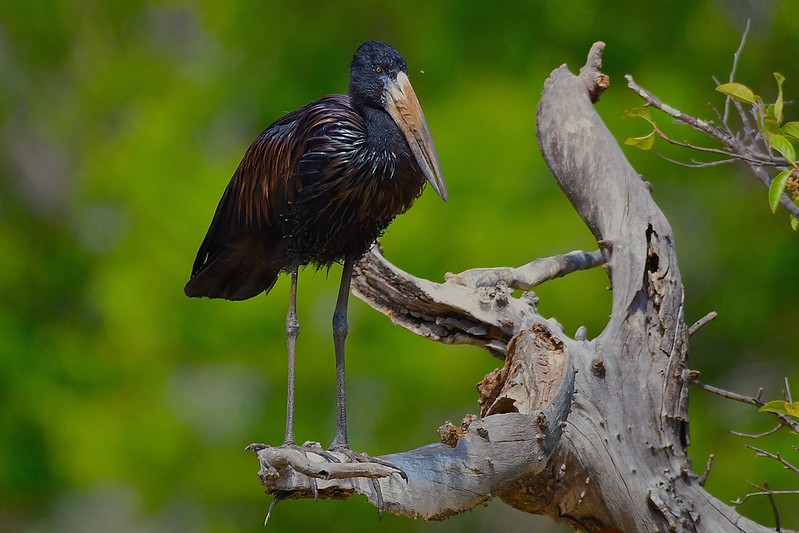
Why the Shoebill Sighting Here Surprises Many Visitors
While the shoebill stork is more commonly associated with wetland destinations like Mabamba Swamp, its presence within Mabira’s diverse habitat mix offers a genuinely welcome bonus opportunity for birders who might not have expected this species at a forest reserve.
How Mabira Compares to Uganda’s Other Birding Destinations
Compared to more remote destinations like Semliki National Park or Bwindi’s forest edges, Mabira’s considerably easier access trades some species exclusivity for genuine convenience, a trade-off that suits travelers without the time for a dedicated multi-day birding expedition. All in Africa Safaris can help you weigh Mabira against Uganda’s other birding destinations for your itinerary.
Why a Field Guide Genuinely Enhances Your Experience
Given the sheer number of species present at Mabira, bringing a dedicated East African bird field guide alongside your guide’s expertise helps you actively participate in identification rather than relying entirely on verbal descriptions in the moment.
Why Group Size Affects Birding Quality
Smaller birding groups genuinely move more quietly and can reposition faster toward a called-out sighting than larger tour groups, making group size worth confirming when booking if maximizing sighting quality matters more to you than a social group atmosphere.
Planning Your Mabira Forest Birding Safari
From the spectacular African Grey Parrot to the sought-after Nahan’s Francolin and hundreds of other species across four distinct habitats, Mabira Forest Reserve delivers a genuinely rewarding birding experience within easy reach of Kampala. All in Africa Safaris can turn this overview into a fully confirmed itinerary tailored to your travel dates, bringing you face to face with one of Uganda’s most accessible birding treasures.



No comment