
What time do game drives start and finish?
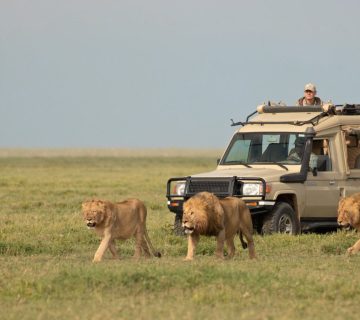
game drives are among the most exciting parts of an african safari, giving travellers the opportunity to observe lions, elephants, leopards, giraffes, zebras, buffaloes and many other animals in their natural habitats. however, knowing when game drives start and finish helps you plan your safari, choose suitable accommodation, prepare for early mornings and make the most of your time in the national parks.
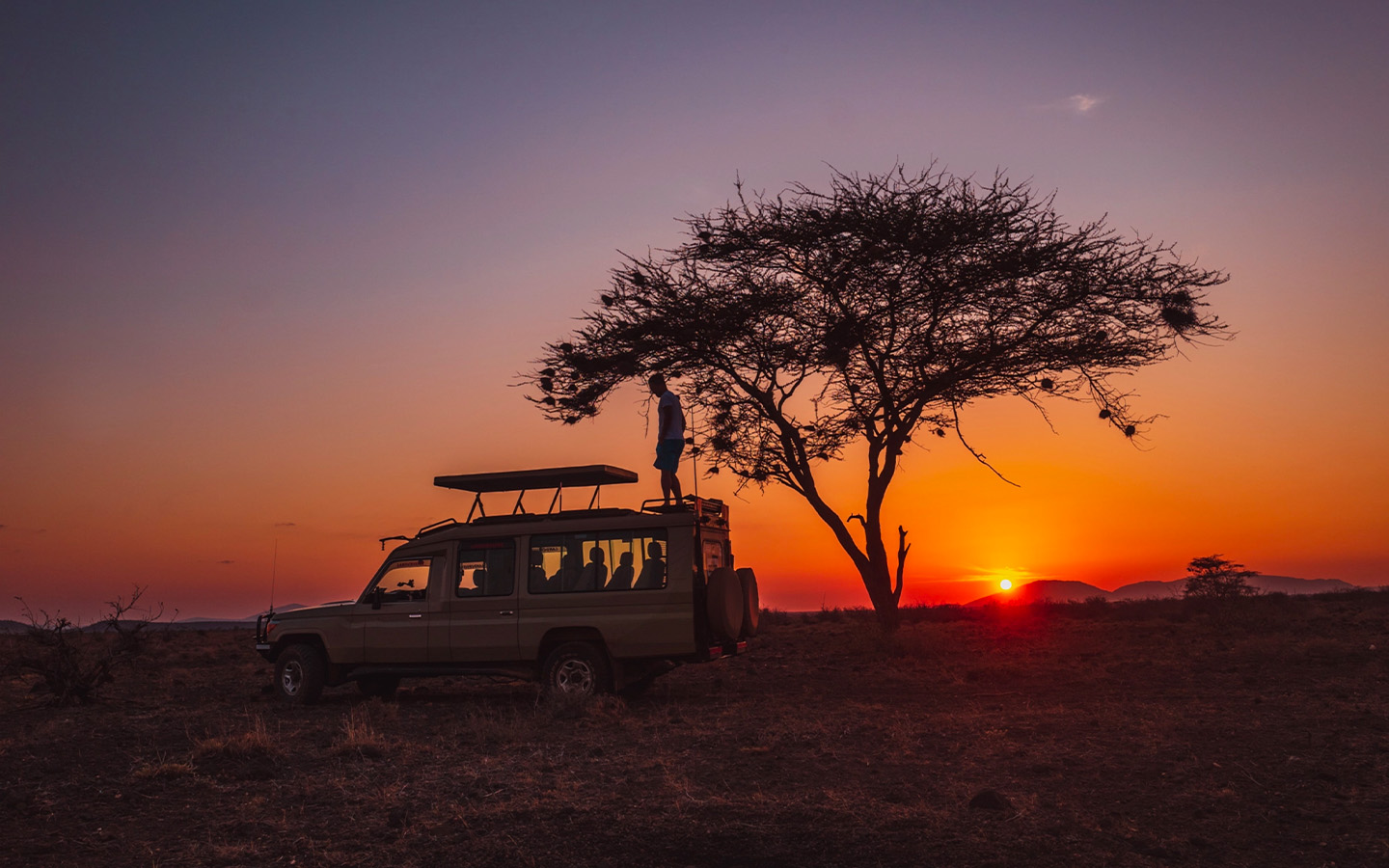
in east africa, most traditional safari itineraries include a morning game drive and an afternoon game drive. morning drives commonly begin between 5:30 am and 6:30 am, while afternoon drives usually depart between 3:00 pm and 4:00 pm. the morning excursion often finishes between 9:00 am and 10:30 am, while the afternoon drive generally continues until sunset or the time required to return to camp.
these are typical schedules rather than fixed times for every destination. the exact departure and return times depend on the national park, the season, sunrise and sunset, accommodation location, park regulations and the arrangements made with your safari operator. some drives last two hours, while others continue for four hours or longer. full-day game drives can keep you in the park for most of the day.
whether you are planning a safari in uganda, kenya, tanzania or rwanda, understanding the daily schedule helps you organise meals, photography, transfers and other activities without missing valuable wildlife-viewing opportunities.
What time do morning game drives start?
morning game drives usually start shortly before or around sunrise. in many east african safari destinations, departure times fall between 5:30 am and 6:30 am, although some operators leave earlier or later depending on local conditions and park access rules.
if your game drive begins at 6:00 am, you may need to wake up around 5:00 am or earlier. your lodge might provide tea, coffee and a light snack before departure, especially when the dining room is not yet serving a full breakfast. some camps arrange packed breakfasts for guests who plan to remain in the park for several hours.
the early start is worthwhile because wildlife behaviour often changes throughout the day. lions may still be moving after hunting during the night, leopards may be active before temperatures rise, and elephants may travel between feeding areas and water sources. birds can also be particularly active during the early hours.
morning light is another advantage. photographers often appreciate the softer light around sunrise, which can help produce detailed images without the harsh shadows associated with midday sunshine.
however, wildlife sightings are never guaranteed at a particular time. animals may be resting, feeding in dense vegetation or moving away from the roads. an early departure gives you more time to explore suitable habitats, but patience remains essential.
before travelling, ask your safari operator when the vehicle will leave the lodge and whether you should have breakfast before departure. this helps you avoid delays and ensures that you are ready when the guide arrives.
When do morning game drives finish?
most morning game drives last approximately three to four hours, although the duration varies according to the destination, wildlife sightings and itinerary.
a drive that begins at 6:00 am might return to the lodge between 9:00 am and 10:00 am. some excursions finish later, particularly when the guide finds interesting wildlife or the route covers a large area.
during the drive, your guide may stop to observe elephants feeding, lions resting, giraffes browsing or birds moving through the landscape. if a leopard is spotted, guests may spend additional time watching its behaviour, provided that park rules and other wildlife-viewing considerations allow it.
the return time also depends on the distance between the viewing area and the accommodation. a camp located inside or close to the park may allow guests to return quickly, while accommodation outside the park can require additional driving.
after the morning drive, many lodges serve breakfast or brunch. guests can then relax, swim, read, enjoy the scenery or prepare for the afternoon activity.
some travellers prefer a shorter morning excursion because they have young children, want to rest or have another activity planned. others choose a longer drive to maximise their chances of seeing different animals.
if you have a particular wildlife priority, such as lions, leopards or elephants, discuss it with your guide before departure. the guide can help plan a suitable route without promising sightings that cannot be guaranteed.
What time do afternoon game drives start?
afternoon game drives usually begin between 3:00 pm and 4:00 pm. some camps arrange departures slightly earlier or later, depending on the park, the season and the distance to the wildlife-viewing area.
guests often have lunch at the lodge before resting during the warmest part of the day. afternoon tea, coffee or a light snack may be served before the vehicle leaves.
the afternoon schedule gives travellers another opportunity to observe wildlife after spending several hours relaxing at the accommodation. as temperatures begin to fall, some animals become more active, and the changing light can create excellent conditions for photography.
elephants may emerge from shaded areas to feed, herbivores may move across open grasslands, and predators may begin preparing for evening activity. lions often spend much of the day resting, while leopards may become more active as the afternoon progresses.
the timing of the drive is particularly important because most national parks have rules governing when vehicles must leave wildlife-viewing areas or return through the gates. your guide will plan the excursion around these requirements.
if you are staying outside a park, confirm the departure time carefully. travelling from the lodge to the entrance can take longer than expected, especially where roads are rough or the accommodation is far from the main gate.
When do afternoon game drives finish?
afternoon game drives usually finish around sunset, although the precise return time depends on local regulations and the location of the camp.
a drive departing at 3:30 pm may return around 6:00 pm or 6:30 pm. in some destinations, the schedule may be shorter or longer depending on the season, daylight hours and park access arrangements.
the final part of the drive can be especially rewarding. the light becomes warmer, temperatures begin to fall and some animals become more active. photographers may have opportunities to capture elephants against the evening sky, giraffes moving across the savannah or predators walking through grassland.
nevertheless, guides must follow local rules. visitors should not assume that a daytime game drive can continue after dark simply because wildlife is still active. many national parks restrict ordinary game viewing after closing time, and vehicles must return according to the applicable regulations.
night game drives are available in certain private conservancies, designated areas and properties where they are permitted. these excursions are different from standard afternoon drives and may require a specialised guide, separate booking or additional payment.
when planning your safari, ask whether the advertised return time means arriving back at the lodge or leaving the park. this distinction can matter if you have dinner reservations, a transfer or another activity arranged for the evening.
Typical game drive schedule in east africa
although schedules differ between operators, the following table provides a practical example of how a traditional safari day may be organised.
| Activity | Typical time |
|---|---|
| Wake up and have a light drink | 5:00 am to 5:30 am |
| Morning game drive begins | 5:30 am to 6:30 am |
| Morning drive finishes | 9:00 am to 10:30 am |
| Breakfast and relaxation | 9:30 am to 12:00 pm |
| Lunch and rest | 12:00 pm to 3:00 pm |
| Afternoon game drive begins | 3:00 pm to 4:00 pm |
| Afternoon drive finishes | Around sunset, often 6:00 pm to 6:30 pm |
| Dinner at the lodge or camp | Usually in the evening |
this is an illustrative schedule, not a universal timetable. some lodges serve breakfast before the morning drive, while others provide breakfast after guests return. full-day excursions may include a packed lunch and remain in the park through midday.
the actual schedule can also change with the season, park opening hours, the location of the accommodation and the activities included in your safari package.
Do game drive times differ between uganda, kenya, tanzania and rwanda?
yes. although the general pattern of morning and afternoon game drives is similar across east africa, the exact schedule varies between destinations and individual parks.
Game drives in uganda
uganda offers wildlife-viewing opportunities in destinations such as queen elizabeth national park, murchison falls national park, lake mburo national park and kidepo valley national park.
morning drives commonly start early, often around sunrise or shortly afterwards. afternoon drives usually begin during the middle to late afternoon and finish before the applicable park closing time.
in queen elizabeth national park, travellers may search for lions, elephants, buffaloes, antelopes and other wildlife during drives through suitable savannah areas. visitors may also combine game viewing with a boat trip along the kazinga channel, although the boat excursion follows its own departure schedule.
murchison falls national park offers extensive savannah and woodland habitats, along with boat trips on the victoria nile. because the park is large, the location of your accommodation can influence how early you need to leave and how much time you spend travelling before reaching wildlife-viewing areas.
if you are planning a one-day visit, confirm the departure time with your guide and allow sufficient time for the journey to the park. guests staying nearby often have a practical advantage because they can reach the viewing areas earlier.
Game drives in kenya
kenya’s safari destinations include the maasai mara national reserve, amboseli national park, tsavo national parks and several private conservancies.
morning drives commonly depart between 6:00 am and 6:30 am, while afternoon excursions often begin between 3:00 pm and 4:00 pm. the actual schedule depends on the property, destination and local regulations.
in the maasai mara, early departures can provide opportunities to search for lions, cheetahs, leopards, elephants and other wildlife across the grasslands. travellers visiting during the great migration may also encounter large herds of wildebeest and zebras, depending on seasonal movements.
private conservancies may offer additional activities, including night drives where permitted. however, rules differ between conservancies and national reserves, so confirm which activities are available before booking.
Game drives in tanzania
tanzania offers safari experiences in serengeti national park, tarangire national park, lake manyara national park and other wildlife destinations.
morning game drives generally begin around sunrise, while afternoon excursions usually depart between 3:00 pm and 4:00 pm. some itineraries include longer drives or full-day excursions with packed lunches.
in the serengeti, the size of the park means that travel distances can affect the daily schedule. a lodge close to a productive wildlife-viewing area may allow more time for game viewing, while a camp farther away may require an earlier departure.
ngorongoro crater has its own access arrangements and restrictions, so crater excursions may follow a different timetable from ordinary game drives elsewhere in tanzania. always confirm the specific schedule with your operator.
Game drives in rwanda
akagera national park is rwanda’s principal savannah wildlife destination and offers opportunities to see elephants, lions, giraffes, buffaloes, antelopes and numerous bird species.
morning drives generally take place around sunrise or early in the morning, while afternoon drives are commonly arranged later in the day. departure and return times depend on the park’s current operating rules and the location of the accommodation.
because akagera is a substantial wildlife area, visitors should avoid assuming that every section of the park can be explored in a few hours. a full-day visit gives you more flexibility to explore different habitats and stop when interesting wildlife is encountered.
travellers combining akagera with gorilla trekking or other activities in rwanda should plan transfers carefully. long road journeys can affect how much time remains for a game drive on arrival or departure day.
Can you do a full-day game drive?
yes. a full-day game drive allows you to spend most of the day exploring a national park rather than returning to the lodge for a long midday break.
these excursions are useful when the park is large, wildlife is spread across different areas or you want to explore more than one habitat. they can also suit travellers who have only one day available for a particular destination.
a full-day drive often begins early in the morning and continues until late afternoon, subject to park rules. instead of returning to the lodge for lunch, you may carry a packed meal and stop at a designated picnic site.
this approach gives you more time to search for animals, observe wildlife without rushing and explore areas farther from the entrance. it can be particularly helpful when trying to find elusive species such as leopards.
however, a full-day excursion can be tiring. you may spend many hours sitting in a vehicle, travelling along rough tracks and dealing with dust, heat or changing weather. families with young children and travellers who prefer a slower pace may find two shorter drives more comfortable.
before booking, ask how long the excursion lasts, whether lunch is included, which areas you are likely to visit and whether the vehicle is private or shared. these details help you decide whether a full-day drive suits your travel style.
Are night game drives available?
night game drives are offered in selected destinations, but they are not permitted everywhere.
unlike ordinary daytime drives, night excursions allow visitors to search for animals that are more active after dark. depending on the habitat, these may include civets, genets, bushbabies, hyenas and other nocturnal species. lions and leopards may also be active at night, although sightings are never guaranteed.
night drives usually take place in private conservancies, designated areas or properties where the activity is authorised. they may require a specialised guide, suitable lighting and a separate booking.
many national parks restrict vehicles from ordinary game viewing after closing time. visitors should therefore not assume that a standard afternoon drive can be extended into the night.
if a night drive is important to you, confirm its availability before selecting your accommodation. ask whether it is included in the package, how long it lasts, what age restrictions apply and where the excursion takes place.
What should you bring on a game drive?
because morning drives begin early and afternoon drives may continue until sunset, packing a few practical items can make the experience more comfortable.
bring a light jacket or warm layer for the early morning, when temperatures can be surprisingly cool. comfortable clothing, a hat, sunglasses and sunscreen are useful once the sun rises. a reusable water bottle helps you stay hydrated, especially during longer excursions.
binoculars are valuable for viewing animals at a distance, while a camera or smartphone allows you to record memorable sightings. keep your equipment secure and follow your guide’s instructions when taking photographs.
if you are joining a full-day game drive, confirm whether food and drinking water are provided. some operators supply packed breakfasts or lunches, while others expect guests to arrange meals separately.
you should also carry any personal medication you may need during the excursion. if you experience motion sickness or have specific mobility requirements, discuss these with your operator before the trip.
most importantly, follow the guide’s instructions, remain inside the vehicle unless you are at an authorised stopping point and avoid disturbing wildlife.
How to get the most out of your game drive schedule
the best way to make the most of your safari is to choose a schedule that matches your priorities and allows enough time for wildlife viewing.
if you want to see predators, photograph wildlife or explore a park with limited time, an early morning departure is often worthwhile. combining morning and afternoon drives provides two opportunities to search for animals during cooler parts of the day.
if you prefer a relaxed holiday, you may choose shorter drives and spend more time enjoying your lodge or camp. a private vehicle can offer greater flexibility, although availability and additional costs depend on the operator.
when booking, ask for the expected departure and return times, the approximate duration of each excursion, the distance to the park entrance and any restrictions affecting game viewing. confirm whether the itinerary includes meals, transfers and park fees.
also remember that wildlife does not follow a timetable. a game drive may produce several exciting sightings within a short period, or you may spend considerable time searching before finding an animal. patience, flexibility and a knowledgeable guide are essential parts of the experience.
for most travellers, the most practical arrangement is a morning game drive followed by an afternoon excursion, with a break at the lodge during the middle of the day. this schedule offers a balance between wildlife viewing and relaxation while making use of the cooler hours when many animals are active.


No comment