

Is Bilharzia a Risk in East African Lakes?
Bilharzia, also known as schistosomiasis, is a parasitic infection that travellers should understand before swimming in lakes and other freshwater areas in East Africa. The region is famous for its beautiful lakes, including Lake Victoria, Lake Kivu and Lake Bunyonyi, where visitors enjoy boat trips, lakeside accommodation, fishing and relaxing views. However, not every lake or swimming location carries the same health risks.
The main concern is contact with freshwater contaminated by certain parasites. These parasites can enter the human body through the skin, meaning infection is possible even when the water looks clean. Clear water, a beautiful beach and the presence of other swimmers do not automatically mean a location is safe.
Travellers visiting Uganda, Rwanda, Kenya or Tanzania do not need to avoid every lake. Instead, they should understand where bilharzia occurs, how transmission happens, which precautions are sensible and what to do if they have already been exposed.
What Is Bilharzia?
Bilharzia is a disease caused by parasitic worms known as schistosomes. It is also called schistosomiasis. The parasites have a life cycle involving freshwater snails, which release microscopic forms of the parasite into the water. When people enter contaminated freshwater, these parasites can penetrate their skin and begin an infection.
The disease occurs in several parts of Africa, including areas of East Africa. Transmission depends on the presence of suitable freshwater snails, the parasite species, environmental conditions and human contact with contaminated water. This means that the risk can vary between lakes, different parts of the same lake and individual swimming locations.
Bilharzia is not spread simply by looking at a lake, breathing the air near it or eating fish from it. The main concern is skin contact with contaminated freshwater. Ordinary social contact with someone who has bilharzia does not transmit the infection.
An important point for travellers is that bilharzia parasites are too small to identify by sight. Water may appear clean and attractive while still presenting a risk. Equally, not every freshwater location in East Africa is infected. Assessing the particular destination is more useful than assuming that all lakes are either safe or dangerous.
How Do People Get Bilharzia?
People usually acquire bilharzia when they swim, wade, bathe, paddle or otherwise come into contact with freshwater containing the infectious stage of the parasite. The parasite can penetrate exposed skin without the person swallowing the water.
This is why simply avoiding drinking lake water is not enough to prevent infection. A traveller can avoid swallowing water and still be exposed while swimming or walking through shallow water.
Activities that may create exposure include swimming from a beach, taking a dip near a lodge, wading along the shore, washing clothes in a lake, bathing in untreated freshwater or spending time in contaminated streams and rivers.
The risk depends on the precise location and the nature of the contact. A short visit to a lakeside viewpoint is different from swimming for an hour. However, there is no reliable way for a visitor to calculate an exact infection risk from the length of time spent in the water.
Using ordinary sunscreen, wearing a swimming costume or showering immediately afterwards does not reliably prevent infection if exposure has already occurred. Avoiding contact with potentially contaminated freshwater is the most dependable precaution.
Is Bilharzia a Risk in Lake Victoria?
Lake Victoria is shared by Uganda, Kenya and Tanzania and is one of Africa’s most important freshwater lakes. It supports fishing communities, transport, tourism and many lakeside activities. Visitors can enjoy boat excursions, islands, birdwatching, beaches and accommodation overlooking the water.
However, bilharzia is a recognised health concern in parts of the Lake Victoria basin. The risk is not necessarily identical at every shoreline, island or beach. Local environmental conditions and the presence of infected freshwater snails influence transmission.
Travellers should not assume that a beach is safe simply because it is popular with residents or tourists. Nor should they conclude that every part of the lake carries exactly the same risk. Local information about the specific location is important.
For visitors staying around Entebbe, taking a boat trip to the Ssese Islands or exploring other parts of the lake, there are many ways to enjoy the scenery without swimming. Boat cruises, guided nature walks, birdwatching and lakeside dining can provide rewarding experiences without direct freshwater contact.
If swimming is an important part of your trip, ask a qualified local health professional or a reliable travel-health service about the exact area you intend to visit. General descriptions of Lake Victoria should not be treated as confirmation that a particular swimming spot is safe.
Is Bilharzia a Risk in Lake Kivu?
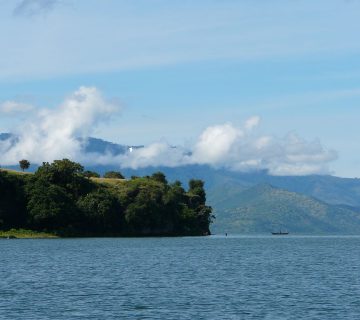
Lake Kivu lies between Rwanda and the Democratic Republic of the Congo. Its lakeside destinations, including areas around Gisenyi, also known as Rubavu, attract visitors who want to relax after gorilla trekking, explore local communities or enjoy the scenery.
Swimming takes place at designated locations around Lake Kivu, and some accommodation providers promote the lake as a place to relax in the water. However, visitors should distinguish between the existence of swimming facilities and a medically verified assessment of bilharzia risk.
The presence or absence of bilharzia transmission cannot be determined from a lake’s appearance, its depth or the popularity of a beach. Risk can vary with local ecological conditions, and general tourism information may not provide enough detail to assess an individual swimming location.
Before swimming, ask your accommodation provider about local guidance and seek health advice if the information is uncertain. A designated swimming area may offer practical safety measures, but the designation alone should not be treated as proof that there is no parasitic risk.
Lake Kivu also has other water-related safety considerations, including changing weather, boat traffic and the importance of following local swimming guidance. Travellers should use recognised access points and follow instructions from local authorities and their accommodation providers.
Is Bilharzia a Risk in Lake Bunyonyi?
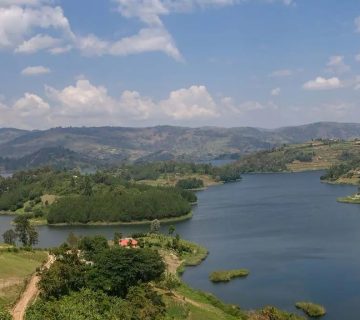
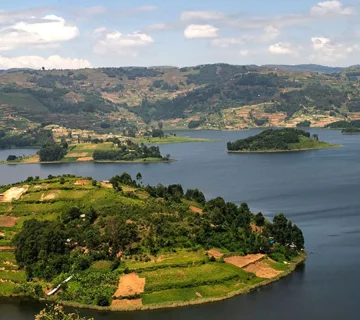
Lake Bunyonyi in southwestern Uganda is known for its green hills, terraced landscapes, small islands and peaceful lakeside accommodation. It is a popular place for travellers seeking relaxation before or after gorilla trekking in Bwindi Impenetrable National Park.
Lake Bunyonyi is often described by tourism operators and accommodation providers as a lake where bilharzia is not considered a major concern. Nevertheless, travellers should be careful about interpreting such statements as a guarantee that infection is impossible.
A reliable assessment depends on current, location-specific health information. Conditions can change, and general descriptions do not replace official public-health guidance. If you plan to swim, check the latest advice for the particular part of the lake you will visit.
It is also important to remember that bilharzia is only one aspect of freshwater safety. Water temperature, weather, currents, boat movements, water quality and access to assistance should also influence your decision.
Visitors who prefer not to swim can still enjoy Lake Bunyonyi through canoe excursions with reputable guides, scenic walks, cultural visits, birdwatching and relaxing at lakeside lodges. These activities allow you to experience the destination without needing to enter the water.
Can You Swim in East African Lakes Without Getting Bilharzia?
Some lakes and swimming locations may have a lower risk than others, but travellers should not assume that swimming in natural freshwater is safe without checking local health advice.
The most important distinction is between natural freshwater and properly maintained swimming pools. A correctly maintained chlorinated pool is generally a safer choice for avoiding bilharzia than swimming in a lake or river where transmission may occur. However, pool hygiene and general water safety still matter.
Where a natural swimming location has been assessed by relevant health authorities and is considered suitable, travellers can use that information to make a more informed decision. If reliable information is unavailable, avoiding direct contact with the water is the more cautious option.
Do not rely exclusively on a lodge’s advertising, a beach’s popularity or reassurance from another traveller. Someone may have swum at a location without becoming ill, but that does not establish that the location is free from infection.
Travellers should also remember that risk assessments can be location-specific. Advice about one beach should not automatically be applied to another beach on the same lake.
What Are the Symptoms of Bilharzia?
Bilharzia does not always cause immediate or obvious symptoms. Some people develop symptoms within days or weeks of exposure, while others may initially feel well. This can make it difficult to connect a later illness with a swim that took place earlier in a trip.
Possible early symptoms include an itchy skin rash following water exposure, fever, chills, cough, muscle aches, headache and general tiredness. Some people develop an illness known as acute schistosomiasis, which can include fever and other symptoms several weeks after exposure.
Long-term infection can affect different parts of the body, depending on the parasite species. Symptoms may include abdominal pain, diarrhoea, blood in the stool or blood in the urine. Chronic infection can cause more serious complications involving the intestines, liver, urinary tract or other organs.
Not everyone experiences all these symptoms, and the symptoms can have many other causes. A rash after swimming does not automatically mean bilharzia, and the absence of symptoms does not reliably exclude infection.
If you have had possible freshwater exposure in an area where bilharzia occurs, tell a healthcare professional about the location, date and type of contact. Mention the exposure even if you feel healthy, particularly if you are preparing to leave the region or have returned home.
How Is Bilharzia Diagnosed and Treated?
Healthcare professionals can assess possible bilharzia using your travel history, symptoms and appropriate tests. Depending on the suspected infection and timing, testing may involve examining urine or stool samples for evidence of the parasite. Blood tests and other investigations may also be considered.
Testing immediately after exposure may not reliably detect a new infection because the parasite needs time to develop. For that reason, a clinician may recommend testing at an appropriate interval or arranging follow-up if an initial result is negative.
Do not attempt to diagnose the infection based on symptoms alone. Travellers who develop a fever after freshwater exposure should seek medical assessment and explain their travel history clearly. Severe symptoms, significant abdominal pain, blood in urine or stool, or a persistent unexplained illness warrant prompt medical attention.
Bilharzia is treatable. Praziquantel is the principal medicine used to treat many forms of schistosomiasis, but the correct timing and treatment plan should be determined by a qualified healthcare professional. Treatment may be less effective against very immature parasites, so a clinician may advise waiting until an appropriate stage or arranging follow-up treatment.
Avoid taking anti-parasitic medication without medical advice. A travel-health professional can determine whether testing or treatment is appropriate based on the type of exposure and the time that has passed.
What Should You Do If You Have Already Swum in a Lake?
If you have already swum in Lake Victoria, Lake Kivu, Lake Bunyonyi or another freshwater location in East Africa, do not panic. Exposure does not mean that you definitely have bilharzia. The appropriate response is to assess the location and seek medical advice where necessary.
First, record where you entered the water and when the exposure happened. Include the lake, beach, island or nearby town if you know it. Also note whether you swam, waded, bathed or had another form of freshwater contact.
Next, speak to a travel-health clinic or other qualified healthcare professional if the location may carry a risk. Explain the exposure even if you have no symptoms. The clinician can advise whether testing is needed and when it is likely to be useful.
If you develop a rash, fever or other unexplained symptoms after freshwater contact, do not assume the problem is minor or wait for every possible symptom to appear. Seek medical advice and mention the exposure specifically.
Do not take medication simply because you are worried, and do not assume that a shower after swimming has removed the risk. Washing may help remove water from the skin, but it cannot be relied upon to prevent infection once exposure has occurred.
For future activities, choose locations with reliable health guidance and avoid swimming in freshwater where the risk is unknown or considered significant.
How Can Travellers Reduce the Risk of Bilharzia?
The most effective prevention measure is to avoid skin contact with freshwater in areas where bilharzia transmission may occur. This includes swimming, wading and bathing in lakes, rivers and streams where local health authorities have identified a risk or where the safety of the location is unknown.
Travellers can still enjoy East Africa’s lakes through boat cruises, guided excursions, birdwatching, photography and visits to lakeside communities. Many destinations offer attractive views and memorable activities without requiring visitors to swim.
Where swimming is a priority, ask for current advice about the exact location rather than relying on a general statement about the lake. A properly maintained swimming pool can be a practical alternative.
Do not assume that clear water, deep water, a sandy beach or a busy swimming area is free from parasites. Bilharzia cannot be reliably identified by sight, and the absence of visible pollution does not establish that water is safe.
Travellers should also avoid drinking untreated freshwater. Although swallowing water is not the usual route of bilharzia infection, untreated water may contain other organisms that cause illness. Use safe drinking water and follow local guidance on water treatment.
Should Bilharzia Stop You From Visiting East Africa?
No. Bilharzia is a health consideration, not a reason to avoid East Africa altogether. Uganda, Rwanda, Kenya and Tanzania offer a wide range of experiences that do not require swimming in natural freshwater.
Visitors can enjoy gorilla trekking, wildlife viewing, cultural activities, forest walks, birdwatching, boat excursions and stays at lakeside lodges. Understanding the risks allows travellers to make informed decisions instead of avoiding destinations unnecessarily.
The key is to avoid treating all lakes as identical. Lake Victoria, Lake Kivu and Lake Bunyonyi have different local environments, and the risk at a particular swimming location should be assessed using current, reliable information.
Before travelling, consider a consultation with a travel-health professional, especially if you plan to spend time in freshwater areas. If you have already been exposed, share the details of the location and date with your healthcare provider rather than relying on symptoms alone.
East Africa’s lakes remain valuable parts of the region’s natural and cultural heritage. With sensible precautions, travellers can appreciate their scenery, communities and activities while making informed decisions about freshwater contact.




No comment