
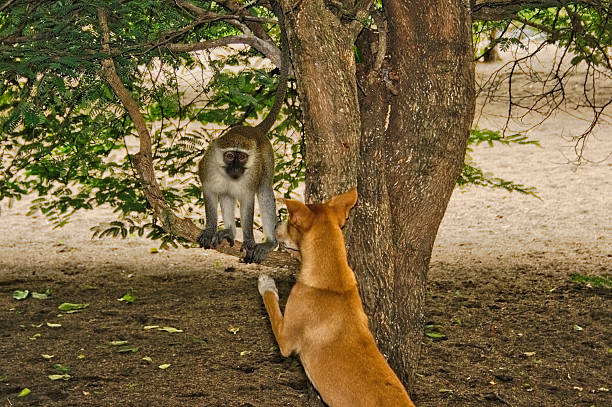
Rabies Risk in East Africa: Dog Bites, Monkeys and Post-Exposure Care
Rabies risk in East Africa is an important health consideration for travellers visiting Uganda, Kenya, Tanzania and Rwanda. Although most African safari holidays take place without animal-related injuries, encounters with unfamiliar dogs, cats, monkeys and other mammals can sometimes create a risk of rabies exposure.
Rabies is a serious viral infection affecting the nervous system. It is usually transmitted through the saliva of an infected mammal, particularly through bites or scratches contaminated with saliva.
The disease is especially dangerous because it is almost always fatal once symptoms develop. However, prompt wound cleaning and appropriate medical treatment can prevent infection after exposure.
For safari travellers, understanding how to avoid animal bites, recognise risky contact and obtain post-exposure treatment is essential, particularly when visiting remote national parks.
What Is Rabies?
Rabies is a viral disease that affects mammals, including humans.
The virus usually enters the body through broken skin after an infected animal bites or scratches someone.
It can also enter through contact between infected saliva and the eyes, mouth or an existing wound.
Quick Facts About Rabies
| Feature | Description |
|---|---|
| Disease | Rabies |
| Cause | Rabies virus and related lyssaviruses |
| Main transmission | Infected animal saliva |
| Major global source | Infected dogs |
| Other possible sources | Cats, bats and wildlife |
| Main prevention | Avoid animal contact and consider vaccination |
| Emergency response | Immediate wound washing |
| Medical treatment | Post-exposure prophylaxis |
| Risk after symptoms begin | Almost always fatal |
Rabies can be prevented through prompt medical care before symptoms develop.
Is Rabies Common in East Africa?
Dog-mediated rabies remains a public health concern across parts of East Africa.
The actual risk differs between locations and depends on animal vaccination programmes, surveillance and exposure.
Travellers are generally at greater risk when interacting with unfamiliar mammals than when observing wildlife safely from safari vehicles.
Regional Rabies Considerations
| Country | Main traveller precaution |
|---|---|
| Uganda | Avoid unfamiliar dogs and monkeys |
| Kenya | Prevent contact with stray animals |
| Tanzania | Avoid bites during urban and rural visits |
| Rwanda | Maintain distance from unfamiliar mammals |
Travellers should never assume that a healthy-looking animal cannot carry rabies.
Dog Bites: The Main Rabies Concern
Dogs are responsible for the great majority of human rabies infections worldwide.
Unvaccinated or infected dogs may transmit the virus through bites.
However, not every dog bite involves rabies.
How Dog Bites Happen
Travellers sometimes approach unfamiliar puppies, attempt to feed dogs or walk close to animals protecting food or territory.
A frightened or defensive dog may bite even without showing obvious signs of illness.
Avoid touching unfamiliar dogs, including apparently friendly puppies.
What About Monkey Bites?
Monkeys are popular attractions in several East African destinations.
Visitors may encounter vervet monkeys, baboons and other primates around lodges, forest trails and picnic areas.
Rabies in non-human primates is relatively uncommon, but bites and scratches can still require rabies assessment and treatment.
Why Monkey Encounters Become Dangerous
Monkeys accustomed to tourist food may approach visitors closely.
They sometimes grab bags, food containers or personal belongings.
Attempting to feed, touch or photograph them at very close range increases the chance of injury.
Monkey bites can also introduce bacterial infections.
Rabies Risk From Other Animals
Several mammals can potentially transmit rabies.
Animal Exposure Comparison
| Animal | Main concern |
|---|---|
| Dogs | Major source of human rabies |
| Cats | Bites and scratches |
| Monkeys | Bites, scratches and other infections |
| Bats | Potential exposure through small bites |
| Wild carnivores | Possible rabies transmission |
| Livestock | Unusual but possible exposure |
Rabies is not transmitted through ordinary contact with birds, reptiles or insects.
What Should You Do After an Animal Bite?
Any possible rabies exposure requires immediate action, even if the wound looks minor.
Do not wait for symptoms or until your safari ends.
Immediate First Aid
Move away from the animal safely.
Wash the bite or scratch thoroughly with soap and running water for at least 15 minutes.
Apply a suitable antiseptic, such as povidone-iodine, if available.
Seek urgent medical assessment the same day.
Follow the clinician’s instructions for vaccination and additional treatment.
If the wound is bleeding heavily, apply direct pressure with clean material and obtain emergency medical assistance.
Do not attempt to catch the animal yourself.
Why Washing the Wound Matters
Thorough cleaning helps remove contaminated saliva and reduces the amount of virus potentially present at the injury site.
Wound washing is recommended even when medical treatment is available immediately.
Important Wound-Care Advice
| Action | Recommendation |
|---|---|
| Wash with soap and water | At least 15 minutes |
| Use antiseptic | When available |
| Apply traditional remedies | Avoid |
| Delay treatment | Never deliberately |
| Cover the wound | Use clean dressing when appropriate |
| Seek clinical assessment | Immediately |
Wound cleaning does not replace rabies vaccination or other indicated treatment.
Understanding Rabies Exposure Categories
Healthcare professionals classify potential exposures according to their severity.
World Health Organization Exposure Categories
| Category | Example | Recommended response |
|---|---|---|
| I | Touching animals or licks on intact skin | Washing; no rabies prophylaxis if history is reliable |
| II | Minor scratches without bleeding or nibbling uncovered skin | Immediate vaccination |
| III | Skin-penetrating bites, deep scratches or saliva contacting broken skin or mucous membranes | Immediate vaccination and rabies immunoglobulin or approved antibody treatment when indicated |
Category II and III exposures require urgent medical assessment and appropriate post-exposure vaccination.
What Is Post-Exposure Prophylaxis?
Post-exposure prophylaxis, commonly called PEP, is emergency medical treatment given after possible rabies exposure.
Its purpose is to prevent the virus from reaching the nervous system.
PEP Treatment Components
Treatment includes thorough wound cleaning and a course of rabies vaccinations.
For previously unvaccinated patients with severe exposures, rabies immunoglobulin or approved monoclonal antibodies may also be necessary.
The precise treatment schedule depends on vaccination history, exposure severity, immune status and national medical guidelines.
Do You Need Treatment After a Small Scratch?
Yes, a scratch can require medical assessment even without obvious bleeding.
Minor scratches that break the outer skin may represent a significant exposure.
A scratch involving saliva from an infected animal can transmit rabies.
Never dismiss a monkey scratch, puppy bite or bat exposure simply because the injury appears small.
What If You Were Vaccinated Before Travelling?
Some travellers receive rabies pre-exposure vaccination before visiting high-risk destinations.
This simplifies treatment after exposure.
However, previously vaccinated travellers still require urgent wound care and post-exposure vaccine doses.
Vaccination Comparison
| Traveller | Treatment considerations |
|---|---|
| Never vaccinated | Vaccine course and immunoglobulin if indicated |
| Previously vaccinated | Shorter booster regimen |
| Uncertain vaccination history | Medical assessment required |
| Weakened immune system | May need modified management |
Previously vaccinated people generally do not require rabies immunoglobulin when their vaccination history meets recognised criteria.
Should Safari Travellers Get Rabies Vaccination Before Departure?
Pre-exposure vaccination may be particularly useful for travellers spending extended periods in remote areas.
It can also benefit people working with animals or undertaking activities with increased exposure risk.
Travellers Who Should Discuss Vaccination
| Traveller | Risk consideration |
|---|---|
| Wildlife researchers | Animal contact |
| Veterinary volunteers | Occupational exposure |
| Long-term travellers | Extended exposure opportunities |
| Remote-area visitors | Limited treatment access |
| Children | Greater likelihood of approaching animals |
| Short safari visitors | Individual risk assessment |
Consult a travel-health professional several weeks before departure.
Rabies Risk During Gorilla Trekking
Gorilla trekking in Uganda and Rwanda takes place under strict wildlife protection regulations.
Visitors must maintain appropriate distances from gorillas and follow ranger instructions.
Direct physical contact is prohibited.
Although rabies is not a typical concern during properly managed gorilla trekking, any unexpected mammal bite or scratch requires medical assessment.
Avoid approaching monkeys or other mammals encountered around forest trails.
Rabies During Game Drives
Game drives are generally conducted from designated safari vehicles.
Travellers should remain inside vehicles where park regulations require it.
Never attempt to feed predators, monkeys or other wildlife.
Avoid touching animals near lodge grounds.
Respecting park rules greatly reduces unnecessary contact.
Accessing Rabies Treatment in East Africa
Larger cities generally have more extensive medical facilities than remote national parks.
However, rabies vaccine and immunoglobulin availability can vary.
Medical Planning Considerations
| Location | Recommended preparation |
|---|---|
| Kampala or Entebbe | Identify appropriate medical facilities |
| Nairobi | Check hospitals providing rabies PEP |
| Arusha or Dar es Salaam | Confirm emergency medical services |
| Kigali | Identify suitable treatment facilities |
| Remote safari lodges | Establish evacuation arrangements |
If suitable treatment is unavailable locally, urgent transfer to another medical facility may be necessary.
Do not delay the first available appropriate treatment while arranging later doses.
What If the Animal Appears Healthy?
An animal may appear normal during the early stages of rabies infection.
Therefore, appearance alone cannot exclude the disease.
Healthcare professionals sometimes consider observation of an identifiable dog, cat or ferret for ten days.
However, this process must be professionally supervised and is often impractical during international travel.
Do not postpone medical assessment while waiting to see whether an animal becomes ill.
Can Rabies Symptoms Appear Weeks Later?
Yes. The incubation period varies widely.
Symptoms often develop after several weeks or months, although shorter or longer periods are possible.
Possible Rabies Symptoms
Early symptoms may include fever, headache, weakness and unusual sensations around the bite.
Later symptoms can involve difficulty swallowing, agitation, paralysis and neurological complications.
Once clinical symptoms appear, rabies is almost always fatal.
Never wait for symptoms before seeking post-exposure treatment.
Rabies Prevention for Families
Children may approach unfamiliar animals without recognising danger.
Parents should explain that wild and stray animals must not be touched.
Family Safety Advice
Supervise children around animals.
Avoid feeding monkeys.
Keep food securely stored.
Teach children to report every bite or scratch immediately.
Inspect injuries carefully.
Seek prompt medical advice after possible exposure.
Even a small bite should be taken seriously.
Travel Insurance and Rabies Treatment
Rabies treatment can create unexpected medical and transport expenses.
Travellers should consider insurance covering emergency medical care and evacuation.
Before departure, confirm whether the policy covers animal bites and treatment in remote destinations.
Keep emergency assistance contacts available throughout the safari.
Frequently Asked Questions
Can a Monkey Bite Cause Rabies?
Yes, although rabies in monkeys is uncommon. Monkey bites and scratches require prompt medical assessment.
Can Rabies Spread Through a Scratch?
Yes, particularly when a scratch breaks the skin and is contaminated with infected saliva.
How Soon Should Rabies Treatment Begin?
Immediately after potential exposure. Wash the wound at once and seek urgent medical care without waiting for symptoms.
Can You Get Rabies From Touching a Dog?
Touching an animal’s fur or contact with saliva on intact skin does not normally constitute rabies exposure. Bites and contact involving broken skin or mucous membranes require assessment.
Staying Safe From Rabies on Safari
Rabies is a serious but preventable infection.
Travellers visiting Uganda, Kenya, Tanzania and Rwanda should avoid touching unfamiliar mammals, including dogs, cats and monkeys.
If a bite, scratch or other possible exposure occurs, immediate wound cleaning and urgent medical assessment are essential.
Pre-exposure vaccination may provide additional protection for selected travellers, but it never eliminates the need for post-exposure care.
The most important rule is simple: wash any potentially exposed wound for at least 15 minutes and seek medical attention immediately.


No comment