
Are There Crocodiles in Lake Bunyonyi? Local Answers
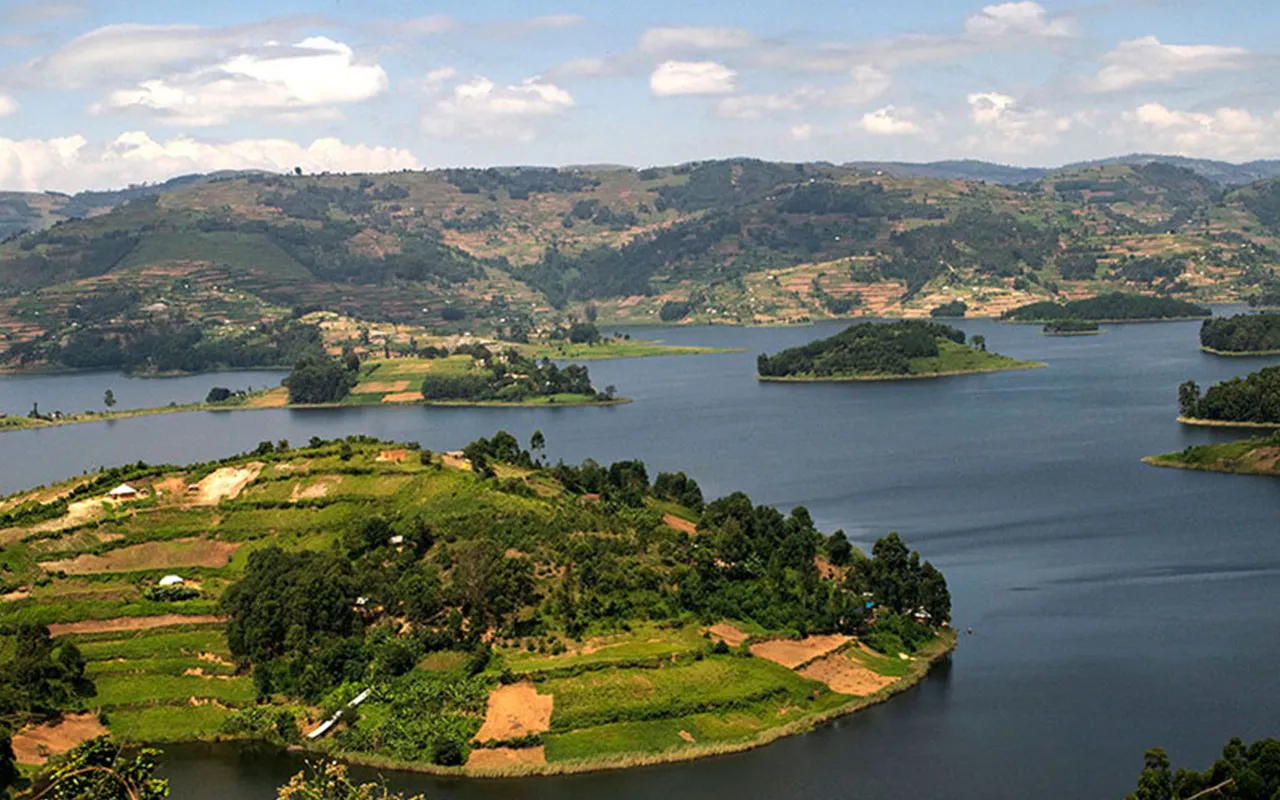
Lake Bunyonyi is one of Uganda’s most beautiful destinations, known for its green terraced hills, quiet islands, traditional dugout canoes and peaceful lakeside accommodation. Located in southwestern Uganda near Kabale, the lake attracts travellers looking for relaxation, cultural experiences, canoe excursions and a comfortable stop before or after gorilla trekking. However, one question frequently comes up among visitors planning a stay: are there crocodiles in Lake Bunyonyi?
The short answer is no. Lake Bunyonyi is widely known for having no crocodiles or hippos, making it different from several other lakes in Uganda where these animals are present. This is one reason the lake has developed a reputation as a popular place for canoeing and swimming.
Local tourism information and accommodation providers consistently describe Lake Bunyonyi as free of crocodiles and hippos. Although this is reassuring for visitors, it does not mean that every activity on the lake is completely risk-free. The water is deep in many places, temperatures can feel cold, and swimmers still need to take sensible precautions.
Understanding what lives in the lake, what local people say about its wildlife and how to enjoy the water responsibly will help you plan a more comfortable visit.
Why Are There No Crocodiles in Lake Bunyonyi?
Lake Bunyonyi has a different ecological environment from many of Uganda’s larger lakes and rivers. It lies in the highlands of southwestern Uganda, at approximately 1,950 to 1,960 metres above sea level. Its cool surroundings, unusual underwater conditions and geographical history contribute to an aquatic environment that differs from the habitats commonly associated with crocodiles.
Unlike lakes such as Lake Victoria and Lake Edward, Lake Bunyonyi is not known as a habitat for wild crocodile populations. Its reputation for having no crocodiles or hippos is well established in local tourism information.
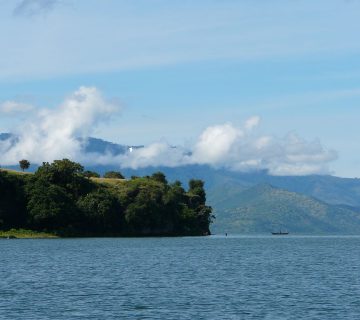
The lake formed when volcanic activity blocked a river valley, allowing water to collect among the surrounding hills. Over time, the landscape developed into a long, irregular lake with numerous inlets and islands. Today, visitors can explore its scenery by canoe or motorboat while observing birds and the communities living along the shoreline.
The absence of crocodiles is a significant attraction for visitors who want to spend time on the water. However, it is important not to assume that the same conditions apply to every lake in Uganda. Each destination has its own wildlife, environmental characteristics and safety considerations.
What Do Local People Say About Crocodiles in Lake Bunyonyi?
Ask local residents, boat operators and many accommodation providers around Lake Bunyonyi whether crocodiles live in the lake, and the answer is generally no. The lake is widely recognised for its lack of crocodiles and hippos, and swimming and canoeing are common activities in the area.
Local knowledge is valuable because residents understand the lake’s environment and how people use it daily. Fishermen, canoe operators and lakeside communities have practical experience with the water and the activities that take place there.
Nevertheless, travellers should distinguish between local knowledge and a guarantee of safety for every possible activity. The absence of crocodiles does not remove the need to follow swimming guidance, wear appropriate safety equipment during boat trips or pay attention to weather conditions.
If you are staying at a lodge, ask staff where they recommend swimming, whether there are designated swimming areas and what precautions they advise. Local guidance can help you choose suitable places to enter the water and avoid areas with unnecessary hazards.
For most visitors, the reassuring answer is that crocodiles are not a recognised concern at Lake Bunyonyi. The more important practical consideration is understanding the depth and temperature of the water before swimming.
Are There Hippos in Lake Bunyonyi?
No. Lake Bunyonyi is also widely known for having no hippos. This distinguishes it from some other freshwater destinations in East Africa, where hippos may be encountered near shorelines, wetlands and river channels.
Hippos can present serious dangers to people who approach them, especially when they feel threatened or when people get between them and the water. At destinations where hippos are present, visitors should follow wildlife guidance carefully and avoid entering the water in areas used by these animals.
Lake Bunyonyi does not have the same recognised hippo-related swimming concerns. Visitors can enjoy canoe trips, explore the islands and appreciate the scenery without expecting to encounter hippos in the lake.
However, the absence of large aquatic animals should not be confused with an absence of risk. Lake Bunyonyi is deep, and its highland setting means the water can feel cold even when the weather is pleasant. Swimmers should avoid going beyond their ability and should not swim alone.
Can You Swim Safely in Lake Bunyonyi?
Swimming is a popular activity at Lake Bunyonyi, and many lakeside properties provide access to the water. The absence of crocodiles and hippos makes the lake appealing to visitors who want to swim during their stay in southwestern Uganda.
However, swimming safety depends on more than the presence or absence of dangerous animals. Lake Bunyonyi is deep in many areas, and the shoreline can slope into deeper water more quickly than inexperienced swimmers expect. The bottom may not be visible, making it difficult to judge the depth by looking at the surface.
The water can also feel cold because of the lake’s high-altitude setting. Cold water may affect breathing, comfort and swimming ability, particularly for people who enter suddenly or remain in the water for too long.
If you want to swim, ask your lodge or a local guide to recommend a suitable location. Use a designated swimming area where available, remain close to the shore and avoid swimming alone. Children should be supervised closely by a responsible adult, even if they are confident swimmers.
Visitors who are not strong swimmers should avoid deep water and consider using a properly fitted life jacket when appropriate. Do not attempt to swim across the lake or between islands simply because the distance looks short from the shore.
Lake Bunyonyi can provide a memorable swimming experience, but sensible precautions remain essential.
Is Bilharzia a Concern in Lake Bunyonyi?
Bilharzia, also called schistosomiasis, is another question travellers commonly ask before swimming in East African lakes. The infection is caused by parasitic worms that can enter the body through skin contact with contaminated freshwater.
Lake Bunyonyi has a long-standing reputation among tourism providers as a lake with a low bilharzia risk or as a lake free from the infection. However, travellers should be cautious about treating these descriptions as an absolute guarantee without current, location-specific public-health evidence.
The presence of suitable freshwater snails and local transmission conditions determines whether infection can occur. The safety of one swimming location should not automatically be assumed to apply to every part of a lake or to other freshwater destinations.
If swimming is part of your plans, ask for current health advice about the exact location you intend to use. A local tourism provider can explain customary swimming practices, while a qualified travel-health professional can advise you about infection risks and precautions.
Avoid swimming in freshwater when reliable safety information is unavailable or when local authorities advise against contact. If you have already swum in a location where bilharzia may occur, tell a healthcare professional where and when the exposure happened. Do not rely on the absence of symptoms to rule out infection.
The key point is that the absence of crocodiles and hippos answers a wildlife question, but it does not automatically settle every question about water quality or human health.
What Other Animals Live in Lake Bunyonyi?
Although Lake Bunyonyi is not known for crocodiles or hippos, it supports other forms of wildlife. Its aquatic environment includes fish, freshwater invertebrates and other small animals. The surrounding vegetation, wetlands, islands and cultivated hills also provide habitat for many bird species.
The lake’s name is commonly translated as “place of many little birds,” reflecting its reputation as a destination for birdwatching. Visitors may see kingfishers, herons, weavers and other birds around the shoreline. The wider area is especially attractive to travellers who enjoy observing wildlife in a peaceful setting rather than visiting a busy game-viewing destination.
Otters are also associated with the lake, although sightings are not guaranteed. These animals are different from crocodiles and generally avoid direct contact with people. Visitors should observe wildlife from a respectful distance and avoid attempting to feed or handle wild animals.
The islands and surrounding countryside support a mixture of natural vegetation, farms and settlements. A guided boat trip can reveal how local communities use the lake for transport, fishing and everyday activities.
For visitors interested in wildlife, Lake Bunyonyi offers a different experience from Uganda’s national parks. The attraction is not the chance to see large predators, but the combination of birdlife, scenery, water-based activities and local culture.
Is It Safe to Take a Canoe Trip on Lake Bunyonyi?
Canoeing is one of the most popular activities on Lake Bunyonyi. Traditional dugout canoes have long been used by local communities, and guided excursions allow visitors to explore the islands and enjoy views of the surrounding hills.
Because crocodiles and hippos are not recognised concerns in the lake, visitors can generally enjoy canoe trips without expecting encounters with these animals. The main precautions relate to boat safety, water depth, weather and the experience of the person operating the canoe.
Choose a reputable local operator and ask about safety equipment before setting off. Wear a life jacket when provided or recommended, especially if you are not a confident swimmer. Follow the boat operator’s instructions and avoid leaning over the sides or standing up in an unstable canoe.
Weather conditions can change, and wind may make some parts of the lake more challenging to navigate. Travellers should follow local advice about when to depart and whether a planned route is suitable.
Guided excursions are particularly useful for first-time visitors because local operators can explain the islands, share community stories and help travellers understand the lake’s geography. They can also recommend routes that suit the available time and the interests of the group.
A canoe trip is an excellent way to appreciate Lake Bunyonyi without needing to swim. You can enjoy the scenery, observe birds and visit selected islands while remaining in the company of an experienced local operator.
What Should You Know Before Visiting Lake Bunyonyi?
Lake Bunyonyi is a destination where a little preparation can make your stay more enjoyable. The lake lies in the highlands, so temperatures may feel cooler than visitors expect, particularly in the early morning and evening. Bring a warm layer if you plan to spend time outside after sunset or take an early boat trip.
If you intend to swim, find out where your accommodation recommends entering the water. Check the depth, ask about any designated swimming areas and be honest about your swimming ability. Do not assume that the absence of crocodiles and hippos means that swimming far from shore is safe.
For canoe trips, confirm the duration and route with your operator. Some excursions focus on nearby islands, while longer trips may include cultural stops or opportunities for birdwatching. If you are travelling with children, ask whether the boat and itinerary are appropriate for their ages.
Visitors should also respect the communities around the lake. Ask permission before photographing people, follow local guidance when visiting inhabited islands and avoid disturbing birds or other wildlife. If your trip includes a village visit, a knowledgeable local guide can help you understand local customs and history.
Most importantly, allow enough time to enjoy the destination without rushing. One or two nights can provide time for a canoe trip, a walk through the surrounding countryside and a relaxing evening overlooking the water.
Should You Visit Lake Bunyonyi After Gorilla Trekking?
Lake Bunyonyi is a popular place to relax before or after visiting Bwindi Impenetrable National Park. Gorilla trekking can involve an early start, steep forest trails and several hours of walking, depending on where the gorilla family is located. Spending time beside the lake provides a quieter contrast to the forest experience.
Travellers can spend the morning exploring the islands by canoe, enjoy a guided walk through nearby communities or simply relax at a lakeside property. Swimming may also be an option for visitors who have checked the local advice and are comfortable with the water conditions.
The lake is particularly appealing to travellers who prefer scenery and cultural experiences to a tightly scheduled itinerary. Its terraced hills and scattered islands create excellent opportunities for photography, while the birdlife makes it attractive to nature enthusiasts.
When planning your route, allow sufficient driving time between Lake Bunyonyi and your gorilla trekking destination. Road journeys can take longer than expected because of winding highland roads and changing conditions. If your trekking permit requires an early arrival, confirm the timing with your tour operator before choosing where to spend the previous night.
Lake Bunyonyi is not a substitute for gorilla trekking, but it can be a rewarding addition to a southwestern Uganda itinerary.
Final Answer: Are There Crocodiles in Lake Bunyonyi?
Lake Bunyonyi is widely recognised as having no crocodiles or hippos, and local tourism providers consistently describe it as a destination where these animals are not a concern. This makes it an attractive place for canoeing, lakeside relaxation and swimming for visitors who follow appropriate safety precautions.
The most important thing to remember is that a lake without crocodiles is not automatically risk-free. Lake Bunyonyi is deep, the water can be cold, and swimmers need to consider their ability, use suitable locations and follow local guidance.
If you are planning a visit, speak to your accommodation provider or local guide about recommended swimming areas and canoe trips. With sensible preparation, you can enjoy the lake’s islands, birdlife and beautiful highland scenery while making informed decisions about activities on the water.



No comment