
Luxury Tented Camps in the Masai Mara: What You Get for Your Money
Luxury tented camps in Kenya’s Masai Mara combine the atmosphere of a traditional African safari with the comfort, privacy and service of a high-end hotel. Instead of staying in a conventional building, guests sleep in spacious canvas suites surrounded by the sounds of the wilderness, often with views of open grassland, riverine forest or wildlife-rich plains.
The experience can include elegant bedrooms, private bathrooms, fine dining, professional safari guides, daily game drives and personalised service. Some camps also offer guided nature walks, night drives in permitted areas, bush breakfasts, sundowners and cultural activities. The exact package depends on the camp’s location, facilities and pricing structure.
However, luxury does not mean that every expense is automatically included. Two camps with similar nightly rates may offer very different experiences once park or conservancy fees, drinks, transfers and optional activities are added. Understanding what you are paying for helps you choose accommodation that matches your expectations and avoids surprises when the final bill arrives.
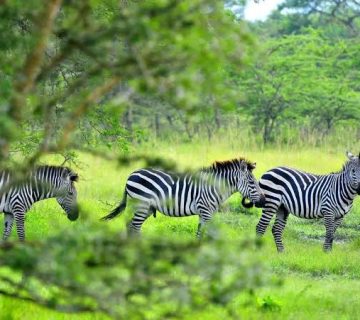
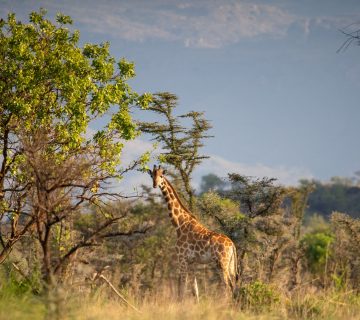
The Masai Mara is one of Kenya’s best-known wildlife destinations, famous for its large populations of lions, elephants, cheetahs, leopards, giraffes and other wildlife. It is also associated with the Great Migration, when wildebeest and zebras move through the wider Mara and Serengeti ecosystem. The timing and location of wildlife encounters vary with rainfall, grazing conditions and animal movements, so even an expensive camp cannot guarantee a particular sighting.
What Makes a Tented Camp Luxurious?
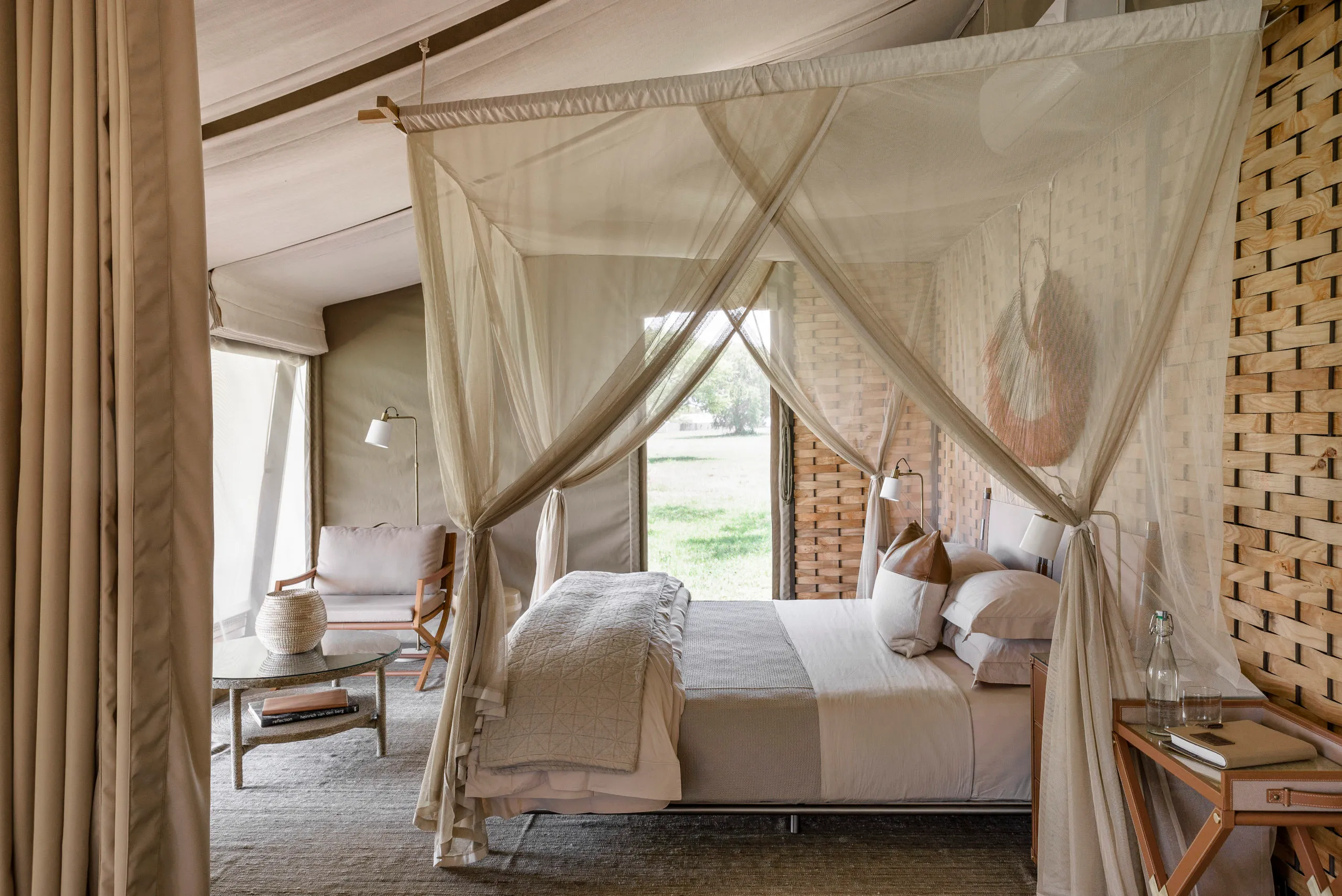
A luxury tented camp is very different from basic camping. The tent is a permanent or semi-permanent accommodation unit designed to provide the comfort expected at a high-end safari property. It may have a king-size bed, quality linens, polished wooden floors, a sitting area, a writing desk, luggage storage and a private veranda overlooking the surrounding landscape.
Bathrooms are usually en suite and may include a flushing toilet, a spacious shower, running water and premium toiletries. Some camps offer indoor or outdoor showers, freestanding bathtubs, double basins or private plunge pools. Facilities vary considerably, so it is worth checking the specific room category rather than assuming every tent has the same features.
The tent’s design also contributes to the experience. Canvas walls preserve a connection with the outdoors, allowing guests to hear birds, insects and distant wildlife. At the same time, comfortable beds, lighting, mosquito protection and thoughtful furnishings make the accommodation practical after a long day of game viewing.
Luxury also includes service. Staff may arrange wake-up calls, prepare early breakfasts, help organise luggage, serve meals around safari schedules and accommodate reasonable dietary requirements when informed in advance. The quality of these details can make a greater difference to the stay than decorative features alone.
Some camps are intentionally intimate, with a small number of tents and a quiet atmosphere. Others have larger facilities, swimming pools, lounges, spas or fitness areas. Neither design is automatically better. The right choice depends on whether you prefer privacy and a traditional wilderness atmosphere or a property with more extensive leisure facilities.
How Much Does a Luxury Tented Camp in the Masai Mara Cost?
The cost of a luxury tented camp depends on the season, location, accommodation category and services included in the rate. For 2026, some classic luxury camps advertise rates of several hundred to over US$1,000 per person per night, while the most exclusive properties can cost several thousand dollars per person per night during peak periods. These are broad indicative ranges, not fixed prices, and individual camps may charge differently.
The Great Migration season, particularly from July to October, is generally one of the most expensive periods to visit. Demand rises because many travellers want to experience the movement of wildebeest and zebras through the Mara ecosystem. Camps with strong locations, limited tent numbers and a reputation for excellent guiding may sell out well in advance.
Outside peak periods, some camps offer lower rates or special packages. The exact savings depend on the property and dates, and lower prices do not necessarily mean poor wildlife viewing. The Mara supports wildlife throughout the year, although animal movements, vegetation and viewing conditions change with the seasons.
When comparing prices, check whether the quoted amount is per person sharing, per person in a single tent, or for the entire tent. A rate advertised per person usually assumes two guests sharing accommodation. Solo travellers may pay a single supplement, while family suites and exclusive-use arrangements follow different pricing structures.
A seemingly inexpensive nightly rate may also exclude essential costs such as park entry, conservancy fees, transfers or game drives. Before booking, request the complete cost for your dates and group size, including all mandatory charges.
What Is Usually Included in the Price?
Many luxury tented camps use a full-board or all-inclusive pricing model. Full board usually covers accommodation and meals, while an all-inclusive safari package may also include selected drinks, scheduled game drives, laundry and transfers from a nearby airstrip.
Game drives are one of the main reasons luxury camps cost more than standard accommodation. Depending on the camp, guests may have morning and afternoon drives with an experienced guide in a purpose-built safari vehicle. Some properties offer shared drives, while others include a private vehicle or make one available for an additional fee.
Meals are often part of the package, including breakfast, lunch and dinner. When guests spend much of the day in the reserve, the camp may arrange packed lunches, picnic breakfasts or meals in scenic locations where permitted. The kitchen may also accommodate vegetarian diets and other dietary requirements if these are communicated before arrival.
Selected drinks may be included, such as drinking water, tea, coffee, soft drinks, house wines, beer and certain spirits. The word selected is important because premium wines, champagne and high-end spirits may cost extra. Each camp defines its own inclusions.
Some properties include laundry, scheduled airstrip transfers and camp activities. Others charge separately for these services. Park entry fees and conservancy charges may be included in some packages but excluded from others, so these should be checked carefully before comparing rates.
The Difference Between the Masai Mara Reserve and Private Conservancies
The location of a tented camp can have a major effect on the safari experience. Camps may be located inside the Masai Mara National Reserve or in one of the private conservancies surrounding it. Both settings can offer excellent wildlife viewing, but the rules, atmosphere and costs may differ.
The national reserve is famous for its broad savannah landscapes and wildlife populations. It is a popular destination for visitors hoping to see lions, elephants, cheetahs and, during the migration season, large herds of wildebeest and zebras. Wildlife viewing can be exciting, although popular sightings may attract several vehicles, particularly during busy periods.
Private conservancies are managed through arrangements involving local landowners and conservation partners. They can provide additional space for wildlife and support community income through tourism. Depending on the conservancy, activities may include guided walking safaris or night drives that are not permitted under the same conditions inside the main reserve. Specific rules vary, so confirm what your chosen property offers.
Some conservancy camps include the conservancy fee in their nightly rate, while others list it separately. Guests may also pay additional fees if they visit the main reserve from a camp outside it. This distinction can substantially affect the total cost.
Neither location guarantees better sightings. Wildlife moves freely across the wider ecosystem, and the quality of the experience depends on the season, guide, habitat and animals’ movements. Choose a camp based on its actual location, access arrangements and activities rather than relying only on claims about being close to wildlife.
What You Get From the Safari Guide and Game Drives
Professional guiding is one of the most valuable parts of a luxury safari. An experienced guide helps guests interpret animal behaviour, identify species and understand the relationship between wildlife, habitat and seasonal conditions. The quality of the guiding can influence the experience more than expensive furnishings or elaborate camp facilities.
A typical day may begin before sunrise, when guests have tea or coffee before heading out for a morning game drive. Early hours can be productive for observing predators and other animals before the day becomes hot. After returning to camp for breakfast or a relaxed morning, guests may have time to rest before lunch and an afternoon drive.
The afternoon drive often continues towards sunset, when the changing light creates excellent opportunities for wildlife observation and photography. Depending on the camp’s rules and location, the experience may finish with a sundowner in an approved setting before guests return for dinner.
Some camps offer shared vehicles, which means guests join other travellers during game drives. This can be a good way to meet people, but it may limit how long you spend at a particular sighting or how quickly the vehicle can respond to your interests. Other camps provide private vehicles or allow guests to reserve one for an extra charge.
If you are a keen photographer, travelling with children or celebrating a special occasion, ask whether a private vehicle is available. It can give you greater control over departure times, stops and the pace of the drive. Confirm the arrangement in writing before paying, particularly during busy travel periods.
Food and Dining in Luxury Tented Camps
Dining is another important part of the luxury safari experience. Rather than eating every meal in a large restaurant, guests may enjoy meals in an intimate dining tent, an open-air setting or a carefully selected location within the camp.
Breakfast may include fresh fruit, eggs, bread, cereals, coffee and tea. Lunch can be served at camp or packed for a longer game drive. Dinner often features several courses, with menus influenced by international cuisine and locally available ingredients.
Some camps arrange bush breakfasts, sundowners or special dinners in permitted locations. These experiences add variety to the safari and allow guests to enjoy the landscape beyond their tents. They may be included in the package or offered as an additional experience, depending on the property.
Dietary requirements should be discussed before arrival. Many luxury camps can accommodate vegetarian, vegan, gluten-free and other dietary preferences with advance notice. Guests with serious allergies should communicate their needs clearly and confirm the camp’s ability to manage them safely.
The quality of dining is not simply about the menu. Timing matters because game drives often begin early or return after sunset. A well-managed camp coordinates meals around the safari schedule so that guests can enjoy wildlife activities without feeling rushed.
Privacy, Comfort and Personalised Service
Luxury tented camps often have fewer accommodation units than large hotels. This can create a quieter atmosphere, more personal attention and a stronger sense of being surrounded by the wilderness.
Staff may learn guests’ preferences during the stay, help arrange special meals and coordinate activities around individual interests. Honeymooners might request a private dinner, while families may need flexible meal times or assistance with children’s activities. The extent of this service depends on the camp and should be discussed when making a reservation.
Privacy also depends on the tent’s position. Some tents overlook open plains or rivers, while others face woodland or lie closer to shared facilities. If views, seclusion or a particular bathroom arrangement are important, ask about the exact accommodation category rather than relying on general descriptions.
Some premium tents have outdoor decks, private plunge pools or large bathing areas. These features can make time at camp more enjoyable, particularly between game drives. However, they are not essential to a good safari. A smaller tent with an excellent location, attentive staff and strong guiding may offer a more rewarding experience than a larger suite in a less convenient location.
What Is Usually Not Included?
One of the most important steps when booking a luxury tented camp is identifying expenses outside the advertised rate. The term luxury does not automatically mean that every service is included.
Park entry and conservancy fees are among the most significant costs to check. Some camps include them in the accommodation rate, while others charge them separately. The rules and rates can also depend on the visitor’s residency status, travel dates and the specific area being visited.
International flights to Kenya are usually separate from the camp package. Domestic flights to a Mara airstrip may also be charged separately, unless they form part of a wider safari arrangement. Road transfers can cost extra, particularly if the camp is far from the nearest airstrip.
Hot-air balloon safaris are generally an optional paid activity. They can provide remarkable aerial views of the plains, but they are not usually included in standard accommodation rates. Private dinners, premium drinks, spa treatments and exclusive-use vehicles may also carry additional charges.
Tips for guides and camp staff are generally discretionary, although many travellers budget for them as part of the safari. Travel insurance, emergency evacuation cover and personal purchases should also be considered when calculating the overall cost.
Before confirming a reservation, ask for an itemised quotation showing accommodation, meals, game drives, transfers, park or conservancy fees, taxes and optional activities. This helps you compare camps fairly and understand the amount you will actually spend.
The Best Time to Book a Luxury Tented Camp
The best booking period depends on your travel dates, budget and main reason for visiting the Masai Mara. Travellers hoping to experience the Great Migration often prefer the period from July to October, when large numbers of wildebeest and zebras may move through the ecosystem. River crossings can occur during this period, but they are unpredictable, and no camp can guarantee that guests will witness one.
Peak-season demand means that popular camps can become fully booked well in advance. Booking early provides a wider choice of tent categories, vehicle arrangements and preferred dates. It is especially useful for families, photographers and travellers who want a specific camp location.
Other times of the year can offer different advantages. Depending on rainfall and local conditions, the landscape may be greener, birdlife may be particularly rewarding, and accommodation rates may be lower. Wildlife viewing remains possible throughout the year, although animal distribution and visibility change with the seasons.
Shoulder and lower-demand periods can be attractive for travellers seeking value, but confirm the camp’s operating dates and the activities available. Some camps close seasonally or reduce services during quieter months. Weather may also affect road transfers and flight schedules.
Rather than choosing dates solely around migration predictions, consider what you want from the trip. If you prefer quieter surroundings, flexible game drives and a more relaxed pace, a less crowded period may suit you better than the busiest weeks.
How to Choose the Right Luxury Camp for Your Budget
The most expensive camp is not necessarily the best choice for every traveller. Begin by deciding which parts of the safari matter most to you. Wildlife viewing, photography, privacy, food, family facilities and access to particular landscapes may be more important than having a plunge pool or a large suite.
Consider the number of nights you intend to stay. A two-night visit may be sufficient for a short introduction, but three or four nights provide more opportunities for game drives and time to enjoy the camp. A longer stay can also reduce the pressure to see everything in a short period.
Think about the type of vehicle arrangement you want. If you are comfortable sharing game drives, you may be able to select a package that costs less than one with an exclusive vehicle. If you want to spend extended periods photographing wildlife or following a flexible schedule, a private vehicle may be worth the additional expense.
Review the camp’s location carefully. A property inside the reserve may suit travellers who want to focus on the main reserve, while a conservancy camp may appeal to those interested in quieter surroundings and activities permitted in that area. Check how long transfers take and whether the itinerary includes the places you want to visit.
Finally, compare the total cost for your complete stay. A camp with a higher nightly rate may include more services than a cheaper property that charges separately for activities and conservation fees. The most useful comparison is the final cost for the same dates, number of guests and expected activities.
Is a Luxury Tented Camp Worth the Money?
A luxury tented camp can be worth the cost for travellers who value professional guiding, comfortable accommodation, attentive service and a well-organised safari. The experience combines wildlife viewing with the convenience of having meals, accommodation and daily activities coordinated in one place.
The value is especially clear when the package includes experienced guides, well-maintained vehicles, meals, selected drinks and transfers. These services reduce the need to organise every part of the trip separately and can make a remote safari more comfortable.
However, not every traveller needs the highest level of luxury. If your priority is spending as much time as possible observing wildlife, a well-located mid-range camp with good guides may offer excellent value. You may prefer to spend the difference on an additional night, a private vehicle or a second location within the wider Mara ecosystem.
Luxury should be judged by the quality of the complete experience, not simply the appearance of the tent or the advertised price. Location, guiding, service, wildlife access and transparent pricing all contribute to the value of a stay.
Planning Your Luxury Masai Mara Safari
Before booking, confirm the camp’s location, operating dates, room category and complete list of inclusions. Ask whether game drives are shared or private, whether park or conservancy fees are included and how transfers from the airstrip are arranged. If you have special dietary requirements, mobility needs or particular wildlife interests, discuss them before making payment.
Allow enough time for travel to and from the Masai Mara. Domestic flights can shorten the journey from Nairobi, while road transfers provide another option depending on your budget, schedule and preferred travel experience. Confirm baggage restrictions if flying to a bush airstrip, as light aircraft often have strict limits on luggage weight and bag type.
Choose accommodation that fits both your budget and your expectations. A thoughtfully selected camp can provide excellent guiding, comfortable surroundings and meaningful time in the wilderness without requiring you to pay for facilities you will rarely use.
The best luxury tented camp is ultimately the one that delivers the experience you value most. When you understand what is included, where the camp is located and how the safari operates, you can make a more informed decision and enjoy the Masai Mara with fewer unexpected costs.


No comment