
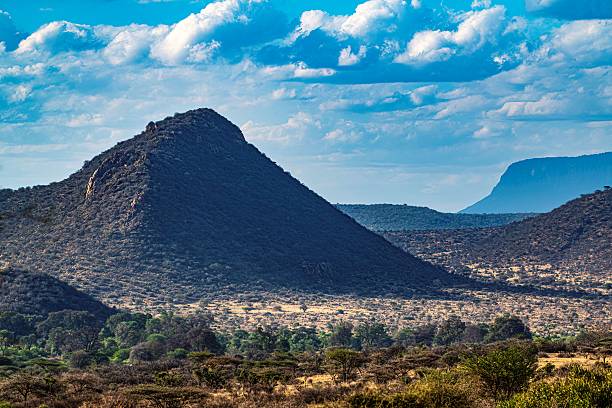
Lamai Wedge and Mara Triangle
Lamai Wedge and Mara Triangle: Two Crossing Zones Compared
The Lamai Wedge and Mara Triangle are two remarkable destinations for witnessing the Great Wildebeest Migration along the Mara River. Although both areas provide opportunities to observe wildebeest crossing crocodile-inhabited waters, they offer different safari experiences. Lamai Wedge lies in Tanzania’s northern Serengeti, while the Mara Triangle occupies the western section of Kenya’s Maasai Mara National Reserve.
Every year, enormous herds of wildebeest and zebras travel across the Serengeti–Mara ecosystem in search of suitable grazing. During the dry season, many gather near the Mara River, where strong currents, steep banks and Nile crocodiles create significant challenges. These crossings are among Africa’s most celebrated wildlife events, attracting travellers interested in photography, predator behaviour and large-scale animal movements.
Choosing between Lamai Wedge and Mara Triangle depends on your preferred safari atmosphere, accommodation style, travel dates and access to wildlife viewing areas. Lamai is generally associated with a remote northern Serengeti experience, while the Mara Triangle offers established access to Kenya’s migration landscape.
Both destinations can produce outstanding wildlife encounters, but neither guarantees a river crossing. Understanding their differences helps travellers select the location that best matches their interests.
Where Are Lamai Wedge and Mara Triangle Located?
Although Lamai Wedge and Mara Triangle are part of the same wider migration ecosystem, they lie in different countries.
Lamai Wedge, Tanzania
Lamai Wedge is situated in the far northern section of Serengeti National Park.
It occupies a triangular area between the Mara River and the Kenya–Tanzania border.
The region contains rolling hills, granite kopjes, open grasslands and riverine forests.
Its location near important Mara River crossing areas makes it attractive during the northern migration season.
Lamai is also known for its relatively remote atmosphere and limited number of safari camps compared with busier Serengeti regions.
Mara Triangle, Kenya
The Mara Triangle occupies the western portion of Kenya’s Maasai Mara National Reserve.
It covers approximately 510 square kilometres and is managed by the Mara Conservancy.
The Mara River forms an important boundary between the Triangle and other sections of the reserve.
The region includes open plains, rolling hills, riverine woodland and extensive wildlife habitats.
During the migration season, wildebeest may gather near crossing points within or accessible from the Mara Triangle.
Lamai Wedge vs Mara Triangle: Quick Comparison
| Feature | Lamai Wedge | Mara Triangle |
|---|---|---|
| Country | Tanzania | Kenya |
| Protected area | Serengeti National Park | Maasai Mara National Reserve |
| Main river | Mara River | Mara River |
| Landscape | Hills, kopjes, grasslands and riverine forest | Open plains, hills and riverine vegetation |
| Main crossing season | July–October | July–October |
| Particularly favourable period | August–September | August–September |
| Safari atmosphere | Remote and generally quieter | Established safari area with accessible game drives |
| Accommodation | Limited selection of camps | Lodges and tented camps in and around the area |
| Wildlife highlights | Wildebeest, zebras, lions, crocodiles | Wildebeest, zebras, lions, crocodiles and diverse resident wildlife |
| Main advantage | Remote northern Serengeti experience | Convenient access to Kenya’s migration habitats |
These differences are general characteristics. Actual crowd levels, crossing activity and driving distances depend on the season and individual locations.
1. How Wildebeest Move Through the Two Crossing Zones
Wildebeest migration does not follow a fixed route between Tanzania and Kenya.
Instead, herds respond to seasonal rainfall, grass growth and the availability of water.
During the early months of the year, large numbers gather on the southern Serengeti plains, where many females give birth.
As the dry season develops, herds move towards central, western and northern Serengeti.
Some eventually reach the Mara River and enter areas around Lamai Wedge.
Others continue moving into Kenya’s Maasai Mara ecosystem.
However, wildebeest may cross the Mara River several times during a season.
Their movements are not limited to a single journey northwards followed by one return crossing.
Why the Herds Change Direction
Rainfall influences where nutritious grasses develop.
A large herd may remain in one feeding area while grazing conditions are favourable.
If more suitable grass becomes available elsewhere, animals may gradually move towards it.
These changing feeding conditions explain why migration concentrations can shift between Lamai, Kogatende, the Mara Triangle and neighbouring habitats.
The presence of large herds in one region does not automatically mean the other region will have limited wildlife.
2. River Crossing Experiences in Lamai Wedge
Lamai Wedge provides access to the Tanzanian sections of the Mara River.
The surrounding landscape contains river bends, rocky areas and sections with difficult banks.
During suitable migration conditions, wildebeest may gather near accessible crossing locations before entering the water.
Some crossings involve large groups, while others contain relatively few animals.
What Makes Lamai Different?
One of Lamai’s main attractions is its remote atmosphere.
Compared with the busiest crossing areas around Kogatende or parts of the Maasai Mara, some Lamai locations experience fewer safari vehicles.
The landscape is also visually distinctive.
Rolling hills, granite kopjes and riverine vegetation create interesting photographic backgrounds.
However, Lamai is not automatically empty of vehicles during the migration season.
Popular crossing locations may still attract several guides and safari groups when large herds gather.
Are Lamai Crossings Guaranteed?
No.
Wildebeest may spend hours near the river without crossing.
Sometimes the animals approach the water before turning back.
Others cross at locations beyond the reach of a particular safari vehicle.
A good Lamai safari therefore combines river-crossing opportunities with broader wildlife viewing.
3. River Crossing Experiences in the Mara Triangle
The Mara Triangle is one of Kenya’s most important migration viewing areas.
Its location alongside the Mara River provides access to several sections where wildebeest may attempt crossings.
The surrounding grasslands support grazing herds as well as predators and other resident wildlife.
Visitors may observe wildebeest moving towards the river before gathering along its banks.
Why the Mara Triangle Is Popular
The Mara Triangle combines migration viewing with a well-established safari environment.
Visitors can search for river activity while also exploring open plains and woodland habitats.
Lions, elephants, buffaloes, giraffes, zebras and numerous antelope species may be encountered.
The area is also managed under established wildlife protection and visitor regulations.
During peak migration periods, however, vehicle concentrations can increase near active crossing locations.
A crossing that attracts many wildebeest may also attract considerable visitor attention.
This makes responsible vehicle positioning especially important.
4. Which Crossing Zone Has More Wildebeest?
There is no permanent answer.
The number of wildebeest in either location changes according to seasonal movements.
At certain times, large herds may be concentrated in northern Serengeti around Lamai and Kogatende.
During other periods, substantial numbers may be grazing in Kenya’s Maasai Mara ecosystem.
Wildebeest also spread across different feeding areas rather than remaining in one continuous herd.
Why Herd Numbers Vary
Several factors influence the distribution of migrating animals:
Recent rainfall patterns.
Availability of fresh grass.
Water distribution.
Seasonal movement of neighbouring herds.
Grazing pressure.
River conditions.
Access to suitable feeding areas.
For safari planning, recent migration reports can be useful, particularly when combined with historical seasonal patterns.
However, reports describing large herds near a particular crossing point can quickly become outdated.
5. Comparing the Best Time to Visit
The main Mara River crossing season generally extends from July to October.
August and September are often favourable months for visitors hoping to observe large crossing events.
However, the exact timing differs between years.
July: Early Northern Migration Activity
During July, many wildebeest may reach northern Serengeti.
Crossings can occur around Kogatende and Lamai, depending on herd movements.
Some animals may also begin entering Kenya’s Maasai Mara.
However, arrival times depend strongly on rainfall and grazing conditions.
August: Important Crossing Opportunities
August is often a productive month in both locations.
Large wildebeest herds may gather along different sections of the Mara River.
Lamai can provide excellent viewing when substantial concentrations remain in northern Serengeti.
The Mara Triangle may also experience significant activity as animals occupy Kenya’s grasslands.
September: Continued River Movements
September is another popular month for migration safaris.
Herds may cross in either direction, depending on grazing conditions.
Both Lamai and the Mara Triangle can offer opportunities to observe river crossings and predator encounters.
October: Changing Migration Patterns
During October, seasonal changes may encourage some herds to move southwards.
Crossings can continue in northern Serengeti and the Maasai Mara, although activity varies.
Some animals may already be travelling towards other grazing regions.
Crossing Season Comparison
| Month | Lamai Wedge | Mara Triangle |
|---|---|---|
| July | Possible early crossings | Increasing migration activity |
| August | Often favourable | Often favourable |
| September | Often favourable | Often favourable |
| October | Possible continued crossings | Possible late-season crossings |
| November | Herds often moving elsewhere | Many migratory herds may have moved south |
These periods provide general planning guidance rather than guaranteed sightings.
6. Which Area Offers Better Predator Sightings?
Both Lamai Wedge and Mara Triangle support predators.
Lions, spotted hyenas and Nile crocodiles are among the most important species associated with wildebeest migration.
However, their visibility depends on habitat, prey distribution and individual animal behaviour.
Predators in Lamai Wedge
Lamai contains suitable habitats for lions, leopards, spotted hyenas and other carnivores.
Granite kopjes and woodland areas can provide resting locations or concealment.
Nile crocodiles inhabit suitable sections of the Mara River.
During the migration, predators may take advantage of increased prey availability.
Predators in Mara Triangle
The Mara Triangle supports a diverse resident predator community.
Lions and spotted hyenas are often encountered during game drives.
Leopards may occur in suitable riverine and woodland habitats.
Cheetahs can also be found in appropriate open grassland areas.
Along the Mara River, crocodiles may attack wildebeest attempting to cross.
Which Is Better for Big Cats?
Neither destination can guarantee sightings of a particular predator.
The Mara Triangle offers extensive open grasslands and varied habitats suitable for wildlife viewing.
Lamai provides opportunities for predator encounters within a quieter and more rugged landscape.
The best choice depends on recent wildlife activity, guide experience and the amount of time available.
7. Comparing Safari Crowds
Crowd levels can influence the quality of a migration safari.
The Mara Triangle has established tourism facilities and can experience high vehicle numbers during the main migration season.
However, its management system includes measures intended to protect wildlife and regulate tourism.
Lamai Wedge is generally more remote and has fewer accommodation options.
This can produce a quieter experience, particularly away from heavily visited crossing locations.
Does Lamai Always Have Fewer Vehicles?
Not necessarily.
When large herds gather near a well-known crossing point, multiple safari vehicles may arrive.
Similarly, some parts of the Mara Triangle can feel relatively quiet when animals and visitors are dispersed.
The actual experience depends on the particular crossing location and time.
Travellers looking for a quieter safari should discuss their preferences with their operator rather than relying only on the reputation of a destination.
8. Safari Accommodation in Lamai Wedge
Accommodation in Lamai Wedge generally focuses on tented safari camps and remote wilderness experiences.
Some camps operate seasonally during the migration period, while others remain open for longer portions of the year.
Facilities vary considerably.
Luxury camps may provide comfortable furnished tents, private bathrooms, dining areas and guided game drives.
However, there are fewer accommodation choices than in some established safari regions.
Why Location Matters
A camp within the Lamai area may offer convenient access to some crossing locations.
However, driving times depend on the position of the camp, river access and local tracks.
Travellers should confirm where game drives operate before booking.
Being close to the Mara River does not necessarily mean being close to the crossing location used by the wildebeest on a particular day.
9. Safari Accommodation in the Mara Triangle
The Mara Triangle and surrounding parts of the Maasai Mara ecosystem provide several accommodation choices.
Travellers can consider safari lodges, permanent tented camps and other professionally managed facilities.
Some accommodation offers convenient access to river-crossing areas, while other properties require longer transfers.
What Should You Consider?
When comparing camps, examine:
Distance from authorised river viewing areas.
Expected migration activity during your travel month.
Availability of experienced safari guides.
Game-drive arrangements.
Accommodation comfort and facilities.
Daily transfer requirements.
Applicable reserve or conservancy fees.
A well-located camp can improve opportunities to observe migration activity without guaranteeing a crossing.
10. How Accessible Are Lamai Wedge and Mara Triangle?
Travel arrangements differ because the two destinations are in separate countries.
Reaching Lamai Wedge
Lamai is usually reached through a combination of road transfers and domestic safari flights.
Many fly-in itineraries use Kogatende Airstrip, followed by a transfer to the selected camp.
Travellers on longer northern Tanzania road safaris may also reach the area through Serengeti’s internal road network.
Driving distances can be substantial, so itinerary planning is important.
Reaching Mara Triangle
The Mara Triangle can be accessed through Kenya’s road network and domestic safari flights serving the Maasai Mara region.
Travellers commonly begin their safaris from Nairobi.
The final transfer depends on the selected camp or lodge.
Because conditions and routes vary, actual journey times should be confirmed with the safari operator.
11. Can You Visit Both Areas on One Safari?
Yes, it is possible to combine northern Serengeti and the Maasai Mara in one itinerary.
However, Lamai Wedge and Mara Triangle are separated by the international border between Tanzania and Kenya.
Travellers cannot simply drive across the river or cross the border wherever the wildebeest do.
Cross-border journeys require authorised immigration procedures and suitable transport arrangements.
Depending on the itinerary, a combination of flights and road transfers may be necessary.
Is Combining Both Worthwhile?
A combined safari can provide a broader understanding of the Great Migration.
Travellers experience different landscapes and may observe herd movements in both countries.
However, such itineraries require additional travel time and expense.
For a shorter safari, spending several days in one well-chosen migration region may provide a more relaxed experience.
12. Which Zone Is Better for Wildlife Photography?
Both destinations provide excellent photographic opportunities.
Lamai is particularly attractive for photographers interested in varied landscapes.
Its hills, kopjes and riverine habitats provide different backgrounds for wildlife images.
The Mara Triangle offers extensive open plains and impressive opportunities for photographing large herds.
Photography Advantages
Lamai Wedge
Rugged northern Serengeti scenery.
Granite kopjes and rolling hills.
Potentially quieter wildlife viewing.
Riverine habitats and migration activity.
Opportunities for wider landscape photographs.
Mara Triangle
Expansive grassland scenery.
Large seasonal wildebeest concentrations.
Established game-drive routes.
River-crossing opportunities.
Diverse predator and herbivore photography.
Camera Equipment
A 100–400 mm telephoto zoom lens is useful for photographing wildebeest and predators from a safari vehicle.
For fast-moving animals, a shutter speed of approximately 1/1000–1/2000 second can help freeze movement when lighting conditions permit.
A wider lens can capture migration landscapes and the scale of large herds.
Photographers should avoid pressuring guides to approach riverbanks too closely or interfere with natural animal movements.
13. How Long Should You Stay in Either Area?
Travellers focused on river crossings should consider spending three or four nights in their selected destination.
This provides several opportunities to search for active herds.
A longer stay also allows time to explore surrounding wildlife habitats.
However, crossings remain unpredictable.
Even a week near the Mara River cannot guarantee that wildebeest will enter the water while you are watching.
For travellers combining both regions, a safari of approximately seven to ten days can provide enough time for wildlife viewing and necessary transfers, depending on the route.
14. Responsible Wildlife Viewing at River Crossings
The Great Migration attracts large numbers of safari visitors during the peak season.
Responsible viewing practices are essential to protect wildlife.
Vehicles should remain in authorised areas and avoid obstructing wildebeest approaching crossing points.
Drivers must follow protected-area regulations.
Visitors should never encourage guides to chase herds, block movement routes or disturb resting predators.
Why Vehicle Positioning Matters
Wildebeest may hesitate for extended periods before entering the river.
Excessive vehicle pressure can interfere with their movements.
Inappropriate positioning may block access to suitable crossing locations or cause animals to retreat.
Maintaining distance allows wildlife to move naturally and provides a better safari experience.
Both Tanzanian and Kenyan authorities enforce rules intended to protect wildlife and visitors.
15. Which Crossing Zone Should You Choose?
The best destination depends on your safari priorities.
Choose Lamai Wedge If You Prefer:
A remote northern Serengeti setting with relatively limited accommodation and opportunities to explore rugged landscapes.
Lamai can be particularly attractive to photographers and travellers seeking a quieter safari atmosphere.
It is also suitable for itineraries focused on northern Tanzania.
Choose Mara Triangle If You Prefer:
A migration safari within Kenya’s Maasai Mara ecosystem, combining river-crossing opportunities with diverse resident wildlife.
The Mara Triangle is particularly suitable for travellers beginning their journeys in Nairobi or combining the Maasai Mara with other Kenyan destinations.
What About River-Crossing Opportunities?
Neither location is consistently superior in every season.
When large herds gather near Lamai, northern Serengeti may provide excellent opportunities.
When substantial concentrations occupy the Mara Triangle, Kenya may offer equally rewarding experiences.
The movement of wildebeest is more important than the reputation of any one crossing point.
Why Both Crossing Zones Are Worth Visiting
Lamai Wedge and Mara Triangle offer two distinctive ways to experience the Great Wildebeest Migration.
Lamai provides a remote northern Serengeti atmosphere with rugged scenery and access to important Tanzanian sections of the Mara River.
The Mara Triangle combines extensive grasslands, varied resident wildlife and established safari facilities within Kenya’s Maasai Mara ecosystem.
Both locations can produce remarkable river-crossing encounters, but the timing and scale of activity change according to rainfall, grazing conditions and herd movements.
For travellers planning a migration safari, choosing accommodation near suitable viewing areas and allowing several days for exploration can improve opportunities.
An experienced guide, realistic expectations and responsible wildlife viewing are essential in both regions.
Whether you choose Tanzania’s Lamai Wedge or Kenya’s Mara Triangle, the experience offers an opportunity to understand the seasonal movements, feeding needs and survival challenges of wildebeest within the wider Serengeti–Mara ecosystem.


No comment