
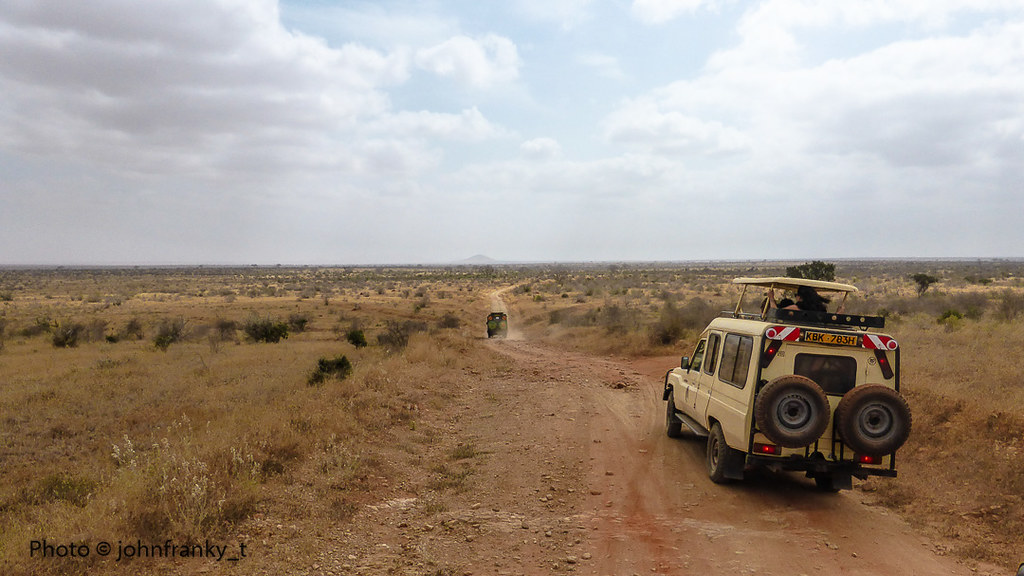
Hiring a Driver-Guide vs Renting a Car in Uganda
Choosing between hiring a driver-guide and renting a car for self-driving is an important decision when planning a holiday in Uganda. The choice affects your budget, flexibility, comfort and ability to explore the country’s cities, countryside and national parks. Both options can work well, but the best choice depends on your driving experience, itinerary, travel style and the amount of responsibility you want to manage during the trip.
Uganda has a wide range of travel experiences, from exploring Kampala and Entebbe to visiting Murchison Falls National Park, Queen Elizabeth National Park, Kibale Forest, Bwindi Impenetrable National Park and Lake Bunyonyi. Reaching these destinations often involves long drives, changing road surfaces and unfamiliar traffic conditions. Some journeys use paved highways, while others require travel on gravel or rough roads, especially near rural accommodation and protected areas.
Hiring a driver-guide allows you to concentrate on the journey while a local professional handles the driving and helps you understand the places you visit. Renting a car for self-driving gives you greater independence and direct control over your schedule. Understanding the advantages and limitations of each option can help you choose the most suitable arrangement for your Ugandan holiday.
Understanding the Difference Between a Driver-Guide and Self-Drive Car Rental
A driver-guide arrangement means you rent a vehicle with a professional driver who takes you between destinations. Depending on the service, the driver may also provide information about local culture, history, wildlife and tourism activities. Some driver-guides specialise in safari travel and have experience with national park routes, wildlife viewing and the practical requirements of visiting remote destinations.
A self-drive rental means you hire the vehicle and drive it yourself. You are responsible for navigation, road decisions, fuel management, parking and following local traffic regulations. You may arrange your own accommodation, park activities and sightseeing schedule, or book these separately through a tour operator.
The two options can sometimes be combined. For example, you might rent a car for a few days in Kampala and Entebbe, then hire a driver-guide for a longer safari. Another option is to self-drive between major towns and arrange a local transfer or specialist guide for a particular activity.
Before booking either option, clarify exactly what the service includes. A driver-guide package may not automatically cover fuel, accommodation, meals, park fees or the guide’s expenses. Similarly, a self-drive rental may exclude comprehensive insurance, additional drivers, roadside assistance or permission to cross international borders.
The Advantages of Hiring a Driver-Guide in Uganda
One of the main advantages of hiring a driver-guide is that you do not need to concentrate on driving throughout the journey. You can look at the scenery, take photographs when it is safe to stop, talk with your travel companions and arrive at your destination without having spent hours navigating unfamiliar roads.
This can be particularly valuable on long journeys. Travelling from Entebbe or Kampala towards western Uganda, for example, may involve several hours on the road before reaching your accommodation. If you are also planning an early-morning wildlife activity or primate trek, having someone else drive can make the itinerary less tiring.
A knowledgeable local driver can also help you understand road conditions and choose appropriate routes. They may be familiar with common traffic delays, roadworks, rural junctions and the condition of roads leading to particular lodges or park entrances. This local knowledge can be useful when a journey requires adjustments because of rain, congestion or unexpected delays.
For safari travellers, a driver-guide with relevant experience can contribute to the overall experience. Depending on their training and specialisation, they may help identify wildlife, explain local landscapes and provide practical information about park procedures. However, the level of guiding expertise varies, so travellers should confirm whether their booking includes a qualified safari guide or a driver whose main responsibility is transport.
Hiring a driver-guide is also useful for visitors who are unfamiliar with driving on the left, have limited experience on rural roads or prefer not to deal with traffic in a new country. It allows them to focus on the holiday rather than learning every aspect of local driving conditions during the trip.
The Advantages of Renting a Car for Self-Driving
The biggest advantage of self-driving is independence. You decide when to leave, where to stop and how long to spend at each destination. If you discover an interesting market, scenic viewpoint or lakeside village, you can adjust your schedule without coordinating with a driver.
Self-driving can also provide greater privacy. Couples, families and small groups may prefer travelling without a professional driver accompanying them throughout the day. This can be especially appealing on longer holidays when travellers want quiet time between activities.
For confident drivers, renting a car may reduce transport costs. You pay for the vehicle and associated expenses without adding a separate driver-guide fee. However, self-driving is not automatically cheaper in every situation. Fuel, insurance, vehicle recovery, parking, accommodation and any additional rental charges must be included when comparing the total cost.
Self-driving can work particularly well for visitors who have experience driving on the left, are comfortable navigating unfamiliar roads and have enough time to handle unexpected delays. Travellers who have previously driven in Uganda or neighbouring countries may find the experience easier because they already understand local traffic patterns and road conditions.
However, independence comes with responsibility. You must monitor road conditions, manage fuel stops, follow traffic regulations, handle navigation and contact the rental company if the vehicle develops a problem. If you are unfamiliar with four-wheel-drive vehicles, rough rural roads or long-distance driving, these responsibilities can make the journey more demanding than expected.
Understanding Uganda’s Road Conditions
Road conditions are an important consideration when deciding between a driver-guide and self-driving. Uganda has paved highways connecting major towns, but many rural routes and roads around tourism destinations include gravel, earth or uneven surfaces.
Driving in Kampala can be challenging for visitors who are unfamiliar with the city. Traffic congestion, motorcycles, minibuses, pedestrians and frequent junctions require constant attention. During busy periods, a short journey can take much longer than expected.
Outside the capital, the main highways connect destinations such as Jinja, Fort Portal, Mbarara and Gulu. Even on paved roads, drivers should expect speed bumps, roadworks, potholes and traffic moving at different speeds. Rural roads may pass directly through villages where pedestrians and livestock use the same space as vehicles.
The final approach to some lodges and national parks can be more demanding than the main journey. Roads may become steep, narrow or slippery after rain. A suitable vehicle is important, but ground clearance and four-wheel-drive capability do not remove the need for careful driving.
A local driver-guide may be better prepared to recognise difficult sections and choose a suitable route. Self-drivers can also manage these roads successfully when they have the right vehicle, sufficient experience and accurate information about current conditions.
Which Option Is Better for a Uganda Safari?
For a safari that includes several national parks, the choice depends on your driving ability, itinerary and interest in wildlife. A driver-guide can be particularly valuable when travelling between distant destinations or visiting parks for the first time.
Murchison Falls National Park involves travel through northern Uganda, with journeys that can include long highway sections and unpaved roads near the park. A driver-guide can manage navigation and help coordinate arrival times for activities. Self-driving remains an option for travellers who are comfortable with long-distance driving and have booked an appropriate vehicle.
Queen Elizabeth National Park offers game drives, boat trips and opportunities to explore different parts of the park. Visitors travelling independently must understand the park’s road network and follow its rules. A knowledgeable driver-guide can help manage the timing of activities and may improve the wildlife-viewing experience through familiarity with the area.
Kibale Forest National Park is popular for chimpanzee trekking, while Bwindi Impenetrable National Park is known for mountain gorilla trekking. These journeys require careful planning because accommodation locations, trekking sectors and access roads can affect travel times. A driver-guide can help coordinate the road journey with the scheduled activity, while self-drivers need to allow sufficient time and confirm their arrangements in advance.
Kidepo Valley National Park is a more remote destination that generally requires a longer journey. Travellers should pay particular attention to fuel availability, vehicle condition, road information and the time needed to reach accommodation. For visitors unfamiliar with remote driving, a professional driver-guide can provide valuable support.
Whichever option you choose, confirm whether your vehicle is suitable for the entire itinerary. Do not assume that a car suitable for city travel will be appropriate for every national park route.
Comparing the Total Cost
Cost is often the deciding factor when choosing between a driver-guide and self-driving. However, the most useful comparison is the total cost of the trip rather than the daily vehicle rental price alone.
With a self-drive rental, the main expenses may include the vehicle rental, fuel, insurance, security deposit, parking and any applicable fees for additional equipment or roadside assistance. Some rental companies also impose mileage restrictions or additional charges for certain routes.
With a driver-guide, you may pay a higher daily rate because the service includes the driver’s time and expertise. Depending on the agreement, you may also need to cover the driver’s meals, accommodation, park-related charges or other expenses. These details should be confirmed before booking.
For a couple travelling for a week, self-driving may appear less expensive, particularly if the route is straightforward and the vehicle is economical. However, a driver-guide may offer better overall value if the itinerary includes long drives, remote parks and several scheduled activities.
For a family or group sharing one vehicle, the additional driver cost may be divided among several people. This can make the difference less significant per traveller. A group should also consider whether a larger vehicle is necessary for passengers and luggage.
Request written quotations for both arrangements using the same itinerary and vehicle category. Compare what each price includes, then account for fuel, driver expenses, insurance and support services. This gives you a more realistic picture of the financial difference.
Safety Considerations for Self-Driving
Self-driving in Uganda can be rewarding, but visitors should be realistic about their abilities. A valid driving licence is essential, and foreign visitors should confirm whether their licence is recognised and whether an international driving permit is needed for their circumstances.
Before leaving the rental office, inspect the vehicle and understand its controls. Check the tyres, lights, brakes, spare tyre and basic emergency equipment. Ask the rental company how to contact roadside assistance and what to do if the car breaks down.
Plan your routes before departure and download maps for areas where mobile coverage may be unreliable. Do not depend entirely on a phone’s navigation system, particularly on remote roads. Ask about road conditions before entering unfamiliar rural areas.
Avoid unnecessary night driving. Poor lighting, pedestrians, animals and damaged road surfaces can make rural journeys difficult after dark. Plan realistic travel times and stop for the night if delays make it unsafe to continue.
Keep your doors secured in busy traffic, store valuables out of sight and park in suitable locations. These are sensible precautions for any visitor, whether travelling with a driver or independently.
How to Choose a Reliable Driver-Guide
Hiring a driver-guide means placing an important part of your holiday in someone else’s hands. Choose a professional with relevant experience, a valid driving licence and a clear understanding of your itinerary.
Ask whether the person is primarily a driver or a trained safari guide. These roles can overlap, but they are not identical. A driver may be experienced in transport and navigation without having specialised knowledge of wildlife identification or guiding activities.
Confirm the driver’s experience with your intended routes. Someone who regularly drives between Kampala and Jinja may not have the same experience navigating remote park roads or mountain routes near Bwindi. Ask about relevant experience rather than assuming that every driver has the same skills.
Check recent reviews, references or recommendations where available. If you book through a tour operator, verify the company’s credentials and ask who will provide the service. Uganda’s tourism authorities maintain information about licensed tourism businesses, which can help travellers check an operator’s standing.
Agree on the daily schedule, expected driving hours, stops and responsibilities before the trip begins. Discuss whether the driver will remain with you throughout the itinerary and how changes to the schedule will be handled.
It is also worth discussing communication preferences. A good working relationship helps the journey run smoothly, especially when you need to adjust departure times, take breaks or respond to changing weather conditions.
Questions to Ask Before Booking a Car
Whether you choose self-drive or a driver-guide, ask the rental company about the vehicle’s condition, insurance coverage and roadside assistance. Find out what happens if the car breaks down and whether a replacement vehicle can be arranged.
Confirm the fuel policy and whether mileage is unlimited or restricted. Ask whether the rental agreement permits travel to every destination on your itinerary, including remote areas and national parks.
If you choose a driver-guide, ask whether the quoted price includes the driver’s meals, accommodation and other expenses. Clarify whether fuel is included and whether the driver is also responsible for guiding during wildlife activities.
For self-drive rentals, check the security deposit, damage policy and required documents. Make sure you understand how existing vehicle damage should be recorded and how the rental company handles disputes.
If you plan to cross into Rwanda, Kenya or Tanzania, obtain written confirmation that the vehicle may leave Uganda. Cross-border travel can require additional documentation, insurance and permission from the rental company.
These questions are easier to resolve before payment than after the trip has started. A clear agreement reduces misunderstandings and helps you budget accurately.
Can You Combine Self-Driving With a Driver-Guide?
You do not necessarily have to choose one arrangement for the entire holiday. Combining self-driving with professional transport can provide a useful balance between independence and convenience.
For example, you might spend a few days exploring Kampala and Entebbe using local taxis or a rental car, then arrange a driver-guide for a longer safari. This allows you to avoid the demands of extended rural driving while retaining flexibility during the urban part of your trip.
Another option is to rent a car for straightforward journeys between major towns and arrange a local driver or specialist guide for particular destinations. If you intend to do this, confirm that your rental agreement allows the proposed use of the vehicle and that all driving responsibilities are clear.
Some travellers prefer to hire a driver-guide for the entire holiday but maintain control over their itinerary. A private driver does not automatically mean you must follow a fixed group-tour schedule. Discuss your preferred pace, sightseeing stops and accommodation choices before booking.
The best arrangement is one that matches your needs rather than forcing every part of the holiday into a single transport model.
The Best Choice for Different Types of Travellers
First-time visitors to Uganda who plan to visit several national parks often benefit from hiring a driver-guide. It reduces the pressure of unfamiliar roads and provides local assistance during a trip that may involve long distances and scheduled wildlife activities.
Experienced drivers who enjoy independent travel may prefer self-drive, particularly when they have enough time to explore at their own pace. This option works best when the route is realistic, the vehicle is appropriate and the driver is comfortable with local conditions.
Families with young children may value the convenience of a driver-guide because adults can focus on the children during long journeys. Travellers who are uncomfortable driving in heavy traffic may also find this arrangement more relaxing.
Budget-conscious couples and solo travellers should compare the full costs rather than automatically choosing self-drive. A rental may be less expensive, but the difference depends on the vehicle, duration, fuel consumption and any additional charges.
For photographers, birdwatchers and wildlife enthusiasts, a driver-guide with relevant specialist knowledge may add considerable value. However, travellers who already know the region and prefer independent exploration may find self-driving more suitable.
Making the Right Decision for Your Uganda Trip
Hiring a driver-guide and renting a car for self-driving are both practical ways to explore Uganda. The better option depends on your driving experience, the places you plan to visit, your budget and how much independence you want.
A driver-guide is particularly useful for first-time visitors, multi-park safaris and journeys involving long distances or challenging rural roads. Self-driving is attractive to confident travellers who value privacy, flexibility and direct control over their schedule.
Before making a decision, compare the full costs, check the vehicle’s suitability and confirm the services included in the rental agreement. If you choose self-drive, prepare your routes carefully and avoid driving beyond your comfort level. If you hire a driver-guide, verify their experience and agree on the itinerary and expenses in advance.
The goal is not simply to choose the cheapest transport option. It is to select an arrangement that allows you to travel safely, reach your destinations comfortably and enjoy Uganda without unnecessary stress.






No comment