
Sunrise and Sunset Times in East Africa: Planning Your Game Drives
Planning a safari in East Africa involves more than choosing a national park, booking accommodation, and deciding which animals you want to see. The time you leave your lodge in the morning and return in the evening can have a major influence on your wildlife experience. Sunrise and sunset determine the available daylight, influence animal activity, affect photography conditions, and help guides decide when to explore different parts of a park.
Uganda, Kenya, Tanzania, and Rwanda lie close to the equator, so daylight hours remain fairly consistent throughout the year. In many locations, sunrise occurs at approximately 6:00 to 7:00 AM, while sunset takes place around 6:00 to 7:00 PM. These are general estimates rather than fixed times. The exact timing depends on the destination, date, and local geography.
For safari travellers, this consistency makes it possible to plan early-morning and late-afternoon game drives throughout most of the year. However, the best schedule depends on more than the clock. Wildlife behaviour, weather, park regulations, driving distances, and the location of your accommodation all influence how much you can achieve during a day in the wilderness.
Understanding sunrise and sunset times before travelling helps you prepare for early departures, choose suitable activities, and make better use of the hours when wildlife is most active.
What Time Does the Sun Rise and Set in East Africa?
Across much of East Africa, sunrise and sunset occur at relatively similar times throughout the year. This happens because the region is close to the equator, where the difference between the longest and shortest days is much smaller than in countries farther from the equator.
In Uganda, sunrise commonly occurs around 6:30 AM, with sunset near 6:30 to 7:00 PM, depending on the location and date. Kampala and Entebbe experience only modest seasonal changes in daylight. The same general pattern applies to much of Kenya and Tanzania, although the exact times differ between destinations.
Rwanda also experiences relatively consistent daylight hours, but it operates one hour behind Uganda, Kenya, and Tanzania. Uganda, Kenya, and mainland Tanzania use East Africa Time, which is UTC+3, while Rwanda uses Central Africa Time, which is UTC+2. Travellers moving between these countries should account for the time-zone difference when arranging transfers, flights, and early-morning activities.
The following estimates provide a useful starting point for planning a safari day.
Uganda: Sunrise is generally around 6:30 to 7:00 AM, with sunset around 6:30 to 7:00 PM. Murchison Falls National Park, Queen Elizabeth National Park, and Lake Mburo National Park follow broadly similar daylight patterns, although local sunrise and sunset times vary slightly.
Kenya: In Nairobi and many safari destinations, sunrise generally occurs around 6:00 to 7:00 AM, while sunset falls around 6:00 to 7:00 PM. The exact time depends on the location, including whether you are visiting the Maasai Mara, Amboseli, Samburu, or another destination.
Tanzania: Many destinations experience sunrise between approximately 6:00 and 7:00 AM and sunset between 6:00 and 7:00 PM. The Serengeti, Ngorongoro Conservation Area, Tarangire National Park, and other wildlife destinations have small differences in local solar timing.
Rwanda: Sunrise and sunset follow a similar daylight pattern, but local clock times are generally one hour earlier than in Uganda, Kenya, and Tanzania because Rwanda uses UTC+2. This is particularly important when coordinating airport transfers or travelling between Rwanda and neighbouring countries.
These estimates should not replace a date-specific sunrise and sunset check. Before travelling, confirm the local times for your destination and the operating hours of the national park you intend to visit.
Why Sunrise Is Important for Morning Game Drives
The early morning is one of the most productive periods for wildlife viewing in East Africa. Temperatures are usually cooler, light levels gradually improve, and many animals are feeding, moving between habitats, or returning from overnight activities.
Predators such as lions and leopards may still be active after hunting during the night. Lions often rest during the hotter hours, so an early departure can improve your chances of seeing them before they disappear into thick vegetation or shade. Hyenas may also be returning to their dens, while other nocturnal animals become less active as daylight increases.
Herbivores benefit from the cooler conditions too. Zebras, antelopes, buffalo, and giraffes may be feeding in open grassland before temperatures rise. Elephants can be seen moving through the bush, feeding, or travelling towards water. Birdwatchers also benefit from the morning period because many bird species begin calling, feeding, and moving through their habitats around dawn.
For photographers, sunrise creates soft light that helps reveal the texture and colour of wildlife. The warm tones can produce excellent images of elephants crossing open plains, giraffes feeding against the sky, or lions resting in the grass.
A morning game drive commonly begins between 6:00 and 7:00 AM, depending on the park, accommodation location, gate-opening hours, and the preferences of the guide. Some lodges organise an earlier wake-up call so guests can have a hot drink before departing. The exact departure time should always be agreed upon with your guide rather than assumed to be the same at every destination.
If your main goal is to see predators, photograph wildlife, or experience the bush while it is still cool, an early-morning game drive is usually a strong choice.
The Best Time to Leave for a Morning Game Drive
A useful approach is to plan your departure around local sunrise and park access arrangements. Leaving shortly before or around first light can help you reach productive wildlife areas as daylight improves, provided the park rules and road conditions allow it.
For example, if sunrise is at approximately 6:30 AM, your guide might arrange a departure around 6:00 AM or another suitable time based on the lodge’s location and the park’s opening hours. If the accommodation is outside the park, you may need additional time to reach the entrance and complete any required formalities.
Staying inside or near a national park can make early starts easier. Guests who stay farther away may need to wake up earlier to cover the distance before the most productive morning period passes.
The first few hours after sunrise are often particularly rewarding. As the light improves, you may find animals grazing in open areas, predators resting after nocturnal activity, and birds moving through the landscape. The guide can adjust the route according to recent sightings, animal movements, weather, and the type of wildlife you hope to encounter.
Avoid treating a particular departure time as a guarantee of sightings. Wildlife is unpredictable, and some mornings are quieter than others. An experienced guide can improve your chances by understanding animal behaviour and knowing where to look, but no schedule can guarantee a lion hunt, leopard sighting, or close encounter with elephants.
Why Sunset Matters for Afternoon Game Drives
Late afternoon is another important period for wildlife viewing. As the temperature drops, some animals leave shaded resting places and begin feeding or moving between water sources. Predators may also become more active as the day cools, preparing for the evening and night.
An afternoon game drive commonly begins between 3:00 and 4:00 PM, depending on the destination and the time available before the park’s closing restrictions apply. The drive can continue into the late afternoon, but the guide must follow the relevant park regulations regarding permitted driving hours and return times.
The light becomes warmer as the sun approaches the horizon. This creates attractive conditions for wildlife photography, especially when animals are standing in open grassland or moving across the landscape. Long shadows can add depth to images, while the changing colours of the sky can create striking backgrounds.
Afternoon drives may offer opportunities to watch elephants heading towards water, buffalo grazing in open areas, giraffes feeding among scattered trees, or antelopes gathering in herds. Depending on the destination, you may also see lions resting before becoming active later in the evening.
Sunset does not automatically mean that wildlife viewing ends everywhere at the same moment. Some parks require visitors to leave designated areas or reach their accommodation by a specified time. Other destinations offer authorised night drives or evening activities under separate rules. Travellers should never assume that they can continue driving after dark simply because animals are becoming active.
The best afternoon schedule combines enough time for wildlife viewing with a realistic plan for returning safely and complying with park regulations.
Understanding Golden Hour for Wildlife Photography
Golden hour is the period around sunrise and sunset when sunlight is low in the sky and often appears warmer and softer than it does around midday. It is especially valuable for safari photography because it can produce natural colours, gentle shadows, and a pleasing balance between the animal and its surroundings.
In East Africa, the sun’s relatively direct path near the equator means that the most attractive low-angle light can pass quickly. Photographers should therefore be ready before sunrise or well before sunset rather than waiting until the sun is already close to the horizon.
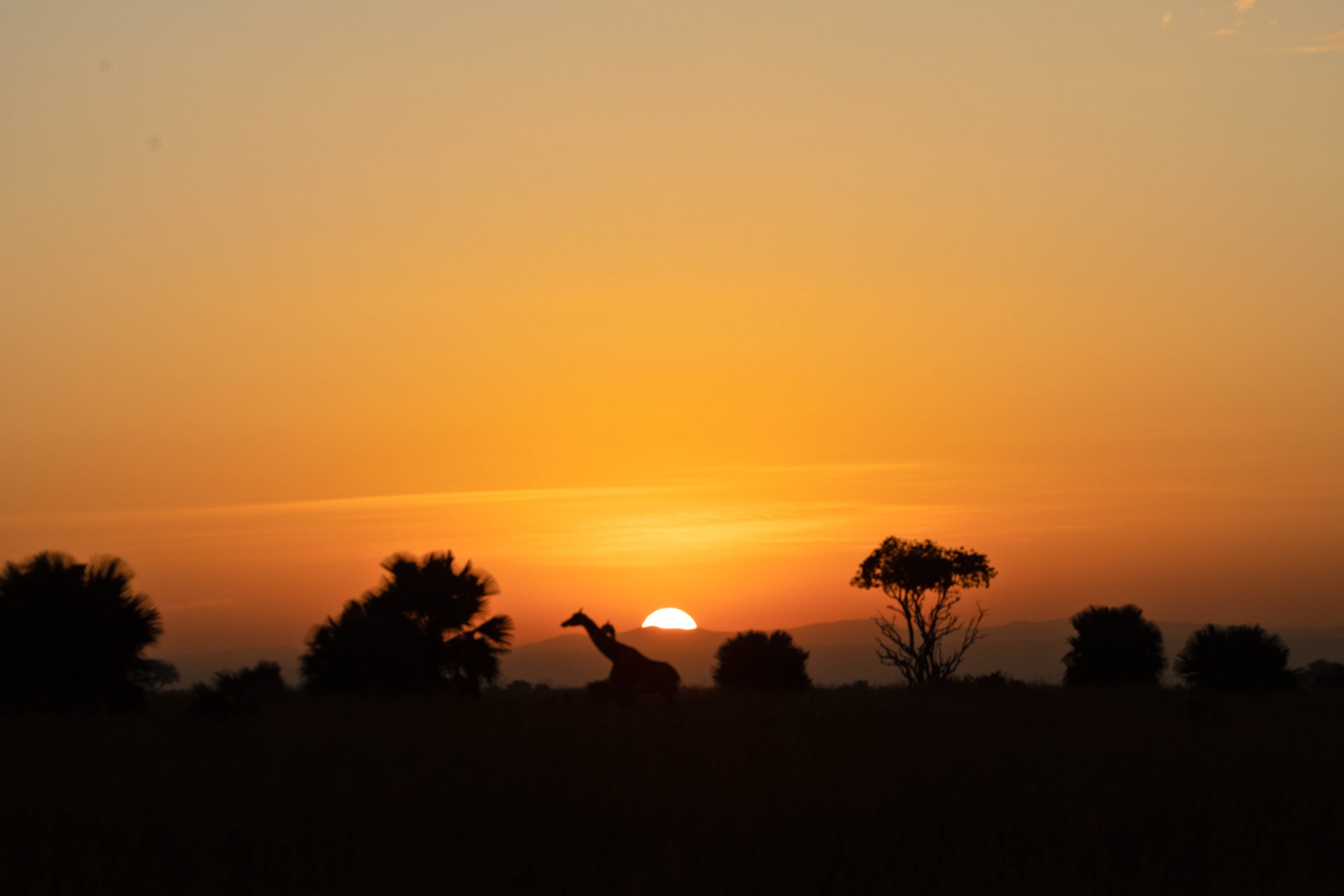
During the morning, the light gradually brightens and can reveal details in fur, feathers, horns, and vegetation. It may also create atmospheric scenes when mist or dust is present. At sunset, warm light can illuminate an elephant herd, highlight the outline of a giraffe, or produce silhouettes of wildlife against the sky.
The quality of light depends on cloud cover, humidity, dust, and the direction in which the vehicle is facing. A cloudy morning may produce softer light for longer, while a clear afternoon can create a short period of intense golden colour.
Photographers should also consider the animal’s position. Side lighting can emphasise texture, while backlighting can create a silhouette. Taking photographs from a safe and respectful distance is more important than positioning a vehicle for the perfect image.
If photography is a priority, tell your guide before the game drive begins. They may be able to allow more time at suitable sightings, choose routes with open views, or adjust the vehicle’s position without disturbing the animals or blocking other visitors.
How Daylight Changes Throughout the Year
East Africa does not experience the dramatic summer and winter daylight differences found in northern Europe or North America. Because much of the region lies close to the equator, the length of the day changes only modestly throughout the year.
Nevertheless, sunrise and sunset do not occur at exactly the same time every day. The timing shifts gradually with the date, and local geography creates differences between places. A safari in northern Tanzania may have slightly different solar times from one in western Uganda, even if both destinations have similar daylight hours.
The rainy seasons also affect how daylight feels on the ground. Cloud cover may make early mornings appear darker, while heavy rain can reduce visibility and influence how wildlife moves. A clear afternoon may provide excellent photography conditions, whereas thick clouds can soften the light and create a different atmosphere.
During dry periods, thinner vegetation in some habitats can make animals easier to spot. In wetter months, fresh grass and greener scenery can improve the visual appeal of a safari, although tall vegetation may hide smaller animals. These seasonal factors often influence game viewing more than small differences in sunrise times.
For this reason, a good safari plan considers both the clock and the season. Checking sunrise and sunset is useful, but understanding local weather patterns, habitat conditions, and wildlife behaviour gives you a more complete picture of what to expect.
Planning Game Drives in Uganda
Uganda offers several national parks where early-morning and late-afternoon game drives can provide excellent opportunities to observe savannah wildlife. Although the exact schedules differ between parks, the country’s relatively consistent daylight makes it possible to plan similar daily routines throughout the year.
In Murchison Falls National Park, morning drives across the northern savannah can provide opportunities to see giraffes, elephants, buffalo, antelopes, and predators. An early departure allows more time to explore before the heat of the day increases. Afternoon drives can also be productive, particularly when animals are moving between feeding areas and water sources.
Queen Elizabeth National Park offers a range of habitats, including open plains, woodland, and areas near the Kazinga Channel. Morning drives can be rewarding for viewing lions, Uganda kob, elephants, and other wildlife. The Ishasha sector, known for its tree-climbing lions, may require a separate plan because reaching the area and searching suitable habitats takes time.
Lake Mburo National Park is a useful option for visitors with a shorter itinerary. The park supports zebras, impalas, elands, buffalo, and other species, and game drives can be arranged around the cooler morning and afternoon periods. Its location also makes it a possible stop for travellers moving between Kampala and southwestern Uganda.
Kidepo Valley National Park offers a more remote wilderness experience. Because daytime temperatures can become high, an early start is especially valuable. Travellers should also consider the time needed to reach wildlife areas and the distances involved when planning their daily activities.
Across these destinations, the best departure time depends on accommodation location, park access, and the itinerary. Confirm arrangements with your guide before the evening preceding a game drive so that transport, breakfast, and any required guiding services can be coordinated.
Planning Game Drives in Kenya
Kenya’s wildlife destinations also benefit from carefully timed morning and afternoon drives. In the Maasai Mara, an early departure can provide opportunities to observe predators and grazing herbivores while the landscape is still cool. During periods when the Great Migration is present, guides may also focus on herd movements, although the animals’ location depends on rainfall and grazing conditions.
Amboseli National Park is known for elephant viewing and views towards Mount Kilimanjaro when weather conditions permit. Morning light can create excellent photographic opportunities, especially when elephants are moving across open areas. Cloud cover around the mountain varies, so a clear view cannot be guaranteed.
Samburu and other northern Kenyan destinations have their own ecological conditions. Temperatures, vegetation, water availability, and the distribution of wildlife can influence the most productive route at different times of day.
Nairobi National Park offers game drives within reach of the capital, making it suitable for travellers with limited time. However, visitors must check the park’s current opening hours and allow enough time to enter, explore, and leave before closing.
When planning a Kenyan safari, do not rely only on a general sunrise time for the country. Check the specific destination, ask your accommodation about departure arrangements, and allow your guide to adapt the route to current wildlife conditions.
Planning Game Drives in Tanzania
Tanzania’s major wildlife destinations offer different safari experiences, but the early morning and late afternoon are important periods across much of the savannah.
In the Serengeti National Park, morning drives can provide opportunities to see predators, grazing herds, and other wildlife as daylight spreads across the plains. During the wildebeest calving season, the location of the herds can influence where guides concentrate their efforts. At other times of the year, the Great Migration may be in different parts of the ecosystem.
The Ngorongoro Conservation Area offers a different setting, with wildlife viewing often centred on the crater and surrounding landscapes. Travellers should plan departure times carefully because the journey from accommodation to the main wildlife-viewing areas can affect how much time is available on the ground.
Tarangire National Park is well known for elephants and its seasonal wildlife concentrations. Morning and afternoon drives can both be rewarding, particularly when herds are moving between feeding areas and water. The best locations vary with the time of year.
If your itinerary includes several parks, remember that transfer days may reduce the time available for game drives. Long drives between destinations should not be treated as full wildlife-viewing days unless the itinerary specifically includes suitable stops or activities. An itinerary with realistic driving times and well-planned overnight stays is more likely to provide a relaxed experience.
Planning Game Drives in Rwanda
Rwanda is best known internationally for mountain gorilla trekking and primate experiences, but it also offers savannah wildlife viewing in Akagera National Park. Sunrise and sunset planning remains important, particularly for visitors who want to make the most of game drives.
Akagera’s landscapes include open grassland, woodland, lakes, and wetlands. Morning drives can provide opportunities to see elephants, giraffes, buffalo, antelopes, and predators. Afternoon drives offer another chance to explore different habitats as temperatures begin to fall.
Visitors should check local time carefully when travelling from Uganda, Kenya, or Tanzania because Rwanda is one hour behind those countries. This difference can affect airport transfers, connecting journeys, and any activity booked for early morning.
Gorilla trekking in Volcanoes National Park follows a different schedule from a conventional savannah game drive. Visitors generally attend a briefing before entering the forest with guides and trackers. The start time and duration depend on the arrangements made by park authorities and the location of the gorilla group, rather than simply on sunrise and sunset.
Travellers combining Akagera with gorilla trekking should therefore plan each activity according to its own requirements instead of applying the same departure schedule to every day of the itinerary.
What to Do During the Middle of the Day
The hours around midday are often warmer, and many animals reduce their activity or seek shade. This makes the period between late morning and mid-afternoon a useful time to rest, eat lunch, review photographs, or prepare for the next activity.
However, midday should not be considered a complete waste of safari time. Animals can still be seen feeding, drinking, moving through open habitats, or resting in places where they are easy to observe. Elephants may continue feeding for much of the day, and water sources can remain productive viewing areas.
A boat cruise, guided nature activity, birdwatching session, or visit to a scenic viewpoint may fit well into the middle of the day, depending on the destination and the available services. In Uganda, boat excursions on the Nile in Murchison Falls National Park or along the Kazinga Channel in Queen Elizabeth National Park can complement game drives without requiring visitors to spend every daylight hour in a vehicle.
The right schedule also depends on personal comfort. Families with children, older travellers, and people who prefer a slower pace may benefit from a longer midday rest. Photographers may choose to remain in the field when conditions are suitable, particularly if they are following a specific wildlife subject.
A balanced safari does not require continuous activity from sunrise to sunset. Allowing time for rest can make early departures more manageable and leave you with enough energy to appreciate the afternoon drive.
How to Prepare for Early Morning and Evening Drives
Early mornings can feel cool, especially when travelling in an open-sided vehicle or driving through elevated areas. A light jacket, long trousers, and comfortable closed shoes are useful even in destinations that become hot later in the day. A scarf or light layer may help protect against wind and dust.
As the day warms up, sunscreen, a hat, sunglasses, and drinking water become important. Keep camera batteries charged and carry any lenses or binoculars you expect to use. If you are photographing wildlife, check your equipment before leaving the lodge so that you do not miss an opportunity while preparing your camera.
For evening drives, follow your guide’s advice about clothing and equipment. Light levels fall quickly after sunset, and visibility can become limited. Do not ask the driver to continue into restricted areas or beyond authorised hours simply because you hope to see a nocturnal animal.
If your itinerary includes a night drive, confirm that the activity is permitted in the destination and arranged through an authorised operator. Night drives are not available in every park, and they may have specific requirements involving guides, vehicles, or accommodation.
It is also useful to agree on breakfast arrangements, packed meals, and the expected return time the previous evening. Clear planning reduces delays and allows the guide to focus on the wildlife experience.
Common Mistakes When Planning Around Sunrise and Sunset
One common mistake is assuming that sunrise is the same across every East African destination. Although the region shares broadly similar daylight patterns, the exact time varies by location and date. Travellers should use local times rather than applying a single schedule to an entire multi-country itinerary.
Another mistake is booking accommodation far from a park entrance without considering the extra travel time. A lodge may offer comfortable rooms and attractive facilities, but a long drive to the gate can reduce the time available during the early-morning wildlife period.
Some visitors also assume that sunset means they can remain in the park for as long as they wish. National parks have their own rules, and the permitted return time may not match the exact moment the sun disappears below the horizon. Guides must comply with the applicable regulations.
A further mistake is trying to fit too many activities into one day. A long transfer, a morning game drive, a boat cruise, and an afternoon drive may not all fit comfortably into the same schedule. The result can be unnecessary rushing and less time to appreciate individual sightings.
Finally, do not judge the success of a safari solely by the number of animals seen during a particular hour. Wildlife moves naturally, and some of the most memorable experiences come from spending time observing a single animal or watching the landscape change as the sun rises or sets.
Building a Practical Safari Schedule
A practical safari day begins with a realistic departure time, enough time for breakfast or a hot drink, and a clear understanding of the day’s route. If sunrise is around 6:30 AM, a morning departure around 6:00 AM may be suitable where local rules and accommodation arrangements permit it. Your guide can confirm the appropriate time for the particular park.
The morning drive can continue for several hours, depending on your interests and the itinerary. Returning to the lodge late in the morning allows time for breakfast or lunch, rest, and other activities. An afternoon drive can then begin around 3:00 or 4:00 PM, with the exact timing adjusted to sunset and the park’s closing rules.
On full-day drives, the schedule may be different. In large parks, a packed lunch and a longer route can allow you to explore areas that would be difficult to reach during a short morning or afternoon excursion. Full-day drives should be planned carefully so that the route, meals, vehicle arrangements, and return time are realistic.
For multi-day itineraries, vary the activities where possible. A morning game drive can be followed by a boat cruise or a relaxed afternoon, while another day may focus on a different wildlife area. This approach provides variety without making every day exhausting.
Before travelling, confirm local sunrise and sunset times for each destination, check park operating hours, and discuss your preferred wildlife experiences with your guide. A little preparation helps you make better use of daylight while leaving room for the unexpected moments that make an African safari memorable.
East Africa’s consistent daylight makes year-round safari planning relatively straightforward, but the most rewarding game drives still depend on good timing and local knowledge. Early mornings offer cooler conditions and opportunities to observe active wildlife, while late afternoons provide another productive period and beautiful photographic light. By planning around local sunrise and sunset, allowing enough time for travel, and respecting park regulations, you can make the most of each day in Uganda, Kenya, Tanzania, and Rwanda.







No comment