
Best Time to See Baby Animals on Safari
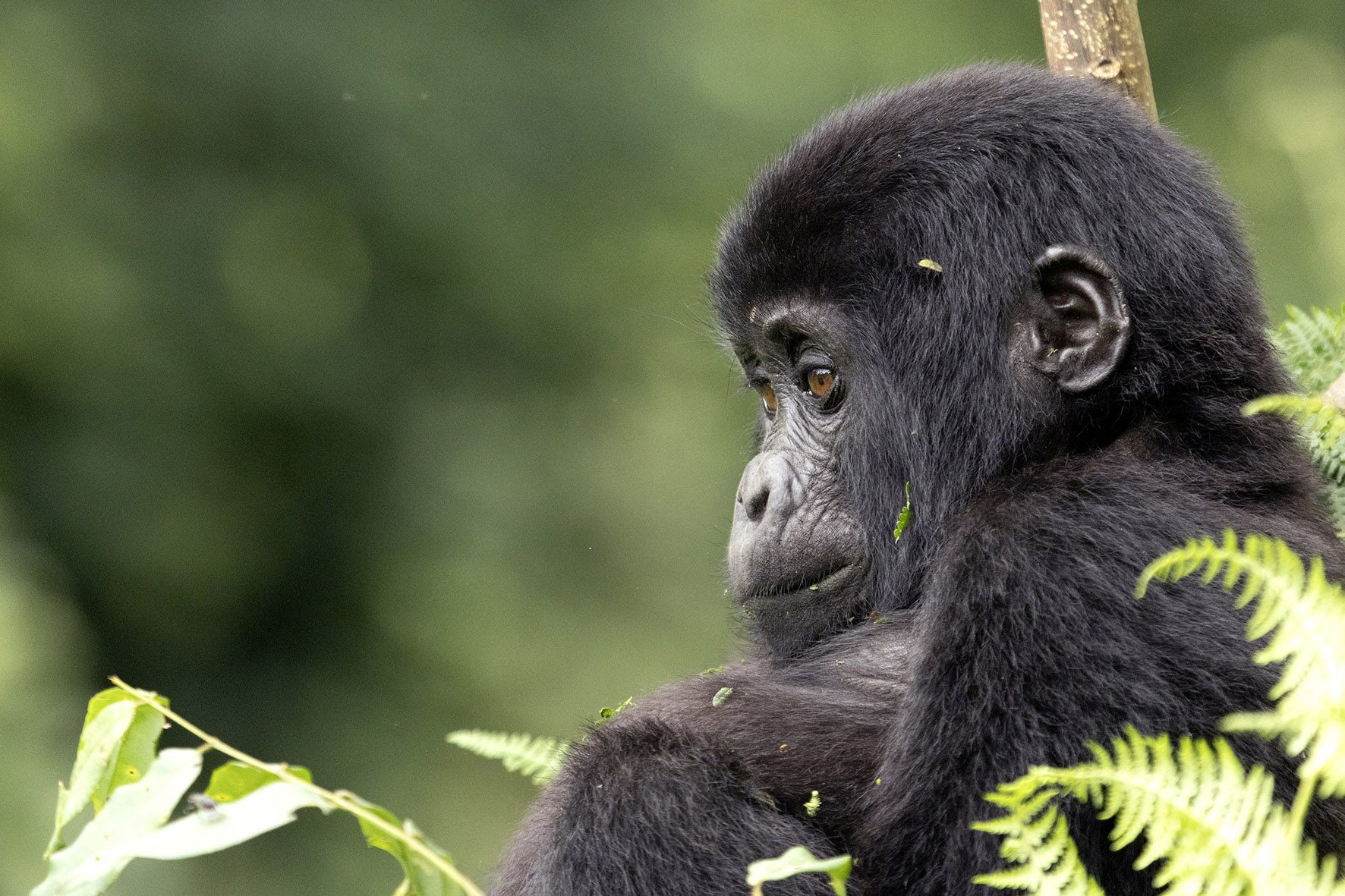
Seeing baby animals in the wild is one of the most rewarding experiences on an African safari. A young elephant staying close to its mother, a lion cub exploring the grass, a giraffe calf taking its first steps, or a herd of wildebeest moving across the plains with newborn calves creates unforgettable moments for wildlife lovers and photographers. These encounters also reveal a different side of the African wilderness, where survival depends on maternal care, herd protection, seasonal food supplies, and the ability of young animals to adapt to their surroundings.
The best time to see baby animals on safari depends on the destination, the species you hope to encounter, and the seasonal patterns that influence breeding and birth. In East Africa, the months between December and March are particularly important for wildebeest calving in Tanzania’s southern Serengeti. Other animals give birth throughout the year, meaning that travellers can encounter young wildlife in Uganda, Kenya, Rwanda, and other African destinations during different seasons.
Understanding these patterns helps you choose a safari that matches your interests. If you want to photograph newborn wildebeest, watch lion cubs learning to hunt, or observe elephant calves walking beside their families, planning around the right season can improve your chances. However, wildlife follows natural rhythms rather than fixed schedules, so no particular month can guarantee sightings of newborn animals.
Why Timing Matters When Planning a Baby Animal Safari
Many African animals time their breeding and births around rainfall, vegetation growth, and the availability of water. These environmental conditions influence whether mothers can obtain enough food to produce milk, recover after giving birth, and raise their young during the vulnerable early stages of life.
For grazing animals, fresh grass is particularly important. When seasonal rains produce nutritious vegetation, female wildebeest, zebras, antelopes, and other herbivores can find the food they need to support pregnancy and nursing. Some species give birth within a relatively short period, creating a seasonal concentration of newborn animals across the landscape.
Predators respond to these patterns because young herbivores provide opportunities for hunting. Lions, cheetahs, hyenas, and leopards may become more successful when large numbers of vulnerable young animals are present. This relationship makes certain periods especially interesting for visitors who want to observe predator behaviour as well as newborn wildlife.
Not every species follows the same schedule. Elephants have long pregnancies, while many antelope species reproduce according to seasonal conditions. Lions can give birth at different times of the year, and giraffe calves may appear throughout the seasons. Consequently, the best month for one animal may not be the best month for another.
Your choice of destination also matters. The southern Serengeti is famous for wildebeest calving, while Uganda offers opportunities to see elephant calves, young antelopes, buffalo calves, and other wildlife in its savannah parks. Kenya’s Maasai Mara supports many young animals during different parts of the year, and its elephant populations offer opportunities to observe family groups across the seasons.
December to March: The Best Period for Wildebeest Calving
The period from December to March is one of the most exciting times to see baby animals in East Africa, particularly in Tanzania’s southern Serengeti and the adjoining Ndutu area. During this period, large numbers of wildebeest gather on the short-grass plains, where many females give birth.
Wildebeest calving is one of Africa’s most remarkable wildlife events. Thousands of calves can be born across the plains within a relatively short period, although the timing and intensity vary according to rainfall and grazing conditions. A newborn calf needs to stand soon after birth and develop the strength to keep up with its mother and the herd.
The landscape during this period can be exceptionally beautiful. Fresh green grass spreads across open plains, and herds of wildebeest move through the area with zebras and gazelles. The presence of so many young herbivores also attracts predators, including lions, cheetahs, hyenas, and occasionally leopards in suitable habitats.
For visitors interested in wildlife photography, the calving season offers opportunities to capture mothers nursing their young, newborn calves resting in the grass, and herds moving across the plains. Predator behaviour can also be fascinating to observe, although sightings of actual hunts are unpredictable and should never be expected on demand.
The southern Serengeti is generally the main focus for this experience, but wildlife movements change with the rains. If rainfall arrives earlier or later than expected, herds may shift between grazing areas. A well-planned itinerary should therefore allow flexibility rather than depend on a single location being guaranteed to hold the largest concentrations of animals.
Travellers visiting during January and February often have particularly good opportunities to see wildebeest calves, but December and March can also be productive. The best choice depends on current grazing conditions, recent rainfall, and the location of the herds when you travel.
March to May: Young Wildlife During the Green Season
March, April, and May bring wetter conditions to many parts of East Africa. Although these months are often less popular for traditional game-viewing holidays because of rainfall and muddy roads, they can still offer rewarding opportunities to see young animals.
By this stage, many wildebeest calves born earlier in the year are becoming stronger and more mobile. Visitors may see young animals feeding beside their mothers, moving with herds, and learning to respond to danger. Other herbivore species may also have young animals in the grasslands, woodlands, and wetlands.
The green season transforms the scenery. Grass grows taller, trees become greener, and seasonal water sources fill. These conditions create beautiful photographic backgrounds and support many species of birds, including breeding residents and migratory visitors during parts of the season.
In Uganda, the wet months can provide opportunities to see young animals in parks such as Queen Elizabeth National Park and Murchison Falls National Park. Buffalo calves, young antelopes, and elephant calves may be observed when wildlife is encountered in suitable habitats. The precise timing of births varies by species and local conditions, so sightings depend on the animals present during a particular visit.
The main disadvantage is that heavy rainfall can affect driving conditions and visibility. Tall grass may make smaller animals harder to spot, and some tracks become muddy. A flexible itinerary, a knowledgeable guide, and a suitable safari vehicle help manage these challenges.
For travellers who value green landscapes, fewer crowds in some areas, and opportunities to photograph wildlife against fresh vegetation, the green season deserves consideration. It is particularly suitable for people who want more than a checklist of large animals and appreciate the changing appearance of the African wilderness.
June to August: A Good Time for Elephant Calves and Young Herbivores
June, July, and August are popular safari months across much of East Africa. In many destinations, relatively dry conditions improve road access and make wildlife easier to observe as animals gather around permanent water sources and move through more open vegetation.
This period is particularly suitable for visitors who want a general wildlife safari with opportunities to see young animals along the way. Elephant herds may include calves of different ages, from very young individuals staying close to their mothers to older calves that are becoming more independent.
Elephants are especially interesting because their young depend on family groups for protection, guidance, and learning. A calf may walk between adult females, shelter beneath its mother’s body, or investigate its surroundings while older elephants remain close. Family groups sometimes gather around water, providing opportunities to observe social behaviour from a safe distance.
Young buffalo, antelopes, zebras, and other herbivores may also be present in suitable areas. Birth periods vary, so the number of newborns differs between parks and species. The dry season should not be treated as a universal calving season, but it can make young wildlife easier to locate when animals use predictable routes to water.
In Uganda, Murchison Falls National Park offers savannah wildlife viewing, including elephants, giraffes, buffalo, and antelopes. Queen Elizabeth National Park supports elephants, buffalo, Uganda kob, and other wildlife across a variety of habitats. Lake Mburo National Park provides opportunities to look for zebras, impalas, elands, and other grazing animals.
Kenya’s Maasai Mara and Tanzania’s Serengeti also offer excellent general wildlife viewing during these months. However, the location of the Great Migration changes throughout the year, and visitors hoping to see wildebeest calves should distinguish between the southern Serengeti calving season and the migration’s later movements.
June to August is a strong option if your priority is a comfortable, wildlife-focused holiday with a reasonable chance of seeing young animals alongside other major safari highlights.
September to November: Young Wildlife as the Seasons Change
September, October, and November bring changing conditions across East Africa. Some areas remain relatively dry before the short rains begin, while others receive showers that gradually improve grazing and water availability.
These months can be rewarding for visitors looking for elephant calves, young antelopes, buffalo calves, and other wildlife. In certain areas, the return of rain encourages animals to move into newly productive grazing grounds. The resulting changes can influence where mothers and their young spend time.
The timing of the short rains varies by location and year. Some destinations may receive rain in October, while others experience more substantial rainfall in November. These differences mean that wildlife viewing can vary significantly between parks even during the same month.
In Tanzania, the Great Migration often moves northwards or begins returning towards the southern plains as conditions change. The precise route depends on rainfall and grass availability. Although September to November is not the main wildebeest calving period in the southern Serengeti, visitors may still see young animals within the herds and other resident wildlife.
In Kenya and Uganda, this period can offer rewarding encounters with family groups and young herbivores, particularly where water and grazing conditions attract wildlife. Visitors should prepare for occasional showers and understand that wet conditions may affect some roads.
For photographers, changing weather can create dramatic skies, softer light, and fresh colours. Rain can also make roads slippery and reduce visibility in tall vegetation, so choosing a destination with suitable infrastructure and allowing enough time for game drives is important.
Best Time to See Baby Elephants on Safari
Elephant calves can be seen throughout the year because elephant births do not occur within one short annual season. Female elephants have a gestation period of approximately 22 months, one of the longest among mammals. As a result, births are spread across the year rather than concentrated into a single predictable window.
The best time to see elephant calves is therefore often determined by the destination, the presence of elephant herds, and the quality of wildlife viewing conditions. During dry periods, herds may gather around rivers, lakes, and other reliable water sources. These locations can provide good opportunities to observe mothers and calves interacting.
Young elephants are highly dependent on their mothers and the wider herd. Calves learn how to find food, use their trunks, recognise threats, and move through different habitats by following experienced adults. Their playful behaviour can be especially memorable, particularly when several young elephants are together.
Uganda’s Murchison Falls National Park and Queen Elizabeth National Park are useful destinations for travellers hoping to see elephants in savannah landscapes. Kenya’s Amboseli ecosystem is well known for elephant viewing, while Tanzania’s Tarangire National Park supports substantial elephant populations, especially during parts of the dry season.
No particular month guarantees a newborn calf. However, planning a trip during a period of good general wildlife viewing can improve the likelihood of encountering elephant families. Early morning and late afternoon game drives are often productive because animals may be feeding or moving during cooler hours.
Best Time to See Lion Cubs
Lion cubs can be born throughout the year, so there is no single month that guarantees sightings. Their visibility depends on where a pride has established its territory, whether cubs are being kept in a den or sheltered area, and how frequently the pride moves.
During their earliest weeks, lion cubs are particularly vulnerable. Their mothers may keep them hidden in dense vegetation or other sheltered locations while they grow stronger. As the cubs become more mobile, they may begin appearing with their mothers and other members of the pride.
Seeing young lions playing, resting together, or following adults can be a memorable safari experience. Older cubs gradually develop the coordination and confidence needed to move with the pride. They may chase one another, practise stalking movements, and interact with other young lions.
The Serengeti and Ngorongoro Conservation Area in Tanzania, Kenya’s Maasai Mara, and Uganda’s Queen Elizabeth National Park are among the destinations where visitors may encounter lions and, with luck, their cubs. Murchison Falls National Park in Uganda also supports lions.
The best approach is to choose a destination with a healthy lion population and allow sufficient time for game drives. An experienced guide may know where prides have recently been seen, but cubs can remain hidden for extended periods. Responsible wildlife viewing also means avoiding pressure on a pride simply to obtain a closer photograph.
Best Time to See Baby Giraffes
Giraffe calves are born throughout the year, and their height at birth makes them relatively easy to distinguish from adults once they are standing and moving through open areas. A newborn giraffe must cope with a considerable drop to the ground at birth and soon needs to stand and follow its mother.
Young giraffes are often seen feeding alongside adults or resting within a group. Their long legs, smaller bodies, and shorter necks make them recognisable even when they are several metres away. As they grow, they become increasingly capable of keeping pace with the herd.
In Uganda, Murchison Falls National Park is a key destination for seeing Rothschild’s giraffes. Visitors may also encounter young giraffes in Kenya’s giraffe habitats and in parts of Tanzania where giraffes occur. The species and subspecies present vary by location, so travellers interested in a particular type should choose their destination accordingly.
Dry-season travel can make giraffes easier to observe where vegetation is less dense, although young animals may be seen in other seasons as well. Open savannah and woodland habitats provide good opportunities to watch giraffes feeding, walking, and interacting with their young.
Best Time to See Baby Zebras and Antelopes
Zebras and antelopes are among the most likely young animals to encounter during a general safari because they are widespread in many East African grasslands and savannah ecosystems. Their breeding patterns differ by species and habitat, and some populations show stronger seasonal patterns than others.
Zebra foals are often seen close to their mothers, learning to recognise the herd and respond to threats. Their striped coats help them blend visually into groups, and a foal may stay near its mother while the herd moves between grazing areas.
Antelope species such as impala, Uganda kob, Thomson’s gazelle, topi, and eland have different reproductive patterns. Some populations give birth in seasonal peaks, while others produce young at more varied times. The availability of nutritious grass and the timing of rainfall can influence these patterns.
The southern Serengeti is particularly important for wildebeest calves, while Kenya’s Maasai Mara and Tanzania’s wider Serengeti ecosystem support numerous antelope species. In Uganda, visitors can look for young Uganda kob, impala, waterbuck, and other herbivores in suitable habitats. Lake Mburo National Park is a useful destination for viewing zebras and several antelope species.
When planning a trip specifically around newborn herbivores, it is worth asking which species are most likely to have young during your travel dates. A safari designed around the Great Migration will differ from one focused on resident wildlife in Uganda or Kenya.
Best Time to Photograph Baby Animals
Wildlife photography depends on more than the season. Light, animal behaviour, vegetation, distance, and the time available at a sighting all influence the quality of photographs.
Early morning and late afternoon are often excellent periods for photography because the light is softer and many animals are active during cooler hours. These conditions can produce more natural colours and reduce the harsh shadows associated with midday sunlight.
The green season can provide attractive backgrounds, particularly when grasslands are fresh and the sky is dramatic. However, tall grass may partly hide newborn animals, and rain can create difficult conditions for camera equipment. Dry-season vegetation may offer clearer views, although dusty landscapes can produce a different photographic effect.
A telephoto lens is useful for photographing mothers and young animals without approaching them too closely. Photographers should avoid blocking an animal’s route, separating a calf from its mother, or encouraging a guide to move a vehicle into a sensitive position. Flash photography should be avoided when it could disturb wildlife.
Patience is essential. A baby animal may remain behind its mother for much of a sighting, or the group may move into vegetation before you have taken the photograph you hoped for. Observing the interaction rather than concentrating only on the camera often produces a more rewarding experience.
How to Plan a Safari Around Baby Animals
Begin by identifying the animals you most want to see. If wildebeest calves are your priority, focus on the southern Serengeti and Ndutu during the main calving season, generally between December and March. If you are interested in elephant calves, young giraffes, zebras, and several antelope species, you can consider a broader range of destinations and travel months.
Next, decide whether you prefer a safari focused on a particular wildlife event or a more varied itinerary. A calving-season trip can provide remarkable concentrations of animals, while a safari in Uganda or Kenya may combine young wildlife with landscapes, birdwatching, boat excursions, and other experiences.
Allow enough time in each destination. Spending several nights in an area gives you more opportunities to observe different herds and revisit promising locations. Wildlife sightings are never guaranteed, and a rushed itinerary can reduce the time available to wait for animals to behave naturally.
Work with a knowledgeable local guide who understands seasonal wildlife movements. Recent information about rainfall, grazing conditions, animal locations, and road access can be more useful than relying on a general calendar alone. This is especially important in the Serengeti, where migrating herds move in response to environmental conditions.
Accommodation and transport also influence the experience. Lodges and camps near suitable wildlife habitats can reduce driving time, while a reliable safari vehicle makes it easier to spend longer periods in the field. During busy travel periods, booking accommodation and permits for relevant activities well in advance can help secure the itinerary you want.
Most importantly, remember that baby animals are vulnerable. Keep a respectful distance, remain quiet when possible, and follow your guide’s instructions. Never attempt to touch, feed, call, or approach a newborn animal. Its mother may react defensively if she perceives a threat, and unnecessary disturbance can affect the animal’s behaviour.
What to Expect During a Baby Animal Safari
A safari focused on young wildlife is not simply about finding newborn animals. It is an opportunity to observe how animals learn to survive and how family groups function in the wild.
You may watch an elephant calf following its mother towards water, a zebra foal staying close to its herd, or a giraffe calf feeding beside adults. During the wildebeest calving season, you may see large numbers of calves across the plains, alongside predators and scavengers that are part of the same ecosystem.
Not every sighting will involve a newborn. Some young animals will already be several weeks or months old, and others may remain hidden from view. This variation is natural and forms part of the experience.
A good itinerary balances focused wildlife viewing with enough flexibility to respond to conditions on the ground. It also recognises that the best safari moments are not always the most dramatic. Watching a mother gently guide her young, seeing a calf imitate an adult, or observing a herd resting peacefully can be just as meaningful as witnessing a predator encounter.
For travellers who want to experience Africa’s wildlife at its most vulnerable and fascinating stage, timing the trip around breeding and calving patterns is an excellent starting point. December to March is especially important for wildebeest calving in the southern Serengeti, while elephant calves, giraffe calves, lion cubs, zebra foals, and other young animals can be encountered across East Africa during different parts of the year. Choose the destination according to the species you hope to see, allow enough time for wildlife viewing, and remain flexible because nature does not follow a fixed travel calendar.







No comment