
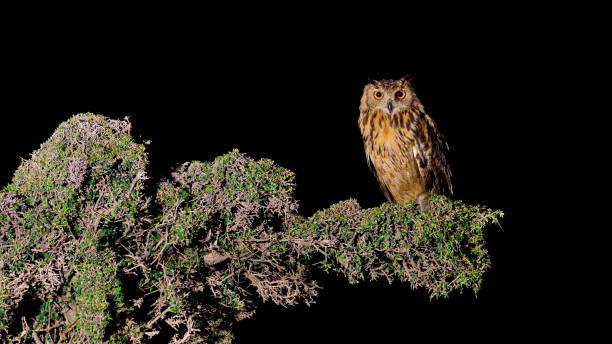
Owls on Night Drives: Eagle-Owls and Owlets
Owls on night drives are among the most fascinating birds to observe during an African wildlife safari. While most visitors concentrate on finding lions, leopards, hyenas and other nocturnal mammals, Uganda’s savannahs and woodlands also provide opportunities to encounter remarkable birds of prey after sunset. From the enormous Verreaux’s Eagle-Owl to the tiny Pearl-spotted Owlet, these birds are known for their excellent hunting abilities, distinctive calls and remarkable adaptations to life in the dark.
Night drives in Uganda’s national parks offer a different birdwatching experience from daytime excursions. As daylight disappears, some owls begin calling from hidden branches, while others watch quietly for rodents, insects and other small animals. A knowledgeable safari guide may locate an owl resting on a tree or hunting along an open woodland track. However, not every owl is strictly nocturnal. Some owlets are active during daylight, making them interesting birds to look for on both morning and evening drives.
What Makes Owls Special Among African Birds?
Owls are birds of prey belonging to the order Strigiformes. They occur in forests, savannahs, wetlands, mountains and agricultural landscapes throughout Africa.
Most species have large forward-facing eyes, strong talons, hooked bills and specialised feathers that help them fly quietly.
Their facial discs, the rounded arrangements of feathers around their eyes, help direct sound towards their ears. This makes hearing especially important when searching for prey in darkness.
Unlike many daytime birds of prey, most owls depend heavily on sound and low-light vision to locate food.
Quick Facts About African Owls
| Feature | Description |
|---|---|
| Bird order | Strigiformes |
| Main families | Strigidae and Tytonidae |
| Main habitats | Savannahs, forests, wetlands and woodland |
| Main food | Rodents, insects, reptiles, birds and other small animals |
| Hunting period | Mostly nocturnal, although some species hunt during daylight |
| Common identification features | Facial discs, hooked bills and strong talons |
| Uganda birdwatching destinations | Lake Mburo, Murchison Falls, Queen Elizabeth and suitable forest habitats |
| Best viewing conditions | Quiet environments with suitable habitat and limited disturbance |
1. Verreaux’s Eagle-Owl: Africa’s Giant Owl
The Verreaux’s Eagle-Owl (Ketupa lactea, also widely listed as Bubo lacteus) is one of Africa’s largest owls.
It is sometimes called the Giant Eagle-Owl because of its impressive size and powerful appearance.
Adults measure approximately 58–66 centimetres in length and have broad wings, a heavy body and prominent ear tufts.
One of its most distinctive features is the pink colouring of its upper eyelids, which contrasts with its dark eyes and pale grey facial disc.
How to Identify Verreaux’s Eagle-Owl
Look for a large, greyish owl with small ear tufts, dark eyes and a broad facial disc bordered with darker feathers.
Its pale pink eyelids may become visible when the bird blinks.
The species often perches on strong branches in mature trees, particularly within savannah woodland and riverine habitats.
Verreaux’s Eagle-Owls feed on a wide variety of animals, including rodents, birds, reptiles and other small vertebrates.
They are capable of taking relatively large prey compared with smaller owl species.
Where to Look in Uganda
Suitable woodland and savannah habitats in Murchison Falls National Park, Queen Elizabeth National Park and other protected areas provide opportunities to search for this impressive owl.
Sightings are relatively uncommon, and visitors should not expect to encounter one on every night drive.
2. Spotted Eagle-Owl: The Familiar Savannah Hunter
The Spotted Eagle-Owl (Bubo africanus) is a medium-sized owl with a rounded head, prominent ear tufts and yellow-orange eyes.
Its plumage contains greyish-brown markings and numerous spots that provide camouflage against rocks, tree bark and dry vegetation.
It is most often associated with open woodland, rocky areas and savannah landscapes.
How to Identify a Spotted Eagle-Owl
Important features include its yellow-orange eyes, prominent ear tufts, spotted upperparts and barred underparts.
The bird typically measures approximately 43–50 centimetres in length.
Spotted Eagle-Owls hunt rodents, insects, reptiles and other small animals.
They may perch on trees, rocks or elevated structures while watching for movement on the ground.
Spotted Eagle-Owl or Verreaux’s Eagle-Owl?
The easiest difference is size. Verreaux’s Eagle-Owl is substantially larger and has dark eyes with pink eyelids.
The Spotted Eagle-Owl is smaller and has conspicuous yellow-orange eyes.
Both species can occur in savannah habitats, although their local distributions and abundance differ.
3. Pearl-Spotted Owlet: The Tiny Owl With False Eyes
The Pearl-spotted Owlet (Glaucidium perlatum) is one of Africa’s most recognisable small owls.
Despite its name, the Pearl-spotted Owlet is a fully developed owl species, rather than a young eagle-owl.
Adults measure approximately 17–21 centimetres in length.
Its brown plumage contains numerous pale spots, while its bright yellow eyes give it an alert appearance.
Perhaps its most unusual feature is the pair of dark markings on the back of its head, surrounded by pale feathers.
These markings resemble false eyes and may help discourage predators or other birds from approaching from behind.
Is the Pearl-Spotted Owlet Nocturnal?
Unlike many larger owls, Pearl-spotted Owlets are frequently active during daylight.
They may hunt insects, reptiles and small birds in the early morning or late afternoon.
They also remain active around dusk and during parts of the night.
For this reason, birdwatchers may have better opportunities to observe them during ordinary daytime game drives than during late-night excursions.
Where to Find Pearl-Spotted Owlets
Look for small owls in dry woodland, acacia trees and wooded savannah habitats.
Suitable areas in Lake Mburo and Murchison Falls national parks can provide opportunities.
Their distinctive whistling calls often reveal their presence before visitors see them.
4. African Scops-Owl: The Small Master of Camouflage
The African Scops-Owl (Otus senegalensis) is a tiny nocturnal bird that blends remarkably well with tree bark.
Adults generally measure about 16–19 centimetres in length.
Their grey or brown plumage contains fine streaks that resemble rough tree bark.
When resting, they may stretch their bodies upright and raise their ear tufts, making them difficult to distinguish from surrounding branches.
How to Recognise an African Scops-Owl
The species has prominent ear tufts, yellow eyes and heavily patterned plumage.
Its call is a repeated, soft whistling note that may continue at regular intervals.
African Scops-Owls feed mainly on insects and other small animals.
They are often associated with woodland, savannah trees and suitable wooded environments.
A night drive through acacia woodland may provide an opportunity to hear one, although seeing the bird can be difficult.
5. African Barred Owlet: A Small Woodland Hunter
The African Barred Owlet (Glaucidium capense) is another small owl found in parts of sub-Saharan Africa.
It has a rounded head without prominent ear tufts, yellow eyes and strongly barred plumage.
Like the Pearl-spotted Owlet, it may be active during daylight.
The species inhabits suitable woodland and forest-edge environments.
How to Tell It Apart From the Pearl-Spotted Owlet
Pearl-spotted Owlets have obvious pale spots on their upperparts and distinctive false-eye markings behind the head.
African Barred Owlets show stronger barring across much of the body.
Their calls also differ, making careful listening useful.
Because these owlets can be secretive and locally distributed, sightings depend on habitat and location.
6. Other Owls Birdwatchers May Encounter in Uganda
Uganda supports several additional owl species, although not all are typical night-drive sightings.
The African Wood-Owl (Strix woodfordii) lives mainly in forest environments. It has a rounded head without ear tufts and produces distinctive calls after dark.
The African Grass-Owl (Tyto capensis) favours suitable grassland and wetland habitats, where it hunts small mammals.
The Western Barn Owl (Tyto alba) is recognised by its pale plumage and heart-shaped facial disc. It may occupy farmland, buildings and suitable open habitats.
Uganda also supports specialised forest owls, including species that are difficult to observe without dedicated forest birdwatching excursions.
Why Owls Are Difficult to Spot at Night
Although owls possess remarkable hunting abilities, their camouflage and behaviour make them challenging to observe.
Many species remain motionless for extended periods while listening for prey.
Their plumage blends into tree bark, dry branches and surrounding vegetation.
Owls also have specialised wing feathers that reduce flight noise. This allows many species to approach prey with very little audible warning.
During a night drive, visitors may hear an owl calling without being able to locate it.
In some cases, a bird may leave its perch before the safari vehicle approaches closely enough for a clear observation.
How Safari Guides Find Owls During Night Drives
Experienced guides use several techniques to locate owls while minimising disturbance.
Listening for Calls
Different owl species produce distinctive whistles, hoots and other vocalisations.
Guides familiar with local birdlife can recognise some species by their calls alone.
Listening carefully around woodland areas can reveal owls hidden among branches.
Searching Suitable Perches
Larger owls frequently watch for prey from exposed branches.
Smaller species may remain concealed in dense vegetation or tree cavities.
Guides examine likely perches and surrounding habitats rather than searching randomly.
Using Spotlights Responsibly
Night-drive guides may use spotlights to detect wildlife.
However, lights should be used carefully and briefly.
Strong beams should not remain directed into an owl’s eyes, particularly when the bird is hunting or caring for young.
Visitors should follow the guide’s instructions and avoid using flash photography that could disturb nocturnal birds.
Best Places to See Owls on Night Drives in Uganda
Uganda has several savannah national parks where authorised night drives provide opportunities to observe nocturnal wildlife.
Lake Mburo National Park
Lake Mburo National Park is an attractive destination for night wildlife viewing.
Its acacia woodland, grasslands and scattered trees provide suitable habitats for several owl species.
Visitors may search for small woodland owls, eagle-owls and other nocturnal birds.
Night drives also provide opportunities to observe bushbabies, genets, porcupines and occasionally leopards.
Murchison Falls National Park
Murchison Falls National Park contains extensive savannah woodland, riverine vegetation and open grasslands.
These habitats support a variety of birds of prey.
During authorised night drives, visitors may encounter owls, nightjars and nocturnal mammals.
Verreaux’s Eagle-Owl is among the larger owl species associated with suitable wooded habitats.
The park also offers daytime birdwatching, Nile boat safaris and game drives.
Queen Elizabeth National Park
Queen Elizabeth National Park supports extensive savannah and woodland habitats.
Its diverse vegetation provides feeding and resting areas for different owl species.
Night-drive opportunities are subject to Uganda Wildlife Authority regulations and designated routes.
Visitors interested in owls should arrange a guided excursion through an authorised operator.
The park’s wider wildlife attractions include lions, elephants, buffaloes, leopards and numerous bird species.
Best Time to Look for Owls on a Night Drive
Many nocturnal owls become active around sunset and during the early hours of darkness.
However, hunting schedules differ between species.
Some owls begin calling shortly after sunset, while others remain quiet until later in the night.
Weather conditions also influence activity.
Rain and strong winds may reduce calling or make it harder for birdwatchers to hear owls.
Clear, relatively calm evenings can provide favourable listening conditions.
Night-Drive Birdwatching Guide
| Time or conditions | What to expect |
|---|---|
| Around sunset | Some species begin calling or hunting |
| Early evening | Good opportunities to listen for nocturnal owls |
| Later at night | Continued activity, depending on species |
| Calm, dry weather | Often easier listening and observation |
| Heavy rain or strong wind | More difficult detection |
Owls can be observed throughout the year in suitable Ugandan habitats.
What Do Eagle-Owls and Owlets Eat?
Owls are carnivorous birds that help regulate populations of small animals.
Their diets vary considerably according to body size, habitat and prey availability.
Large eagle-owls may capture rodents, reptiles, birds and other vertebrates.
Smaller owlets commonly consume insects, lizards and small rodents.
Some owlets also hunt birds, including species approaching their own body size.
How Owls Hunt in Darkness
Owls use a combination of hearing, eyesight and stealth.
Their forward-facing eyes provide binocular vision, helping them judge distances.
Their facial discs direct sounds towards their ears, allowing many species to locate prey even in poor light.
Once prey is detected, the owl leaves its perch and approaches quietly.
Its powerful talons grasp the animal, while the hooked bill helps tear food into smaller pieces.
Owl Calls: How to Recognise Different Species
Owl calls can be useful identification tools during African night drives.
Verreaux’s Eagle-Owl produces deep, resonant calls that may carry across woodland.
Spotted Eagle-Owls produce repeated hooting sounds.
African Scops-Owls are known for their simple, repeated whistle-like notes.
Pearl-spotted Owlets produce distinctive whistling calls that can also be heard during daylight.
Rather than relying entirely on written descriptions of sounds, birdwatchers should learn local calls from experienced guides and reliable recordings before their safari.
Are Owls Dangerous to People?
Owls generally avoid people and do not represent a significant danger during normal wildlife observation.
However, they are wild birds with strong talons and hooked bills.
Visitors should never attempt to touch, catch or handle them.
Owls may defend themselves if cornered or disturbed near their nests.
Maintaining a respectful distance protects both the birds and safari visitors.
Photography Tips for Owls on Night Drives
Photographing owls after dark requires patience and suitable camera equipment.
Low-light conditions make it difficult to capture sharp photographs, particularly when birds move.
A camera with good high-ISO performance and a telephoto lens can improve results.
For a perched owl, try using the widest suitable lens aperture and adjust the shutter speed according to available light.
Image stabilisation can help, but movement from the safari vehicle remains a challenge.
Avoid repeated flash photography or strong continuous lighting aimed at owls.
If photographing an owl would require disturbing its behaviour, observing it through binoculars is the better choice.
Responsible Owl Watching During Night Safaris
Night drives should be conducted through authorised operators following the regulations of the protected area.
Uganda Wildlife Authority guides are required for authorised night game drives in relevant national parks.
Visitors should remain inside their vehicles unless a guide specifically permits otherwise.
Off-road driving and approaching nesting locations can damage habitats and disturb wildlife.
Responsible Night-Drive Practices
Keep noise to a minimum.
Follow the instructions of your safari guide.
Avoid shining personal torches into birds’ eyes.
Never use recorded calls excessively to attract owls.
Maintain a respectful viewing distance.
Avoid flash photography around nesting birds.
Never attempt to handle owls or their chicks.
Responsible observation allows visitors to enjoy wildlife without unnecessarily disrupting natural behaviour.
Conservation of Uganda’s Owls
Owls play an important ecological role by feeding on rodents, insects and other small animals.
However, different species face threats from habitat loss, pesticide use and the removal of mature nesting trees.
Agricultural chemicals can affect owls indirectly when contaminated prey enters the food chain.
Road collisions, disturbance around nesting sites and persecution caused by cultural misunderstandings can also threaten local populations.
Some communities traditionally associate owls with bad luck or supernatural events.
Conservation education can help explain their natural behaviour and ecological value.
Protecting woodland, savannah and forest habitats benefits owls alongside many other Ugandan bird species.
Why Owls Make Night Drives More Rewarding
Owls offer a fascinating experience for travellers interested in the wildlife that becomes active after sunset.
Their silent flight, distinctive calls and remarkable hunting abilities make them different from the birds commonly observed during daytime safaris.
The enormous Verreaux’s Eagle-Owl impresses visitors with its size, while the small Pearl-spotted Owlet demonstrates how even tiny birds of prey can be effective hunters.
African Scops-Owls and other woodland species add further interest through their camouflage and unusual vocalisations.
For travellers visiting Uganda, including an authorised night drive in Lake Mburo, Queen Elizabeth or Murchison Falls National Park can provide rewarding opportunities to observe nocturnal wildlife.
Although owl sightings cannot be guaranteed, listening for their calls and watching carefully around woodland perches can make an evening safari especially memorable.






No comment