

Free Things to Do in Kampala, Nairobi and Kigali for Budget Travellers
Exploring East Africa Without Spending a Fortune
Travelling through East Africa does not have to mean paying for expensive tours every day. Kampala, Nairobi and Kigali each offer opportunities to experience local culture, explore busy markets, enjoy green spaces, admire city views and observe everyday life without paying an entrance fee.
For budget travellers, the secret is knowing which experiences are genuinely free and which attractions charge admission. A walk through a traditional market may cost nothing, while a famous wildlife centre or national museum may require a ticket. Even when an activity is free, you may still need money for public transport, food, bottled water or a short taxi ride.
Kampala offers lively markets, historic hills, religious landmarks and views across the city’s distinctive landscape. Nairobi combines urban parks, public gardens, street culture and a strong creative scene. Kigali is known for its rolling hills, clean streets, local markets and opportunities to explore neighbourhoods on foot.
These three capitals also work well together on a longer East African journey. Travellers can move between Uganda, Kenya and Rwanda by air or, depending on the route and available services, by road. Spending a few days in each city before or after a wildlife safari can add cultural depth without requiring a large sightseeing budget.
The most practical strategy is to choose a few free activities in each city, group nearby attractions together and use local transport carefully. You can then reserve your money for experiences that genuinely require payment, such as gorilla trekking, national park safaris or specialist cultural tours.
Free Things to Do in Kampala, Uganda
Walk Through Owino Market and Experience Everyday Kampala
Owino Market, also known as St. Balikuddembe Market, is one of Kampala’s most energetic places to explore. Its crowded lanes contain second-hand clothing, fresh produce, household goods, shoes, fabrics and countless everyday items. Walking through the market gives visitors a direct look at how people shop, trade and earn a living in Uganda’s capital.
You do not need to purchase anything to appreciate the atmosphere. Watch vendors arrange their goods, observe the movement of customers and notice how different sections of the market specialise in particular products. If you are interested in photography, ask permission before taking close-up pictures of people or their stalls.
The market can become extremely crowded, so keep your phone and wallet secure. Visit during daylight and avoid blocking narrow passages while stopping to observe something interesting. If you decide to buy clothing or souvenirs, agree on the price before completing the purchase.
Market entry and browsing are generally free, although your transport and any purchases will add to your budget. A short visit can be enough for some travellers, while those interested in commerce and local culture may spend much longer exploring.
Explore Kampala’s Historic Hills
Kampala developed across a series of hills, and exploring them on foot is one of the most affordable ways to understand the city. Several hills contain important religious, cultural and historical landmarks, and their elevated positions offer views across neighbourhoods, busy roads and green valleys.
Namirembe Hill is known for Namirembe Cathedral, an important Anglican landmark. Rubaga Hill is home to Rubaga Cathedral, a major Catholic site. Even if you do not enter either building, walking through the surrounding area can provide an interesting introduction to Kampala’s architecture and religious history.
Some churches welcome respectful visitors outside services, but access to particular buildings or guided visits may be restricted. Dress appropriately, ask before taking photographs and avoid interrupting worship.
Walking between hills is possible for energetic travellers, although Kampala’s steep roads, traffic and limited pedestrian infrastructure can make some routes challenging. It is sensible to combine nearby sites rather than attempting to cover the whole city on foot during the hottest part of the day.
Visit the Outside of the Buganda Kingdom’s Royal Sites
The Buganda Kingdom has played a major role in Uganda’s history, and its heritage remains visible throughout Kampala. Exploring the surrounding areas of important royal sites can help visitors understand the kingdom’s continuing cultural significance.
The Mengo area, associated with the Buganda royal palace, offers a glimpse into the historical and political landscape of the kingdom. However, do not assume that the palace grounds, official buildings or all heritage areas are open to visitors without payment. Access may be restricted, and some visits require permission or an admission fee.
A budget-friendly alternative is to learn about the surrounding neighbourhood, observe the architecture from permitted public areas and ask local residents about the historical significance of the site. If you want to enter a heritage property, confirm its current visitor rules and charges before travelling there.
The Kasubi Tombs are another important Buganda heritage site. Because this is a royal burial ground and a place of cultural significance, visitors should check current opening arrangements and admission requirements rather than assuming entry is free. A modest budget for a properly arranged cultural visit may be worthwhile if learning about Buganda history is a priority.
Spend Time Around Ggaba and Lake Victoria
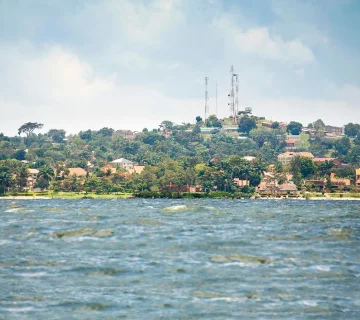
Lake Victoria is one of East Africa’s defining natural features, and Kampala provides access to parts of its shoreline. The Ggaba area offers a look at a working lakeside community, where fishing, transport and fish trading form part of everyday life.
Walking through publicly accessible areas near the landing site can be an interesting free activity. You may see fishing boats, fish traders and people transporting goods. The atmosphere differs greatly from a resort or organised boat excursion because the focus is on work and local commerce rather than tourism.
Be respectful when observing fishermen and traders, particularly when they are working. Ask before taking photographs of individuals, and stay clear of boats, loading areas and other restricted spaces.
The lakeside is not necessarily a developed tourist promenade, and conditions vary from one access point to another. Check local advice about safe public access, avoid swimming in unfamiliar areas and do not assume that every beach or waterfront property allows visitors to enter freely.
If you want to enjoy the scenery without spending money on a boat trip, a short visit to a publicly accessible area can be enough. You can also combine the outing with a low-cost local meal if your budget allows.
Explore Nakasero and Kampala’s Street Markets
Nakasero offers another perspective on the city. Its market and surrounding streets provide opportunities to observe daily shopping, food trading and the contrast between busy commercial areas and quieter neighbourhoods.
A self-guided walk through public streets costs nothing, although transport may be necessary depending on where you are staying. Visit during daylight, remain aware of traffic and avoid displaying expensive equipment unnecessarily.
Kampala’s markets are particularly interesting for travellers who enjoy food culture. You may see tropical fruits, vegetables, spices and ingredients commonly used in Ugandan cooking. Even without buying anything, browsing the stalls can help you recognise local foods before trying them in a restaurant or roadside food stall.
Remember that the market experience is not a performance staged for visitors. People are working, so give them room to conduct business. If you want to photograph a vendor or a distinctive display, ask first.
Enjoy Public Green Spaces and City Views
Kampala has green spaces that can provide a break from the noise and traffic. Sheraton Gardens and other landscaped areas may be accessible under particular conditions, but access policies can change, so check before assuming that a hotel garden or managed property is free to enter.
A more reliable no-cost activity is walking through public neighbourhood streets, observing the city’s architecture and finding permitted viewpoints. Kampala’s hills provide changing views throughout the day, particularly when the weather is clear.
Do not confuse every attractive garden with a free public park. Some recreational spaces charge admission, require a purchase or restrict access to customers. Ask at the entrance before settling in for a long visit.
For a simple afternoon, choose one neighbourhood, walk at a comfortable pace and stop to observe everyday life. This often produces a more memorable experience than travelling across the city to visit many places in a single day.
Free Things to Do in Nairobi, Kenya
Relax at Uhuru Park
Uhuru Park is a familiar green space in central Nairobi and a practical option for travellers who want a break from the busy streets. Depending on current access arrangements, visitors can enjoy open spaces, watch local families spending time outdoors and observe the city from a different perspective.
It is particularly useful for budget travellers staying in or near the central business district because it can fit into a day of walking without requiring an expensive excursion. You can bring water, take a short walk and rest before continuing to other nearby attractions.
Before visiting, check whether the park is open and whether any event, renovation or security restriction affects access. Public spaces can temporarily close or change their rules.
Keep valuables secure and use established paths. If you visit near sunset, plan your return journey in advance rather than waiting until it is dark to look for transport.
Discover Jeevanjee Gardens
Jeevanjee Gardens provides another opportunity to enjoy green space in the heart of Nairobi. It is a useful stop for travellers interested in urban life, public monuments and the contrast between the city’s commercial centre and its quieter corners.
A visit does not need a complicated itinerary. Walk through the gardens, observe the surroundings and continue towards nearby streets, shops or public buildings. You can turn the outing into a self-guided city walk by exploring public roads in the central area during daylight.
As with other urban parks, check current access conditions and remain aware of your surroundings. The gardens are best treated as one part of a wider city exploration rather than a place to leave your belongings unattended.
Take a Self-Guided Walk Through Nairobi’s Central Business District
Nairobi’s central business district offers an accessible introduction to the capital’s architecture, public spaces and commercial energy. Walking along permitted pedestrian routes allows visitors to observe office buildings, street vendors, transport activity and the daily rhythm of a major East African city.
You can explore public streets, admire buildings from outside and discover how the city combines modern business districts with older commercial areas. Public monuments and civic buildings may also be visible along the way, although entry into government offices or managed properties is not automatically permitted.
Keep the walk simple. Choose a small area rather than attempting to cover the entire centre, since traffic and distances can make a long walking route tiring. Use marked pedestrian crossings and avoid photographing security installations or sensitive government facilities.
For visitors who enjoy city photography, Nairobi offers many street-level scenes, but ask before taking close-up pictures of individuals. A respectful approach makes the experience more comfortable for everyone.
Browse Maasai Market Without Buying Anything
Maasai Market is a popular place to see Kenyan crafts, beadwork, jewellery, carvings, textiles and souvenirs. The market moves between locations and may operate on different days depending on the venue, so confirm the current location before setting out.
Browsing costs nothing, and it is a useful way to learn about the variety of crafts sold to both residents and visitors. You can compare colours, designs and materials without feeling obliged to make a purchase.
If you decide to buy something, agree on the price clearly and check the item carefully. Bargaining is common in many craft markets, but a respectful conversation is better than treating every seller as an opponent. Remember that a handmade product may represent considerable time and skill.
For travellers with strict budgets, the market is best approached as a cultural stop rather than a shopping mission. You can enjoy the atmosphere, learn about local designs and leave without spending money.
Visit City Market and Observe Nairobi’s Commercial Life
City Market is another place where visitors can explore Nairobi’s trading culture. Depending on the sections open to the public, you may find crafts, flowers, fresh products and other goods.
The experience is different from walking through a park. It is a working commercial space, so be mindful of sellers and customers moving through the building. Ask permission before photographing individual stalls, and do not block entrances or busy aisles.
Browsing is generally free, although purchases and transport are not. If you are interested in souvenirs, compare products and prices before deciding what to buy. Similar items may be available in different parts of the city, and the first price you hear may not be the final one.
City Market can be combined with a central Nairobi walking route, making it a useful addition to a low-cost day without requiring a separate tour.
Look for Public Art and Free Cultural Events
Nairobi has a lively creative scene, including murals, independent arts spaces, public performances and cultural events. Some exhibitions or talks may be free, particularly when hosted by community organisations, galleries or cultural institutions.
The challenge is that free events depend on dates and organisers. A venue that offers free entry for one exhibition may charge for another, and some public events require registration. Check current event information before travelling across town.
If there is no event during your visit, exploring public art in accessible neighbourhoods can still be rewarding. You may notice murals, painted walls and creative displays while walking between markets and public spaces.
Keep your plans flexible. Rather than building an entire day around an unconfirmed event, treat a free exhibition or performance as an optional addition to your city itinerary.
Enjoy Nairobi’s Outdoor Spaces Without Confusing Free and Paid Attractions
Nairobi is known for its trees, gardens and forested areas, but not every green space is free. The Nairobi Arboretum, Karura Forest and Nairobi National Park are examples of attractions where admission or other charges may apply, depending on the activity and visitor category.
This distinction matters when planning a strict budget. A place may appear on a list of affordable activities without being genuinely free. Check the official entrance rules before leaving your accommodation.
For a no-entry-fee alternative, concentrate on public gardens and parks with confirmed free access, or build a walking route through central neighbourhoods. You can still enjoy outdoor scenery without paying for a managed forest or wildlife attraction.
If you have room in your budget for one paid experience, a forest visit or wildlife activity may be worthwhile. The key is to decide in advance which experience matters most instead of discovering an unexpected entrance fee at the gate.
Free Things to Do in Kigali, Rwanda
Walk Through Nyamirambo
Nyamirambo is one of Kigali’s most recognisable neighbourhoods, known for its busy streets, local businesses, food culture and community life. Walking through its publicly accessible streets offers a closer look at how residents live, shop and socialise beyond the city’s more formal business districts.
A self-guided walk costs nothing, although transport may be needed to reach the neighbourhood. You can observe shops, cafés, clothing businesses and everyday street activity, taking time to appreciate Kigali’s distinctive hillside layout.
Nyamirambo is also associated with community-led cultural experiences, including organised walking tours. These tours generally charge a fee, so do not assume that a guided cultural walk is free simply because walking around the neighbourhood costs nothing.
Dress comfortably, be respectful when photographing people and ask before entering private courtyards or businesses. If you are unsure about the safest route, ask your accommodation for current local advice.
Browse Kimironko Market
Kimironko Market is a valuable stop for travellers who want to understand Kigali’s everyday commercial life. Its stalls sell fresh produce, clothing, fabrics, household goods and many other items used by residents.
You can browse the market without purchasing anything. Watch how vendors display their goods, notice the range of fruit and vegetables available, and observe the interaction between buyers and sellers. The market is especially interesting for travellers who enjoy food culture and want to recognise local ingredients.
Markets are busy working environments, so give sellers enough room to serve customers. Ask before photographing people or their products, and keep your belongings secure in crowded sections.
If you decide to shop, compare prices and confirm the cost before paying. But if your main objective is to save money, simply exploring the market can provide a rewarding cultural experience at no admission cost.
Visit the Kigali Genocide Memorial
The Kigali Genocide Memorial is one of Rwanda’s most significant places of remembrance. It commemorates victims of the 1994 genocide against the Tutsi and provides historical context about the genocide, its consequences and the importance of remembrance.
The memorial has often provided free access to its main visitor experience, while donations are welcomed. However, admission arrangements, exhibitions, services and opening hours can change, so confirm the current policy before your visit.
This is not an ordinary sightseeing stop. Visitors should allow time to engage thoughtfully with the historical information and respect the memorial’s purpose. The subject is emotionally difficult, and some people may need more time than others.
If you visit, keep conversations quiet, follow the site’s rules and ask before taking photographs in areas where photography may be restricted. A donation is not compulsory where entry is free, but visitors who are able to contribute may choose to support the site’s work.
For budget travellers interested in Rwanda’s history, this can be one of the most meaningful cultural experiences in Kigali without requiring a large sightseeing budget.
Experience Kigali’s Monthly Car-Free Day
Kigali has held regular Car-Free Day activities that encourage walking, cycling and exercise in designated areas. When scheduled and open to the public, the event provides a different way to experience the city, with people gathering outdoors rather than moving through ordinary traffic.
Participants may walk, jog, cycle or join organised activities, depending on the programme. The atmosphere can be particularly appealing to travellers who want to observe local community life and enjoy an active morning without paying for a formal tour.
The event’s timing, routes and arrangements can change, so check current municipal announcements or ask your accommodation whether an event is scheduled during your stay. Do not assume it takes place exactly as described in an old travel guide.
If you plan to participate, wear comfortable shoes, carry water and follow instructions from organisers. It is an excellent example of how an urban experience can be memorable without being expensive.
Explore Kigali’s Hills and Neighbourhood Views
Kigali’s landscape is shaped by hills and valleys, and exploring its public streets can provide a strong sense of the city’s geography. Some neighbourhood roads offer views across rooftops, green slopes and the surrounding urban landscape.
A self-guided walk is free, but the hills can be steep and distances may be longer than they look on a map. Choose a manageable route, walk during daylight and use local transport when necessary rather than exhausting yourself trying to reach every viewpoint on foot.
Avoid entering private property or assuming that a hotel terrace, residential compound or landscaped garden is open to the public. If a viewpoint belongs to a café or business, access may require a purchase.
For a relaxed afternoon, choose a neighbourhood with public streets, small shops and accessible viewpoints. This gives you time to appreciate Kigali’s pace without spending money on multiple attractions.
Look for Murals and Public Art
Kigali’s streets contain murals and visual art that reflect community projects, contemporary culture and public messaging. Some are easy to notice while walking through neighbourhoods, while others are located near cultural spaces or businesses.
Exploring public art is a useful free activity because it does not require a strict schedule. You can incorporate it into a walk through Nyamirambo or another neighbourhood rather than paying for a separate tour.
However, do not assume that every mural or gallery is publicly accessible. Some artworks are inside private compounds, cafés or exhibition spaces. Respect barriers and business rules, and ask permission before entering a property to photograph a wall.
If you are interested in art, check whether any free exhibitions or community events coincide with your visit. These opportunities vary, but they can add a different perspective to a short stay in Kigali.
How to Travel Around the Three Cities on a Small Budget
Free attractions can become expensive if you spend too much moving between them. Transport is often the difference between a genuinely low-cost day and one that quietly drains your budget.
In Kampala, public minibuses known as matatus and shared taxis operate on many routes. They can be cheaper than private taxis, but visitors need to understand the route system and confirm fares before travelling. Motorcycle taxis, commonly called boda bodas, can save time in traffic but require careful judgement about safety. Use a reputable service or a trusted local recommendation, wear a helmet where provided and avoid unsafe driving.
In Nairobi, matatus and public buses serve many parts of the city. Routes and stops can be confusing for first-time visitors, so ask your accommodation or a trusted local contact for guidance. Walking can work well within the central business district, but do not assume every neighbourhood is close enough to reach on foot.
In Kigali, public buses and motorcycle taxis are common ways to get around. Some journeys can be planned on foot, but the hills and distances may make transport worthwhile. Confirm the fare or app price before beginning a trip.
Ride-hailing services may be convenient, particularly at night or when travelling with luggage, but they usually cost more than public transport. Compare the full cost of several short rides with a single route that groups nearby attractions together.
For all three cities, plan your route before leaving your accommodation. Avoid unnecessary backtracking, carry only what you need and keep a small reserve for transport in case weather or fatigue makes walking impractical.
What Free Activities Are Worth Paying For Instead?
A budget trip does not have to exclude every paid attraction. The better strategy is to choose free activities for everyday exploration and spend selectively on experiences that offer something difficult to reproduce independently.
In Kampala, a guided cultural visit may provide deeper insight into Buganda history than simply viewing a building from outside. In Nairobi, a paid wildlife experience may be worthwhile if seeing animals is a major priority. In Kigali, a specialist historical or community-led tour may provide useful context that you would miss on a self-guided walk.
The same principle applies to an East African safari. Walking through a market can introduce you to local culture, but it cannot replace gorilla trekking or a guided game drive. These experiences require permits, professional guides or park access and should be budgeted separately.
Before paying, check what the price includes. Ask whether transport, entrance fees, guiding, meals and taxes are included, and confirm the cancellation conditions. This helps prevent a low advertised price from becoming an unexpectedly expensive outing.
A Simple Three-City Budget Itinerary
If you have three days to explore the capitals, one practical approach is to dedicate a day to each city rather than trying to see everything during a rushed stopover.
In Kampala, spend the morning exploring a public market and the surrounding streets. Continue towards one of the historic hills, checking access rules before entering religious or heritage sites. If time permits, visit a publicly accessible part of the Lake Victoria shoreline later in the day.
In Nairobi, begin with a walk through the central business district and a public garden. Continue to a market that is operating on your travel date, then look for a free cultural exhibition or public event if one is available. Keep the afternoon flexible so you can adjust for traffic and walking distances.
In Kigali, explore Kimironko Market or Nyamirambo in the morning, then visit the Kigali Genocide Memorial if its current admission arrangements suit your budget. Alternatively, plan a neighbourhood walk and look for public art or a scheduled Car-Free Day activity.
This itinerary focuses on free entry rather than claiming that every journey is cost-free. You will still need to budget for transport, meals and drinking water. The advantage is that most of your sightseeing does not depend on buying multiple tickets.
Practical Advice for Budget Travellers
The easiest way to keep spending under control is to decide what you want to experience before arriving. Make a short list of attractions, check which ones charge admission and group them by location. This prevents wasted journeys and helps you avoid paying for activities that do not interest you.
Carry a reusable water bottle where safe drinking water is available, and ask your accommodation about reliable refill options. Choose simple local meals rather than eating every meal in tourist-focused restaurants. Keep enough cash for small purchases and transport, while avoiding carrying more money than you need for the day.
Be realistic about walking. Kampala’s hills, Nairobi’s traffic and Kigali’s slopes can make journeys more tiring than expected. If a route is unsafe or impractical on foot, use transport rather than prioritising a small saving over your safety.
Check opening hours and access rules before visiting religious sites, memorials, parks and cultural institutions. A location described as free online may have changed its policy or may only be free for certain areas. Confirming details in advance is especially important when you have only one day in a city.
Finally, remember that free sightseeing works best when you approach each city with curiosity. You do not need to visit every landmark. A market, a thoughtful walk, a conversation with a local guide or a quiet hour in a public garden can reveal more about a place than rushing through a long list of attractions.




No comment