
How to Run a Wildlife Bet With Your Group on Safari
An African safari becomes even more enjoyable when everyone in your group participates in the experience. While some travellers concentrate on photographing elephants, others enjoy identifying birds, searching for predators or watching animals interact. A friendly wildlife prediction game can bring everyone together and make each game drive more interesting.
Learning how to run a wildlife bet on safari is a simple way to introduce some friendly competition into your trip. Rather than gambling with money, the activity involves predicting which animals your group might encounter, recording confirmed sightings and awarding points.
Whether you are travelling with family, friends, colleagues or a private safari group in Uganda, Kenya, Tanzania or Rwanda, this activity encourages everyone to pay closer attention to wildlife.
The most important rule is simple: keep the competition friendly, respect the animals and follow your safari guide’s instructions.
1. Understand What a Wildlife Safari Bet Means
A wildlife safari bet is an informal prediction game in which travellers guess which animals they will see during a game drive.
For example, one person might predict that the group will encounter elephants before buffaloes, while another expects to see giraffes first.
You can also predict how many different bird species your group will identify during the morning.
The aim is to make wildlife watching entertaining without creating pressure on your guide or disturbing animals.
Unlike conventional betting, you do not need to exchange money.
You can use points, small prizes or simply recognise the person who makes the most accurate predictions.
This makes the activity suitable for family safaris, school groups and friends travelling together.
2. Choose the Right Wildlife Predictions
Before your game drive begins, agree on the animals everyone will try to spot.
Choose species that occur naturally in the destination you are visiting.
For example, if your group is exploring Queen Elizabeth National Park in Uganda, you might select elephants, African buffaloes, Uganda kobs, warthogs and lions.
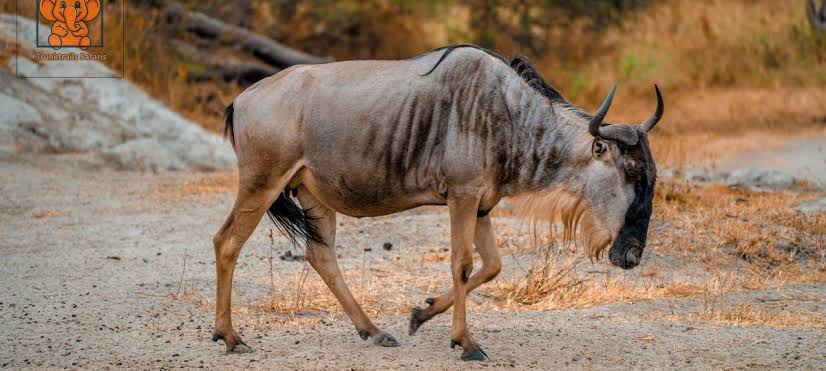
A group visiting the Serengeti could include wildebeest, zebras, giraffes, lions and hyenas.
Avoid choosing animals that are absent from your destination.
Ask your safari guide which species are realistic possibilities for the day’s route.
Good prediction questions include:
- Which animal will we see first?
- Will we spot an elephant during the morning drive?
- How many different antelope species will we identify?
- Will we encounter a lion resting or walking?
- How many bird species will our group record?
Keep the questions simple so everyone can participate.
3. Agree on the Rules Before Starting
Clear rules prevent disagreements and make the competition enjoyable.
Gather everyone before entering the national park or beginning the game drive.
Explain how predictions will be recorded and how points will be awarded.
A simple set of rules could include:
- Every participant makes five wildlife predictions.
- Predictions must be recorded before the drive begins.
- Only confirmed wildlife sightings count.
- A species counts once for each relevant prediction.
- The safari guide helps confirm uncertain identifications.
- The participant with the most points wins.
Avoid changing predictions after an animal has already appeared.
Your guide should remain focused on safe driving and wildlife observation rather than managing the competition.
Assign one group member to record the results.
4. Create a Simple Wildlife Scoring System
A scoring system helps everyone understand how the game works.
You can award points according to the type of prediction.
For example:
| Wildlife Prediction | Points |
|---|---|
| Correctly predict the first animal species | 5 |
| Correctly predict a species that will appear | 2 |
| Correctly predict an animal’s observed behaviour | 3 |
| Correctly identify a bird species | 2 |
| Correctly predict the number of species seen | 5 |
These are suggested game rules, so your group can adjust them before starting.
For younger children, award points for identifying familiar animals rather than predicting difficult sightings.
Avoid awarding extra points for approaching wildlife closely or encouraging animals to move.
The competition should reward observation, not risky behaviour.
5. Prepare a Wildlife Prediction Sheet
A printed prediction sheet makes the activity easier to organise.
You can prepare one for each traveller before the safari.
| Participant | Predicted Animal | Seen? | Points |
|---|---|---|---|
| Traveller 1 | Elephant | Yes | 2 |
| Traveller 2 | Lion | No | 0 |
| Traveller 3 | Giraffe | Yes | 2 |
| Traveller 4 | Buffalo | Yes | 2 |
| Traveller 5 | Leopard | No | 0 |
You can create a similar checklist in your phone or notebook.
Record the date, national park and game-drive session.
At the end of the day, compare everyone’s predictions with the confirmed sightings.
This also provides an enjoyable record of your safari experience.
6. Introduce a Big Five Prediction Challenge
For groups interested in famous African mammals, a Big Five prediction challenge can be particularly exciting.
The Big Five are lions, leopards, elephants, African buffaloes and rhinoceroses.
However, not every East African national park contains all five species.
For example, Queen Elizabeth National Park offers opportunities to observe lions, leopards, elephants and buffaloes, but wild rhinoceroses are not a regular park attraction.
Choose predictions based on the destination.
Your group might predict whether you will encounter two or three Big Five species during a particular game drive.
Remember that sightings are never guaranteed.
Do not treat an unsuccessful prediction as a disappointing safari.
7. Add a Birdwatching Prediction Game
Birdwatching offers another enjoyable option, especially when large mammals are difficult to locate.
East African national parks support an impressive variety of birds.
During a game drive, your group might encounter African fish eagles, hornbills, bee-eaters, kingfishers and colourful rollers.
Before setting off, ask each participant to predict three bird species they expect to see.
Award points when your guide confirms the identification.
For beginners, use easily recognisable birds.
More experienced birdwatchers can attempt species identification through calls, markings and behaviour.
This activity encourages travellers to appreciate smaller wildlife that might otherwise go unnoticed.
8. Make the Wildlife Game Suitable for Children
Children often enjoy simple wildlife identification activities.
However, complicated scoring systems can quickly become tiring.
For family safaris, prepare picture cards featuring animals that may occur in the park.
Children can tick each animal after seeing it.
You might offer one point for an elephant, zebra or giraffe sighting and additional points for correctly describing its behaviour.
Encourage children to notice whether animals are feeding, resting, walking or drinking.
Avoid making the activity overly competitive.
The purpose is to encourage curiosity and help younger travellers enjoy learning about wildlife.
9. Keep Your Safari Guide Involved Without Creating Pressure
Your safari guide has valuable knowledge about wildlife habitats, animal behaviour and seasonal movements.
Before starting the game, explain the activity and ask whether it fits the day’s itinerary.
Your guide may suggest suitable species for predictions.
However, avoid asking the guide to guarantee sightings or drive dangerously to help someone win.
Guides must follow park regulations, respect wildlife viewing distances and prioritise visitor safety.
If the guide identifies an interesting animal, allow everyone to observe it before recording points.
Your game should complement the professional safari experience rather than interfere with it.
10. Introduce Different Challenges Each Day
If your group is travelling for several days, use a different prediction theme each morning.
This keeps the activity interesting and prevents everyone from concentrating on the same animals.
For example:
| Safari Day | Wildlife Challenge |
|---|---|
| Day 1 | Predict the first five species |
| Day 2 | Big cats and predator sightings |
| Day 3 | Bird identification challenge |
| Day 4 | Animal behaviour predictions |
| Day 5 | Herbivores and grazing animals |
You can also organise a friendly competition between families or groups travelling in separate safari vehicles.
Ensure every team follows the same rules.
Since wildlife sightings vary between vehicles and routes, avoid treating scores as a measure of guide performance.
11. Choose Fun Prizes Instead of Money
Small prizes can make the wildlife prediction game more entertaining.
There is no need to involve cash or financial wagers.
Consider offering the winner a souvenir, a printed photograph or the opportunity to choose the group’s next permitted lodge activity.
You could also create a simple certificate recognising the best wildlife observer.
For families, a wildlife-themed notebook or small educational gift may be suitable.
If your group prefers not to use prizes, announce the winner during dinner.
The shared experience is more important than the reward.
12. Know When to Stop the Competition
Some wildlife encounters deserve everyone’s full attention.
If your group discovers a leopard resting in a tree, elephants interacting with their young or lions hunting, put the prediction sheets aside.
Allow everyone to observe quietly.
Never distract wildlife, make loud noises or ask your guide to move dangerously close to animals for extra points.
During walking safaris, gorilla trekking and other closely supervised activities, follow ranger instructions rather than conducting a competitive game.
You can record observations afterwards.
Wildlife welfare and visitor safety must always come first.
Best East African Destinations for Wildlife Prediction Games
Several East African destinations offer suitable environments for group wildlife activities.
| Safari Destination | Country | Suggested Challenge |
|---|---|---|
| Queen Elizabeth National Park | Uganda | Lions, elephants, buffaloes and antelopes |
| Murchison Falls National Park | Uganda | Giraffes, elephants, birds and hippos |
| Lake Mburo National Park | Uganda | Zebras, impalas and giraffes |
| Serengeti National Park | Tanzania | Wildebeest, zebras, predators and birds |
| Maasai Mara National Reserve | Kenya | Big cats, elephants and grazing animals |
| Akagera National Park | Rwanda | Big Five predictions and birdwatching |
Choose a destination that matches your group’s wildlife interests and available travel time.
Make Wildlife Watching More Enjoyable
Learning how to run a wildlife bet on safari gives your group an entertaining way to participate in game drives.
By making simple predictions, recording confirmed sightings and awarding points, you can encourage everyone to observe wildlife more carefully.
Keep your rules fair, use small prizes and avoid pressuring your safari guide.
Whether your group encounters lions, elephants, giraffes or colourful birds, enjoy the experience regardless of who wins.
The best wildlife prediction game is one that leaves everyone with greater knowledge, shared memories and respect for Africa’s animals.






No comment