
How Many Species Live in East Africa’s Savannas?
Imagine standing on the open plains of Tanzania’s Serengeti National Park as thousands of wildebeest graze beneath the morning sun. Nearby, zebras move through the grass while giraffes feed on scattered trees. Lions rest in the shade, and birds fly above the landscape. What you see represents only a small part of the wildlife living in these remarkable habitats.
So, how many species live in East Africa’s savannas? There is no single confirmed number covering every animal, bird, insect and plant. However, scientific studies and national park records show that these landscapes support hundreds of vertebrate species and a much greater diversity of insects, plants and other organisms.
The Serengeti alone supports more than 500 recorded bird species, alongside numerous mammals, reptiles and amphibians.
Understanding East African savanna biodiversity helps you appreciate the incredible wildlife diversity found across Uganda, Kenya, Tanzania and Rwanda.
What Is an East African Savanna?
A savanna is a tropical or subtropical ecosystem dominated by grasses, with scattered trees, shrubs and woodland.
East Africa contains extensive savanna landscapes, particularly in Tanzania and Kenya, although Uganda and Rwanda also protect important grassland and woodland habitats.
These environments experience seasonal changes in rainfall, vegetation and water availability.
During wetter periods, grasses grow rapidly and provide food for grazing animals. During dry conditions, wildlife may concentrate around rivers, wetlands and other reliable water sources.
East African savannas include several habitat types:
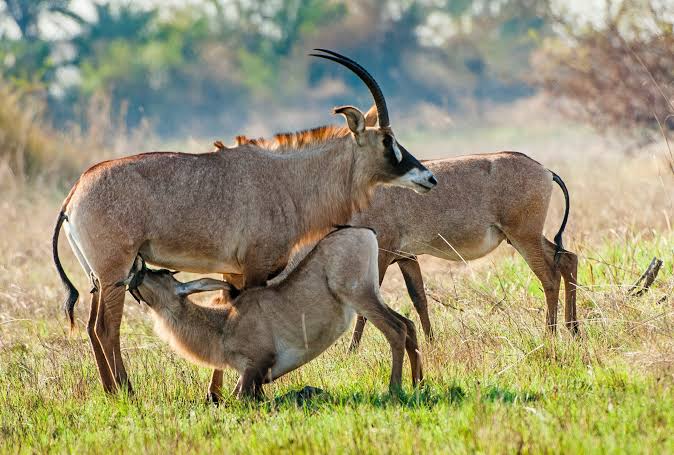
- Open grasslands supporting zebras, wildebeest and antelopes.
- Wooded savannas used by elephants and giraffes.
- Riverine habitats supporting hippos, crocodiles and birds.
- Rocky outcrops providing shelter for smaller mammals and reptiles.
- Seasonal wetlands attracting waterbirds and amphibians.
Each habitat supports different wildlife communities.
How Many Wildlife Species Are Found in the Savannas?
The total depends on which habitats and geographical boundaries researchers include.
One scientific assessment of the Serengeti food web documented 146 mammal species, 44 commonly occurring reptile species and 18 amphibian species. It also referenced approximately 606 bird species in the wider study context.
These figures illustrate the remarkable diversity of a single ecosystem, although they should not be treated as a complete count of all East African savannas.
| Wildlife Group | Serengeti Research Figures |
|---|---|
| Mammals | 146 recorded species |
| Birds | Approximately 606 species referenced |
| Reptiles | 44 commonly occurring species |
| Amphibians | 18 species |
| Insects and other invertebrates | No complete total provided |
The figures come from a published ecological assessment and reflect its particular geographical coverage and research methods.
Adding insects, plants, fungi and microscopic organisms would increase the biodiversity total substantially.
1. Mammals: The Most Famous Savanna Residents
Mammals are among the most visible animals during an African safari.
They range from enormous elephants to small rodents that remain hidden beneath vegetation.
East African savannas support predators, grazing herbivores, browsing animals, primates and smaller mammals.
Large Herbivores
Herbivores feed mainly on vegetation and play important roles in shaping grassland habitats.
Common examples include:
- African elephants.
- African buffaloes.
- Giraffes.
- Plains zebras.
- Wildebeest.
- Impalas.
- Elands.
- Topis.
- Waterbucks.
- Warthogs.
These animals influence vegetation through grazing, browsing and seed dispersal.
Their movements also provide food opportunities for predators.
Carnivores
Predatory mammals include lions, leopards, cheetahs, spotted hyenas, jackals and several smaller carnivores.
Some hunt large herbivores, while others feed on rodents, insects or smaller animals.
A safari visitor may concentrate on finding lions, but smaller predators also contribute to the savanna food web.
2. Birds: Hundreds of Species Across Different Habitats
Birds represent one of the most diverse and noticeable wildlife groups in East African savannas.
Tanzania National Parks reports more than 500 bird species in Serengeti National Park.
These include resident birds and species that appear seasonally.
Different birds occupy grasslands, rivers, wetlands, woodland and rocky habitats.
Common Savanna Birds
You may encounter:
- Ostriches.
- Secretary birds.
- Southern ground hornbills.
- Lilac-breasted rollers.
- African fish eagles.
- Kori bustards.
- Vultures.
- Starlings.
- Bee-eaters.
- Various weavers.
Some birds feed on insects, while others eat seeds, fish or small mammals.
Vultures consume carrion, helping remove animal remains from the environment.
Birdwatching provides excellent opportunities to appreciate wildlife beyond the famous large mammals.
3. Reptiles: Important but Often Overlooked
Reptiles are another important part of savanna biodiversity.
They include snakes, lizards, tortoises and crocodiles.
Many spend considerable time hidden beneath rocks, inside vegetation or near water.
Nile crocodiles are particularly noticeable around major rivers and lakes.
Smaller reptiles may be difficult to observe because of their camouflage and behaviour.
Reptiles contribute to natural food webs by feeding on insects, rodents, fish and other animals.
They also provide food for birds and larger predators.
During a guided safari, your guide may help identify reptiles from a safe distance.
4. Amphibians: Wildlife That Depends on Water
Frogs and toads are essential members of many savanna habitats.
Although savannas experience dry periods, seasonal pools, wetlands and river systems provide suitable environments for amphibians.
Some species become particularly active after rainfall.
During wet evenings, you may hear frogs calling from temporary pools or vegetation near water.
Amphibians feed on insects and other small invertebrates.
Their populations can also respond strongly to changes in water quality, rainfall and habitat conditions.
Because many remain hidden during the day, visitors often hear them more frequently than they see them.
5. Insects: An Enormous Part of Savanna Biodiversity
Insects are among the most numerous and varied animals living in East African savannas.
They include termites, ants, butterflies, grasshoppers, beetles, bees and many other groups.
A complete regional species count is difficult because many invertebrates have not been comprehensively surveyed.
Why Are Insects Important?
Termites help break down plant material and influence soil structure.
Dung beetles bury animal dung, helping recycle nutrients.
Bees and other insects pollinate flowering plants.
Grasshoppers and caterpillars provide food for birds, reptiles and small mammals.
Many insects remain unnoticed during ordinary game drives, yet they contribute significantly to savanna ecosystems.
A guided nature walk can help you observe their activities more closely.
6. Plants: The Foundation of Savanna Habitats
Savanna biodiversity also includes grasses, trees, shrubs and flowering plants.
Vegetation provides food, shelter and breeding habitats for wildlife.
Acacia-related trees, baobabs and many grass species are familiar features of African landscapes.
However, plant communities vary with rainfall, soil conditions, altitude and land management.
Elephants browse branches and leaves, while zebras and wildebeest depend heavily on grasses.
Some birds nest in trees, and insects feed on flowers or vegetation.
Protecting native plants is therefore essential for maintaining wildlife populations.
Which East African National Parks Have Rich Savanna Wildlife?
Several protected areas contain diverse savanna habitats.
| Destination | Country | Notable Wildlife |
|---|---|---|
| Serengeti National Park | Tanzania | Wildebeest, zebras, lions, birds |
| Maasai Mara National Reserve | Kenya | Lions, cheetahs, elephants, antelopes |
| Queen Elizabeth National Park | Uganda | Elephants, buffaloes, Uganda kobs, hippos |
| Murchison Falls National Park | Uganda | Giraffes, elephants, lions, birds |
| Lake Mburo National Park | Uganda | Zebras, impalas, elands, buffaloes |
| Akagera National Park | Rwanda | Elephants, lions, buffaloes, antelopes |
These destinations protect different habitats and wildlife communities. Their species lists should not be added together without removing species found in more than one park.
Why Do Some Savannas Have More Species Than Others?
Savanna biodiversity varies because environmental conditions differ between locations.
Rainfall is particularly important because it influences plant growth and water availability.
Areas containing rivers, woodlands, grasslands and wetlands may support more habitat types than landscapes dominated by a single vegetation community.
Other factors include:
- Soil fertility and vegetation diversity.
- Seasonal rainfall patterns.
- Availability of permanent water.
- Habitat connectivity.
- Human land use.
- Conservation and wildlife management.
Wildlife migration also influences which animals are present during different periods.
The number of species recorded in a particular park may increase as researchers conduct more detailed surveys.
How Do Scientists Count Wildlife Species?
Researchers use several methods to document biodiversity.
Camera traps record animals moving through habitats, including species that are difficult to observe directly.
Bird surveys involve listening for calls and recording visual sightings.
Scientists also use vegetation plots, ecological monitoring, acoustic equipment and carefully managed small-animal surveys.
Modern research sometimes uses DNA collected from environmental samples to help identify organisms.
However, counting species differs from counting individual animals.
For example, seeing 100 zebras represents one species, not 100 species.
Researchers must also distinguish resident species from seasonal visitors.
Why Protecting Savanna Biodiversity Matters
East African savannas face pressures from habitat loss, land conversion, illegal wildlife killing, infrastructure development and climate-related changes.
These pressures can affect animal populations and the connections between habitats.
Conservation requires protecting wildlife corridors, managing protected areas and supporting communities living alongside wildlife.
Responsible tourism can contribute through park fees, local employment and support for conservation activities.
Travellers can help by following park regulations, avoiding litter and respecting wildlife viewing distances.
East Africa’s Savannas Are Full of Life
So, how many species live in East Africa’s savannas?
There is no single reliable total covering every habitat and organism. However, ecological research demonstrates that individual savanna ecosystems can support hundreds of mammal, bird, reptile and amphibian species, alongside extensive plant and invertebrate diversity.
The Serengeti’s documented wildlife richness provides one example of how biologically varied these environments can be.
Whether you are exploring Uganda, Kenya, Tanzania or Rwanda, remember that the animals visible from your safari vehicle represent only part of the natural environment.
The more carefully you observe the savanna, the more wildlife you will begin to notice.


No comment