
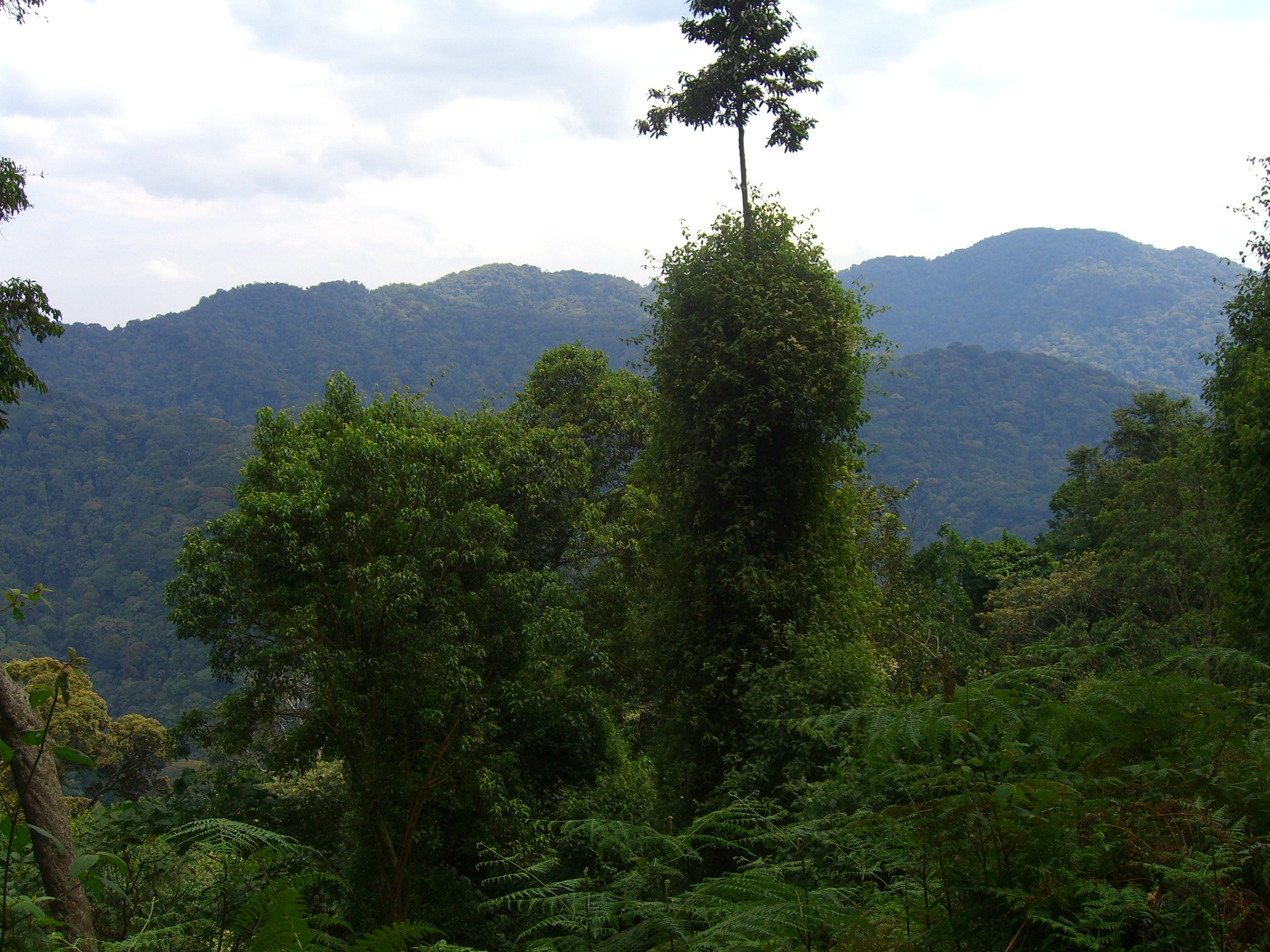
Safari Budget Calculator: How to Estimate Your Trip Cost Before You Enquire
Why You Should Calculate Your Safari Budget Before Contacting an Operator
Planning an African safari is exciting, but the cost can quickly become confusing if you do not know what to include in your budget. You might find a package advertised at an attractive price, only to discover that international flights, park fees, airport transfers, certain meals or optional activities are charged separately. By the time you add everything together, the actual cost may be considerably higher than you expected.
A safari budget calculator helps you estimate the likely cost before requesting a quotation from a tour operator. It gives you a starting figure, helps you compare different destinations and allows you to decide which experiences fit your finances. You do not need to know every final price to begin. You need a realistic estimate of the main expenses and a clear understanding of which costs are fixed, variable or optional.
For travellers considering Uganda, Rwanda, Kenya or Tanzania, budgeting is particularly important because each destination offers different combinations of accommodation, transport, park activities and wildlife experiences. A gorilla trekking holiday in Uganda has a different cost structure from a week of game drives in Tanzania or a short gorilla trekking trip in Rwanda.
The purpose of an initial budget is not to replace a professional quotation. It is to help you ask informed questions, identify your priorities and avoid planning a trip that exceeds your available funds.
Start With Your Destination and Travel Dates
Your destination is one of the first decisions that affects the entire budget. Before calculating prices, decide which country you want to visit and what you hope to experience.
Uganda is popular for mountain gorilla trekking in Bwindi Impenetrable National Park and Mgahinga Gorilla National Park. It also offers chimpanzee trekking, wildlife safaris, birdwatching, boat trips and cultural experiences. A trip that combines gorillas with Queen Elizabeth National Park or Murchison Falls National Park will have different transport and accommodation costs from a short gorilla-focused itinerary.
Rwanda offers gorilla trekking in Volcanoes National Park, with Kigali providing a convenient international arrival point. Kenya and Tanzania are well known for savannah wildlife, Big Five safaris and the Great Migration. Your preferred wildlife experience should guide the destination choice before you compare package prices.
Travel dates also influence the budget. Accommodation rates may increase during busy holiday periods, and international flights can vary considerably according to demand. Some lodges offer lower rates during quieter months, but savings are not guaranteed across every service. Permit prices and park charges may remain fixed regardless of the accommodation discount.
When using a calculator, enter the travel dates you are considering and use current prices wherever possible. If your dates are flexible, compare quotations for more than one period. This will help you see whether changing the dates produces a meaningful reduction in the total cost.
Calculate the Number of Travellers and Nights
The number of people travelling affects how shared expenses are distributed. A private safari vehicle, driver-guide and some transfers may cost approximately the same regardless of whether two or four people use them, provided the vehicle and itinerary remain suitable.
For this reason, group travel can reduce the transport cost per person. However, the savings depend on the vehicle’s capacity, the number of passengers, luggage requirements and the operator’s pricing structure.
Accommodation needs separate consideration. Two travellers sharing a double room may pay less per person than two travellers booking separate rooms. Families may be able to use family rooms, while solo travellers may need to pay a single-room supplement.
The number of nights also matters. Each additional night may add accommodation, meals, activities and other expenses. Some trips require extra nights because of long road transfers or early morning activities. These nights should be included rather than treated as an afterthought.
Before using the calculator, decide how long the safari should last and whether the itinerary includes overnight stops between destinations. A five-night trip with comfortable transfers may cost less than a longer safari, but reducing the number of nights too aggressively can make the itinerary tiring or impractical.
Estimate Accommodation Costs Accurately
Accommodation is often one of the largest flexible expenses in a safari budget. Uganda, Rwanda, Kenya and Tanzania offer everything from basic guesthouses and budget camps to mid-range lodges and luxury safari properties.
The right choice depends on your priorities. Budget travellers may prefer simple accommodation with convenient access to the park. Mid-range travellers may want private bathrooms, comfortable rooms and meals on-site. Luxury travellers may prioritise exclusive locations, spacious rooms, specialist guiding and additional services.
To estimate accommodation, calculate the cost per room per night and multiply it by the number of nights. Then divide the amount according to the actual room-sharing arrangement.
For example, if a double room costs $160 per night and two people share it for four nights, the total room cost is $640. Each person contributes $320 if they split the room cost equally. If the same travellers book separate rooms at $120 each per night, the combined accommodation cost becomes $960.
These figures are examples, not current lodge quotations. Actual prices depend on the property, travel dates, meal plan, room category and booking conditions.
When requesting a quotation, check whether accommodation includes breakfast, lunch, dinner, drinking water or other services. Some safari packages include full-board accommodation, while others cover only certain meals. If meals are already included, do not add them to the budget a second time.
Include International Flights and Domestic Transfers
International flights can represent a substantial share of the total safari budget, particularly for travellers arriving from Europe, North America or Asia. Prices depend on the departure city, airline, travel dates, baggage allowance, connections and how far in advance the ticket is purchased.
Use a realistic flight estimate based on your departure airport and preferred dates. Avoid relying on the cheapest fare you have seen unless it is available for your actual travel period and includes the baggage and conditions you need.
Domestic flights may also be necessary. Some safari itineraries use scheduled or charter flights to reduce long road journeys, particularly when visiting remote parks. These flights can save time but may increase the overall price.
Road transfers need to be included as well. A trip from Entebbe to a gorilla trekking region in Uganda can involve a lengthy drive, while the journey from Kigali to Volcanoes National Park is generally shorter. In Kenya and Tanzania, travel between national parks can also take several hours.
Ask whether the package includes airport collection, inter-park transfers, fuel, driver accommodation and any applicable road charges. If you plan to travel independently for part of the trip, budget separately for those arrangements.
For gorilla trekking, confirm permit availability before committing to non-refundable international flights. A cheap flight is not a saving if you must change it because your trekking date is unavailable.
Add Park Fees, Gorilla Permits and Other Activities
Park fees and activity permits should be treated as separate budget items unless the operator confirms that they are already included in the package.
Gorilla trekking permits in Uganda and Rwanda are a major expense for many visitors. Each eligible participant needs the required permit, and the applicable price depends on the country and official visitor category. Do not assume that permits become cheaper during shoulder season or that an advertised package includes them.
Chimpanzee trekking may also require a separate permit. Game drives, boat safaris, guided nature walks, cultural visits and other activities may carry additional charges. The cost depends on the destination and the exact experience you select.
The best approach is to list the activities you consider essential and obtain current prices for each one. If you want to trek with gorillas, include the permit in your initial estimate. If you also want chimpanzee trekking, a boat cruise or a specialist birdwatching excursion, include those costs separately.
Optional activities should remain optional in your first calculation. This allows you to see the cost of the core safari before deciding whether to add experiences that increase the budget.
Remember Meals, Drinks and Personal Spending
Meals are easy to overlook when estimating a safari. Some packages include breakfast only, others provide full board, and some include meals only on selected days. Confirm the meal plan for every accommodation night and travel day.
For meals not included, estimate a realistic daily allowance based on the destination and the type of restaurant you prefer. Eating at local restaurants may cost less than dining at a high-end lodge, although prices vary widely by location.
Drinking water, soft drinks, coffee, alcoholic beverages and snacks may also be charged separately. If you spend several days in remote safari areas, buying drinks at lodges can add up.
Personal spending includes souvenirs, laundry, phone data, small purchases and optional services. You may not need a large allowance, but including a modest estimate prevents these expenses from becoming surprises.
Tips should also be considered. Tipping practices vary by country, service and traveller preference. Ask your operator for guidance on customary tipping arrangements, but do not assume that tips are included unless the quotation explicitly says so.
Add Visas, Travel Insurance and Other Essential Costs
A complete safari budget should include expenses that are not directly connected to wildlife activities. Depending on your nationality and itinerary, you may need a visa, travel insurance or specific travel documentation.
Check the entry requirements for every country you intend to visit. Travellers combining Uganda, Rwanda and Kenya, for example, should verify the requirements applicable to their passports and route rather than assuming that permission to enter one country automatically covers all others.
Travel insurance is particularly important for trips involving remote destinations, adventure activities or expensive prepaid arrangements. Check that your policy covers the activities you plan to undertake and understand the conditions for medical assistance, evacuation, cancellations and delays.
Other possible expenses include airport meals, overnight accommodation before or after the safari, baggage fees, vaccinations or travel health preparations, and transport to your international departure airport. These costs vary between travellers, so they should be entered according to your circumstances.
If you are unsure of a price, use a provisional estimate and mark it as unconfirmed. Replace it with a verified figure once you have the necessary information.
Use a Contingency Buffer for Unexpected Expenses
Even a carefully planned safari can involve changes. A road transfer may take longer than expected, a flight may be rescheduled, or you may decide to add an activity while travelling.
A contingency buffer gives you room to manage reasonable unexpected expenses without disrupting the entire trip. Many travellers start by reserving around 5% to 15% of their estimated costs, adjusting the amount according to the itinerary, travel style and level of uncertainty.
A short trip with prepaid transfers and confirmed accommodation may require a different reserve from a multi-country overland journey with several connections. Remote destinations and complicated travel arrangements may justify a larger buffer.
The buffer is not an automatic fee payable to the tour operator. It is money you keep available in your personal budget. If you do not use it, the remaining amount stays with you.
Keep this reserve separate from the confirmed package cost. That way, you can see what you must pay for the safari and how much additional money you want available for flexibility.
Compare Your Estimate With a Professional Safari Quotation
Once you have calculated your estimated total, request a detailed quotation from a reputable tour operator. Share your destination, preferred dates, number of travellers, accommodation preferences and essential activities.
Ask the operator to specify what the package includes and excludes. The quotation should clarify accommodation, meals, transport, guiding, park fees, permits, airport transfers and any additional charges relevant to your itinerary.
Compare the quotation with your estimate line by line. If the operator’s price is higher, find out why before assuming the package is too expensive. The difference may reflect a better-located lodge, full-board meals, a private vehicle, additional park fees or services you omitted from your calculation.
If the quotation is lower than expected, check that important expenses have not been excluded. A low price is not necessarily the best value if you later have to pay separately for essential transport, meals or permits.
You can also request alternatives. A shorter itinerary, a mid-range lodge instead of a luxury property, or a different route may reduce the total without removing your main wildlife experience. A good operator should be able to explain the trade-offs rather than simply offering the lowest possible price.
Know the Difference Between a Budget Estimate and a Final Price
Your calculator is a planning tool. It does not confirm availability, reserve accommodation or guarantee a permit. The actual cost becomes clearer only when the dates, services, traveller details and booking conditions have been checked.
Prices may change before confirmation, particularly for flights and accommodation. Park fees, permits and other official charges are governed by the relevant authorities and may be revised. Ask the operator to explain how long the quotation remains valid and whether any currency or supplier-price changes could affect the final amount.
Once you accept a quotation, review the deposit requirements, balance-payment deadline and cancellation terms. Understand which payments are refundable and what happens if a traveller withdraws or requests a change.
Keep copies of the quotation, invoice, payment receipts and booking confirmations. These records help you compare the final invoice with your original estimate and identify any changes before paying the balance.
Make Your Safari Budget Work for Your Priorities
The best safari budget is one that reflects what you want to experience rather than simply aiming for the lowest possible total. If gorilla trekking is your main priority, protect the budget for the permit and suitable accommodation near the correct trekking sector. If your main interest is wildlife photography, you may prefer more nights in a park and a vehicle arrangement that suits your needs.
Travellers who want a broader experience can compare the cost of adding another destination with the cost of staying longer in one area. Extra destinations may increase transport expenses, while additional nights at a single lodge may offer more time for wildlife viewing without as much travel.
Use the calculator to test different scenarios. Change the number of nights, accommodation price, group size or activity costs and observe how the total changes. Then ask a reputable operator to confirm the prices and availability for the itinerary that best fits your budget.
The result is a more informed enquiry, a clearer understanding of your financial commitment and fewer surprises after booking. You can plan with confidence because you know which expenses are already covered, which remain uncertain and where adjustments could make the safari more affordable.
Total word count: approximately 2,800 words.



No comment