
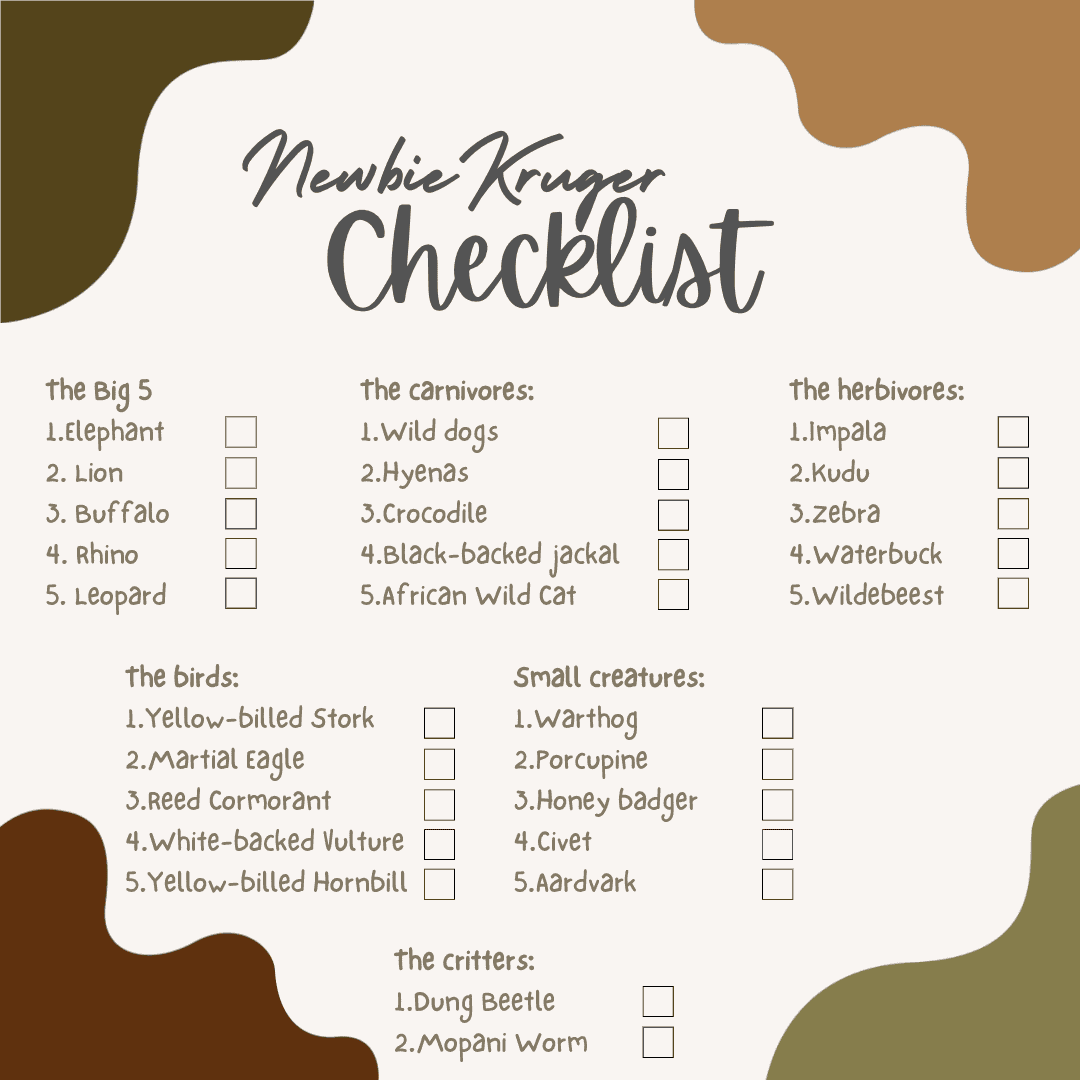
How to Read a Wildlife Checklist Without Getting Overwhelmed
Imagine arriving at Queen Elizabeth National Park in Uganda, excited about your first game drive. Your safari guide hands you a wildlife checklist containing dozens of mammals, hundreds of birds and several reptiles. You recognise elephants, lions and giraffes, but many other names are completely unfamiliar. Suddenly, what should be an exciting experience feels complicated.
Learning how to read a wildlife checklist can make your African safari more enjoyable and organised. A checklist helps you identify animals, record sightings and understand the wildlife living in different habitats. However, you do not need to recognise every species or complete the entire list.
Whether you are exploring Uganda, Kenya, Tanzania or Rwanda, a simple approach will help you use your checklist confidently without losing the pleasure of watching animals in their natural surroundings.
1. Understand What a Wildlife Checklist Actually Means
A wildlife checklist is a list of animal species recorded in a particular location. National parks, conservation organisations and safari guides often prepare these lists to help visitors understand local wildlife diversity.
Some checklists contain only mammals, while others include birds, reptiles, amphibians and smaller creatures.
For example, a checklist for Murchison Falls National Park may include elephants, Rothschild’s giraffes, African buffaloes, lions and numerous bird species.
However, appearing on a checklist does not mean an animal is easy to find.
Some species are common, while others are rare, nocturnal or difficult to observe because of their behaviour and habitat.
Think of your checklist as a reference rather than a list of animals you must see before leaving the park.
2. Start With Animals You Already Recognise
One of the easiest ways to avoid feeling overwhelmed is to begin with familiar animals.
Most safari travellers recognise lions, elephants, zebras, giraffes and hippos. These are useful starting points because they are relatively easy to identify when seen clearly.
Before your game drive, look through the checklist and mark five or ten animals you would particularly enjoy seeing.
Your selection might include:
- African elephant.
- African lion.
- Giraffe.
- African buffalo.
- Plains zebra.
- Hippopotamus.
- Leopard.
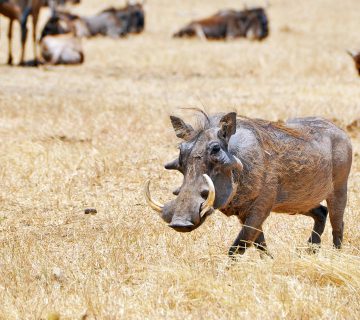
- Warthog.
Remember that animal distributions vary between parks. For example, zebras are associated with Lake Mburo National Park rather than every Ugandan safari destination.
Starting with a small selection gives your wildlife viewing a manageable focus.
As you become comfortable, you can gradually explore unfamiliar species.
3. Learn How Animals Are Grouped
Wildlife checklists often organise species into categories. Understanding these groups makes a long list easier to navigate.
A typical checklist may include the following sections.
| Wildlife Group | Examples | What to Notice |
|---|---|---|
| Big cats | Lions, leopards, cheetahs | Body markings and behaviour |
| Large herbivores | Elephants, buffaloes, giraffes | Size, feeding habits and movement |
| Antelopes | Uganda kobs, impalas, topis | Horns, colour and body shape |
| Primates | Gorillas, chimpanzees, monkeys | Facial features and social behaviour |
| Birds | Eagles, kingfishers, hornbills | Beak shape, colour and calls |
| Reptiles | Crocodiles, lizards, snakes | Habitat, shape and markings |
You do not need to memorise these categories.
Simply knowing where to find different species on your checklist can save time during wildlife encounters.
For birdwatching, start with larger and more distinctive birds before attempting to identify smaller species.
4. Understand Common, Uncommon and Rare Species
Some wildlife checklists include information about how frequently particular animals are recorded.
You may see descriptions such as common, uncommon, rare or occasional.
These terms provide general guidance, although their definitions can vary between checklists.
Common species are regularly encountered in suitable habitats.
Uncommon species occur in an area but may be less frequently observed.
Rare species have limited populations, restricted distributions or relatively few recorded sightings.
However, rarity does not always indicate how difficult an animal will be to see during your particular visit.
A nocturnal species may be widespread yet rarely observed during daytime game drives.
Ask your safari guide which animals are realistic possibilities for your destination and season.
5. Do Not Try to Identify Every Animal Immediately
A game drive can produce several wildlife encounters within a short period.
You might see antelopes crossing a track while birds fly overhead and elephants feed in the distance.
Trying to identify every species immediately can become distracting.
Instead, focus on observing the animals first.
Notice their behaviour, size, colour and surroundings. If you cannot identify an animal, ask your guide for assistance.
For example, several antelope species may appear similar to inexperienced travellers.
Rather than guessing, observe the shape of their horns, body markings and preferred habitat.
Your guide can explain the identifying features.
If you remain uncertain, record the sighting as unidentified rather than choosing a species without enough evidence.
6. Use Simple Symbols to Record Sightings
You do not need complicated notes to maintain a useful wildlife checklist.
A few symbols can help you organise your observations.
| Symbol | Meaning |
|---|---|
| ✓ | Species confidently identified |
| ? | Possible identification requiring confirmation |
| ★ | Particularly memorable sighting |
| P | Photographed |
| H | Heard but not seen |
For example, you might mark an African elephant with a tick after observing it clearly.
If you hear a bird calling but cannot see it, use the letter H and ask your guide whether the call can be reliably identified.
Keep your marking system simple and consistent.
You can add dates or locations beside important sightings when you have enough space.
7. Pay Attention to Animal Habitats
Understanding habitats can make identifying wildlife easier.
Different animals prefer different environments, although many species use several habitat types.
For example, hippos spend much of their time in water, while giraffes commonly feed in woodland and savannah habitats.
Chimpanzees inhabit forests and other suitable wooded environments.
In Queen Elizabeth National Park, you may encounter Uganda kobs in open grassland and hippos along the Kazinga Channel.
In Bwindi Impenetrable National Park, your checklist will concentrate more heavily on forest wildlife, including primates and birds.
When you encounter an unfamiliar animal, consider where you found it.
Habitat information can help narrow down possible identifications.
8. Ask Your Safari Guide to Explain Unfamiliar Names
Wildlife checklists sometimes contain names that are difficult to pronounce or remember.
You may encounter unfamiliar antelope species, small mammals or birds with similar common names.
Your safari guide can help explain these animals using simple identifying features.
For example, a guide may explain the differences between a waterbuck and a Uganda kob by describing body markings, size and habitat.
You can also ask about local animal names, feeding habits and interesting behaviours.
Avoid interrupting important safety instructions or asking your guide to identify animals while driving through difficult terrain.
A relaxed conversation during a safe viewing stop can make wildlife identification more enjoyable.
9. Combine Your Checklist With Photographs
Photographs can help you confirm sightings after a game drive.
If you encounter an unfamiliar bird or antelope, take a photograph when possible and compare it with a reliable field guide.
Try to capture useful features such as body shape, markings, horns, beak shape or tail length.
For birds, photographs showing the head and wings may be particularly helpful.
However, avoid spending your entire safari looking through a camera.
Watch the animal first, then photograph it if conditions allow.
You can review your images at the lodge and update your checklist later.
This approach gives you time to enjoy wildlife encounters without rushing.
10. Remember That Wildlife Sightings Are Never Guaranteed
One common mistake is treating a wildlife checklist as a promise of what you will see.
National parks contain wild animals that move freely according to food availability, weather, breeding patterns and other natural factors.
A checklist may include leopards, but you could complete several game drives without encountering one.
Similarly, some bird species appear only seasonally or remain hidden within dense vegetation.
Do not judge your safari entirely by the number of animals you have ticked off.
Watching a herd of elephants interact for twenty minutes may be more rewarding than briefly seeing several additional species.
Wildlife observation is about understanding and appreciating animals, not simply collecting names.
11. Create a Short Daily Wildlife Checklist
If your park checklist contains too many species, prepare a shorter daily version.
Select animals that are realistic possibilities in the habitats you plan to explore.
For example, a game drive in Lake Mburo National Park might include:
- Plains zebra.
- Impala.
- African buffalo.
- Warthog.
- Giraffe.
- Eland.
- Waterbuck.
- Hippopotamus.
You can record additional animals as unexpected sightings.
At the end of the day, review your observations and add new species to your main checklist.
This method works particularly well for families travelling with children and first-time safari visitors.
12. Make Wildlife Checklists Enjoyable for Children
Children often enjoy recognising animals they have seen in books, photographs or wildlife programmes.
However, complicated checklists can quickly become frustrating.
Give younger travellers a simplified list containing pictures and familiar animal names.
Encourage them to observe behaviour rather than only identifying species.
For example, they might record whether an elephant was eating, walking or drinking.
You can also ask them to describe the colours of birds or count visible giraffes.
Keep activities flexible and avoid turning wildlife viewing into a competition.
Children should feel comfortable asking questions and enjoying unexpected discoveries.
Best East African Parks for Using Wildlife Checklists
Wildlife checklists are useful across East Africa, but the animals you record will vary by destination.
| National Park or Reserve | Country | Wildlife to Look For |
|---|---|---|
| Queen Elizabeth National Park | Uganda | Lions, elephants, Uganda kobs, hippos |
| Murchison Falls National Park | Uganda | Giraffes, elephants, buffaloes, birds |
| Lake Mburo National Park | Uganda | Zebras, impalas, elands, giraffes |
| Bwindi Impenetrable National Park | Uganda | Mountain gorillas, monkeys, forest birds |
| Maasai Mara National Reserve | Kenya | Lions, cheetahs, elephants, wildebeest |
| Serengeti National Park | Tanzania | Lions, leopards, zebras, wildebeest |
| Akagera National Park | Rwanda | Elephants, buffaloes, hippos, antelopes |
Before travelling, ask your safari operator or guide for an updated wildlife list covering your intended destinations.
Final Thoughts: Enjoy Wildlife Without Counting Everything
Learning how to read a wildlife checklist helps you become a more confident and observant safari traveller.
Begin with familiar animals, understand the main wildlife groups and ask your guide to explain species you do not recognise.
Use simple symbols, record interesting behaviour and review uncertain identifications after your activities.
Most importantly, remember that you do not need to complete the entire checklist to enjoy a successful safari.
Whether you see five species or fifty, take time to appreciate their behaviour and the landscapes they inhabit.
Your most memorable safari experience may involve an animal you never expected to find on your checklist.





No comment